Perfume Bottle Caps vs. Perfume Sprayers: Key Differences Explained
When choosing components for perfume packaging, businesses often weigh the distinct roles of bottle caps and sprayers. Each serves unique functions and influences the appeal and user experience of a fragrance product. Understanding the differences between perfume caps vs sprayers is crucial for making informed decisions in packaging design, manufacturing, and branding.
The Essentials of Perfume Packaging Components
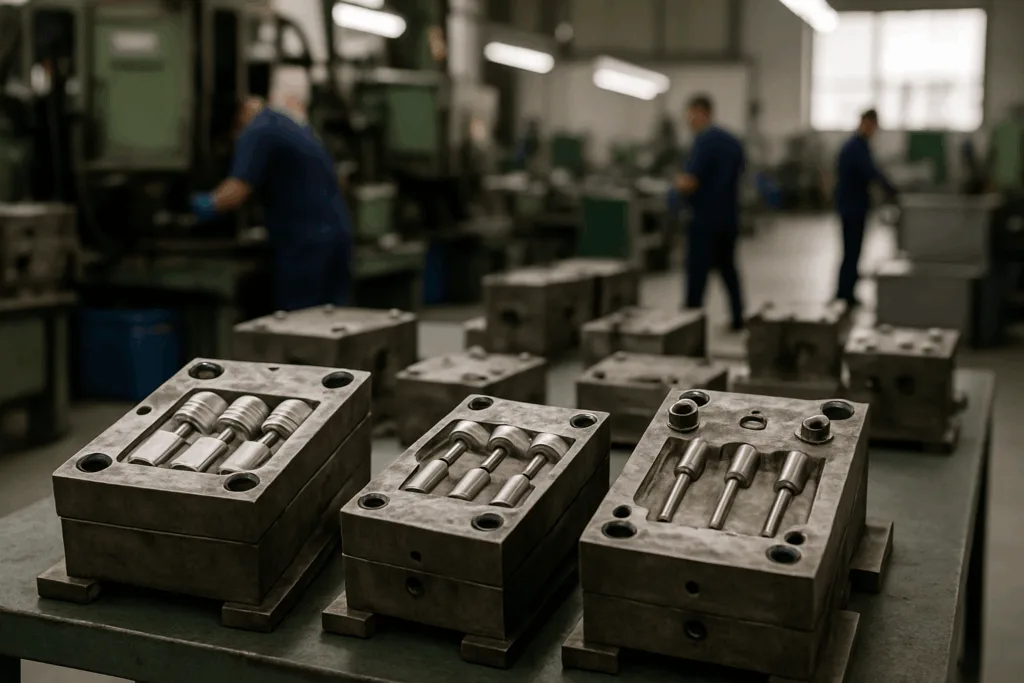
Perfume packaging involves various parts. The two most visible components are the bottle cap and the sprayer. While both sit atop the bottle, they deliver contrasting purposes in terms of functionality, aesthetics, and manufacturing complexity.
What Is a Perfume Bottle Cap?
A perfume bottle cap is a detachable covering placed over the bottle’s neck or sprayer. Its main job is to protect the inner contents, preserve the fragrance, and add a touch of style. Bottle caps can be simple or decorative, made from plastic, glass, or metals such as zinc alloy or aluminum. Some also feature branding elements like embossed logos, color-matched plating, or custom shapes, reflecting attention to detail and luxury.
What Is a Perfume Sprayer?
A perfume sprayer is a dispensing mechanism fixed to the bottle’s neck, enabling users to release the fragrance as a fine mist. The sprayer includes several precise parts: the actuator (the part pressed down), the pump assembly, the dip tube, and sometimes an overcap. Sprayers must function smoothly, deliver a consistent spray, and resist corrosion from fragrance ingredients, often requiring metal springs and seals manufactured to strict standards.
Comparing Perfume Caps vs Sprayers
| Component | Material Choices | Main Function | Manufacturing Process | Finish Options | Best-Use Scenario |
|---|---|---|---|---|---|
| Perfume Cap | Zinc alloy, aluminum, ABS, glass, wood | Protection & aesthetics | Die casting, stamping, CNC, injection molding | Electroplating, powder coating, anodizing, painting | Premium branding, seasonal launches, collectible bottles |
| Perfume Sprayer | Aluminum, stainless steel, plastic (PP, LDPE), rubber seals | Fragrance dispensing | Precision assembly, stamping, injection molding | Brushed chrome, satin nickel, colored anodizing | Daily-use fragrance bottles, tester vials, mini sprays |
Materials Matter: Selecting for Performance
Zinc Alloy & Aluminum Caps
Caps crafted from zinc alloy or aluminum provide a premium weight and metallic shine. Zinc alloy allows for crisp logos, complex shapes, and robust durability. Aluminum offers lightweight construction and supports finishes like anodizing for bold color effects. Both metals resist corrosion and damage from repeated handling.
Precision for Sprayers
Sprayers demand exacting standards to deliver a fine mist. Stainless steel (grades 304 or 316) is common for springs and nozzle cores, chosen for resistance to corrosion by alcohol-based perfumes. Plastics such as PP (polypropylene) ensure tight seals, eliminating leaks and preserving scent integrity.
Manufacturing Processes Unveiled
How Are Caps Made?
- Die Casting: Molten zinc alloy is poured into molds. This creates precise shapes and deep logo reliefs. Tolerances are controlled to within ±0.05mm.
- CNC Machining: Used for fine details or low-volume premium runs. CNC allows for sculpted contours and metallic finishes.
- Stamping & Pressing: Thin metal sheets are stamped for lightweight caps. Surface textures like brushing or sandblasting are added after.
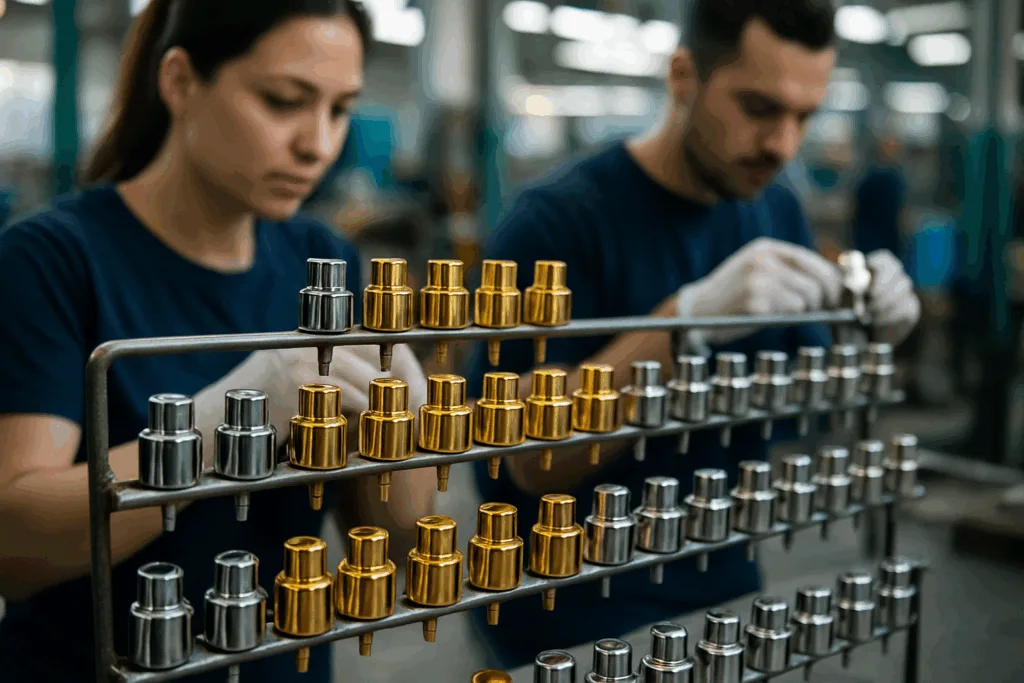
- Finishing: Caps undergo electroplating (gold, nickel, chrome) for color and luster. Thickness checks (via XRF) ensure uniformity, while controlled sand-spray boosts grip and tactile feel.
How Are Sprayers Manufactured?
- Precision Assembly: Valves, springs, and tubes are integrated in dust-free environments. Each part is tolerance-checked to avoid leaks.
- Injection Molding: Plastic actuators are molded for smooth pressing action and even spray patterns.
- Quality Assurance: Sprayers undergo ASTM D3359 adhesion tests and salt-spray testing to confirm resistance to perfume chemicals.
Design and Branding Impact
Caps Elevate Presentation
Caps serve as the first touchpoint for end-users, forming their impression of your brand. Engraved logos, custom shapes, and specialty plating (like rose gold or matte black) create unique visual experiences. Gairun, renowned for craftsmanship and OEM capabilities, offers caps with detailed relief, Pantone-matched color finishes, and tight tolerance control for top-tier luxury bottles.
Sprayers Shape User Experience
The sprayer is vital for function. Its effectiveness is measured by mist consistency, resistance to clogging, and smooth actuation. High-quality sprayers add value: a precise mist preserves fragrance, minimizes waste, and fosters repeat purchases.
Cost and Production Considerations
- Caps: Die-cast and CNC caps cost more due to tooling and precise surface finishes, with MOQs often starting at 1,000 units. Mass-produced stamped caps can offer lower per-piece pricing for large runs.
- Sprayers: Assembly involves multiple parts and specialized machinery. Lead time is linked to order size and customization intensity; standard sprayers can be delivered faster, while custom actuators or colors may require 3–5 extra weeks.
Finishing Techniques for Each Component
Caps – From Antique to Modern
- Electroplating: Gold, nickel, gunmetal, chrome
- PVD Coating: Ultra-durable and vivid colors
- Powder Coating: Matte and textured options
- Brushed/Polished: Adds tactile richness
Sprayers – Functional and Polished
- Brushed Chrome/Nickel: Signature metallic look
- Colored Anodizing: Custom branding
- Matte Black: Modern, understated aesthetic
Quality Assurance & Compliance
Tolerances and Tests
For metal caps, tolerances are held to ±0.05mm. XRF checks confirm plating thickness. Adhesion is validated using ASTM D3359. Salt-spray tests (ASTM B117) may run 48–120 hours to ensure corrosion resistance. For sprayers, pressure cycles simulate daily use, and seals must pass leak-resistance standards. All materials used in wearable or skin-contact packaging, like nickel-plated caps, must comply with EN 1811 nickel release, RoHS, and REACH where applicable.
Sampling and Aesthetics
AQL sampling plans (ANSI/ASQ Z1.4) ensure outgoing quality. Visual checks confirm finish uniformity, color matching (ΔE standards), and dimensional consistency. This preserves both mechanical performance and brand presence.
Applications Across Industries
Caps
- Luxury perfume brands
- Cosmetic lines with collectible packaging
- Promotional events and seasonal launches
- Custom gifts and private labeling
Sprayers
- Mass-market fragrances
- Travel-size perfumes and testers
- Functional packaging for body sprays and colognes
- Sampling programs
Why Component Choice Matters for Business
Durability
Well-made metal caps resist scratches and dents, outperforming cheaper plastics. Quality sprayers prevent leaks and ensure users enjoy the product’s full lifespan.
Branding
Custom finishes and engraved details reinforce brand identity, driving shelf appeal and customer loyalty. Gairun specializes in match-to-brand plating and relief, aligning packaging with marketing needs.
Cost & Lead Time
Balancing cap complexity, finish level, sprayer quality, and order size impacts overall unit cost and delivery. Strategic selection keeps launches on schedule and budgets in check.
User Experience in Practice
Caps: Tactile & Visual Appeal
The right cap delivers a satisfying sensory experience when opening and closing the bottle. Premium weight, smooth finish, and precise fit all contribute to perceived value.
Sprayers: Performance Under Real Use
Sprayers influence product satisfaction by delivering the ideal amount and mist pattern. Poor assembly causes leaks and frustration; high-quality units maintain positive brand associations.
Perfume Caps vs Sprayers: How to Choose?
Make your selection based on product positioning, branding goals, functional requirements, and budget. Luxury fragrances benefit from ornate, bespoke metal caps supported by precise sprayers. Mass-market lines may prioritize durable, reliable sprayers with cost-effective caps. In every case, component quality shapes product reception, repeat purchases, and long-term business growth.
Takeaway: If your brand aspires to combine artistry with functional excellence, partner with manufacturers like Gairun who provide precision metalwork and robust B2B service.
Frequently Asked Questions
What is the primary difference between perfume caps and sprayers?
Perfume caps protect the bottle and enhance appearance, while sprayers dispense the fragrance as a fine mist for daily use.
Which materials are best for perfume bottle caps?
Zinc alloy and aluminum are preferred for premium fragrance caps due to their durability, finish quality, and branding flexibility.
How are perfume sprayers tested for quality?
Sprayers undergo leak, spray pattern, adhesion, and corrosion resistance tests to ensure safe, consistent performance with various fragrances.
Can metal caps be customized for branding?
Yes, metal caps can be customized with engraved logos, unique shapes, Pantone color finishes, and specialty plating to match brand identity.
How do I choose between a decorative cap and a standard sprayer?
Select a decorative cap for prestige bottles and collector editions; opt for standard sprayers for daily-use fragrances requiring consistent mist delivery.
What compliance standards apply to perfume packaging components?
Key standards include EN 1811 for nickel release, RoHS/REACH for material safety, and ASTM/ANSI for mechanical and finish quality.