What Is Epoxy Dome Coating?
Epoxy dome coating is a process where a clear, durable resin covers the surface of a printed metal badge, creating a tough, glossy shield. The epoxy resin hardens into a dome-like shape, giving the badge a three-dimensional, glass-like appearance. This technique is widely used for items that need both graphic clarity and robust protection.
The Science Behind Epoxy Resin
Epoxy is a thermosetting polymer. It starts as a liquid and hardens through a chemical reaction with a curing agent. Once set, it provides outstanding mechanical and chemical resistance. Epoxy molecules cross-link, forming a tight, shatterproof network that protects what’s beneath.
Main Applications of Epoxy Dome Coatings
- Printed metal badges for uniforms
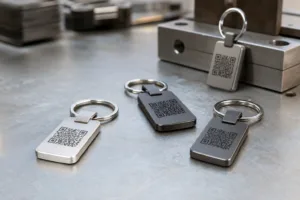
- Promotional keychains with company logos
- Nameplates for equipment or machinery
- Souvenir coins and club medals
- Custom branded metal crafts and emblems
How the Epoxy Dome Process Works
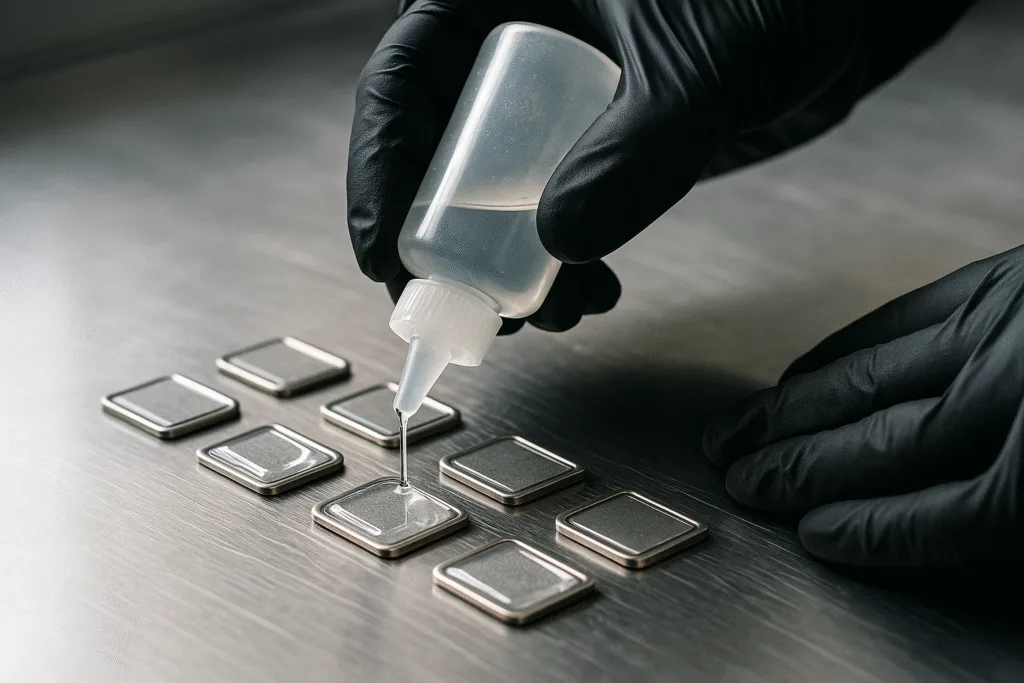
The epoxy dome process begins with the finished, printed metal badge. This badge might be made of zinc alloy, brass, stainless steel, iron, or aluminum. On top of the print, the epoxy resin is carefully dispensed to cover the surface evenly. Surface tension keeps the liquid epoxy from spilling over the edges, allowing for a perfect, bubble-free dome.
Step-by-Step Application
- The metal badge is cleaned free of dust or oil.
- The printed design is fixed with UV-resistant inks for maximum color retention.
- A precise dose of clear epoxy resin is dispensed onto the printed surface.
- The badge sits in a controlled environment (dust-free, usually 20–25°C) while the epoxy cures for 12–24 hours.
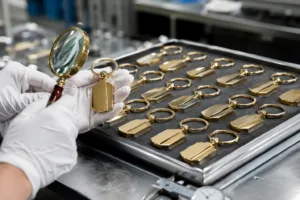
- Quality inspectors check for clarity, coverage, and any trapped bubbles before packing.
Why Epoxy Is Chosen for Surface Protection
- Scratch resistance
- Moisture and chemical protection (including sweat, rain, and cleaners)
- Glossy, 3D appearance that enhances designs
- UV stability to reduce yellowing and fading of prints
- Impact resistance, preventing chips and dents
Benefits of Epoxy Coated Badges
Epoxy coated badges stand out in terms of both looks and longevity. The dome amplifies colors, giving artwork depth and vibrancy. Underneath, logos and text stay crisp for years, even with daily handling.
Visual Impact
The lens-like finish creates eye-catching reflections and makes graphics appear slightly enlarged. This effect draws attention at events, on uniforms, or as part of branded packaging.
Enhanced Durability
Testing has shown that epoxy domes resist scratching from coins, keys, and rough contact: most pass 200–500 cycles in pencil-hardness or abrasion tests. They also block water, dirt, and cleaning solvents from reaching the print layer.
Low Maintenance
A simple wipe with a damp cloth keeps badges looking new. The smooth surface is easy to sanitize — ideal for uniforms, healthcare, or hospitality uses.
Epoxy Dome Coating: How to Protect Printed Metal Badges
For brands, epoxy dome coating is one of the most reliable ways to protect printed metal badges. Choosing this method can transform an ordinary nameplate or badge into a durable marketing tool that braves tough environments, from factory floors to marathon finish lines.
Material Suitability and Limitations
The most effective results come with non-porous metals like stainless steel, brass, and die-cast zinc alloy. Before coating, Gairun uses processes like shot blasting or fine polishing to ensure even adhesion. Laser or photo-etched artwork works best, as it locks in the print and prevents smudging.
Protecting Brand Identity
Epoxy domes are especially suited for badges that feature fine logos or brand colors. Using a high build, optically clear resin, Gairun ensures color vibrancy and edge definition — critical for corporate branding, collector items, or limited-edition promotions.
| Coating Type | Scratch Resistance | Finish | Cost | Best Use Case |
|---|---|---|---|---|
| Epoxy Dome | High | Glossy/3D | Medium | Badges, keychains, nameplates |
| Enamel (Soft/Hard) | Medium–High | Satin/Matte | Low–Medium | Medals, pins, coins |
| PVD/Plating | Medium | Metallic/Shiny | High | Luxury emblems, jewelry |
Key Manufacturing Details for Epoxy Coated Badges
Quality depends on material selection and process control. Gairun typically uses 1.0–2.0 mm thick zinc alloy, brass, or 304 stainless steel as the base. After stamping, die casting, or CNC machining, the badge is tumbled or shot blasted for smoothness. Printed layers use screen or offset printing with UV-cured inks to resist fading.
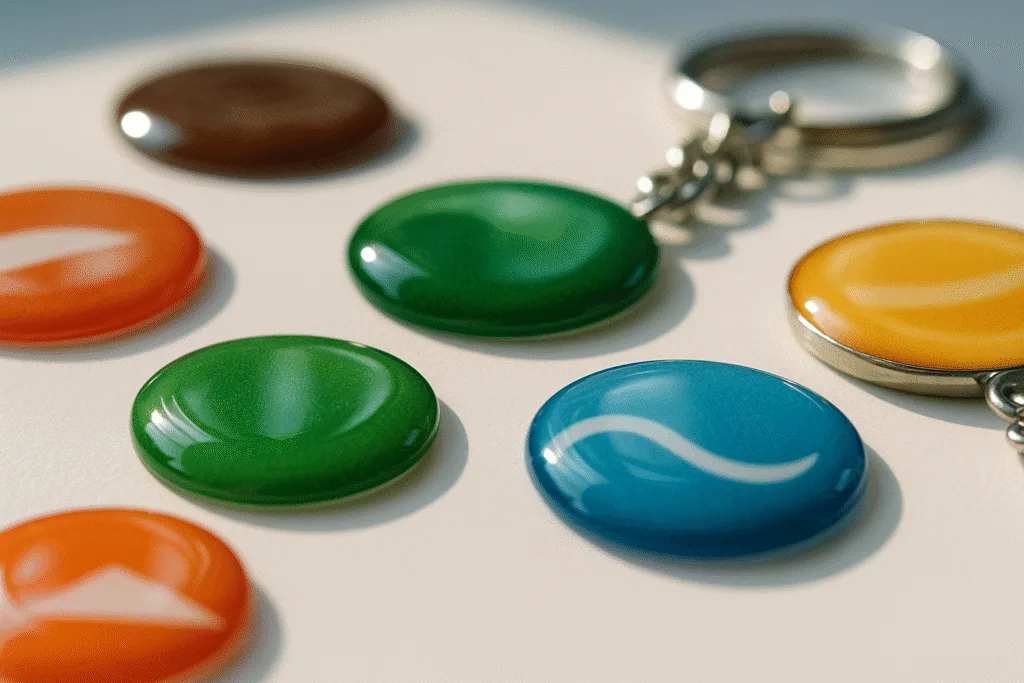
Precision and Process Control
- Adhesion is checked using tape tests following ASTM D3359.
- Coating thickness is measured (0.6–1.2 mm) with a digital gauge.
- Salt-spray (ASTM B117) and hardness testing ensure the resin’s resistance to corrosion and impact.
Classic Badge Mounting Options
- Butterfly clutch pins for lapel badges
- 3M VHB adhesive for smooth surfaces
- Magnetic backs for uniforms or bags
- Double-sided tape for one-time application
- Rivets or screw posts for heavy-use industrial nameplates
Where Epoxy Dome Coating Excels
Epoxy dome coating thrives in high-handling, high-visibility settings. Popular examples include event keychains, employee ID badges, personalized pet tags, and machine nameplates. Its long-lasting shine makes it a favorite for souvenir coins and branded token gear. Gairun often applies dome coatings to promotional products for the most demanding clients who want durability and premium looks.
Why the Dome Is So Tough
The rounded shape of the dome spreads out impact energy and shields the print from direct contact. Unlike flat coatings, the dome style also reduces light distortion, preserving color harmony over time.
Tips for Designing Long-Lasting Printed Logos under Epoxy
To maximize brand value, follow these simple but vital steps for badges and logo plates destined for epoxy coating:
- Choose thick vector artwork with clear lines — fine details may become less sharp under the dome effect.
- Request Pantone-matched colors and UV-cured inks for better lightfastness.
- Avoid bleeding edge-to-edge; include a border to prevent resin overflow.
- Opt for metal surfaces that are tumbled or deburred for optimal adhesion.
- Double-check logo size and placement before approval — domes may slightly magnify or distort edges.
Expert Takeaway: Well-designed domed badges are easy to clean, vivid, and outlast most printed stickers or paint-on alternatives. Plan early with your manufacturer for best results.
Comparing Epoxy Dome Coating with Alternative Badge Finishes
Epoxy domes are not the only way to safeguard printed metal. Brands often weigh options like soft or hard enamel, powder coatings, or Physical Vapor Deposition (PVD) finishes. The right choice depends on branding goals, budget, and how the product will be used. Below is an overview for reference.
| Finish | Pros | Cons | Best Use |
|---|---|---|---|
| Epoxy Dome | Glossy, durable, cost-effective for printed graphics | Slight thickness, not engravable after coating | Brand badges, promo items |
| Soft Enamel | Textured feel, classic look | Surface can be scratched | Lapel pins, medals |
| Hard Enamel | Flat finish, high detail | Costly for large items | Commemorative coins, fine badges |
| PVD/Plating | Rich color, tough wear layer | Best for plain, unprinted metal | Luxury logos, jewelry |
| Powder Coat | Thick, extremely durable | Opaque, not clear for prints | Utility plates, appliance labels |
How to Order Epoxy Coated Badges for Business Success
When sourcing badges, keychains, or nameplates with epoxy dome coating, clarity in specification and quality control is essential. Here’s how leading manufacturers like Gairun get it right from the outset:
Critical Specifications
- Base metal and thickness (such as 1.5 mm zinc alloy or 1.0 mm stainless steel)
- Artwork submission format (vector or high-resolution PDF)
- Color references (Pantone numbers preferred for logo accuracy)
- Requested coat thickness (usually between 0.6–1.2 mm dome height)
- Mounting hardware (clutch backs, adhesive, magnets)
- Target compliance (RoHS, EN 1811, ASTM testing as needed)
- Packing method (OPP bag, velvet box, printed card, etc.)
Quality Assurance Steps
- Tight sampling using AQL standards (ANSI/ASQ Z1.4)
- Plating/cure checks for adhesion and clarity
- UV chamber and salt-spray testing for outdoor products
- Color-matching and print registration reviews
- Client approval of pre-production samples
Compliance, Safety, and Environmental Responsibility

Badges and branded items may need to meet international safety or environmental rules. Wearable badges (like those for uniforms or giveaways) often undergo nickel-release tests under EN 1811, as well as RoHS and REACH reviews for restricted materials. Gairun tracks these requirements and provides test certificates on request, ensuring peace of mind for global clients.
Frequently Asked Questions
What makes epoxy dome coating so durable?
The tough, cross-linked resin resists scratches, moisture, and impact, protecting printed designs from wear and tear.
Can epoxy domes yellow or fade over time?
High-quality, UV-stabilized epoxies stay clear and glossy for years. Low-grade resins, however, may discolor with sun exposure.
Are epoxy coated badges safe for skin contact?
When properly cured, the epoxy resin is non-toxic and safe for everyday use. Compliance with EN 1811 and RoHS ensures safety standards.
What is the minimum order quantity for custom badges?
Most factories, including Gairun, offer MOQs starting from 100–500 pieces, depending on badge size, complexity, and finish.
Can I use epoxy coating for outdoor badges?
Yes, provided the resin is UV-stabilized and metal is resistant to corrosion. Epoxy domes are often used on outdoor signage, tags, and labels.
How thick is an epoxy dome on a typical badge?
The clear dome is usually 0.6 to 1.2 mm thick — enough to give a 3D effect while preventing overflow or sharp edges.