Nickel-Free Plating for Sensitive Skin: A Guide for Badge Buyers
Metal badges are everywhere—from school uniforms and office lanyards to club events and trade shows. But for many people, wearing badges can cause discomfort, itching, or even skin rashes. The culprit is often nickel, a common metal allergen. If you or your organization issues wearable badges, understanding nickel-free plating matters more than ever. Let’s break down what you need to know about nickel-free badge options, how finishes differ, and what sets professionally plated products apart.
Why Nickel Allergy Matters for Badge Buyers
Nickel is one of the most frequent causes of skin allergies. Many people react after prolonged contact with nickel-containing items—such as badges, jewelry, buttons, and watches. Symptoms may include redness, itching, swelling, and dry patches. For settings like schools or workplaces, this means a badge that leaves a rash can quickly turn from a proud symbol to an uncomfortable liability.
Common problems include:
- Students refusing to wear badges due to irritation
- Staff needing medical attention after exposure
- Complaints leading to badge recalls or replacements
Nickel allergy affects up to 17% of women and nearly 3% of men. The risk rises with daily or long-term badge wear. That’s why many organizations now specify nickel-free or hypoallergenic badge solutions for sensitive skin. Gairun, a leader in custom metal craft manufacturing, has responded by offering a robust range of nickel-free badges that pass strict quality and safety controls.
What Is Nickel-Free Plating for Badges?
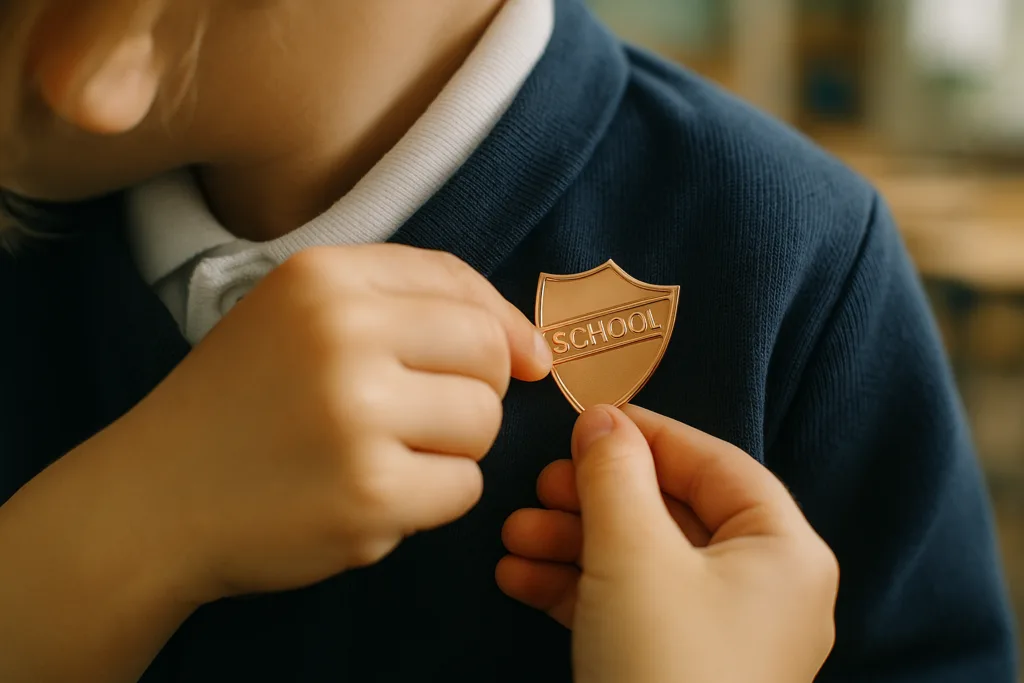
Nickel-free plating means the badge’s outside contact layer contains no nickel or so little that it won’t cause an allergic reaction. True nickel-free plating is more than a simple label—it’s a precise manufacturing approach that starts with the right chemistry and continues in the inspection lab.
When Is Nickel-Free Plating Needed?
- School Badges: Students of all ages have sensitive skin; school districts often require hypoallergenic badge accessories.
- Employee Name Badges: Office staff, receptionists, and health workers regularly wear badges against their skin for hours.
- Clubs and Special Events: Reusable badges for club members, sports teams, or VIP passes can cause issues if nickel is present.
- Gift or Promotional Badges: Corporations and brands increasingly choose nickel-free finishes to reduce liability and boost event comfort.
Why Does Standard Plating Use Nickel?
Nickel is traditional in the badge industry because it’s durable, corrosion-resistant, and offers a bright finish. It also allows for a smooth underlying surface for gold, chrome, or other final coatings. However, its allergenic properties make it unsuitable for many end uses.
Nickel-Free Plating Options and Finishes
Badge buyers can choose from several nickel-free surface finishes. Each finish offers different looks, feel, durability, and price points. Selecting the best depends on your badge’s purpose, budget, and wearer needs.
Electroplated Nickel-Free Finishes
| Finish Option | Nickel Content | Visual Effect | Durability | Common Use |
|---|---|---|---|---|
| Gold (24K, 18K, 14K) | None in top layer | Bright, yellow gold | Excellent with good thickness | Premium badges, awards |
| Rose Gold (copper-based) | None | Warm pinkish sheen | Moderate | Fashion or event badges |
| Palladium | None | Silver-white, mirror bright | Good | Hypoallergenic premium badges |
| Rhodium | None | Crisp silver-white | Very high | Allergy-safe high-wear badges |
| Imitation Gold/Chrome (nickel-free) | None with controlled chemistry | Gold/silver look | Good (with topcoat) | Cost-effective school/company badges |
Physical Vapor Deposition (PVD) Finishes
PVD is a premium, environmentally friendly coating method. It offers color options like matte black or titanium gold. PVD coatings are highly durable and fully nickel-free on the outer layer. Gairun provides PVD as an option for buyers demanding extreme wear and hypoallergenic performance in logos, badges, and hardware.
Other Nickel-Free Methods
- Anodizing: Used for aluminum badges, providing colored oxide layers free of nickel.
- Powder Coating & Epoxy Dome: Applies a colored, protective barrier over the metal, isolating it from skin contact.
How Quality Nickel-Free Plating Is Made
The process behind true nickel-free plating blends chemistry, craftsmanship, and strict controls. At Gairun, production starts with base metals like brass, zinc alloy, or stainless steel (grade 304/316 for best hypoallergenic results). These metals are cleaned and prepped through degreasing, tumbling, and shot blasting for surface consistency.
Step-by-Step Badge Plating Process (Nickel-Free)
- Mold Preparation: Stamping, casting, or CNC machining defines shape and relief—even 2D/3D features or Pantone-matched recessed enamel designs.
- Surface Finishing: Burrs are removed and textures are added with bead blasting or satin brushing to specification.
- Main Plating (without nickel): The badge receives a barrier layer, such as copper, and moves straight to the final finish using gold, palladium, rhodium, or PVD—no nickel base included.
- Color and Sealing: Optional soft/hard enamel color fill or clear epoxy domes protect branding elements and shield skin from any trace metal.
- Mounting/Assembly: Butterfly clutches, magnets, or 3M adhesive backs are attached and inspected; packaging is completed as required (OPP bag, custom card, or presentation box).
Gairun’s Chemistry and Process Controls
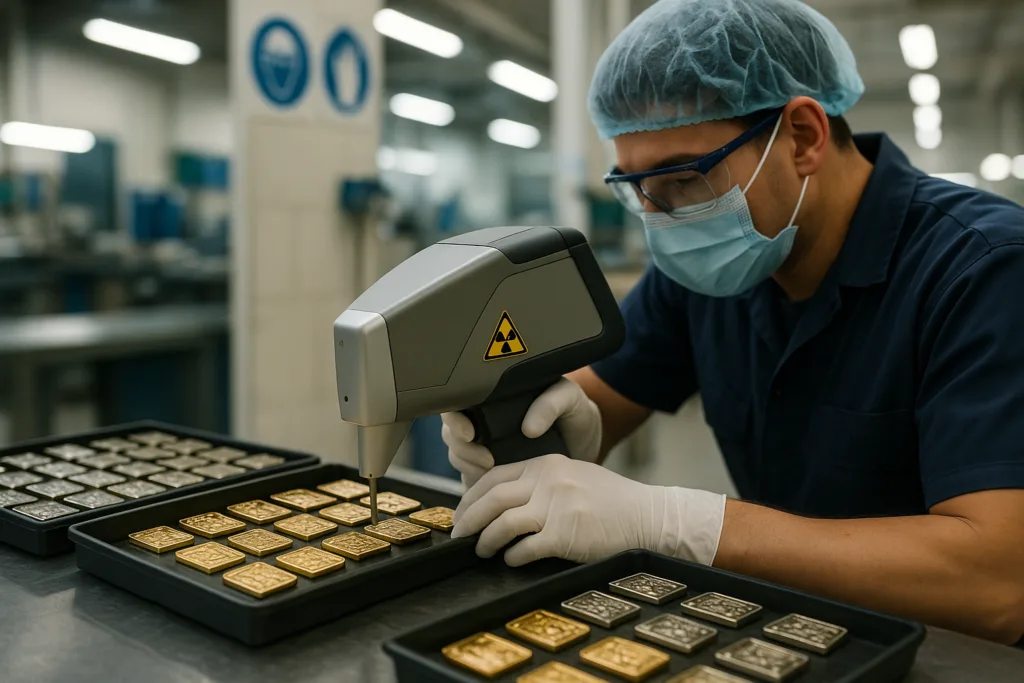
Reliable nickel-free plating relies on strict material sourcing and bath monitoring. Gairun uses compliant, traceable electroplating baths—checking for nickel traces with XRF (X-ray fluorescence) and wet-chemical analysis. Batch records and AQL (Acceptable Quality Level) testing align to RoHS and REACH guidelines. Gairun badges are also tested per EN 1811, the European nickel release standard for wearable metal. This protects wearers and provides audit trails for business buyers.
Expert Insight: “Badge allergy complaints are rare with EN 1811-certified plating. Look for suppliers who can show test results—real protection starts in the plating bath, not at the customer service desk.”
Testing Standards for Hypoallergenic Badges
Nickel-free claims mean little without certified test results. Here’s what sets industry leaders apart in testing and compliance:
- EN 1811 Nickel Release Test: The European benchmark for wearable metals. Sets strict limits (0.5 µg/cm²/week) for skin-contact items. All reputable badge suppliers for schools or the EU market follow this protocol.
- ISO 10993-10: Skin irritation and sensitization for medical/bio-contact products. Some badge buyers request this for extra peace of mind.
- RoHS & REACH: EU directives banning hazardous substances, including nickel release limits.
- ASTM B117: Salt spray testing for corrosion resistance, ensuring safe, clean finishes during wear.
Badges from Gairun can be third-party lab certified to EN 1811, with batch test reports available for high-volume purchases.
Visual Inspection & Plating Thickness
Beyond lab chemistry, visual quality matters too. Plating thickness is verified (typically 0.2–0.5 µm for precious metals, higher for high-wear items) using XRF machines. Surface finish is examined under magnification and checked for porosity or uneven color. Only first-quality badges pass.
Nickel-Free Plating for Sensitive Skin: A Guide for Badge Buyers
If you’re tasked with ordering badges for a group, school, or business, a nickel-free approach protects wearers and brand reputation. Here’s how to specify and source with confidence:
- Define Use Case: Daily wear (school/employee) requires highest allergy precautions; occasional use (event) may allow cost tradeoffs.
- Choose Finish Type: Gold, rose gold, or palladium are safest for direct skin contact. PVD and powder coat work well for colored logos or decorative badges.
- Set Compliance Level: Request EN 1811 test reports or RoHS documentation; ask for batch certificate copies.
- Confirm Packaging: Hypoallergenic badges should be packaged in clean OPP bags or presentation cards to prevent contamination or marking during shipping.
- Work With an Expert OEM: Firms like Gairun, with wide plating capabilities and B2B reliability, ensure badges meet international standards while delivering efficient and on-time service.
Tips for Ordering Badges for Sensitive Skin
- Request a free plated material sample before mass order
- Ensure back attachments (clutch, magnet, adhesive) are also nickel-free
- Test the finished badge with at least one known nickel-sensitive wearer if practical
Alternative Materials and Their Pros & Cons
While nickel-free plating is usually the fastest way to prevent skin reactions, sometimes the badge’s base metal can be changed. Here are some other hypoallergenic options:
Solid Stainless Steel Badges (304/316)
High-grade stainless steel contains less nickel than regular steel and releases minimal amounts, making it suitable for most people. These badges are durable, rust-proof, and have a clean silver look. Gairun can laser-etch or color-fill these directly for logos and text. However, 316 stainless is more expensive than electroplated brass or zinc.
Aluminum (Anodized)
Anodized aluminum badges are 100% nickel-free and lightweight. The finish resists corrosion and comes in various colors. Drawbacks include less premium feel and possible denting if knocked or dropped, as aluminum is softer than brass or steel.
Plastic or Resin-Coated Metal
Plastic badges or badges covered with epoxy domes or resin are totally free from metal allergies. These are ideal as low-cost school badges or temporary staff passes. For brands wanting a luxury, tactile badge, metal is often preferable.
Applications: Where Hypoallergenic Badges Matter Most
Certain industries and markets benefit most from specifying nickel-free or hypoallergenic badges. These include:
- Schools and Universities: All student and teacher name badges for daily wear
- Healthcare and Medical: Nurses, doctors, and staff who need to avoid skin irritants due to frequent use
- Hospitality and Retail: Employees in uniforms expected to maintain a professional look without discomfort
- Sports Events: Medals and badges worn close to the skin over prolonged periods
- Government/Military: Badges and identification tags for use with diverse staff populations
- Sensitive-Skin Markets: Allergy-prone customers, children, and the elderly
Badge Design and Branding with Nickel-Free Finishes
Nickel-free plating doesn’t mean buyers must compromise on style or function. Modern badge design offers:
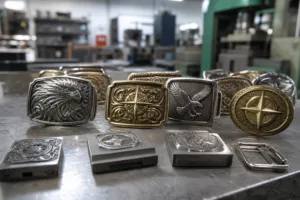
- Bright mirror finishes, matte textures, or antique looks (bronze, silver, gold, black)
- Detailed relief options—2D and 3D, custom silhouettes
- Pantone-matched enamel fills for logos and school/company colors
- Clear epoxy domes for extra skin isolation
- Laser engraving for personalization—no paint or plating needed
At Gairun, badges for sensitive skin can be custom-branded to meet any theme or requirement, including complex logos, numbering, and safety features, all while maintaining hypoallergenic properties.
Price, Lead Time, and Sourcing Considerations

Nickel-free plating usually carries a small cost premium over standard nickel-based finishes. Expect to pay 10%–20% more for precious-metal layers or PVD. Lead times are typically similar, though some rare finishes or compliance requests may add 1–2 extra weeks for lab testing and certification.
Bulk Order Best Practices
- Request written compliance confirmation on your purchase order (EN 1811, RoHS, or ISO as required)
- Ask for random sampling and batch test certification before shipment
- Inquire about assembly attachment options to avoid surprises on the back side of badges (some butterfly clutches or magnets may use nickel)
Working with a professional OEM like Gairun means direct manufacturer control, prompt QA, and full traceability from material batch to finished packaging.
Frequently Asked Questions
Why do some people react to metal badges?
People with nickel allergies develop skin rashes or irritation when nickel-containing badges contact their skin. Even trace amounts of nickel can cause a reaction during prolonged wear.
Are gold or silver-plated badges always nickel-free?
No, many gold or silver-plated badges use a nickel base layer. True nickel-free plating skips nickel or uses a barrier to keep it from reaching the surface.
How can I be sure my badges are safe for sensitive skin?
Request badges tested to EN 1811 standards and ask your manufacturer for batch test reports or compliance documentation before ordering.
Can I get colored badges without nickel?
Yes. PVD coatings, powder coating, and anodizing (for aluminum) let you create bright, colored badges that are completely nickel-free.
What is the EN 1811 standard?
EN 1811 is a European standard that controls the amount of nickel released from items that touch the skin. It sets a strict weekly limit (0.5 µg/cm²), ensuring safety for allergy sufferers.
Does nickel-free plating affect badge durability?
No. Properly applied gold, palladium, or PVD finishes are hard-wearing and resist tarnish. They usually last as long or longer than traditional nickel finishes.