How Thickness and Weight Influence the Feel of a Custom Medal
The thickness and weight of a custom medal do much more than add mass. They shape how winners, athletes, and guests perceive the value of the award. These physical traits speak of craftsmanship, prestige, and the event’s standards. Gairun, a leader in precision metal manufacturing, knows that the right specs make all the difference—from school ceremonies to international sports events.
Why Medal Thickness and Weight Matter
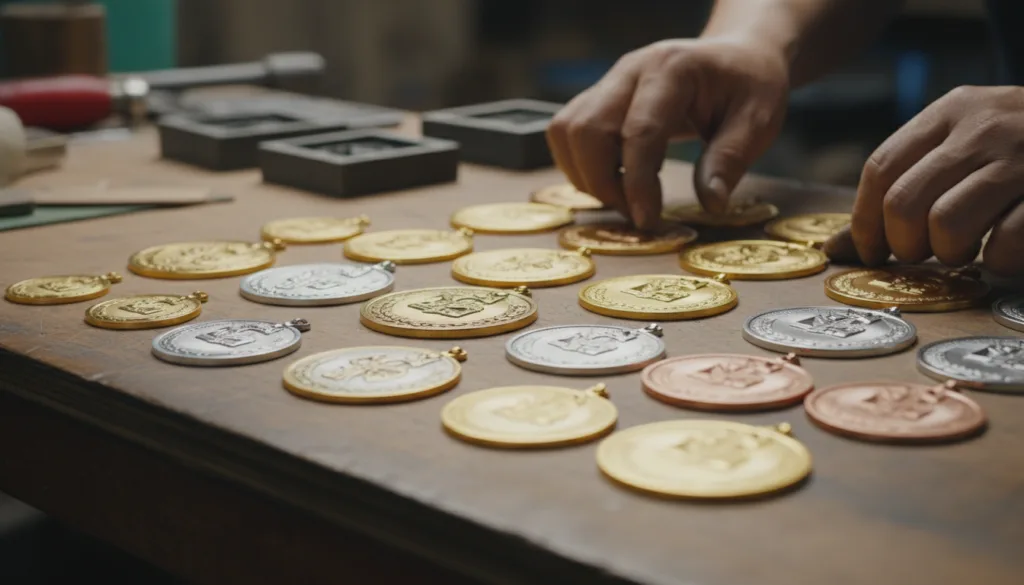
Every time someone receives a medal, the first impression is in the hand. A medal that feels substantial gives a sense of achievement and quality. The measurements aren’t arbitrary; they’re tied to materials, finishing processes, event budgets, and even shipping logistics. For organizers, finding the right balance between heft and cost determines both the impact and practicality of your custom awards.
Medal Thickness: Visible Impact and Subtle Differences
Medal thickness usually ranges from 2 mm to 5 mm for most events. Thicker medals look robust and resist warping, especially in larger diameters. Thin medals might feel light or even flimsy. Schools tend to choose medals between 2–3 mm, balancing affordability and durability. For premier marathons or international competitions, specs rise to 4–6 mm, dramatically increasing perceived value.
Medal Weight: Substantial Feels vs. Shipping Realities
Medal weight depends on diameter, thickness, and metal. Brass feels heavier and more prestigious than zinc alloy, but costs more. A typical 70 mm medal (about palm-sized) weighs between 60–120 grams. Lighter medals ease distribution and shipping costs, especially for bulk orders. Heavier awards indicate exclusivity—think victory at world-class events. Gairun recommends brass or iron for weight; zinc alloy for flexibility and cost control.
Premium Medal Feel: Craftsmanship Beyond Dimension
What sets a premium medal apart? It’s not just about thickness and weight but attention to detail. The touch of smooth, polished edges, the crisp 3D relief, and the sound when tapped against a table. Consistent thickness and calibrated weight ensure medal quality and comfort. For example, medals with soft or hard enamel fills can mask minor irregularities in the metal while giving a deep, tactile color separation. Finishing options like antique plating or matte black boost visual luxury.
Material Choices That Influence Quality
- Brass (CuZn): Dense, durable, superior for high-end medals. Typical thickness: 3.5–6 mm.
- Zinc Alloy: Cost-effective, versatile for complex shapes and color. 2–4 mm standard.
- Iron or Steel: For budget and moderate events. Heavier at equal volume.
- Aluminum: Lightweight, handy for large-diameter medals that must stay under shipping weight limits.
Finishing Touches Affect Both Perception and Weight
- Electroplating: Adds 2–5 microns to surface, not significant for overall weight but critical for scratch resistance and shine.
- Powder Coating: For color, mildly affects feel (extra 0.1–0.3 mm thick).
Medal Thickness and Weight Control for Different Event Types
Choosing medal specs depends on audience, purpose, and logistics. Below is a comparative table showing recommended dimensions for various event types:
| Event Type | Diameter (mm) | Thickness (mm) | Material | Weight (g) | Finish Recommendation |
|---|---|---|---|---|---|
| School Achievement | 40–60 | 2–3 | Zinc Alloy | Iron | 20–50 | Nickel/Gold, Soft Enamel |
| Corporate & Club Awards | 50–70 | 2.5–4 | Zinc Alloy | Brass | 40–80 | Antique Copper/Brass, Hard Enamel |
| Premium Sports Events | 60–100 | 3.5–6 | Brass | Iron | 80–200 | Antique Gold, Matte Black, 3D Relief |
| International Marathons | 70–120 | 4–8 | Brass | Zinc Alloy | 100–250 | Mirror Polish, Custom Ribbon |
Specs for School Events
For school medals, a 50 mm diameter with 2.5 mm thickness provides enough durability without weighing down recipients. Zinc alloy is optimal, keeping costs low for high volume orders. Nickel plating offers shine, while soft enamel supports bright school colors.
Specs for High-End Sports Events
Championship medals deserve greater heft—70 mm or above, up to 5 mm thick. Brass or high-grade iron delivers a solid, satisfying feel. 3D relief with antique or matte finish signals prestige. These medals command respect on sight, emphasizing the winner’s achievement. Velvet gift boxes add value.
Shipping and Cost Considerations for Medal Weight
When ordering hundreds or thousands of medals, shipping cost climbs with each gram. For example, a 100-gram medal shipped in sets of 500 means 50 kilograms plus packaging. International rates favor lighter medals. Gairun helps customers by advising spec changes to reduce freight and customs expense without sacrificing perceived value. Aluminum-based medals with thick profiles sometimes strike a balance when shipping is critical.

Cost Breakdown by Choice of Thickness
- Thin medals (2 mm): Less raw material, faster casting, lower cost per piece (great for youth or mass events).
- Medium medals (3–4 mm): Moderately priced, best for club-level recognition, improved surface relief options.
- Thick medals (5–8 mm): Higher cost, more complex mold requirements, increased prestige, used for signature awards.
Manufacturing Details: Controlling Medal Thickness and Weight
The precise thickness and weight come from both careful design and technical manufacturing steps. Gairun utilizes die casting for zinc, stamping and CNC milling for brass, and laser cutting for custom profiles. Hardness tests (HV scale), XRF checks for plating thickness, and tolerance control (±0.15 mm) keep quality consistent across batches. Color matching follows Pantone standards for enamel fills; surface treatments include deburring, sandblasting, and mirror polish. Each batch is sampled under the ANSI/ASQ Z1.4 AQL protocol to screen for defects. Every finished medal meets RoHS/REACH requirements and, for wearables, EN 1811 nickel release standards.
Technologies for Accuracy
- Wire EDM for intricate mold construction (±0.01 mm tolerance).
- Shot blasting cleans and imparts matte texture pre-plating.
- Laser engraving personalizes without additional weight.
Medal Thickness and Weight: Brand Identity and Recipient Experience
Medal thickness and weight create tangible links to your brand’s promise. A well-proportioned medal signals care—whether given in a school gym or international stadium. For sponsors, the right specs endorse their message of excellence. Recipients cherish awards that feel genuine. Gairun’s experience proves that balancing dimensions with design yields maximum impact and receiver appreciation.
Tips for Maximizing Premium Medal Feel
- Match thickness and weight to event status—don’t overspend for small occasions.
- Select finishing that supports both aesthetics and durability.
- Consult on shipping with your manufacturer early; tweak specs for budget control.
- Request samples before mass production; judge feel in-person.
Case Studies: Specification Decisions in Practice
Many clients choose specs thinking only of budget. For example, a local marathon switched from a 3 mm to a 5 mm thick medal. Runners raved about the feel; sign-ups rose 14% the next year. Conversely, a school district standardized thinner 2.5 mm medals for hundreds of students. Savings covered enhanced ribbon packaging, sparking student pride. In each case, matching specs to the audience led to better outcomes than blanket upscaling or penny-pinching. Gairun collaborates on these decisions, offering physical samples and cost modeling.
Premium Medal Feel
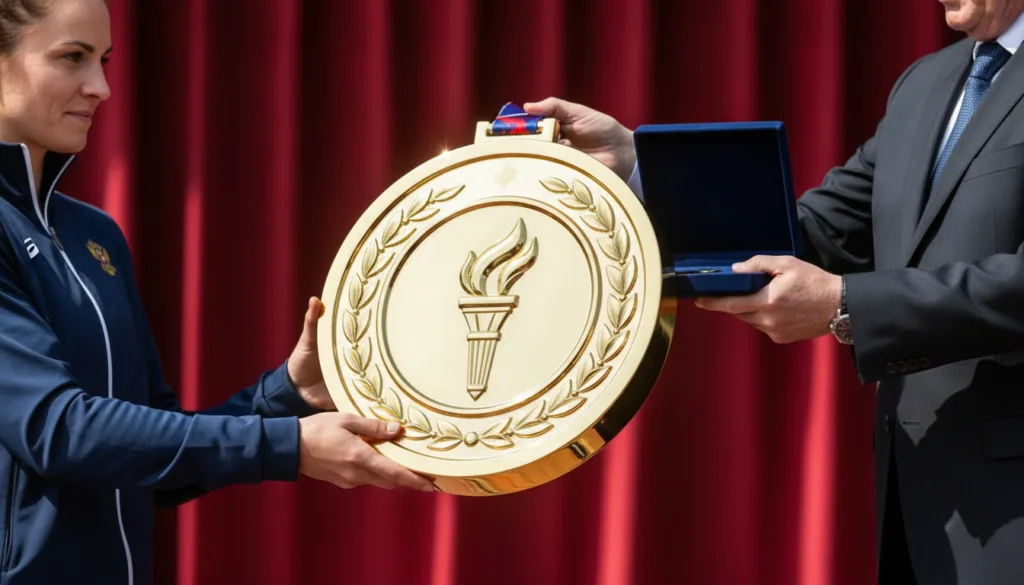
The impression of prestige rests not only in weight, but in crispness of detail, edge finishing, and plating. A heavy medal with poor finishing can feel “clunky,” while a mid-weight medal with satin polish and engraved highlights feels luxurious. Smart spec selection aligns budget, logistics, and audience expectation. Gairun recommends hard enamel plus mirror finish for ultimate effect in major events; soft enamel and antique plating for tradition-focused medals.
Frequently Asked Questions
What is the standard thickness for a custom medal?
Standard medal thickness ranges from 2 mm for basic school medals up to 6 mm for premium sports or commemorative pieces. Specs should match your event tier and budget.
How does medal weight affect shipping costs?
Heavier medals drive up shipping and handling, especially in bulk orders. Choosing lighter materials or controlling thickness helps keep freight costs down without sacrificing quality.
Should I choose brass or zinc alloy for my event medals?
Brass offers superior heft and finish, ideal for high-end awards. Zinc alloy is cost-effective and flexible, making it best for schools and clubs needing more medals at lower cost.
How can I achieve a premium medal feel without increasing weight?
Select thicker profiles, use detailed 3D relief and high-quality finishes like mirror polish or hard enamel. These boost tactile luxury and prestige at moderate weight.
Is a thicker medal always better quality?
No, thicker medals resist bending but must be paired with proper finishing and detail. Excessive thickness might increase cost and shipping unnecessarily for lower-tier events.
What is AQL sampling and why does it matter for medals?
AQL sampling checks batch quality before shipment, screening defects and ensuring consistency to protect your brand and reduce returns.