Why Medal Production Defects Matter for Brands and Events
Medals represent achievement and pride. In sports, schools, military, and branding, faulty medals risk embarrassing organizers, damaging reputation, and incurring costly replacements. Common medal production defects—like color mismatch, bubbles in enamel, uneven plating, sharp edges, and loose ribbons—often result from missed details or shortcuts in manufacturing. Every step, from selecting materials to final assembly, impacts quality and durability.
Typical Medal Quality Issues: Root Causes and Risks
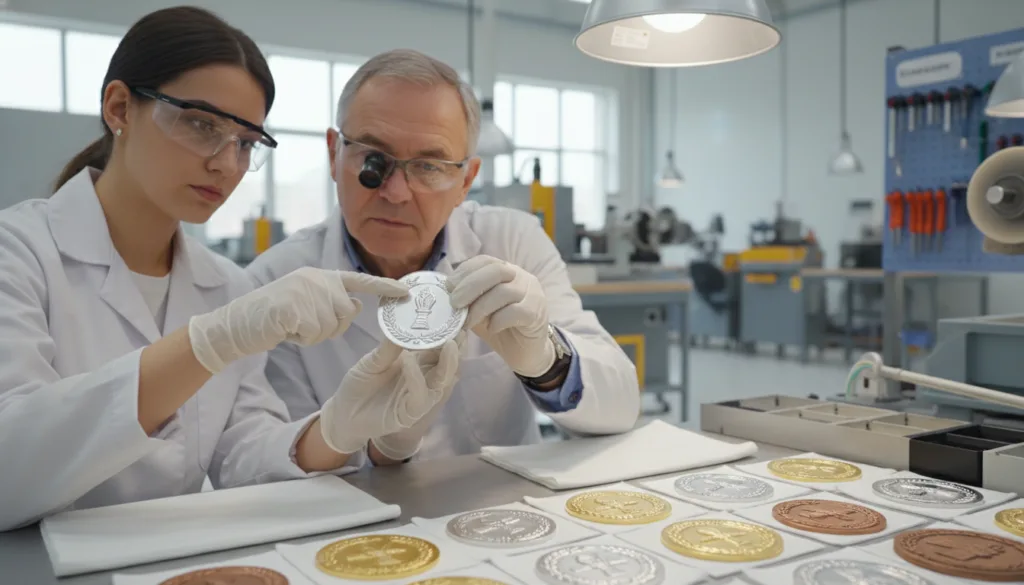
Most medal defects trace back to errors in design, process control, or finishing. Understanding each fault helps buyers evaluate suppliers and prevent expensive outcomes.
- Color mismatch: Medals arrive with off-tone fills or logo colors. This happens when paint is mixed incorrectly, Pantone codes aren’t matched, or surface prep is sloppy.
- Bubbles in enamel: Tiny pits, bubbles, or sinkholes above enamel areas appear if cavities trap air or uncured material expands.
- Uneven plating: Swatches of gold, silver, or nickel look streaky, thin, or patchy, weakening both look and corrosion resistance. This stems from poor cleaning, inconsistent electrical current, or worn plating baths.
- Sharp edges: Medal rims or details feel rough and can even injure recipients. Causes include incomplete deburring, worn dies, or rushed blasting.
- Loose ribbons/hangers: Poorly crimped or insecure fasteners make medals unreliable, especially at mass events.
Below, we break down each step of medal manufacturing, then show how experienced factories like Gairun address each problem before products ever ship.
Process Control in Medal Manufacturing: Preventing Defects from Day One
World-class medal factories establish strict control from design all the way to packaging. Every process step must prevent error and catch mistakes early.
Design and Mold Engineering
Defects often start with design drawings or mold fabrication. Clean, precise CAD files ensure clarity in 2D and 3D relief. Professional workshops use wire EDM to cut molds within tolerances as tight as ±0.01 mm. Before mass production starts, approved samples undergo visual, hardness, and dimension checks. Any inconsistencies flag revisions before expensive mass production.
Material Selection: Why Knowledge Matters
Medals most commonly use zinc alloy, brass, stainless steel (304/316), or iron. Experienced factories check melt flow, thickness (1.5–5 mm typical), and hardness (HV scale) to balance durability and relief detail. Subpar metal, or wrong selection for intended finish, leads to problems later—weak relief, brittle edges, poor plating adhesion.
Medal Production Defects
Manufacturers encounter several medal production defects, each with a unique root cause. Recognizing early signs means faster troubleshooting and less rework.
Color Mismatch: The Paint and Enamel Challenge
Strict Pantone matching and color separation are vital. Factories run standardized mixing, test swatches, and sample every batch against reference chips (ΔE < 3 targets visible consistency). Color fill depths for enamel or epoxy domes are measured to ±0.05 mm. Professional operators use soft/hard enamel processes that minimize bleed and uneven curing. Temperature and humidity control in painting rooms prevent unexpected color drift.
Bubbles and Sinkholes in Enamel
Soft enamel and epoxy resin fills sometimes trap air, leaving monomer bubbles after curing. Best practices include vacuum degassing, slow filling under laminar flow, and pre-heating the base metal. Curing ovens run at calibrated ramp rates; thickness is monitored. Early batches are microscope-inspected for bubbles. Rejected pieces are remixed, not shipped.
Uneven Plating: How a Perfect Finish Is Achieved
Electroplating uses multiple baths—copper, nickel, gold, or antique finishes. Thickness is checked with XRF testers (e.g., 3–5 μm for gold, up to 10 μm for nickel). Insufficient or unbalanced electric current, dirt, or surface oil causes streaks and patches. Factory teams polish, clean, then plate medals using automatic agitation and filtration. Baths are replaced regularly. Finished medals pass visual inspection and salt-spray tests (ASTM B117, usually 48–120 hours) to ensure long-term corrosion resistance.
Sharp Edges: Safety and Comfort
After stamping or die casting, medal blanks are deburred with tumbling, shot blasting, or manual grinding. Edges are checked against a smoothness gauge. For 3D medals, rubberized abrasives finish complex contour areas. Quality teams run tactile inspections to prevent sharp spots near ribbons or mounting holes.
Loose Ribbons and Hangers
Medal ribbons are attached by soldering, riveting, or using crimped split rings or magnetic clasps. Loose assembly can cause the medal to fall apart during use. Factories like Gairun choose secure attachment methods tailored to the medal’s weight and expected use. Pull tests and burst tests simulate real-world stress. Faulty assemblies are reworked before packaging.
Comparing Medal Finishing Techniques: Pros, Cons, and Best Use Cases
| Finish | Appearance | Durability | Best for | Cost Level |
|---|---|---|---|---|
| Antique Brass/Gold | Matte, aged look | High | Sports, commemorative | $$ |
| Mirror Polished Chrome | Bright, shiny | Medium | Awards, corporate | $$$ |
| Powder Coating | Solid color, smooth | High | Outdoor/badges | $ |
| Soft/Hard Enamel | Raised, colored | Medium-High | Brand logo medals | $$ |
| PVD/Anodizing (Aluminum) | Tinted metallic | Very high | Luggage, technical medals | $$$ |
Each finishing process suits particular branding, event type, and budget. The choice impacts not just aesthetics, but how medals resist wear, corrosion, and color fade after years of use.
How Good Factories Prevent Medal Troubleshooting Headaches
Elite medal manufacturers invest in integrated quality systems and staff training. Gairun, for example, uses these steps to minimize medal troubleshooting:
- Design review teams examine every detail before tooling begins.
- Mold and production settings are calibrated for each new batch.
- Material certificates and RoHS/REACH compliance are obtained for every shipment.
- Color and finish samples are submitted for approval and archived for reference.
- Process checks—thickness, hardness, and adhesion—are carried out with calibrated testers (XRF, HV gauges, peels).
- Automated and manual inspections spot defects before packaging.
- Finished medals are packed with secure mountings (OPP bags, velvet boxes, blister, or card), ensuring safe transport.
- AQL sampling rates meet ANSI/ASQ Z1.4 standards, further reducing risk.
Expert Tip: Insist on reference samples, inspection reports, and clear answers about process controls. Top factories welcome audits and transparency.
Medal Troubleshooting: Step-by-Step Prevention During Manufacturing
Defect prevention works best when integrated into every process. Here’s how skilled medal suppliers troubleshoot—and prevent—typical medal quality issues:

- Planning: Confirm design, finish, relief type (2D/3D), and color specs aligned to Pantone refs.
- Molding: Use wire EDM for sharp detail; test mold fit and ejection before mass production.
- Material Prep: Verify proper alloy, thickness, and surface roughness to support chosen finish and relief.
- Stamping/Die Casting: Control pressure, temperature, and release agents to avoid burrs or pits.
- Deburring/Finishing: Tumbling and manual checking remove sharp edges, prepping for smooth platings.
- Plating: Maintain chemical balance, agitation, and electrical current; test thickness and adhesion for each batch.
- Color Fill: Mix enamel to precise shade and depth; use vacuum and slow fills to avoid bubbles.
- Assembly: Secure ribbons/badges using tested fasteners; run pull tests and final checks.
- Packing: Use moisture-proof bags and sturdy boxes suitable for shipping.
If defects appear, trained technicians analyze the cause (e.g., plating bath imbalance, mold wear) and refine process controls, ensuring only flawless medals reach clients.
Assessment, Compliance, and Reporting: What Buyers Should Request
Compliance Standards and Certifications
Quality factories prove medal safety and durability by meeting international standards. For wearable medals: EN 1811 for nickel release, CPSIA/Prop 65 for toxic substances, and RoHS/REACH for heavy metal restrictions are key. Salt-spray tests and ASTM D3359 adhesion checks guarantee longevity and finish integrity, even in harsh outdoor conditions.
Quality Documentation and Traceability
Buyers should always request:
- Detailed inspection reports (visual, thickness, hardness)
- Batch traceability sheets
- Finish and color certificates
- Risk assessments—AQL rates and non-conformance procedures
This documentation ensures defects are detected early and that production can be traced if problems arise later.
Professional Medal Factories: Top Features to Look For
OEM/ODM Capability
Custom medal projects require skilled design teams, high-precision mold shops, and flexible assembly lines. Gairun offers full OEM/ODM services, tackling everything from die-cast medals for marathons to laser-engraved badges and hardware for luxury brands.
Sample and Batch Inspection
Bespoke orders start with approval samples. AQL batch checks—typically 1.0–2.5% non-conformance rates—are performed before shipping. Factories disclose their inspection protocols to guarantee reliable outcomes.
Clear Communication and Buyer Guidance
Buyers should expect clear production schedules, material specs, finish samples, and practical advice to match end-use needs. Experienced suppliers guide clients on best-fit processes and troubleshoot before mass production starts.
Medal Production Defects: What to Do If They Occur
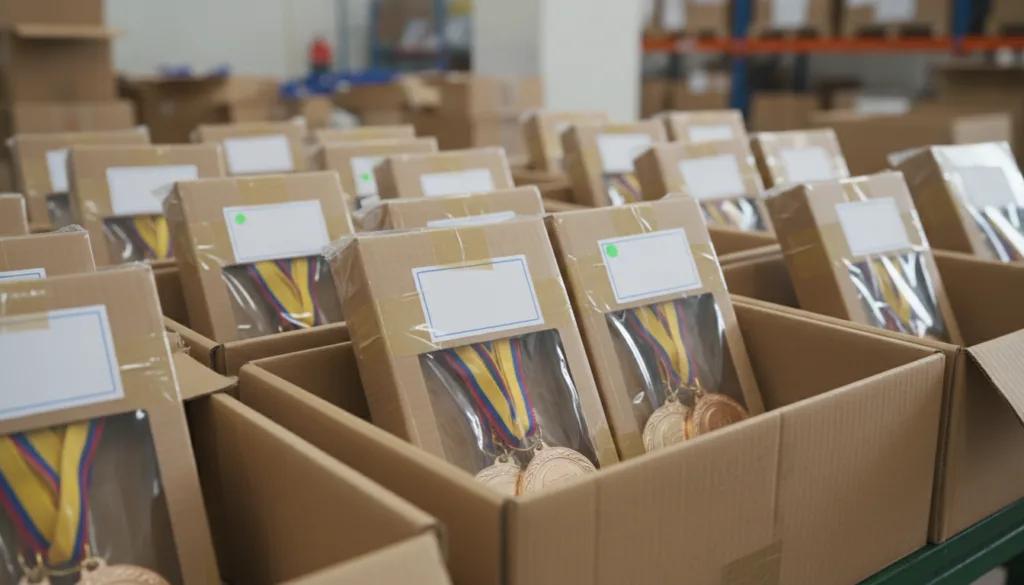
If you find medal production defects in your order, act quickly:
- Document issues with photos and samples.
- Contact your factory for root cause analysis and replacement strategy.
- Request traceability and inspection reports to understand faults.
- Set up preventative measures for future orders (e.g., revised AQL rate, process audits).
Reliable factories stand by their work and address problems proactively, minimizing downtime and brand risk.
Frequently Asked Questions
What causes color mismatch in medal manufacturing?
Color mismatch usually occurs due to flawed paint mixing, poor Pantone matching, or surface contamination before color filling, affecting visual consistency.
How do professional factories prevent bubbles in enamel fills?
Quality factories use vacuum degassing, slow filling, and precise curing to prevent bubbles, inspecting every batch for pits or sinkholes before shipping.
What steps ensure medals don’t have sharp edges?
Proper deburring, tumbling, and manual contour checks at each production stage guarantee smooth edges for safe handling and wear.
Why is plating thickness important for medals?
Correct plating thickness improves corrosion resistance, appearance, and durability; factories use XRF testers and salt-spray tests to verify every batch.
How do suppliers control ribbon or hanger security?
Well-made medals use strong crimping, welding, or magnetic mounting, with pull tests ensuring ribbons and hangers remain secure in tough conditions.
What should buyers do if they receive defective medals?
Buyers should take photos, report issues promptly, request inspection data, and work with their factory for a replacement or root cause resolution.