Understanding Aluminum vs Zinc Alloy Metal Products
Metal products come in many shapes, styles, and uses. Two materials often used in custom metal crafts are aluminum and zinc alloy. Knowing how they compare helps buyers choose the right material for medals, badges, nameplates, coins, and other decorative or functional items. This article gives a clear comparison of aluminum vs zinc alloy metal products, focusing on properties, processes, costs, and real-world results.
Material Properties: Strength, Weight, and Durability
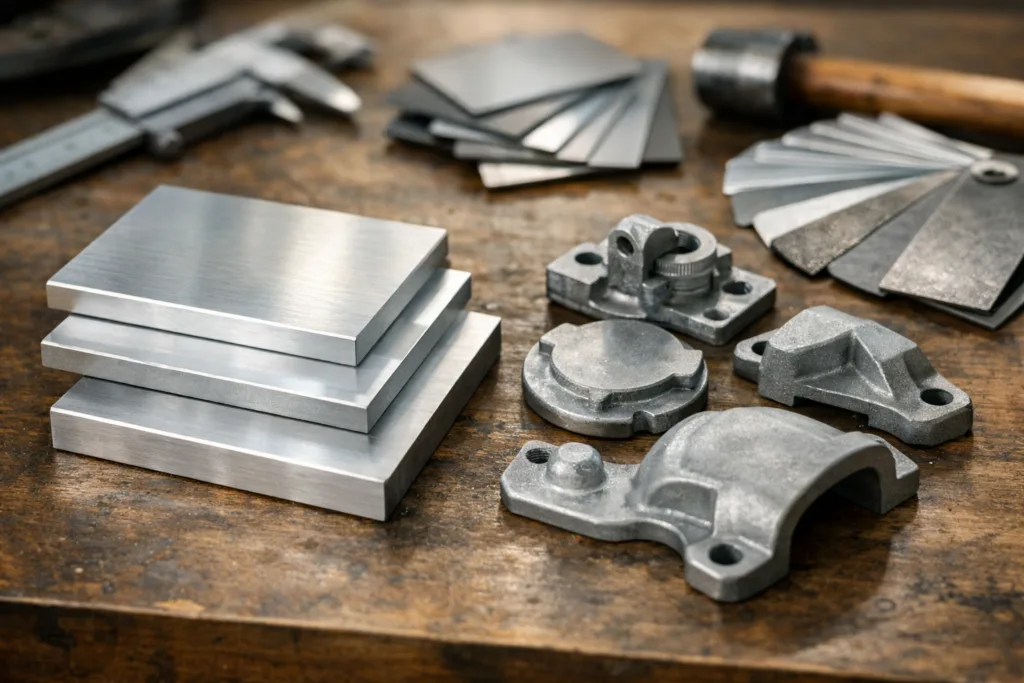
Aluminum and zinc alloy each have unique strengths. Aluminum is light yet strong, making it popular for applications where weight matters, such as aerospace, sports equipment, and luggage tags. Common industrial grades like 6061 and 5052 offer good corrosion resistance and can be anodized for extra surface hardness.
Zinc alloy is heavier, with a denser feel and better castability. It excels at capturing fine detail in die cast products such as coins, badges, belt buckles, and decorative crafts. Zinc alloys like Zamak 3 and Zamak 5 are even tougher, suitable for hardware and parts requiring impact resistance.
| Property | Aluminum (6061/5052) | Zinc Alloy (Zamak 3/5) |
|---|---|---|
| Density | 2.7 g/cm³ | 6.8 g/cm³ |
| Hardness (HV) | 60–95 | 80–120 |
| Corrosion Resistance | High (with anodizing) | Medium (with plating) |
| Detail Reproduction | Good (stamping, CNC) | Excellent (die casting) |
| Finish Options | Anodized, brushed, painted | Electroplated, painted, powder coated |
| Lead Time | Short (simple shapes) | Longer (complex casting) |
| Cost | Higher for precision work | Lower for bulk casting |
- Aluminum suits lightweight products: medals, keychains, and tech components.
- Zinc alloy fits detailed, solid-feel products: coins, buckles, branded badges.
Manufacturing Processes for Aluminum and Zinc Alloy
Processing methods influence the material’s look, performance, and cost. Aluminum parts are typically made by stamping, CNC milling, laser cutting, or pressing. Thicker grades (up to 6 mm) allow 2D and sculpted relief. Anodizing adds rich color and surface hardness (per ASTM D1730).
Zinc alloy parts use die casting for precise shapes and deep 3D relief. Spin casting suits small batches and fine ornamental detail. After casting, zinc products undergo deburring, shot blasting, and electroplating. Plating finishes (such as gold, nickel, antique brass) offer corrosion resistance (see ASTM B117 salt spray requirements).
- Aluminum: best for precise, flat or slightly raised designs (e.g., badges, nameplates).
- Zinc alloy: excels in complex, 3D relief (e.g., sports medals, military coins).
Design Flexibility and Finish Options
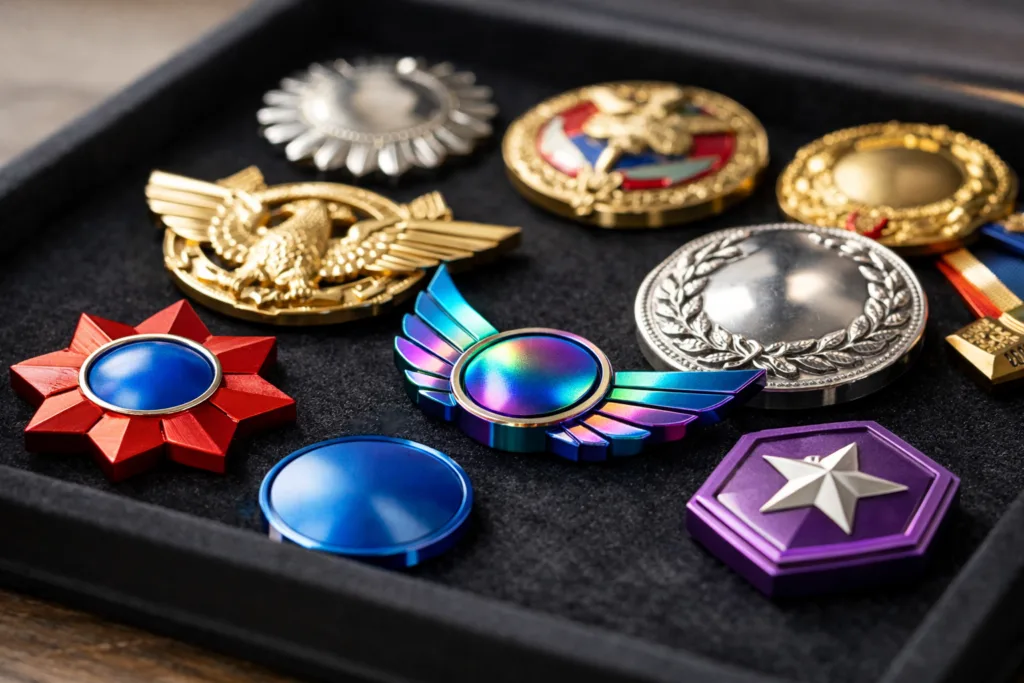
Branding, visual impact, and tactile feel often depend on finish choices. Aluminum products accept anodizing (a process that uses electricity to create hard, colored surfaces) available in matte, gloss, satin, or brushed textures. Vivid colors are possible, including deep blacks, reds, and blues (Pantone matching can be requested).
Zinc alloy products are usually electroplated, with options like bright gold, rose gold, gunmetal, chrome, and antique finishes. PVD and powder coating create durable coatings for high-touch items. Epoxy domes can add shine, while soft/hard enamel fills give contrast and depth.
- Aluminum: best for elegant color, satin surfaces, and scratch resistance.
- Zinc alloy: ideal for metallic shine, complex shapes, and tactile relief.
Cost Analysis and Lead Times
Cost factors include raw material price, mold/tooling charges, processing complexity, and finishing. Aluminum tends to cost more for high-precision, low-volume items because mold maintenance, CNC setup, and anodizing are labor-intensive. Zinc alloy die casting offers lower unit price for large runs due to streamlined mold cycling and fast casting.
Typical minimum order quantities (MOQ) for aluminum products range from 100 to 500 pieces, with lead times of 15–25 days. Zinc alloy MOQs are similar, but complex 3D mold setups may extend lead times to 25–35 days for custom products.
Case Study: Gairun’s Approach to Premium Medals
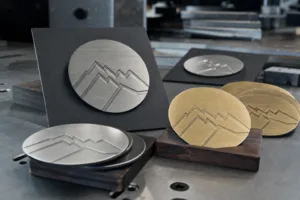
Gairun, a trusted metal products manufacturer, designs medals and branded coins using both materials as needed. For marathon medals, Gairun favors zinc alloy casting for deep relief, weight, and premium finishes. For corporate badges and lighter promo items, aluminum offers color flexibility and fast turnaround. Their experience highlights how material choice affects outcome, durability, and branding impact.
Compliance, Quality Control, and Safety
High standards keep products safe and consistent. Aluminum and zinc alloy items must pass tolerance checks, plating thickness testing (XRF, micrometer), adhesion tests (ASTM D3359), and salt spray corrosion assessments. For wearable goods, nickel release tests follow EN 1811 standards. Many products require RoHS/REACH compliance, and children’s items must comply with CPSIA/Prop 65 regulations in the US.
- Quality sampling: AQL (ANSI/ASQ Z1.4).
- Color difference checks: Delta E measurements.
- Surface inspection: up to 6x magnification for finish flaws.
Application Scenarios: Which Metal for Which Product?
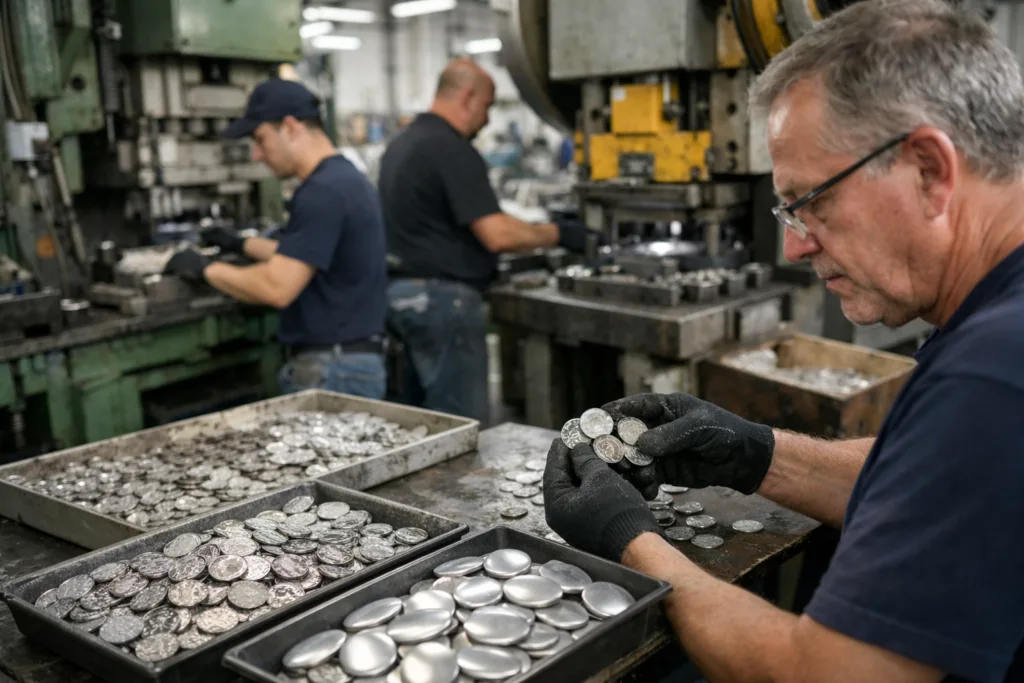
Choosing aluminum vs zinc alloy depends on use and buyer goals. Below are typical application scenarios for each material.
| Product Type | Aluminum | Zinc Alloy |
|---|---|---|
| Medals & Awards | Lightweight, anodized, flat relief | Heavy, 3D, plated, detailed relief |
| Badges & Labels | Color-rich, brushed, stamped | Metallic shine, cast shapes |
| Coins | Stamped, colored, light | Die cast, weighty, antique finish |
| Belt Buckles | Simple, custom cut | Thick, robust, ornamented |
| Hardware & Nameplates | Elegant, thin, corrosion-proof | Decorative, embossed, tough |
| Keychains & Accessories | Slim, lightweight, colorful | Substantial feel, 3D forms |
Summary Checklist for Buyers
- For detailed, heavy products: prefer zinc alloy.
- For sleek, colored items: choose aluminum.
- Check compliance requirements for your market.
- Ask about MOQ and lead time before ordering.
Expert Takeaway: For high-detail, premium-feel products, zinc alloy die casting leads. For lightness, color, and quick delivery, aluminum excels.
Aluminum vs Zinc Alloy Metal Products
This section focuses directly on how aluminum and zinc alloy match up for various metal products. In custom manufacturing, aluminum offers unmatched flexibility in shaping, color, and lightweight design. Zinc alloy, on the other hand, stands out for depth, detail, and solid presence.
The choice shapes everything from costs to branding impact. For example, event organizers needing medals with sharp branding and substantial weight often choose zinc alloy. Brands seeking sleek, modern badges that won’t add bulk usually favor aluminum. Gairun provides both, tailoring solutions for OEM and ODM customers according to each project’s needs and technical requirements.
How Material Choice Impacts Branding and Function
Metal products do more than serve a function—they represent brands in the marketplace. The feel, color, and finish send a message. Aluminum badges give a modern, high-tech look, making them popular with tech brands and automotive suppliers. Anodized color stays true and resists scratches. Zinc alloy, thanks to deep casting and heavy weight, gives medals and hardware a luxury appeal.
For furniture hardware and nameplates, zinc alloy is preferred for antique finishes and robust designs. Lightweight aluminum plates prove practical in high-wear public environments, where corrosion and weight matter.
Practical Tips for Sourcing Metal Products
Before placing an order, buyers should consider design, expected quantity, finish type, and compliance needs. Sampling is wise—request prototypes to check relief, color, and hardness. Reliable suppliers, such as Gairun, support buyers with design advice, finish options, and adherence to international standards.
- Discuss mold/tooling costs upfront.
- Specify finish thickness and type.
- Review lead time and logistics options.
- Request test reports for compliance.
Future Trends: Sustainability and Smart Design
Environmental responsibility is changing how aluminum and zinc alloys are used. Aluminum recycling rates are high, and many buyers seek products made with recycled content. Zinc alloys are also recyclable, and efficient die casting reduces energy waste. Manufacturers now offer eco-material options, low-VOC finishes, and green packaging. Smart design minimizes excess weight and material use, helping both the environment and the bottom line.
Growing demand for personalization drives more color options, multi-metal combinations, and innovative mounting systems. From sport medals to branding hardware, every choice matters for impact and sustainability.
Frequently Asked Questions
Which is more durable: aluminum or zinc alloy metal products?
Zinc alloy is more durable for impact and wear, while aluminum offers good corrosion resistance and lightweight strength.
Can aluminum and zinc alloy be used together in one product?
Yes, hybrid designs use aluminum for lightness and zinc alloy for detailed parts, combining both materials’ strengths.
What finish options are available for aluminum vs zinc alloy medals?
Aluminum supports anodizing for vibrant color, while zinc alloy offers many plating finishes like gold, nickel, and antique effects.
Which metal is better for outdoor use?
Aluminum is better for outdoor use due to its corrosion resistance; zinc alloy needs protective plating for harsh environments.
How do mold/tooling costs differ for each material?
Aluminum molds cost less for stamping or CNC work, while zinc alloy die-casting molds are higher but lower per-unit for large orders.
Are both metals compliant with international safety and quality standards?
Yes, both aluminum and zinc alloy products can meet standards like RoHS, REACH, and specific tests such as ASTM for quality assurance.