Introduction: Understanding Enamel Pins
Enamel pins have exploded in popularity, becoming staples of personal style, branding, and collectibles. But choosing between hard and soft enamel pins often confuses buyers and designers alike. This comprehensive guide, Hard vs. Soft Enamel Pins: The Definitive Comparison, breaks down every aspect of these pin types—from how they’re made, to how they look and perform in real-world settings. By the end, you’ll know which style fits your needs and why material, technique, and finish can make all the difference for gifting, marketing, or collecting metal crafts.
What Are Enamel Pins?
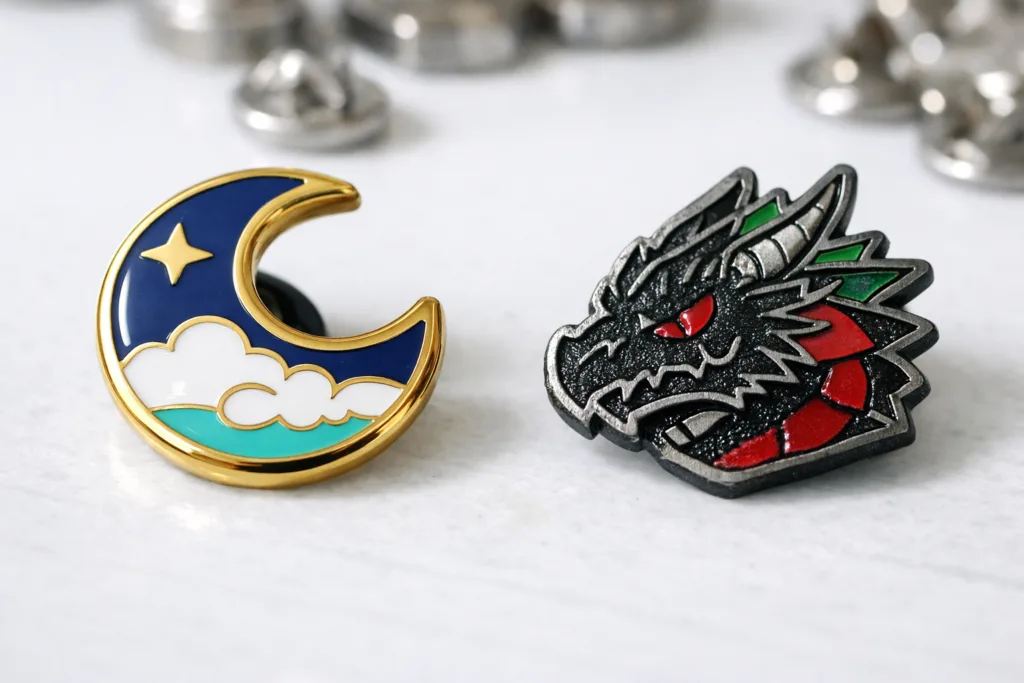
Enamel pins are small decorative badges crafted from metal and filled with colorful enamel paint. They’re cherished for their detail, durability, and endless creative possibilities. You’ll find them in fashion accessories, promotional giveaways, award medals, and more. For many, their appeal lies in their blend of art and engineering—something only well-made pins can deliver consistently.
Why the Hard vs. Soft Enamel Debate Matters
The hard enamel vs. soft enamel question shapes not only the look and feel of your final pin, but also its pricing, practicality, and perceived value. Choosing wisely can set your brand apart, make a personal gift more memorable, or ensure your pins last long-term in a collector’s case. Beneath the surface, subtle differences in production and finish reveal much about the result you can expect from each choice.
How Are Enamel Pins Made?
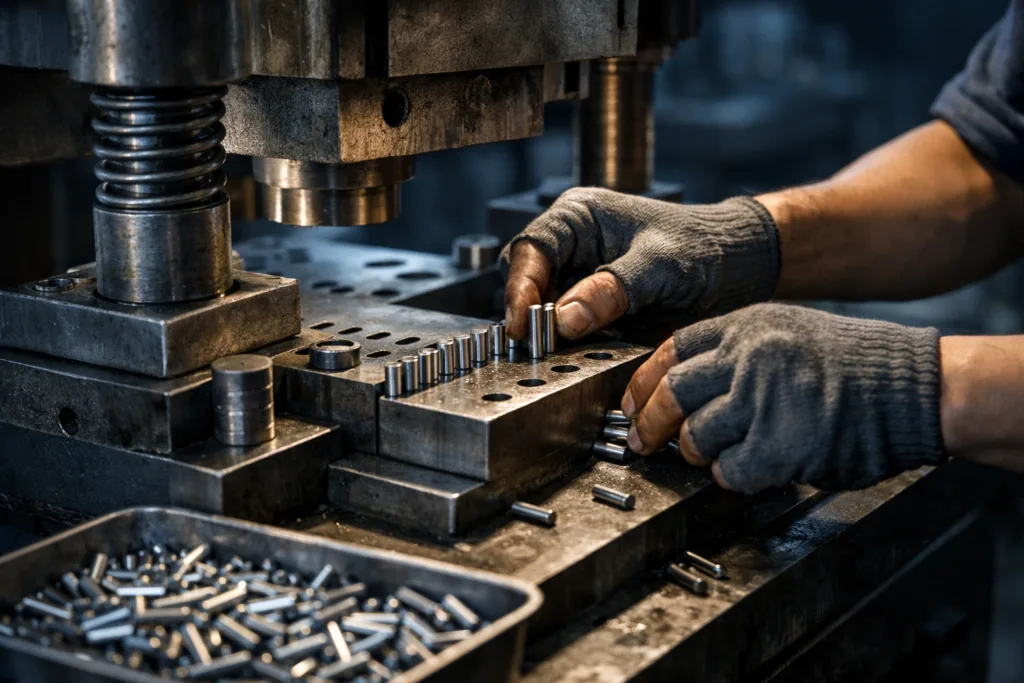
Both hard and soft enamel pins start from a base metal—often zinc alloy, copper, brass, or iron. The process involves stamping or die-casting the design into the metal surface, creating recessed (valley) and raised (ridge) areas. These valleys become reservoirs for colored enamel. The differences in filling, curing, grinding, and plating steps define the final texture, durability, and gloss of each pin type. For more insight into materials and molding technology, see Zinc Alloy in Metal Manufacturing.
What Is Hard Enamel?
Hard enamel pins (sometimes called cloisonné) use pigments that are filled, then repeatedly fired and polished flat until the enamel is flush with the metal lines. This process creates a glassy, ultra-durable surface with a smooth, premium feel. Hard enamel is prized for its lustrous finish and resistance to scratches and wear.
What Is Soft Enamel?
Soft enamel pins are filled with colored enamel in the recessed areas but are not polished down flat. The enamel sits slightly lower than the raised metal lines, creating a tactile, textured feel. The final pin has visible ridges that catch the light—a classic look for many collectors and brands. For detailed step-by-step soft enamel manufacturing, visit How Soft Enamel Medals Are Made in the Factory.
Comparison Table: Hard vs. Soft Enamel Pins
| Feature | Hard Enamel | Soft Enamel |
|---|---|---|
| Texture | Flat, polished smooth | Raised metal lines, textured valleys |
| Durability | Highly scratch-resistant | Moderate, can scratch if uncoated |
| Shine | High gloss, “mirror” finish | Semi-gloss (unless coated with epoxy) |
| Color Detail | Suited for solid colors, not gradients | Handles lines and fine color separation well |
| Cost | Slightly higher | Typically lower |
| Production Time | Longer due to polishing steps | Shorter, fewer processing steps |
Production Techniques Explained
Base Metal Choices
The choice of base metal affects not only appearance but the feel and longevity of your pin. Brass delivers crisp details for luxury pins. Zinc alloy, when used at high purity, provides smooth surfaces ideal for both hard and soft enamel. High-quality factories—like Gairun—choose material grades tailored to each job, ensuring that your chosen texture and finish are achievable, with minimal risk of plating defects or pitting. More on metals can be found at Common Metals Used in Custom Metal Products.
Die Stamping vs. Die Casting
Die stamping uses immense pressure to flatten a pattern into a metal sheet—best for hard, robust metals like copper or brass, often chosen for hard enamel or fine-detailed soft enamel. Die casting involves pouring molten alloy into a mold—ideal for pins with 3D effects or unusual shapes, commonly paired with soft enamel for its flexibility in form.
Surface Finish and Luster
One of the most obvious distinctions is the finish: Hard enamel pins are buffed until perfectly level, resulting in glass-like shine and sleek touch. Soft enamel pins, with their valleys and ridges, reflect light differently for a visually dynamic effect. Each is iconic in its way, and choice often depends on brand image or collector preference.
Durability: Which Lasts Longer?
Hard enamel is known for lasting ability. The multiple layers of firing and polishing create a finish that resists scratches, dings, and fading, even on keychains or bags. Soft enamel can be quite durable (especially if protected by an epoxy coating), but the surface texture is more prone to snags or minor scratches with rough handling.
Detail & Color Fidelity
Soft enamel excels at showing off fine line art and color separation due to its raised metal boundaries. Hard enamel delivers clean, bold color fields, but extremely fine or overlapping color zones may be lost in polishing. Gradients or photo-realism are generally best reserved for printed or special effect pins rather than classic enamel.
Cost Considerations
Soft enamel pins are typically more cost-effective, due to simpler production and less labor-intensive finishing. Hard enamel, with its multi-step firing and hand-polishing, incurs slightly higher costs but pays off for premium projects or when lasting aesthetics are a priority. For an in-depth guide on reducing manufacturing errors and cost overruns, see Common Design Mistakes in Metal Products.
Production Timelines
If you’re on a deadline, soft enamel pins may be completed faster. Each hard enamel pin requires repeated heating and careful polishing, which adds days to the process. For urgent events or large promotional runs, soft enamel often wins on turnaround time.
Aesthetics: Appearance and Style in Use
Consider the pin’s purpose: Hard enamel fits a luxury, clean, and professional look—often used by high-end brands for official merchandise or awards. Soft enamel plays well with playful, artistic, or indie themes, beloved by artists and crowdfunding campaigns for their hand-drawn appearance and tactile experience.
Wearability and User Comfort
Hard enamel’s smooth surface glides easily against fabric, making it less likely to catch on clothing or bags. Soft enamel’s textured lines give extra grip but may be felt if worn against lightweight fabrics. For sensitive skin or special use cases (like badges worn directly against the body), always confirm plating and metal purity standards as discussed in guides like Nickel-Free Plating for Sensitive Skin: A Guide for Badge Buyers.
Branding and Gifting Considerations
For luxury gifting, corporate awards, or premium branding, hard enamel’s finish often adds perceived value. Soft enamel, on the other hand, is ideal for creative campaigns, youth markets, and unique personalized gifts—making art more accessible without sacrificing charm. Take a look at creative applications in Express Your Style: Metal Cup Sleeves with Chains and Charms for Every Occasion.
Collector Value and Longevity
Collectors usually appreciate the tactile heritage of soft enamel, especially when the design leverages the 3D effect. However, for pins aimed at display pieces or official commemoratives, hard enamel’s durability and luster make it the preferred choice. Many long-standing collections include both, prized for their unique contributions to metal pin history.
Which to Choose for Your Project?
Consider: Purpose & Frequency of Use
- Everyday wear/accessories: Choose hard enamel for smoothness and longevity.
- Artistic, collectible, or limited-run events: Soft enamel provides standout “feel” and cost efficiency.
- Corporate or high-value gifts: Favor hard enamel for perceived quality.
- Fast, low-budget promotional needs: Soft enamel is practical and good-looking.
Projected Budget and Quantity
Small runs or prototypes usually start with soft enamel. For large orders—especially where brand reputation is on the line—the investment in hard enamel pays off in consistency and shelf appeal.
Practical Examples and Use Cases
- Fashion brands choose hard enamel for logo pins attached to denim or jackets, ensuring years of style and zero snags.
- Sports teams often use soft enamel for events—like race medals or commemorative pins—leveraging color detail and quicker turnaround. For more tips, read Sports Medals Customization Guide.
- Artists launch limited editions with soft enamel to maximize variety and respond flexibly to fan feedback.
- Luxury packaging (perfume caps, jewelry boxes) benefits from hard enamel in branding elements, where tactile smoothness signals quality. Learn more at 7 Inspiring Ways Customizing Caps with Leather, Wood, or Stone Transforms Your Perfume Packaging.
Tips for Selecting the Right Pin
- Review your brand image: Are you projecting prestige or playful creativity?
- Sample physical pins if possible—touch and finish can be very subjective.
- Always request high-resolution artwork and confirm compatibility with your chosen style.
- Check your manufacturer’s track record across both types. Top suppliers invest in mold precision, quality control, and finishing benchmarks to ensure every batch matches your expectations. For a behind-the-scenes look at manufacturing rigor, How Custom Metal Products Are Made illustrates the process in detail.
Common Pitfalls to Avoid
- Assume all metal and enamel are created equal; low-grade materials can cause chipping or color fading.
- Skip plating samples—bad plating ruins both types. Learn about finish options at Electroplating Options for Custom Medals.
- Neglect artwork revisions—tiny details lost in production are hard to recover later. Pin design guidance is available at Preparing Artwork for Metal Manufacturing.
Expert Insights: The Gairun Approach
For high-purity jobs, Gairun uses virgin Zamac 3 or jewelry-grade brass to guarantee surface integrity—something crucial for both hard and soft enamel. Our engineering teams balance CNC mold precision and careful hand-polishing, especially for hard enamel, to ensure branding details pop and every pin meets strict taste, tactility, and weight standards. This sort of rigor may add time, but results in consistently excellent pins—whether destined for gifting, resale, or world-stage brand use.
Environmental and Safety Considerations
Always check that your manufacturer complies with lead-free and nickel-free standards, especially if pins are worn close to the skin or given to children. High-quality enamel and metal should not only look appealing, but also pass basic health and safety benchmarks. Explore more about sustainable materials at Lead-Free and Eco-Friendly Materials for Metal Medals and Badges.
Hard vs. Soft Enamel Pins: The Definitive Comparison
The decision between hard and soft enamel pins ultimately comes down to your specific goals. Hard enamel brings resilience, a flat luxurious finish, and subtle design limitations. Soft enamel offers dynamic texture, rapid production, and creative flexibility—often at a lower cost. Mixing both styles in your lineup can open up fresh display or gifting opportunities for fans and clients alike.
Conclusion
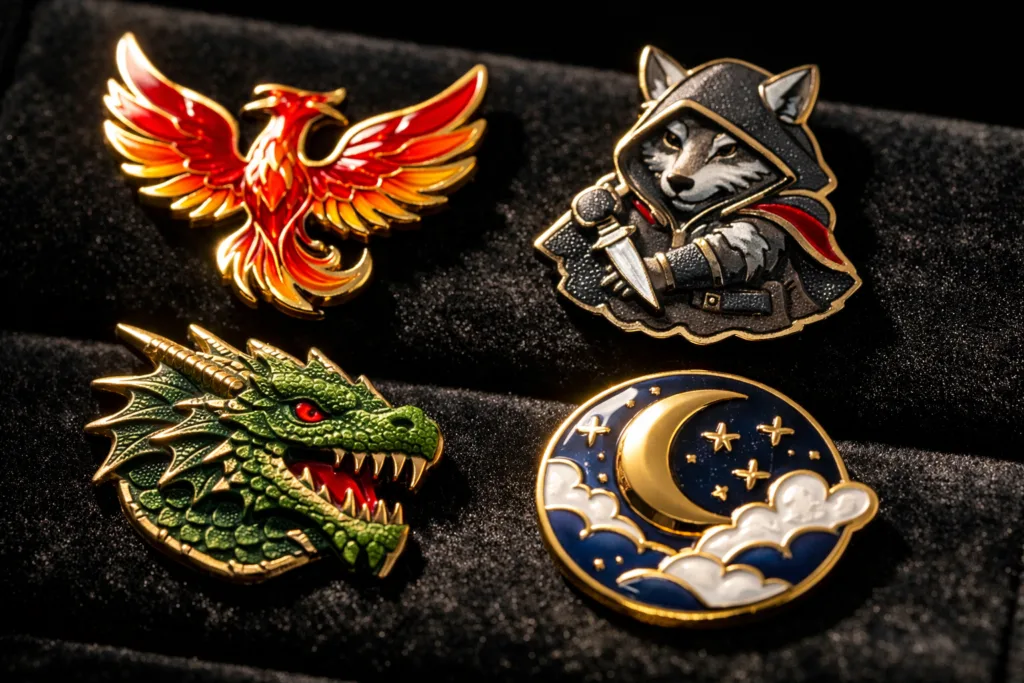
Both hard and soft enamel pins excel in different areas: Hard enamel suits projects calling for polish and lasting impact, while soft enamel shines where tactile charm and visual creativity matter most. The best choice balances your project’s goals, audience, and desired feel. Opt for proven material quality, careful finishing, and factory expertise to get the best out of either approach. Whether you’re designing the next big collector’s series, crafting a memorable corporate gift, or building your brand, understanding these nuances gives you the edge.
Frequently Asked Questions
Which type of enamel pin is more durable?
Hard enamel pins generally offer greater durability than soft enamel, thanks to a level glassy finish that resists scratches and wear over time.
Are soft enamel pins more affordable than hard enamel?
Yes, soft enamel pins typically cost less due to simpler processing and less labor, making them ideal for large events or creative campaigns.
Can soft enamel pins be coated for extra protection?
Absolutely. Applying an epoxy dome extends their lifespan, protects colors, and gives a uniform semi-gloss finish, though the feel becomes smooth like hard enamel.
Do both types use the same metals?
They can, but high-end projects often select premium alloys to enhance surface detail and longevity. Discuss base metal options with your manufacturer for best results.
How do I choose the best style for my purpose?
Think about the design, usage frequency, audience, and desired feel. Hard enamel fits luxury and gifts, while soft enamel is preferred for art and cost-effective promotions.
Is one type better for small text or tiny details?
Soft enamel is often better at preserving raised lines and fine detail, but advanced mold tech can help hard enamel achieve sharpness too—just review samples beforehand.
Related Reading
- How Soft Enamel Medals Are Manufactured: A Detailed Factory Walkthrough
- Avoiding Design Mistakes in Your Metal Product Projects
- Designer’s Guide: Preparing Flawless Artwork for Metal Manufacturing
- Sensitive Skin? How to Order Nickel-Free and Skin-Safe Badges
- The Ultimate Guide to Customizing Sports Medals for Teams and Events