Introduction to Ribbon Customization: Sublimation vs. Screen Print
Ribbon customization has become a key part of presenting medals, awards, and branded packaging for sports events and luxury products alike. Selecting the right method—sublimation or screen print—can impact durability, color vibrancy, and overall presentation. This article dives deep into both techniques, comparing each from cost to performance, with insights for choosing the best fit for your event or product.
Understanding Ribbon Customization
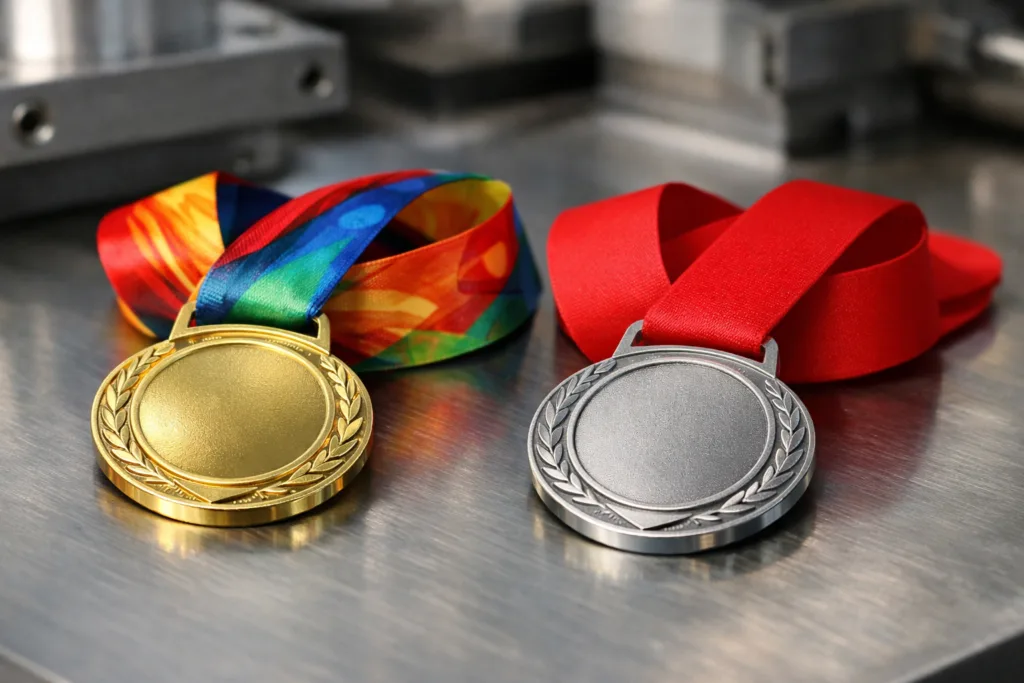
Ribbon customization refers to the process of applying unique designs, logos, or patterns onto ribbons. Whether for sports medals, fashion accessories, or custom packaging, the chosen technique plays a crucial role in how your product stands out.
Why Custom Ribbons Matter for Metal Products and Awards
Custom ribbons are not just decorative—they frame the achievement itself. A beautifully printed ribbon elevates the perceived value of a medal or branded accessory, turning simple metal products into cherished keepsakes. When paired with common metals used in custom metal products, the right ribbon finish can truly make the difference.
What Is Sublimation Printing?
Sublimation printing is a digital technique that uses heat to transfer dye onto polyester ribbons. The ink becomes part of the fabric, producing vivid, detailed images.
How Sublimation Works on Ribbons
The process involves printing the desired artwork onto transfer paper, then pressing it onto the ribbon using high heat. This turns the ink into gas, which infuses directly into the ribbon fibers.
What Is Screen Printing?
Screen printing uses stencils to apply ink onto ribbons in layers. It’s well-known for solid, sharp logos and text and is suited to high-volume production.
Screen Printing Methods for Custom Ribbons
Each color requires a separate stencil. Ink is pushed through a mesh screen onto the ribbon, creating bold designs—ideal for logos and straightforward text.
Sublimation vs. Screen Print: Quick Comparison Table
| Feature | Sublimation | Screen Print |
|---|---|---|
| Color Vibrancy | Full-color, photo realism | Solid colors, bold logos |
| Durability | Ink is embedded—very long lasting | Surface ink—prone to fading or cracking |
| Complexity | Unlimited colors, gradients | Limited color per design |
| Cost | Higher per unit, better for short runs | Economical for large volumes |
| Material | Polyester mandatory | Works on various textiles |
Evaluating Color Vibrancy in Custom Ribbon Printing
Sublimation delivers intense, full-spectrum colors, making it the top choice for photographic or gradient effects. Screen print excels at punchy, single-color designs—perfect for logos on sports medals or packaging accessories.
Applications in Sports Medal Accessories
For marathon medals, where visual impact matters, sublimation-ribbons can match the bright plating colors and intricate logos found on award medals. See more on popular plating colors for custom pins for coordination inspiration.
Durability: Which Printed Ribbon Lasts Longer?
Because sublimation dyes bond with the ribbon material, the designs resist fading from washing or UV exposure. In contrast, screen printed ink sits atop the ribbon, and may wear away over time—especially on items handled often, like sports medals.
Cost-Effectiveness: Sublimation vs. Screen Print for Events
Sublimation’s setup is quick and adaptable, but the per-unit cost climbs for large orders. Screen printing requires more upfront labor (setting up screens), but costs drop for comprehensive runs, making it the favorite for mass-event ribbons.
Budget Considerations for Medal Events
If you’re organizing a small custom event or seeking unique color effects, sublimation promises top-notch quality. For larger marathons, mass-printed school awards, or corporate giveaways, screen print offers serious savings.
Choosing the Right Ribbon Customization Method
The choice between sublimation and screen printing depends on your needs:
- Complex, full-color artwork? Sublimation wins.
- Bold logos, lots of items? Screen print is smarter.
- Polyester ribbons? Required for sublimation.
- Multiple fabric types? Screen print fits.
Ribbon Customization: Sublimation vs. Screen Print
Ribbon customization, whether by sublimation or screen print, elevates every metal award or branded packaging. Sublimation is ideal when design complexity and durability matter most. For high-volume uniformity and strong logo presence, screen printing takes the lead.
Tips for Selecting Ribbon Customization for Medals and Awards
- Confirm ribbon material—polyester supports sublimation, others need screen print.
- Review artwork: Gradients, photos, or intricate designs favor sublimation.
- Estimate quantity: Small, unique batches are best with sublimation; high-volume with screen print.
- Decide on handling frequency—choose sublimation for heavy use ribbons (sports medals, wearable awards).
- Consider environmental conditions for longevity (outdoor events, long-term display).
Enhancing Metal Products Presentation with Custom Ribbons
The right custom ribbon gives any metal product—from sports medals to luxury packaging—a finished, professional look. For instance, pairing sublimated gradients with packaging accessories can create stunning sets for branded gifts.
Material Integrity: Why Ribbon Quality Matters
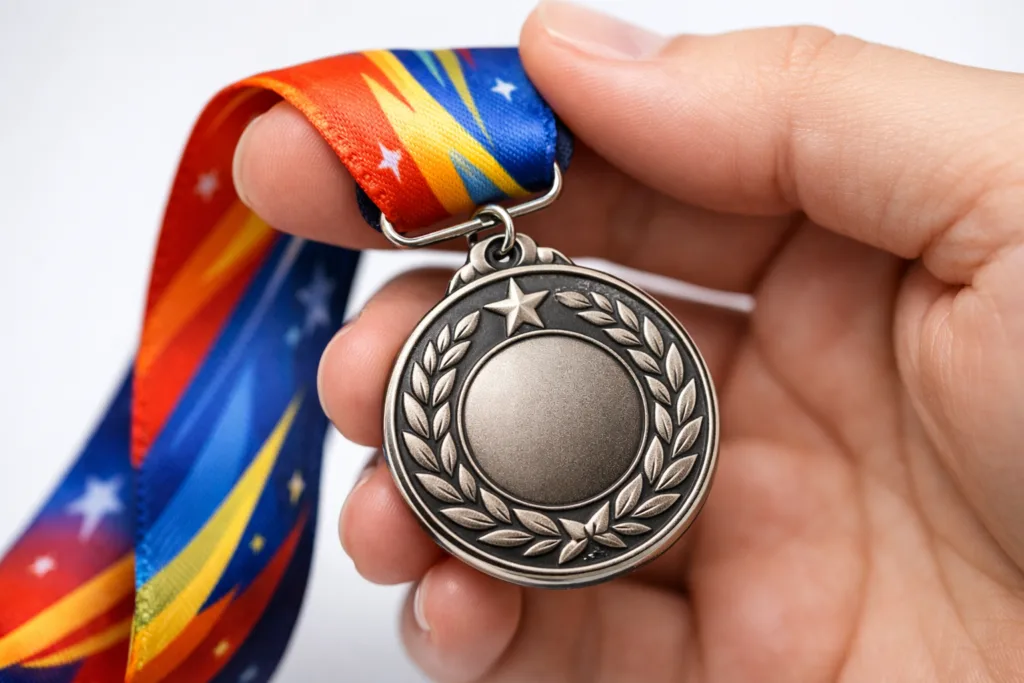
Top ribbon manufacturers, like Gairun, advise starting with pure polyester for sublimation and high-grade woven textiles for screen print. Quality materials ensure dye absorption, crisp edges, and tactile balance—reinforcing the product’s premium feel.
Matching Ribbon Customization with Medal Assembly
The marriage between ribbon and medal hardware demands precision. Ribbon thickness must suit the attachment style, while the print needs to complement the finish—whether mirror-polished, rack-plated, or matte coated. Consult resources on medal ribbon assembly for tips on achieving perfect harmony.
Design Feasibility: Artwork Preparation for Ribbon Printing
Sublimation offers nearly limitless colors, but art files need to be high-resolution (300dpi or more). Screen print designs require vector art for crisp edges and proper separation of colors. More on prepping files—especially for intricate medal designs—can be found in guides to artwork preparation.
Packing and Display Tips for Customized Ribbon Medals
- Use velvet boxes or clear windows to showcase vibrant ribbons and luxe metals.
- Back medals with stiff cards for retail display.
- Organize by event or color for instant visual impact.
Common Pitfalls in Ribbon Customization
Poor material choices lead to blurry prints or ink bleeding. Rushing artwork review risks color mismatches. Low-quality inks may crack or fade. Always partner with experienced manufacturers (and check guides like common design mistakes in metal products for advice).
Quality Control for Custom Ribbons and Metal Awards
Leading ribbon and medal manufacturers conduct dye migration tests, pull strength trials, and wash resistance assessments. Gairun, for example, applies strict standards, rejecting any ribbon with distortion or inconsistent print, ensuring every award looks perfect on event day.
Metal Product Compatibility: Pairing Ribbons and Attachments
Whether you need a classic D-ring, sewn loop, or hook attachment, ensure the ribbon’s thickness and print won’t impact the medal assembly. Custom ribbons should fit seamlessly into your overall product design plan.
Environmental and Sustainability Considerations
Sublimation uses less water and offers recycling options for polyester. Screen print, especially with eco-friendly inks, remains a responsible choice for event organizers seeking green solutions.
Future Trends in Ribbon Customization for Awards
Expect more metallic effects, hybrid print techniques, and sustainable materials—especially for luxury and sports events. Integrated RFID tags and QR codes are also on the rise for tracking and interactivity in custom medals.
Conclusion
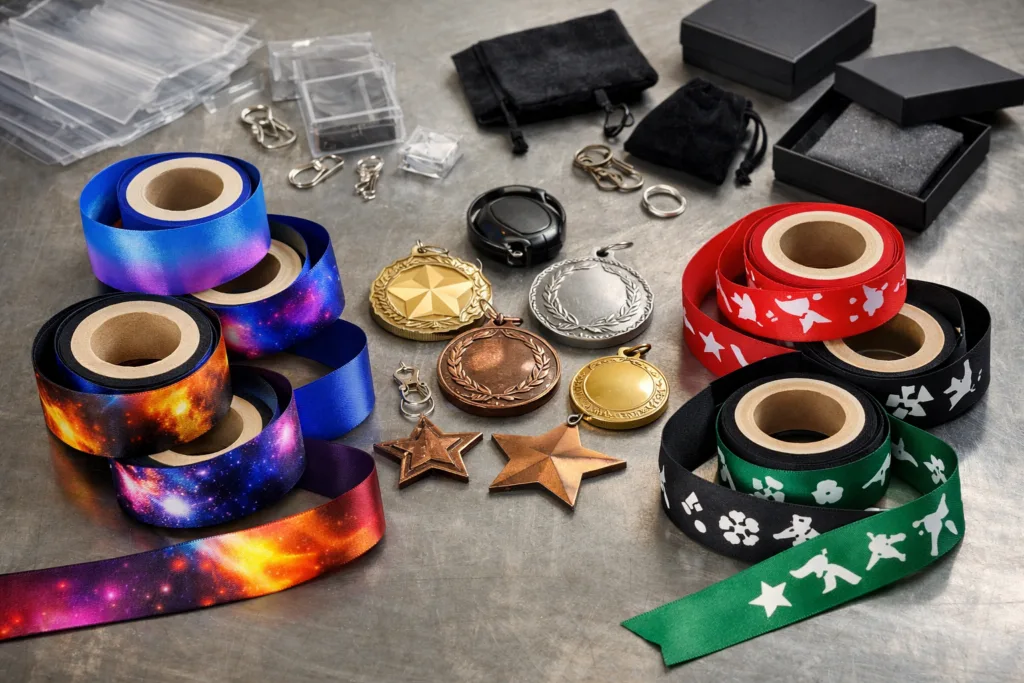
Both sublimation and screen print bring strong advantages to ribbon customization. Your choice depends on design complexity, ribbon material, target volume, and event needs. High-quality custom ribbons don’t just decorate—they define the experience, transforming simple metal products into icons of achievement.
Frequently Asked Questions
Which ribbon customization method lasts longer?
Sublimation ribbons typically last longer because the dye is embedded within the fabric, resisting fading and wear more effectively than screen print.
Can sublimation print on cotton ribbons?
No, sublimation only works on polyester or similar synthetic materials. For cotton ribbons, use screen printing or transfer methods.
Does screen printing limit design complexity?
Yes. Screen printing handles single-color logos and text best. Complex, multi-color artwork is better suited for sublimation.
How do I match ribbons to my medal design?
Choose ribbon colors and customization to complement medal plating and finish. Consider texture and attachment style for best compatibility.
Are custom ribbons eco-friendly?
Sublimated polyester ribbons can be recycled, and eco-friendly inks for screen printing reduce environmental impact. Choose suppliers who prioritize sustainability.
What affects the cost of custom ribbons most?
Artwork complexity, material type, and order volume are major factors. Sublimation costs more per unit, while screen printing is cost-effective for bulk quantities.