Introduction: The Rise of Interlocking Puzzle Medals in Series Events
Interlocking puzzle medals are transforming the landscape of series-based athletic events. Unlike traditional standalone awards, these innovative medals are designed to fit together, rewarding not just singular achievement but dedication, camaraderie, and the art of completion. As athletes strive to collect each piece, the experience goes beyond the finish line—it becomes a journey with a visual and tangible payoff. This article explores everything you need to know about creating interlocking puzzle medals for series, from smart design strategies to the emotional power these medals wield, giving your event a memorable edge that inspires greater participation year after year.
What Are Interlocking Puzzle Medals for Series?
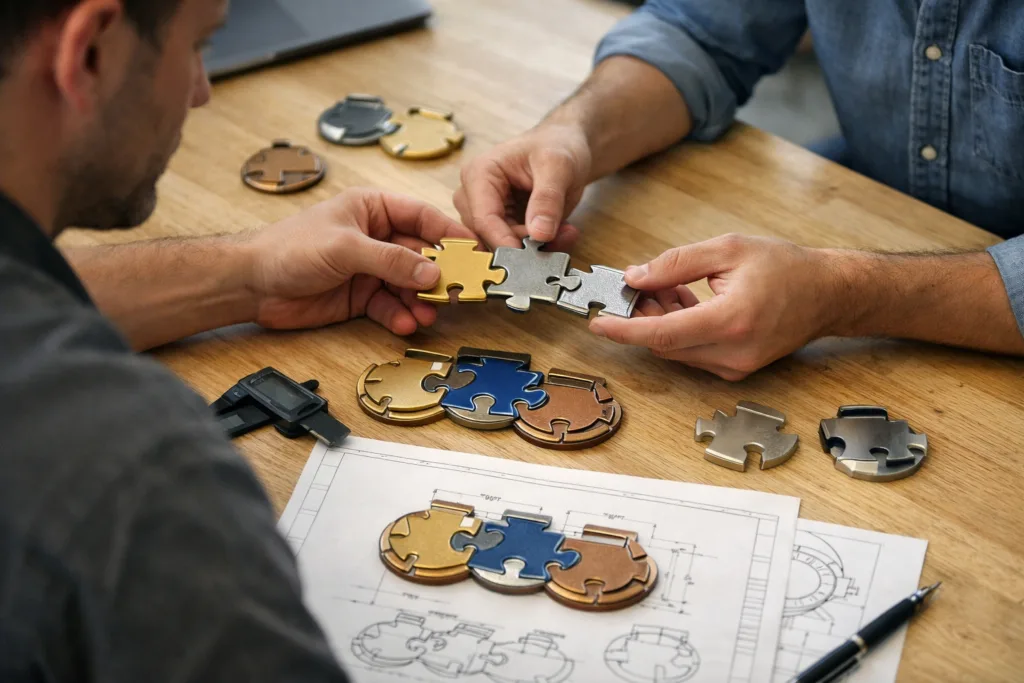
Interlocking puzzle medals for series are a set of individual medals designed so that each one connects—physically and visually—with others awarded throughout a multi-event series. When participants complete an event, they receive a piece of the overall puzzle. By the conclusion of the series, participants that have attended each event can assemble their medals into a singular, impressive display, often revealing a larger design, mascot, quote, or symbol meaningful to the event’s community.
Why Series Events Choose Interlocking Designs
The allure of completing a larger image or sculpture by participating across several events greatly increases motivation and retention. Athletes and collectors love the gamified experience—each event is not just a challenge but a step toward completing something greater. This approach cultivates loyalty, fosters friendly competition, and feeds into the emotional reward system, keeping runners and enthusiasts coming back for the full series.
The Dual Power of Aesthetics and Functionality
Successful interlocking puzzle medals strike a careful balance between visual appeal and functional integration. The design must be attractive both as a stand-alone medal and as part of the completed set. Ingenious use of shapes, cutouts, and magnetic or clip-style joints creates a seamless look while ensuring that the pieces stay securely interlocked on display. Hidden magnets and precision-cut edges are common engineering solutions in high-end series medals, where the fit and finish need to reflect the prestige of the event.
Materials: What Works Best for Puzzle Medals?
Material choice is critical to both the look and feel of interlocking puzzle medals. Common options include zinc alloy (for its detail and weight), brass (for a premium finish), and iron (for cost-sensitive projects). Designers often apply enamel fills, imitation gold plating, or silk-screened layers for intricate visuals. For guidance on material feel and impact, consider resources like the Iron vs. Zinc Alloy Medals comparison, which weighs the pros and cons of each base metal.
Precision Engineering: Ensuring the Perfect Fit
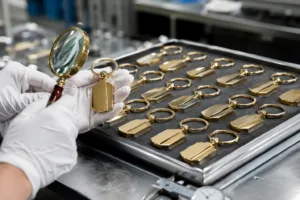
One of the trickiest elements in creating interlocking puzzle medals for series is engineering the interlocking mechanism itself. Tolerances must be tight—if medals are even slightly miscast, they won’t fit together. Reliable manufacturers use high-precision CNC mold engraving and careful post-casting checks to guarantee a snap-fit every time. The effort pays off with a satisfying click as pieces unite, reflecting a higher standard that participants notice and appreciate.
Designing the Perfect Interlock: Techniques and Strategies
From classic jigsaw edges to seamless geometric shapes, interlocking designs can take many forms. Key steps include:
- Drafting the full, combined image first
- Segmenting into equal or meaningful portions (by event or distance)
- Testing 3D models for both standalone and assembled visual appeal
- Adding numbering or event markers subtly into each piece
Many organizers also experiment with interactive or kinetic elements, such as a spinning center piece—a trend explored in the Spinning Medals Design Guide.
Popular Themes for Series Puzzle Medals
Common motifs for interlocking puzzle medals include city skylines, race mascots, local wildlife, famous landmarks, or even inspirational slogans revealed only when the puzzle is complete. Fantasy, nature, and cultural stories are often woven into the designs, increasing local pride and engagement. Anniversary editions may add an extra corner piece, making each year’s collection unique.
Customization Options: Ribbons, Plating, and More
Ribbon customization offers the chance to tie each medal’s color or pattern to the specific event. Techniques like sublimation printing allow high detail and fading effects; screen printing is preferred for durability. For comparison and longevity insights, explore Ribbon Customization: Sublimation vs. Screen Print.
Plating options (antique, gold, silver, black nickel, rose gold) elevate the visual cohesion of the whole puzzle compared to single-finish sets. Enamel colors or glitter can be coordinated across the set as well.
Magnetic, Snap-Fit, or Hook: Types of Puzzle Connections
There are three main methods to ensure puzzle medals connect securely:
- Magnetic – Hidden magnets provide a satisfying click and an almost-invisible seam.
- Snap-Fit – Classic jigsaw or slot-tabs that press together for a tactile snap.
- Hook-and-Loop – Small integrated hooks or rings, especially common with circular or multi-row puzzles.
Each method has its engineering quirks and costs, so choose based on your theme and display goals.
Achieving Exceptional Surface Detail in Puzzle Medals
For a series medal to impress up close and from a distance, its surface detail needs to stand out. This requires precise mold engineering and, frequently, finishing steps like hand-polishing prior to plating. Gairun, for example, uses jewelry-grade finishing to ensure every relief or inscription remains crisp even after repeated handling and multiple assembly cycles—essential for long-lasting collectible appeal.
The Manufacturing Process: Turning Concepts into Collectibles
From artwork to actual medals, the process involves:
- Initial artwork submission and digital proofing (combining all puzzle pieces in a unified digital mockup)
- Mold carving (often by CNC or EDM)
- Test casting and fitment checks
- Finishing steps—polishing, plating, coloring, and enamel work
- Quality checks for each edge and interlock tab
- Individual and set packaging for shipping
For a full exploration of crafting medals, see How Award Medals Are Manufactured.
Puzzle Medals and Emotional Impact on Participants
Earning a puzzle medal carries a sense of progress and completion. Each piece is a milestone, and finishing the set is a tangible reward for perseverance. Displaying the completed puzzle at home or work is a source of pride and conversation, promoting the event long after it concludes. It’s the difference between a souvenir and a trophy—the assembled medal tells a story of commitment, teamwork, and memories shared.
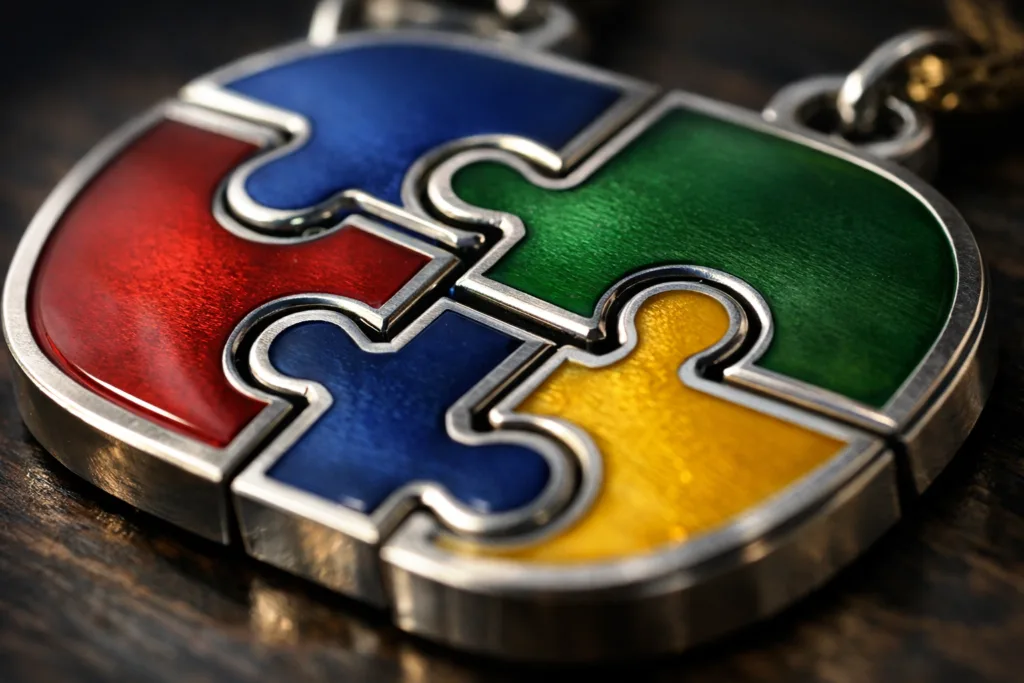
Tips for Promoting Participation Using Puzzle Medals
Here are some effective tactics for boosting event registrations and repeat participation:
- Preview the final combined design in marketing materials
- Offer series registration discounts with a bonus “centerpiece” medal
- Feature participant stories and completed puzzles on social media
- Host community puzzle assembly celebrations post-series
Packaging Ideas: How to Unbox the Wow Factor
How a medal is presented matters as much as the medal itself. Puzzle medals can be encased in special trays, velvet boxes, or custom die-cut foam for protection and display. Consider referencing Virtual Race Medal Shipping & Packaging Tips for ways to ensure each puzzle piece arrives looking flawless and elevates the recipient’s unboxing experience.
Caring for and Displaying Puzzle Medals
Ensuring puzzle medals stay pristine calls for thoughtful display and maintenance choices. Wall-mounted frames with pre-cut slots, magnetic plates, or acrylic shadow boxes can highlight the full set and are sometimes offered as optional extras by event organizers. For maximum collector appeal, read Brilliantly Display and Package Enamel Pins, as many principles carry over to complex medals.
Design Mistakes to Avoid in Interlocking Medals
Common pitfalls include:
- Overcrowding visuals—detail can be lost at small sizes
- Poorly designed joints—too tight or too loose connections reduce enjoyment
- Insufficient testing for mirror-image fit (especially on double-sided medals)
- Ignoring collector input—community feedback can prevent costly missteps
Learning from these errors early spares you headaches in production and reputation management. The Common Design Mistakes in Metal Products guide further unpacks avoidable errors and practical tips.
Choosing the Optimal Medal Shape
The shape of each medal piece can greatly affect both aesthetics and ability to interlock. Rounded edges resist breakage, while varying depths can add visual interest but need special consideration in the engineering phase. Consider rectangular, hexagonal, or fully custom-shaped pieces to fit your theme and branding goals.
Color Consistency Across Series Medals
Maintaining shade and hue across medals produced months apart challenges many organizers. Consistent color codes, using Pantone references, and single-batch enamel fills help avoid mismatched pieces. Work closely with your medal manufacturer and insist on pre-production color checks for every new event in your series.
Budgeting and Cost Considerations
Puzzle medals, due to their complexity, may cost slightly more per-piece out of the box compared to standard medals. However, bulk ordering for a full series and sharing common design elements (such as the event logo, jointing system, or plating) helps control costs. Avoiding overly complex mechanical joints can also keep pricing in check without sacrificing the puzzle effect.
Examples of Successful Series Using Puzzle Medals
From large city marathon series to themed fun run circuits, successful organizers often showcase the completed medal set in advance. Some even offer bonus pieces to participants who complete “secondary challenges,” increasing event engagement and community buzz. Annual events sometimes evolve their puzzle themes, using fan-submitted designs for a personal touch.
Gairun’s Approach to Premium Puzzle Medals
For organizers that demand the highest quality, Gairun employs strict sourcing of virgin zinc and brass, advanced CNC-milled molds, and jewelry-grade polis hing before multi-stage rack plating. Each project undergoes rigorous QC, including hand-checks for every puzzle connection and 48-hour salt spray testing for color durability. This premium approach minimizes flaws and ensures every puzzle medal fits and shines perfectly year after year, justifying its place in the most discerning collections.
Innovations on the Horizon for Interlocking Medals
Looking ahead, event organizers can expect even more creative approaches—such as embedded NFC chips for digital rewards, glow-in-the-dark finishes, or mixed-metal designs to highlight different event milestones. As technology and materials advance, puzzle medals will become even more interactive, offering a “living” memento that grows alongside the event series itself.
Creating Interlocking Puzzle Medals for Series
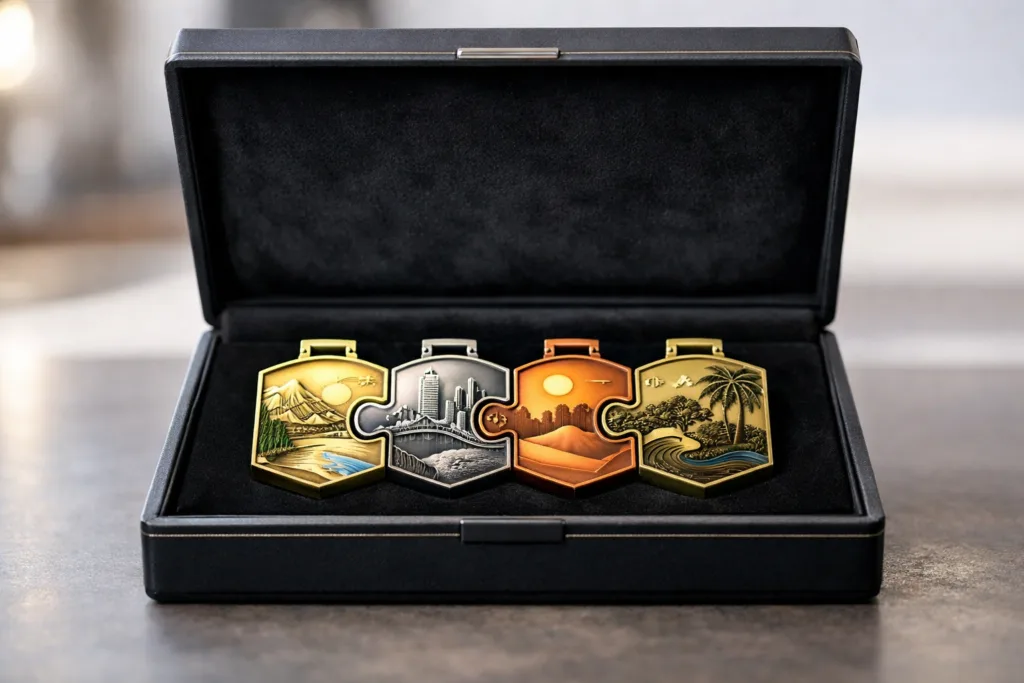
Embracing the concept of interlocking puzzle medals for series events not only elevates the prestige of athletic competitions but also strengthens community bonds and participant motivation. Every design choice, from materials to the locking mechanism, impacts the story your event tells—today and in the memories it leaves with each athlete.
Frequently Asked Questions
What are the main benefits of puzzle medals for series events?
Puzzle medals drive repeat participation, enhance engagement, and create lasting memories by encouraging athletes to complete entire event series for a collectible set.
Which materials are most suitable for interlocking medals?
Zinc alloy offers a balance of detail and strength, while brass adds a premium feel. Iron is more cost-effective but may limit design intricacy.
How are interlocking medals kept secure when assembled?
Designers use hidden magnets, snap-fit joints, or hook-and-loop connections to keep puzzle medals securely locked once assembled, balancing strength and ease of use.
Can medal designs be customized for each event in a series?
Absolutely! Each medal can feature unique artwork, colors, or symbols while fitting cohesively into the larger assembled puzzle design.
What factors should be considered when choosing a manufacturer for puzzle medals?
Look for manufacturers with proven expertise in precision mold-making, consistent finishing, and strict quality control to ensure all medals fit and look as intended.
How can I ensure color consistency across all medals?
Use standardized Pantone codes, require pre-production samples for approval, and coordinate production schedules to reduce batch-to-batch color variations.
Related Reading
- 12 Pro Tips for Spinning and Interactive Medals
- Choosing Between Iron and Zinc Alloy: Medal Weight & Feel
- The Ultimate Ribbon Customization Showdown
- Winning Medal Packaging Strategies for Memorable Unboxing
- Avoid Costly Design Mistakes in Metal Awards
- Stunning Display Solutions for Medal & Pin Collectors