Introduction: Designing Military Unit Coins—Do’s and Don’ts
Designing military unit coins is an art of honor, symbolism, and creativity. These challenge coins are more than beautiful pieces—they capture the spirit, achievement, and identity of military units. In this guide, we’ll reveal the essential do’s and don’ts that every designer should know. By combining best practices with practical insights, you’ll learn how to create military coins that celebrate tradition while strengthening team spirit.
Understanding Military Coins: Purpose and Symbolism
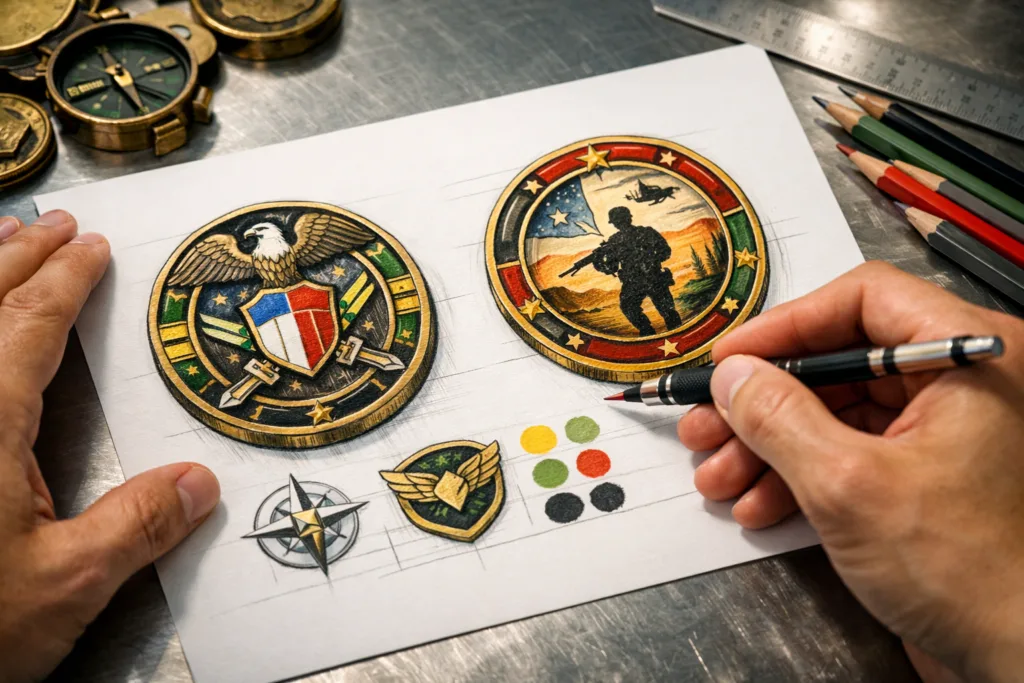
Military coins serve as tokens of camaraderie, recognition, and pride. Their roots lie deep in military tradition, offering each member a tangible sign of belonging. The design must honor this heritage—representing core values, service, and the unique identity of each unit.
The Role of Design Principles in Military Coins
Designing unit coins isn’t just about looks. Principles like clarity, balance, and meaningful symbolism drive effective designs. These coins should be instantly recognizable, easy to understand, and carry a legacy in every detail.
Essential Do’s of Military Coin Design
Prioritize Unit Identity
Always reflect the unique DNA of the unit. Use familiar insignia, mottos, and colors that immediately connect with members.
Choose Appropriate Symbols
Symbols must be relevant and respectful—whether it’s a legendary weapon, animal, or historical emblem. Make sure your choices genuinely represent the unit’s ethos.
Maintain Simplicity and Clarity
Clear, simple designs stand out and are easier to manufacture. Avoid unnecessary clutter. Each element should have a purpose.
Opt for High-Quality Materials
Coins made with robust materials like brass, zinc alloy, or copper not only look better but feel durable. Superior materials also allow finer detailing and better finishes. Zinc alloy in metal manufacturing is an industry standard for its resilience and workability.
Use Legible Fonts
Clear, classic fonts are vital. They guarantee that mottos, dates, or names are readable both up close and from a distance.
Balance Color Choices
Limit your palette to maintain harmony. Too many colors can overwhelm. Consider how each hue reflects the unit’s story and ensures visibility.
Consider Finish and Plating Options
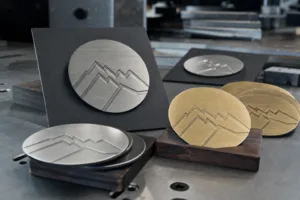
The finish—matte, glossy, antique, or gold-plated—determines both look and longevity. Plating methods such as PVD or rack plating preserve shine and resist tarnishing, especially for commemorative pieces.
Plan for Realistic Manufacturing
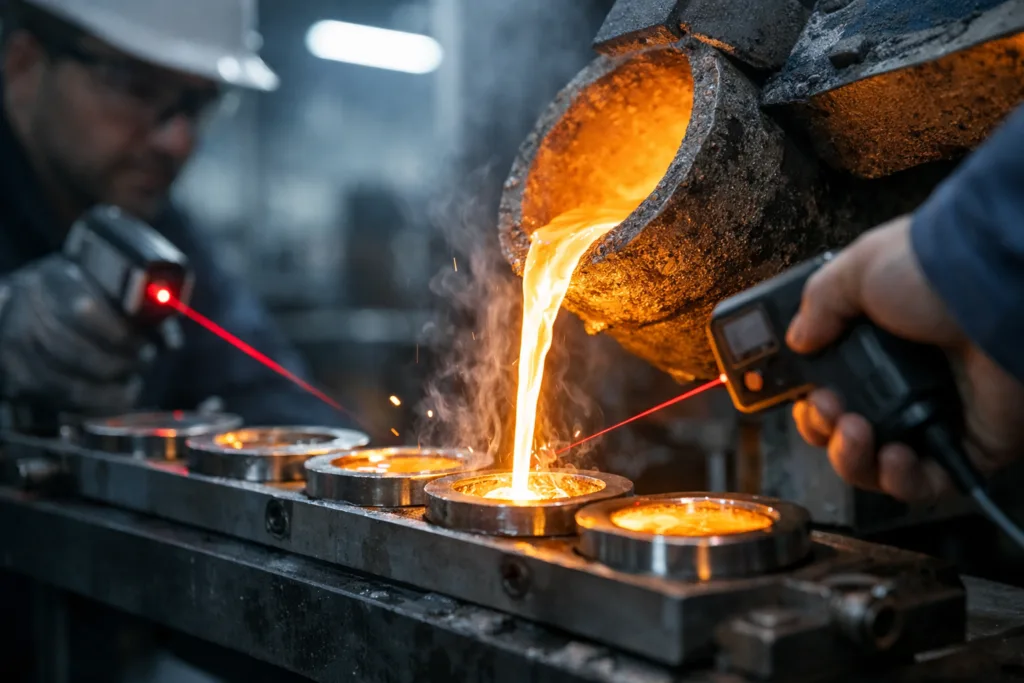
Designs should translate easily from artwork to actual coin. Account for depth, relief, and the limitations of casting or stamping. Consulting your manufacturer early avoids costly errors.
Common Don’ts in Military Coin Design
Don’t Overcrowd the Design
Packing too many symbols, words, or graphics makes the coin hard to read and visually confusing. Less truly is more.
Avoid Unreadable or Stylized Fonts
Fancy typefaces or tiny letters reduce legibility. Steer clear of fonts that might fade or blur during production.
Don’t Ignore the Importance of Quality Control
Poorly cast or plated coins can tarnish a unit’s pride. Step up quality checks at every stage. Mastering salt spray testing ensures coins withstand wear and corrosion.
Don’t Neglect Color Significance
Colors are loaded with meaning. Using mismatched, overly bright, or neutral tones can dilute the message. Always check if color matches tradition or protocol.
Avoid Imitative or Generic Designs
Copying other units’ coins or resorting to generic templates erodes authenticity. Each coin should tell a unique story that members will cherish.
Don’t Overlook Material Selection
Choosing cheaper metals or finishes saves pennies but costs honor. Pay attention to sourcing and long-term resilience. For premium coin collectability, high-grade metals like Zamac or brass are preferred.
Don’t Forget Manufacturing Constraints
Complex 3D surfaces, intricate cut-outs, or minute text often invite defects. Verify what your factory can actually produce before finalizing artwork.
Step-by-Step Guide: Designing Military Unit Coins
Define Unit Mission and Values
Start by gathering unit history, motto, and intended symbolism. What does the coin need to communicate?
Select Core Symbols and Imagery
Choose one or two powerful emblems or motifs. Sketch initial ideas focusing on clarity and meaning.
Draft the Layout with Contrast and Balance
Arrange elements to keep the design symmetrical and visually appealing. Use negative space wisely.
Pick Materials and Plating Methods
Decide if you’ll use antique brass, polished nickel, or a combination. Consider finishes based on official requirements and intended use.
Choose Fonts and Text Placement
Legibility takes precedence. Place text along the edge or in the center, keeping lines brief and impactful. Common design mistakes in metal products often include poor text integration.
Refine with the Manufacturer
Share drafts with your supplier for feasibility checks. Adjust as needed for casting and finishing capabilities.
Final Review: Quality and Presentation
Confirm that every detail, from the logo to the relief depth, is correct before mass production.
| Design Step | Do | Don’t |
|---|---|---|
| Symbol Choice | Unique, meaningful, clear | Generic, vague, cluttered |
| Font Selection | Readable, classic | Overly stylized, small |
| Color Usage | Tradition-respectful, balanced | Uncoordinated, excessive |
| Material | Durable, premium | Cheap, prone to wear |
| Manufacturing | Consult early, test | Ignore constraints |
Pitfalls to Avoid When Designing Military Unit Coins
It’s easy to get carried away with too many colors, overly complex forms, or symbolic overload. These creative missteps can result in manufacturing errors, confused messaging, or diminished visual impact. Remember, true craftsmanship shines through simplicity, restraint, and focused storytelling.
Honoring Tradition While Embracing Modern Design
Many unit coins beautifully blend classic military elements with innovative contemporary touches. Try integrating 3D relief or special plating for a premium feel while keeping core symbols at the heart of the design. As highlighted in Challenge Coins on Military Tradition, balancing old and new makes each coin memorable across generations.
Material Integrity: Why Premium Metals Matter
When working with metals like Zamac or brass, origin and purity directly affect the coin’s feel and appearance. Industry leaders such as Gairun emphasize using virgin alloys for smooth surfaces and crisp details, ensuring coins withstand frequent handling without losing their luster.
Precision Matters: Engineering for Quality
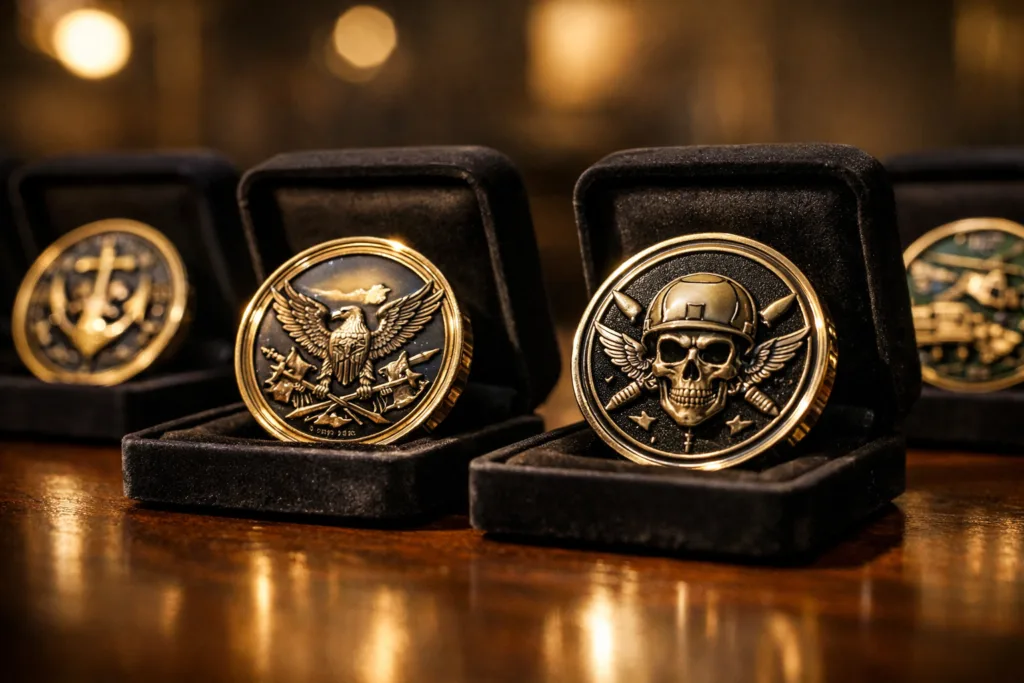
Sharp edges, clear logos, and tactile balance stem from precise mold technology. High-end manufacturers dedicate extra time to hand-polishing and advanced CNC mold engraving, achieving flawless finishes even on intricate insignia.
Finishing Touches: Plating, Polishing, and QC
Rack plating ensures uniform coverage, while multi-stage polishing delivers a jewelry-grade surface. It’s common for premium manufacturers to reject coins with aesthetic flaws, even if technically functional, to protect the reputation and emotional value of the unit coins.
Frequently Asked Questions
What materials are best for military unit coins?
Durable metals like brass, copper, and zinc alloy offer longevity, fine detailing, and a premium feel, making them preferred choices for military coins.
How can I make a coin design stand out?
Focus on unique unit emblems, clear layouts, and balanced color schemes. Thoughtful use of relief and high-quality finishes also create visual impact.
What common mistakes should I avoid?
Avoid cluttered designs, unreadable fonts, poor material choices, and overly complex elements. Stick to simplicity and clear messaging.
How does coin size affect the design?
Bigger coins allow more detail but must remain practical for carrying. Adjust design elements to fit comfortably and avoid excessive weight.
Is it important to work with experienced manufacturers?
Yes, professional manufacturers guide you through feasible designs, quality control, and finishing options, improving both the final product and the process.
What finishes are most popular for military coins?
Antique brass, polished gold, and matte nickel are commonly used to enhance durability and aesthetic appeal, matching unit traditions and personal taste.
Related Reading
- How Challenge Coins Strengthen Unit Traditions and Identity
- The Zinc Alloy Advantange in Coin Crafting
- Avoiding Costly Design Mistakes in Medals and Coins
- Testing and Preventing Rust: Ensuring Long-Lasting Military Coins
- Inside the Manufacturing Process of Military Medals
- Elevate Your Military Coin Display: Velvet Box Secrets