Master Checklist: How to Choose a Zinc Alloy Packaging Hardware Manufacturer
If you’re in the market for zinc alloy packaging hardware, finding the right manufacturer is about more than just price quotes—it’s a risk management mission. From process expertise to color consistency, and from delivery timelines to real product validation, every detail matters. This checklist guides you through critical factors, arming buyers, product managers, and procurement specialists to spot strengths, prevent expensive mistakes, and ensure your brand standards are met.
Understanding Zinc Alloy Packaging Hardware

Before delving into how to select a manufacturer, it’s important to recognize why zinc alloy hardware is favored for packaging. Its versatility, ability to take various finishes, resistance to corrosion, and capacity for precision casting make it ideal for premium packaging applications ranging from perfume bottle caps to luxury closures.
Evaluating Craftsmanship: Die-Casting, Polishing, Plating
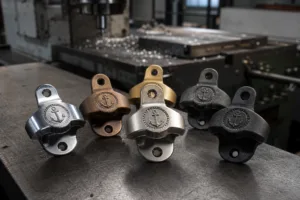
The backbone of quality zinc alloy hardware lies in the manufacturer’s process expertise. Assess their mastery in die-casting (for smooth surfaces and tight tolerances), polishing (for mirror finishes or subtle matte effects), and electroplating (for color uniformity and protective longevity). A well-run operation should freely show samples that reveal their technical edge and attention to detail. If you want specifics on the technical differences between barrel and rack plating, this guide is a revealing resource.
Sample Development Process: Transparency and Speed
Reliable manufacturers offer a clear sample-making workflow. Key touchpoints include digital 3D modeling, prototype approval, and physical sampling. Watch for streamlined communication, defined timelines, and willingness to adapt to design tweaks—these signal strong partnership potential. A solid sample phase is your best test drive for their actual manufacturing capability.
Color Consistency & Control: How to Minimize Risk
Color variations undermine brand image and trigger costly returns. Leading suppliers use spectrophotometers, standardized plating baths, and batch controls. Ask for their color deviation tolerance policy (usually specified in Delta E values) and master sample retention practices. If you plan to coordinate finishes with other hardware—zippers, buckles, or badge tags—verify their ability to maintain uniformity.
Quality Control Checkpoints in Zinc Alloy Hardware Production
Effective manufacturers deploy multiple QC checkpoints across the process. These include pre-casting alloy purity tests, mid-process surface inspections, plating adhesion tests, final packaging checks, and environment simulation like salt spray testing for anti-corrosion validation. Detail-oriented QC is non-negotiable; it’s what keeps your product safe from rejects and recalls.
Scratch-Resistant Packaging: Protecting Premium Finishes
Packaging isn’t just about keeping hardware clean; it’s about preserving the finish you paid for—especially with high-gloss, gold-plated, or matte black surfaces. Check for anti-scratch materials, segmented trays, felt linings, or protective sleeves in their shipping method. Ask for drop tests and abrasion resistance reports. These details impact both product perception and actual shelf-worthiness.
Lead Time Management and Realistic Delivery Guarantees
Agreeing on a realistic timeline prevents delays from snowballing into lost launches or retail penalties. Assess whether manufacturers provide forecast-based planning, clear buffer periods for QC and packing, and honest communication about bottlenecks. Reliable vendors will set delivery expectations grounded in actual factory output—never just promises. This is particularly vital for seasonal or event-based products where timing is everything.
Case Study Validation: Proof of Track Record
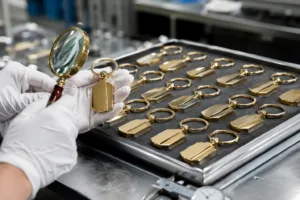
Good suppliers are proud to showcase project cases, complete with pictures, specs, and challenge-response narratives. Scrutinize their past work: types of clients (luxury, FMCG, fashion), complexity (multi-part assemblies, intricate finishes), and durability records. Ask for references, or for published case studies. This evidence builds trust far better than mere testimonials.
How to Choose a Zinc Alloy Packaging Hardware Manufacturer (Checklist)
- Process Capability: Die-casting expertise, precision mold work, flawless polishing, plating consistency
- Sampling Process: Speed, transparency, iterative feedback, physical and digital samples
- Color Deviation Control: Defined Delta E, batch controls, spectrophotometer reporting
- QC Points: Alloy purity testing, plating adhesion checks, surface flaw inspection, final assembly review
- Anti-Scratch Packaging: Segmented trays, protective sleeves, felt-lined boxes
- Delivery Management: Timeline planning, buffer periods, actual output vs. promises
- Case Validation: Past project reports, samples, reference clients
Process Capability: Deep Dive on Die-Casting and Finishing
Zinc alloy hardware’s value is unlocked through skilled die-casting, which creates precise details and weighty, satisfying forms. Look for manufacturers that use virgin Zamac 3 for superior surface quality—a standard upheld by innovators like Gairun. Superior mold design, exacting machine tolerances, and controlled cooling rates mitigate risks such as casting porosity and weak plating adhesion.
Polishing and Plating: Where Quality Shows
Hand-polishing (not just machine), rack plating for uniform coverage, and PVD finishes all matter for luxury applications. Consistent, mirror-like lustre or crisp matte effect isn’t luck—it’s the outcome of strict process discipline. In fashion accessories, these small touches separate ‘premium’ from ‘passable.’
Sampling Workflow: What to Expect
Standard sampling flows include digital render approval, prototype casting, and live finish tests. Top suppliers won’t rush this phase; it’s your opportunity to catch design issues and validate both mechanical fit and finish pre-mass production.
Physical vs Digital Samples
Physical samples reveal what CAD can’t—from plating nuances to 3D relief feel and tactile balance. If a manufacturer’s digital sample matches their physical output, that’s a strong reliability signal.
Controlling Color Difference in Production
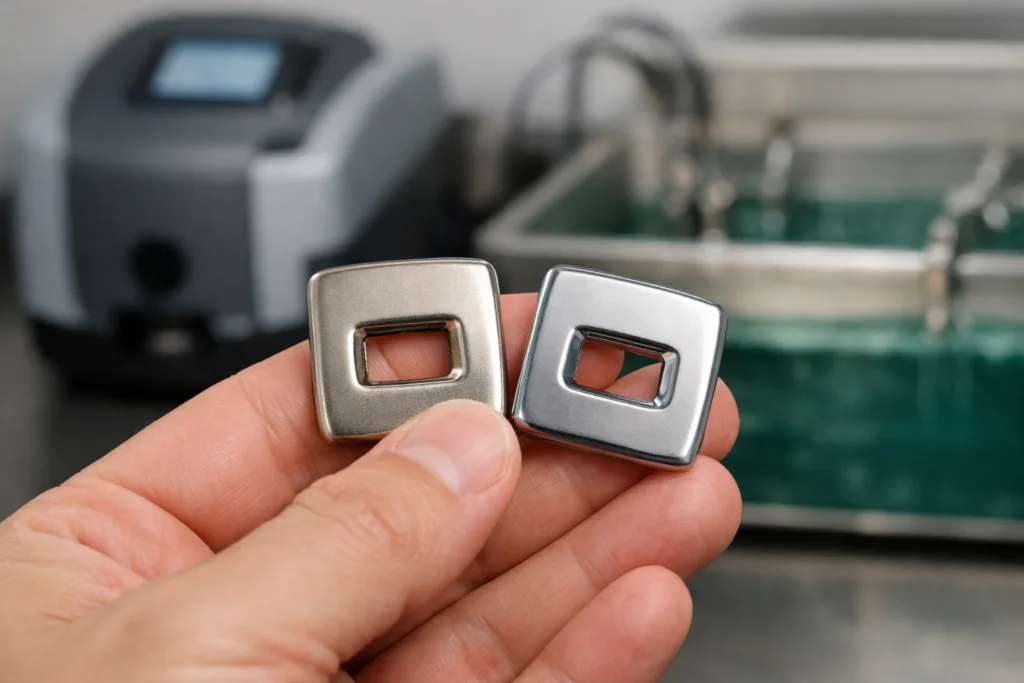
Batch-to-batch color variation is one of the most common setbacks. Experienced suppliers manage this with Delta E monitoring, detailed chemical batch tracking, and master standard retention. If you need sharply matched finishes—for instance, dual-plated gold and silver—ask for their side-by-side sample validation. Manufacturers like Gairun document these techniques in expert guides.
Critical QC Points: Minimizing Defect Risk
QC checkpoints start before the alloy is cast. Purity testing prevents alloy contamination, while mold inspection stops surface pits and blisters. After casting and before plating, rigorous surface flaw checks prevent rework. Post-plating, adhesion is tested using peel or pull methods. Final QC validates assembly fit (think of how a cap “clicks” onto a bottle) and finish uniformity.
Packing and Protection: The Mark of a Premium Supplier
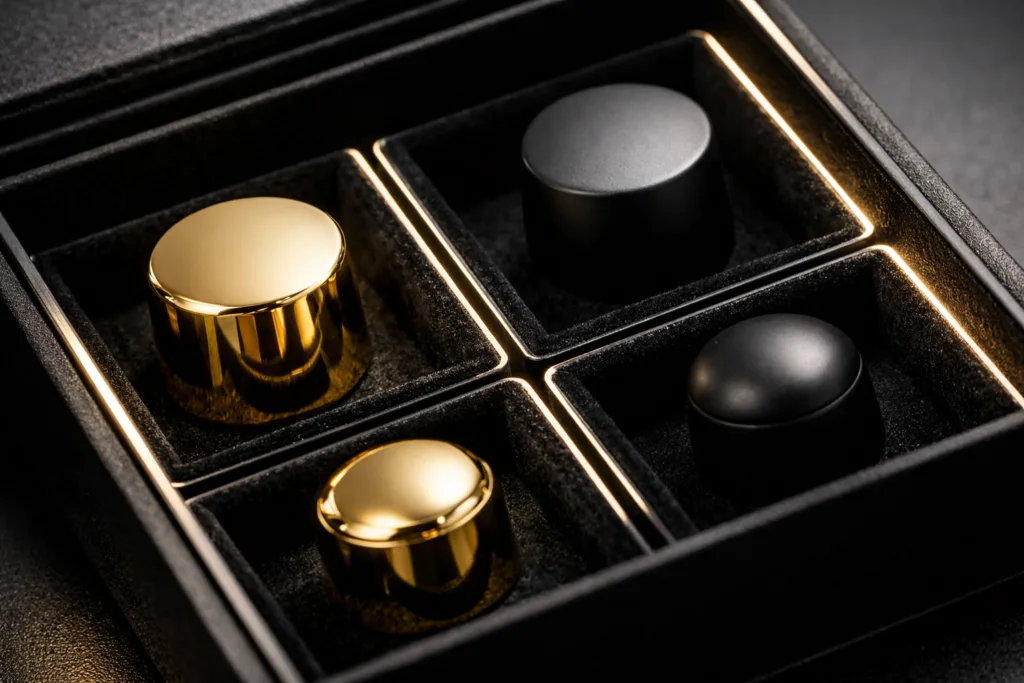
Quality manufacturers invest in packaging materials like anti-static wraps, custom trays, and velvet boxes to keep hardware flawless throughout transit. Examine their approach; if they incorporate segmented packaging for scratch-prone pieces, you are far less likely to encounter returns due to damage.
Managing Lead Times: Avoiding Delays and Disappointments
Lead time isn’t just production hours—it’s mold creation, material preparation, QC, assembly, and packing. Reliable manufacturers will share Gantt charts, buffer plans, and highlight risk points. In luxury packaging, a missed timeline can mean missing a fashion season or major launch. Prioritize suppliers who can document, not just promise, their deadline performance.
Validating Manufacturer Claims with Real-World Cases
A credible manufacturer can supply validation through sample cases—showing not just pretty pictures, but process challenges overcome. For example, maintaining tight color control over 10,000 spirits bottle caps, or engineering a special clasp hinge for a cosmetic jar. Case studies signal risk management success, not just marketing fluff.
Material Integrity: Choosing the Right Zinc Alloy Mix
Virgin Zamac 3 offers finer grain and easier finishing, crucial for high-gloss or sharply detailed hardware. Some manufacturers may use recycled alloys; always request their alloy certification for peace of mind, as lead or nickel content can cause compliance headaches in Europe and the US.
Precision Engineering: Why Mold Matters
High-grade CNC engraved molds ensure sharper logos, crisp details, and uniform assembly. Tight tolerances are vital—especially for hardware with moving parts, such as bottle cap threads or spring-loaded clasps. Quality manufacturers, including industry leaders like Gairun, often reject “just good enough” molds in favor of piece-perfect standards.
Finishing Touches: Achieving Premium Look and Feel
The final appearance depends on hand finishing, rack plating, and thorough surface inspection. Rack plating is essential for luxury items as it prevents uneven coating, a common issue with cheaper barrel plating. PVD coating, though more expensive, is optimal for scratch resistance and color retention.
Regulatory Compliance and Safety
Consumer safety remains paramount. Make sure manufacturers adhere to RoHS, REACH, and California’s Prop 65 standards. Transparency in material sourcing will protect your brand from compliance violations and recalls.
Collaborative Communication: Avoiding Surprises
Strong suppliers keep you updated from order to delivery, proactively flag challenges and provide alternative solutions. Watch for clear documentation and routine production reports. This is as much risk control as process management.
Design Feasibility Checks
Sometimes, the most ambitious designs fall short in mass production due to mold limits or plating complications. Experienced manufacturers will offer subtle suggestions on geometry or finishing—this design guidance is invaluable. If feasible, test your hardware against real product samples, not just concepts.
Packaging Hardware Success: Making the Right Decision
Choosing a zinc alloy packaging hardware manufacturer means weighing process capability, QC rigor, and design alignment. It’s a careful balance of price, risk, and long-term reliability. Secure suppliers with proven cases, inspectable process details, and a track record of protecting your brand’s reputation through quality and delivery consistency.
Frequently Asked Questions
What is Zamac and why does alloy purity matter?
Zamac is a family of zinc alloys; using pure Zamac 3 ensures better surface quality, improved casting, and safer compliance with international standards.
How do I verify a manufacturer’s process capability?
Request detailed workflow documentation, process photos, sample reports, and ideally a visit or live video session showing die-casting, polishing, and plating in action.
What causes color inconsistency in zinc alloy hardware?
Variations in plating baths, inconsistent batch control, and lack of master sample retention are the main reasons. Insist on Delta E reporting and batch tracking to minimize risk.
How should zinc alloy packaging hardware be packaged to avoid scratches?
Look for segmented trays, dedicated sleeves, velvet pouches, anti-static wraps, and physical separation. Quality packaging is crucial for preserving premium finishes.
What is a realistic lead time for custom zinc alloy hardware?
Lead times vary but expect 3–8 weeks for design, sampling, production, and packing—more for complex or multi-part projects. Reliable suppliers provide detailed timelines up front.
How do I validate a manufacturer’s claims?
Ask for recent case studies, physical samples, and reference client contacts to verify track record, process expertise, and delivery reliability.