Introduction: Why Serial Numbering on Custom Coins Matters for Collectibility
Custom coins—especially challenge coins—hold a special place in the world of collectibles. Yet, what often sets limited edition coins apart is their serial numbering. When each coin carries a unique number, it’s transformed from a mass-produced object into a treasured collectible. In this article, we unpack the significance of serial numbering on custom coins for collectibility, exploring its roots, impact on value, and practical integration tips for brands and designers.
The History and Evolution of Serial Numbering on Coins
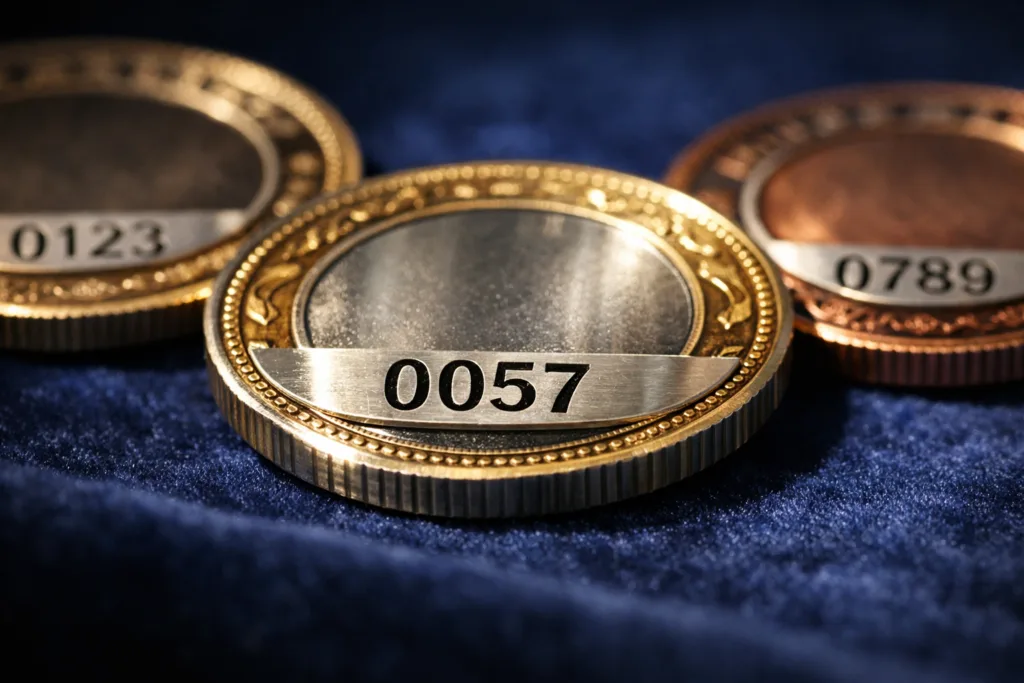
Serial numbering has a long tradition in the world of numismatics. Early commemorative coins and limited-issue medals featured serial numbers to assure buyers of their exclusivity. As custom coins and challenge coins gained popularity among military units and collector groups, serial numbers quickly became a staple—signaling rarity and authenticity in a sea of replicas.
Understanding Collectibility: More Than Just Metal
The collectibility of a coin is influenced by several factors, such as design, material, historical connection, and—crucially—serial numbering. For challenge coins, adding a serialized number transforms each unit into a standalone artifact. This detail stokes excitement among collectors seeking unique items to complete their sets.
The Psychology Behind Serial Numbered Coins
Humans naturally value things that are scarce and personal. Serial numbers, whether 001/150 or 187/999, instantly make a collector feel that their coin is special and irreplaceable. Lower numbers, milestone numbers (like 100, 500), and even repeated digits (e.g., 222) can be especially coveted, sparking friendly competition and deeper emotional attachment among enthusiasts.
Serial Numbering on Custom Coins for Collectibility
So, what makes serial numbering on custom coins for collectibility so effective? First, it allows organizers and designers to create limited edition releases, enhancing perceived value. Second, it reassures buyers about authenticity—even helping fight off counterfeit concerns in the collector market. Finally, serial numbers add story and substance, giving each coin a traceable legacy from maker to owner.
Types of Serial Numbering Methods
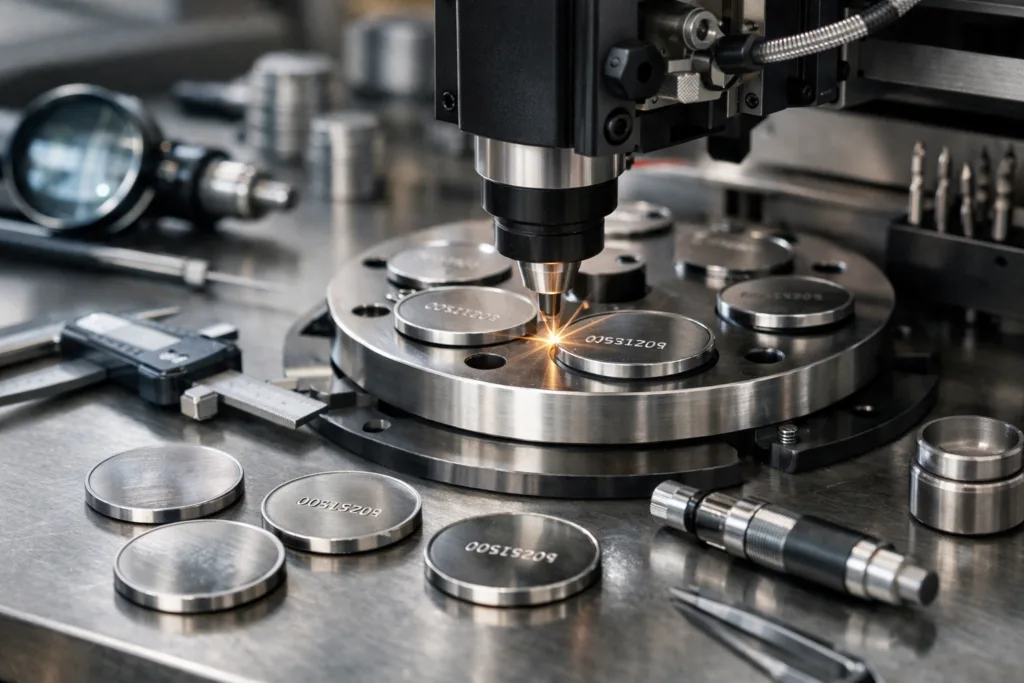
- Laser engraving: Offers high precision and permanent results
- Mechanical stamping: A classic method, delivers a tactile and industrial feel
- Pad printing: Useful for colored serials, but less wear-resistant
Makers often choose a numbering technique based on the coin’s intended usage, finish, and desired aesthetic.
Comparing Serial Numbering Techniques for Durability and Appeal
| Method | Pros | Cons |
|---|---|---|
| Laser Engraving | Permanent, crisp finish, suitable for all metals | Can be more expensive |
| Stamping | Classic, deep impression, tactile | Possible design disruption if not well planned |
| Pad Printing | Vivid colored text possible | Susceptible to wear, not for heirlooms |
Where to Place Serial Numbers on Custom Coins
The serial number’s visibility is key. Some prefer the reverse (back) for subtlety; others position it along the edge for timeless elegance or right on the primary face for boldness. Placement should never compromise key design elements or readability.
Impact of Serial Numbers on Challenge Coin Demand
Collectors crave proof of rarity. Limited edition challenge coins with visible serial numbers, especially when documented in a release certificate, typically sell faster and at higher prices. This is evident in both military veteran groups and commemorative release marketplaces.
The Role of Serial Numbers in Authenticity and Counterfeit Prevention
Serial numbers function as a mini-certificate of authenticity. When recorded by the manufacturer, they allow owners and prospective buyers to verify origin and edition. If a coin turns up for resale without a number or with a duplicated number, red flags rise—protecting both collectors and brands.
How Limited Editions and Serial Numbers Shape Value
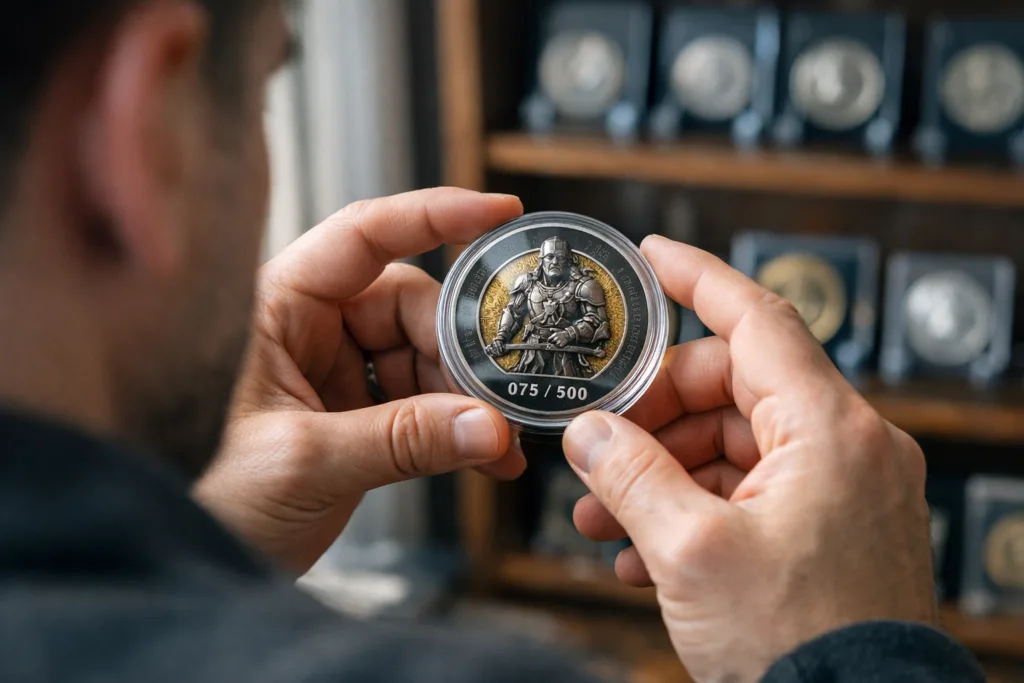
Imagine two identical coins: one numbered “37/500,” one unnumbered. All else equal, the numbered coin will consistently fetch more at resale. Serialization creates a direct link between scarcity and value, making each piece more desirable—and sometimes even a sound investment.
Serial Numbering for Police, Fire Department, and Military Commemoratives
Specialized groups—such as police or fire departments—often award challenge coins as symbols of honor. Numbering these limited runs increases prestige and turns service keepsakes into meaningful collector pieces. If you’re designing a coin for such purposes, review our list of police & fire department coin design ideas to maximize emotional appeal.
Making Serial Numbers Work in Your Own Coin Designs
When incorporating serial numbers, consider:
- Series size (smaller runs feel more exclusive)
- Numbering style (e.g., 001/250 or simple 12)
- Coordinating the font and finish with the coin design
This detail is often the difference between a memento and a collectible investment.
Designing for Edge Numbering: Technical Considerations
Edge numbering requires careful planning—choose a thick enough coin edge, and coordinate mold and engraving specifications. Quality manufacturers like Gairun deploy precision CNC engraving for flawless, consistent serials, minimizing the risk of distortion and enhancing the end-user experience.
Unique Serial Numbers and the Collector’s Psychology
Serial numbers tap into powerful collector instincts: the thrill of hunting for “lucky” numbers, the pride in owning number 1, the satisfaction in completing a sequence. This subtle emotional drive can turn a casual trinket into a centerpiece of a prized collection.
Serial Numbered Coins in Modern Pop Culture and Limited Releases
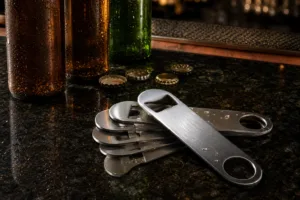
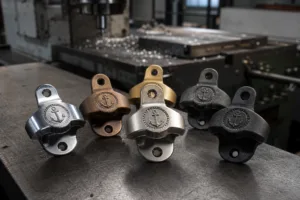
From event souvenirs to pop culture collaborations, serial numbering on custom coins makes every launch compelling. For instance, a bottle opener challenge coin with a serial adds collector hype and opens up the potential for future series or collaborations.
Choosing Materials: How Substrate Impacts Numbering
Certain metals display numbering better and stand the test of time. Brass and zinc alloy are popular for challenge coins; those prioritizing crisp detail and durability often lean toward high-grade brass or pure zamac alloys. Inferior materials can dull or blur numbers—an essential consideration for lasting collectibility.
Enhancing Collector Value: Combining Serial Numbers with Premium Features
Top-tier collector coins often combine serial numbering with features like dual plating (gold and silver), mixed finishes, or even special display packaging. For expert advice on making coins stand out, examine dual plating on collector coins.
Serial Numbering and Coin Packaging
Packaging can reinforce a coin’s collector status. Include certificates listing serial numbers, or engrave numbers onto display cases for an extra assurance of authenticity. For even more impact, consult our guide on velvet box displays for medals and coins.
How Serial Numbering Affects Coin Resale Value
In buyer forums and auctions, coins with clear, low, or special serial numbers often attract intense bidding. To maximize your coin’s secondary market appeal, ensure flawless numbering and official documentation from the original manufacturer.
Challenges in Serial Numbering Production and Quality Control
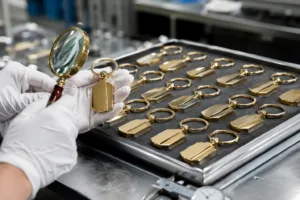
Serial placement errors, duplicate numbers, or shallow/unclear markings can erode collector confidence. Industry leaders implement strict visual inspections and digital tracking to eliminate mistakes—flawless execution is a must in the boutique coin sector.
Real-World Examples: Serial Numbers in Commemorative Coin Series
Consider marathon coins, limited-run event souvenirs, or gaming-themed collector issues. Each uses serial numbers as a selling feature. For inspiration, see how 3D designs elevate challenge coins and how numbering rounds out the collectible feel.
Serial Numbering in Bespoke Medal and Souvenir Manufacturing
The same principles apply to custom medals and souvenirs—numbered runs attract event participants and fans alike. Many organizers now request serialized medals for races, expanding the trend across the award industry.
The Future of Serial Numbering: Digital Integration and Blockchain
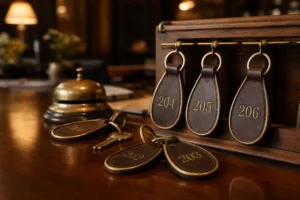
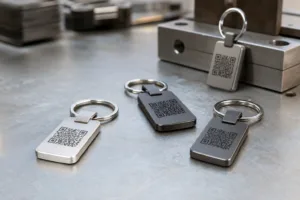
Forward-thinking manufacturers are experimenting with blockchain certificates linked to coin serials, enhancing transparency and traceability. Some even embed QR codes, adding digital provenance to physical collectibility. For advanced options, review the serial number metal tag solutions trusted by collectors and brands moving into the digital age.
Conclusion: Serial Numbering’s Lasting Influence on the Collector Market
Serial numbering on custom coins is more than a manufacturing detail—it’s the heartbeat of modern collectibility. Clear, unique numbers promote exclusivity, deter counterfeiters, and set the stage for lifelong collecting journeys. When paired with fine materials, creative design, and thoughtful packaging, a serialized coin connects history, value, and personal pride in the palm of your hand.
Frequently Asked Questions
How does serial numbering increase a coin’s value?
Serial numbering signals exclusivity, making coins more appealing to collectors and often boosting their resale value, especially for limited editions.
Where should serial numbers be placed on challenge coins?
Common placements are the reverse, edge, or a corner of the main face, ideally where they don’t interfere with the design’s main features.
Are certain materials better for serial numbering?
Yes, high-quality metals like brass and zamac alloys deliver crisp, enduring numbers, ensuring long-term clarity and collectibility.
Can serial numbers deter counterfeiting?
Absolutely. Serial numbers, verified by manufacturers and certificates, help buyers identify genuine coins and reduce forgery risks in the collector’s market.
How does numbering affect limited edition coin auctions?
Special numbers—such as the first, last, or milestone digits—tend to attract higher bids and interest, creating lively auction environments for sought-after coins.
What’s the best serial numbering method for durability?
Laser engraving is highly durable and precise, but deep stamping is also an excellent choice for coins expected to endure decades of handling.
Related Reading
- 11 Pro Tips to Showcase Medals and Coins with Velvet Boxes
- How Mixing Gold & Silver Plating Supercharges Coin Appeal
- Unlocking 3D vs. 2D Coin Designs—What Collectors Really Value
- 7 Surprising Ways Bottle Opener Coins Redefine Collectibles
- Explore Serial Number Metal Tag Solutions for Next-Level Authentication