Understanding Zinc Alloy Decorative Parts for Wine & Spirits Packaging
Zinc alloy decorative parts for wine & spirits packaging are transforming the way luxury brands present their bottles. Incorporating details like zinc alloy bottle cap decoration, bottle neck collars, and decorative badges not only elevates shelf appeal but also protects bottles during storage and transit. The result is a tactile, visually stunning package that appeals to modern consumers seeking both durability and sophistication.
The Rise of Zinc Alloy in Premium Bottle Accessories
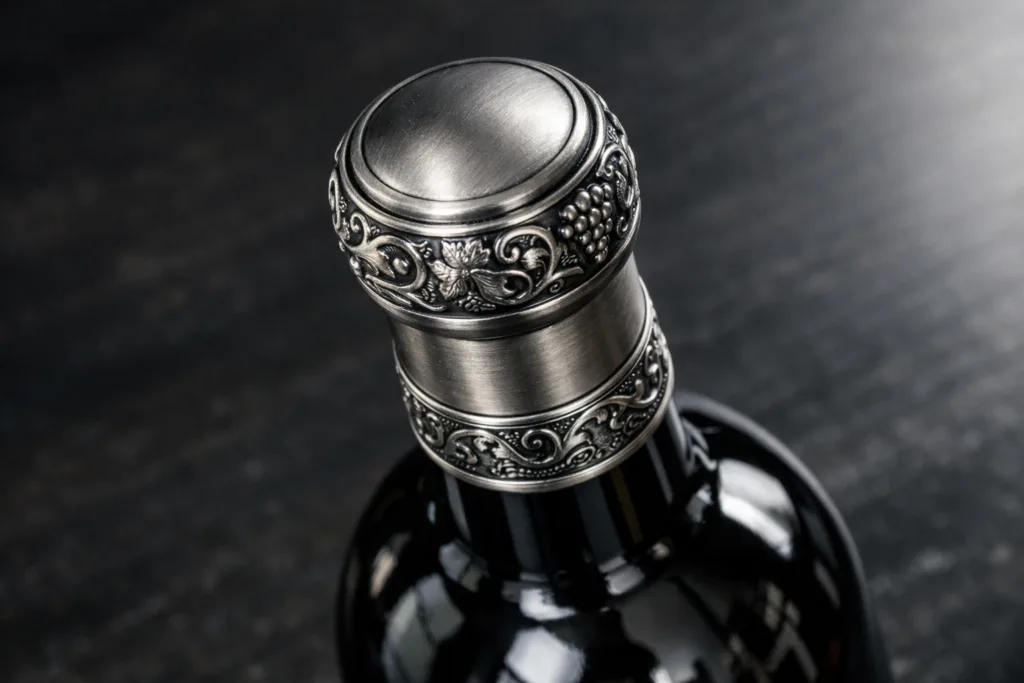
Zinc alloy, especially the Zamac family of alloys, is celebrated in the spirits industry for its strength, fine casting features, and cost-effective luxury finish. Whether used for bottle cap decoration, collars, or badges, zinc alloy offers immense design versatility and a substantial hand feel.
Varieties of Decorative Parts for Wine & Spirits Packaging
Luxury wine and spirits brands leverage a range of zinc alloy parts:
- Bottle Cap Decorations – 3D die-cast covers and sleeves that fit perfectly atop closures
- Collar Badges – Decorative rings or crested bands circling the bottle neck
- Brand Badges & Plaques – Surface-mounted, often engraved, medallions or crest designs
Spotlight on Zinc Alloy Bottle Cap Decoration
The zinc alloy bottle cap decoration is a signature element for many spirits. It must have a flawless fit with the cap, smooth surface, and stunning finish. Brands can specify intricate logos, patterns, or blended plating (such as gold and matte black) for added distinction. For a dive into cap innovations, see the luxury spirits bottle cap page or review design standards at the zinc alloy decorative bottle cap resource.
Zinc Alloy Collar Badge: Function and Flair
A zinc alloy collar badge encircles the bottle neck, reinforcing brand recognition and emphasizing luxury. These badges often feature intricate relief work and perfectly color-matched plating to the cap and label. Proper tolerances allow for a snug but safe fit—avoiding scratches or bottle slippage during transport.
Engineering Fit: Matching Collars and Caps Precisely
Achieving precise fit between zinc alloy collar badges and bottle caps relies on tight mold tolerances and careful CNC engraving. When a collar is too tight or loose, it can damage the glass, compromise the seal, or affect the premium perception. For guidance on part selection and engineering fit, consider the resource How to Choose Zinc Alloy Hardware: The Ultimate Guide to Luxury Gift Box Parts & Finishes.
Scratch Resistance: Protecting During Handling & Transport
Wine and spirits packaging must survive long shipping journeys without surface blemishes. Zinc alloy decorative parts are often subjected to scratch-resistant coatings or PVD finishes, ensuring the item remains perfect from production line to retail shelf. Some manufacturers, like Gairun, conduct rigorous pull-testing and salt spray testing to validate resilience throughout the product life cycle.
Corrosion Resistance in Humid Environments
The corrosion resistance of zinc alloy is crucial for packaging exposed to humidity or varying temperatures. Advanced plated finishes—such as nickel, chrome, or gold—protect against oxidation and tarnish. Not all zinc alloys are equal; using premium Zamac 3 ensures higher purity and fewer casting flaws, which affects both durability and consistent finish quality.
Color Consistency Across Packaging Components
A hallmark of luxury branding is color consistency. Achieving uniform surface color across bottle caps, badges, and collars requires meticulous plating and polishing. Manufacturers employing hand-polishing and rack plating can deliver better results, avoiding batch-to-batch chromatic variation. Read more on maintaining finish quality in the guide Zinc Alloy Packaging Accessories: 27 Expert Buyer Insights for Premium Hardware Success.
Wear Resistance and Daily Handling
Spirits packaging often faces rough handling: opening and closing, shelf displays, and collector storage. Wear-resistant zinc alloy components maximize longevity, keeping logos, platings, and intricate crests crisp over years of use. This is where surface treatments like electrophoresis or premium PVD become crucial.
The Role of Decorative Badges in Branding
With consumers paying close attention to packaging cues, decorative badges and emblems serve as more than just adornment—they deliver tactile assurance of authenticity, craftsmanship, and brand status.
Advanced Plating Techniques for Premium Appeal
High-end brands often rely on innovative finishing, including:
- Two-tone plating (gold/silver, matte/gloss)
- Electroplating for uniform appearance
- PVD coating for scratch and fade resistance
Managing Tolerances: Ensuring Seamless Component Integration
For seamless packaging, maintaining precise tolerances between zinc alloy caps, collar badges, and glass is a fundamental engineering challenge. Tight tolerances ensure not only aesthetic perfection but also secure assembly—critical for the ‘first touch’ unboxing experience.
Hand Polishing & Jewelry-Grade Surface Finishing
Luxury brands expect mirror-finish or satin surfaces. This requires several rounds of hand or machine polishing before plating. Any casting flaws or micro-scratches must be corrected, as even minor imperfections are visible on metallic finishes. For a deeper dive into craftsmanship, explore electroplated premium bottle cap finishing techniques.
Batch Consistency: The Challenge of High-Volume Orders
Maintaining uniform color, polish, and quality in high-volume production is more challenging than it seems. Controlled environmental conditions, rigorous quality checks, and sampling are used to reduce defects and color shifts from run to run.
Environmental and Compliance Considerations
Modern luxury packaging must comply with strict environmental policies. Lead-free, nickel-free, and RoHS-compliant finishes have become the standard, especially for markets such as the EU and North America.
Case Example: How Gairun Maintains Tolerance & Finish Standards
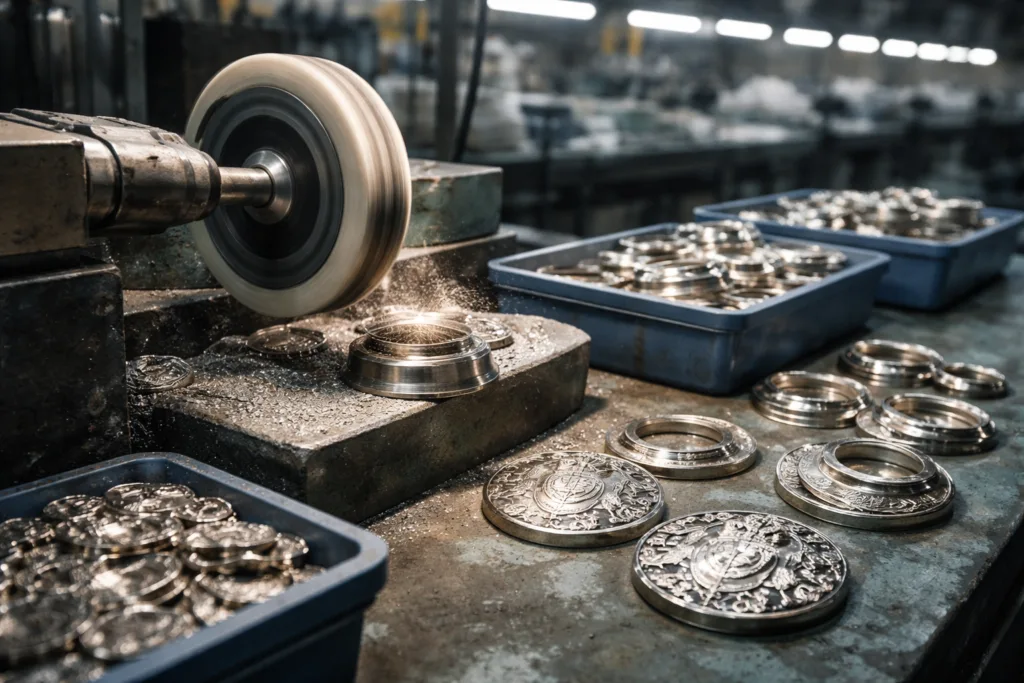
Gairun’s proprietary mold engraving and rack plating processes enable holding micron-level tolerances, ensuring every cap and badge forms a perfect match with its glass bottle. In quality checks, any badge or cap with even minor surface inconsistencies is rejected, regardless of underlying function.
Testing for Performance: Scratch, Pull, and Corrosion Resistance
Endurance testing ensures the cap and collar can withstand shipping, retail handling, and multi-year display. The best manufacturers use salt spray, pull-force, and drop tests to provide proof of durability—key for reducing returns and complaints.
Packaging & Logistics: Preventing Scratches, Chips, and Dents
Smart packaging design (custom foam inserts, polybags) protects zinc alloy accessories from abrasion during shipping. Attention to logistics detail can prevent costly surface flaws found on arrival at distributors or retailers.
Design for Manufacturability: Optimizing 3D Shapes and Details
Designers must consider factors such as minimum wall thickness, undercuts, and mold-release angles early. Consultation with mold engineers prevents casting issues or plating defects—ensuring the physical result matches the concept exactly.
Trends: Personalization & Custom Badges
Wine and spirits brands are rapidly adopting custom shapes, engraved logos, and unique electroplated details for greater shelf impact. Personalized badges and collars can even encode geographic information or batch numbers for authenticity checks.
DIY vs. Professional Manufacturing: The Risks of Shortcuts
Cost-driven shortcuts (e.g., using lower-grade recycled zinc or skipping quality control) result in palpable differences: pitting, uneven color, or poor fit. Brands seeking consistency and reputation rarely risk these flaws.
Choosing Your Supplier: What Sets Quality Manufacturers Apart
Top-tier manufacturers provide transparency on alloy sourcing, finishing protocols, and QC results, and are open to batch tests or pilot runs. Reference guides like 15 Must-Know Buyer Risks & Solutions: How to Choose a Zinc Alloy Packaging Hardware Manufacturer highlight essential due diligence steps.
Global Trends: Sustainability and Decorative Innovation in Spirits Packaging
Lately, the push for eco-friendly packaging has started to influence metal finishing—triggering innovations in plating chemistries and protocols for lower environmental impact, while still elevating decorative appeal.
Zinc Alloy Decorative Parts for Wine & Spirits Packaging
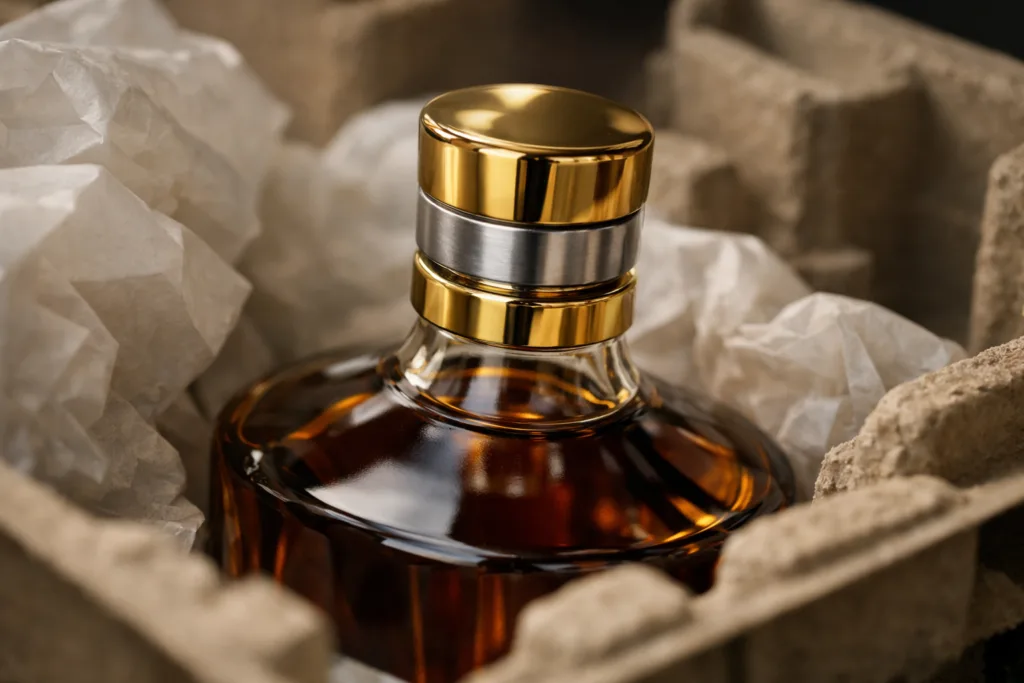
The integration of zinc alloy bottle cap decoration and zinc alloy collar badge in premium alcohol packaging offers a perfect blend of durability, beauty, and tactile value. When engineered to the highest standards, these components ensure bottles look and feel remarkable—before the cork is even popped.
Conclusion: The Value of Precision and Craft in Decorative Zinc Alloy Packaging
Premium spirits and wine consumers expect packaging that signals quality at every glance and touch. Zinc alloy decorative parts deliver resilience, uniform surface beauty, and intricate detail—so long as manufacturing standards are kept uncompromisingly high. As decorative innovation and eco-awareness drive new trends, precision, and care in production will remain the hallmark of packaging that truly stands out.
Frequently Asked Questions
Why choose zinc alloy for bottle cap decorations?
Zinc alloy offers excellent wear and corrosion resistance, allows detailed designs, and supports consistent coloring—making it ideal for luxury wine and spirits bottles.
How do manufacturers ensure the fit between collars and bottle caps?
Manufacturers use precise CNC mold engraving and tight tolerances during the die-casting process to guarantee a snug fit without damaging the glass or decorative finish.
Can zinc alloy decorations withstand transport and handling?
Yes, when combined with advanced plating and protective coatings, zinc alloy parts resist scratches and maintain their quality even after shipping and extensive handling.
What steps are taken to prevent oxidation or tarnishing?
Quality zinc alloy parts are finished with corrosion-resistant platings—such as nickel, chrome, or gold—and can include PVD coatings to further protect against environmental exposure.
Is color consistency difficult to achieve with zinc alloys?
It can be, but through controlled plating processes, rigorous quality inspections, and consistent raw material sourcing, top manufacturers maintain color uniformity across packaging parts.
What are some common testing methods for zinc alloy decorative components?
Manufacturers typically use salt spray testing for corrosion, pull-force tests for component strength, and surface inspections for plating quality and uniformity.
Related Reading
- 27 Insider Tips for Selecting Premium Zinc Alloy Packaging Accessories
- Avoid These 15 Costly Mistakes When Choosing Your Zinc Alloy Packaging Supplier
- Download the Time-Saving RFQ Template for Fast Zinc Alloy Quoting
- What Makes a Spirits Bottle Cap Truly Luxurious?
- A Designer's Guide to Zinc Alloy Decorative Bottle Caps
- How Electroplating Elevates Premium Bottle Cap Decoration