Introduction: Unlocking the Value of Zinc Alloy Clasps & Locks for Packaging
When designing packaging for luxury products, secure and attractive closures become a central part of the brand experience. Zinc alloy clasps and box lock hardware offer a robust solution when your packaging demands high strength, reliable safety, and a touch of ceremony during unboxing. This guide explains when to use clasps over magnetic closures—especially for heavy contents, enhanced transit security, and premium presentation. Plus, we explore types, installation, design choices, cost, and lead time, so you can make a confident, informed decision for your next project.
Understanding Zinc Alloy Clasps & Box Lock Hardware
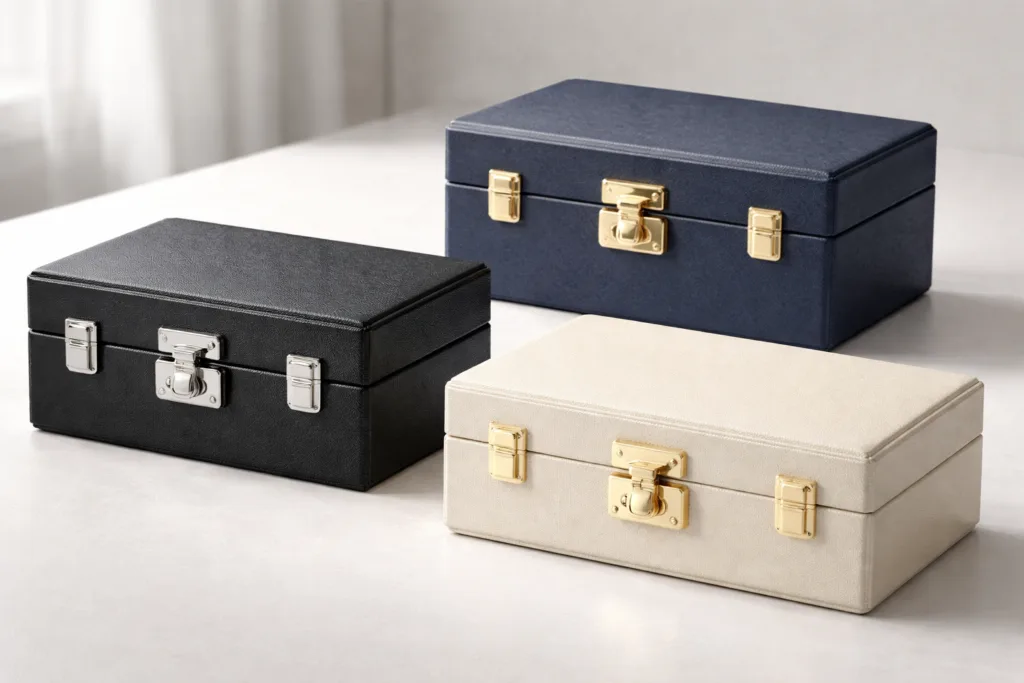
Zinc alloy clasps are engineered locking mechanisms, sometimes referred to as box lock hardware, crafted from Zamac (Zinc-Aluminum-Copper-Magnesium) alloys. Their versatility, durability, and finish quality make them a preferred choice for premium packaging, gift boxes, jewelry cases, and collector item packaging.
Zinc Alloy Material Properties
High-quality zinc alloys offer corrosion resistance, exceptional malleability, and the ability to achieve fine surface finishes. In packaging, these characteristics mean longer-lasting closures and improved tactile feel.
Types of Zinc Alloy Clasps & Locks
- Spring-loaded clasps (snap shut, suitable for small to medium boxes)
- Rotary locks (provide additional resistance for heavy boxes)
- Lobster clasps and trigger snaps (for straps, bags, or multi-compartment packaging)
- Decorative box locks (luxury appeal, keyed or magnetic hybrid designs)
When to Choose Clasps Over Magnetic Closures
Magnetic closures are popular for their minimalistic appeal and ease of use. However, certain scenarios demand zinc alloy clasps to ensure functionality and safety.
Weight-Bearing Requirements
Magnetic closures can only support limited weight. Boxes containing heavy trophies, glass bottles, or dense contents should use clasps or box locks for secure holding capacity. To learn about safeguarding heavy trophies for shipping, read our guide on packaging heavy trophies.
Transit Security
During shipping, vibrations and sudden impacts may disengage magnets, risking accidental opening. Clasps tightly lock the lid to prevent content spillage, pilfering, or damage in transit.
Elevating Unboxing Ceremony
The tactile click and physical engagement of a clasp adds a sense of luxury and anticipation. Especially in collector packaging or premium gift boxes, the lock acts as the first touchpoint—setting the stage for the product reveal.
Structural Choices for Box Locks
Hinge Compatibility
Optimal function depends on correct hinge installation. Pairing reliable clasps with zinc alloy hinges for premium boxes ensures precise fit tolerances and seamless opening/closing.
Reinforced Box Corners
The robustness of the clasp is complemented by high-quality corners. Zinc alloy box corners, as detailed in this installation guide, prevent box deformation and help distribute stress from lock operation.
Attachment Method
Clasps can be fixed with screws, rivets, or integrated posts. The proper method is dictated by box material (wood, cardboard, MDF, plastic) and required load capacity.
Lock Placement and Alignment
Precise mold engraving and careful alignment ensure that the lock clicks firmly. Brands like Gairun emphasize high-grade CNC mold tech for sharp logo details and functionally precise hardware assemblies.
Installation Methods: Securing Zinc Alloy Clasps
Screw Mounting
The most common approach for box locks. Screws anchor the clasp into structural portions of the box, providing strong resistance and easy replacement. Use thread-locking compounds as needed for high-end packaging.
Rivet Fastening
Rivets are ideal for metal-reinforced boxes, preventing tampering and ensuring permanent fixture. However, they require careful alignment and may be harder to replace if damaged.
Adhesive Attachment
For plastic or composite boxes, strong industrial adhesives provide an invisible, clean finish. Not recommended for high-stress applications or heavy contents.
Integrated Mold Assembly
Luxury packaging often uses custom-molded zinc alloy clasps integrated directly into the box mold. This approach delivers seamless aesthetics and extra strength, but requires precise design and attention to casting tolerances.
Cost and Lead Time Impact
Material and Manufacturing Costs
Zinc alloy clasps generally cost more than magnets due to mold complexity, manual assembly, and finishing steps. Many luxury brands accept these costs to secure function and add value.
Finishing Options: Price Drivers
Polished, plated, or colored clasps may require extra finishing and QC. Rack plating for luxury items, as practiced by Gairun, increases both quality and time but delivers flawless jewelry-grade results.
Custom Design Complexity
Custom logo engraving or specialty shapes can extend lead time (1–3 weeks) compared to off-the-shelf magnets. For fast quoting and efficient production, review Gairun’s RFQ template guide.
Engineering Insights: Precise Mold Tech for Premium Clasps
Design Feasibility and Mold Safety
Subtle adjustments in lock geometry (like radius or thickness) prevent casting porosity and ensure a smooth finish. Using virgin Zamac 3 and high-purity alloys is essential for avoiding surface defects.
A manufacturer like Gairun invests in multi-stage hand-polishing and rack plating techniques, rejecting even functional hardware if surface quality fails to meet strict standards. This pursuit of perfection is especially valued by global luxury brands.
Testing and Quality Control
Premium suppliers run rigorous pull-force tests and salt spray endurance checks. Locks must not only resist opening under pressure but also maintain color and shine after exposure.
Logo Integration and Branding
Deep CNC engraving delivers sharp, clean logos without compromising lock strength. Placement is carefully judged to preserve both structure and brand visibility, as seen in expert logo applications.
The Aesthetics of Clasps: Ceremony, Luxury, and Collectibility
Unboxing Ritual—Creating Emotional Impact
The physical act of releasing a clasp adds personality and drama to unboxing. For collector coins, trophies, or perfume, it turns a simple opening into a memorable moment—sometimes even raising resale value. Learn more about collector packaging in this velvet box vs. pouch comparison.
Choosing Finishes: Matte, Glossy, Antique, Two-Tone
Surface treatment—matte black, polished gold, antique brass—affects perceived luxury and touch comfort. Two-tone plating is popular for contemporary and vintage looks, detailed in the two-tone plated clasp collection.
Design Trends: Minimalism Meets Craftsmanship
Designers favor understated, minimal shapes with crisp logo details, balancing refinement and engineering integrity. The trend towards functional artistry is evident in modern luxury packaging hardware.
Installation Challenges and Solutions
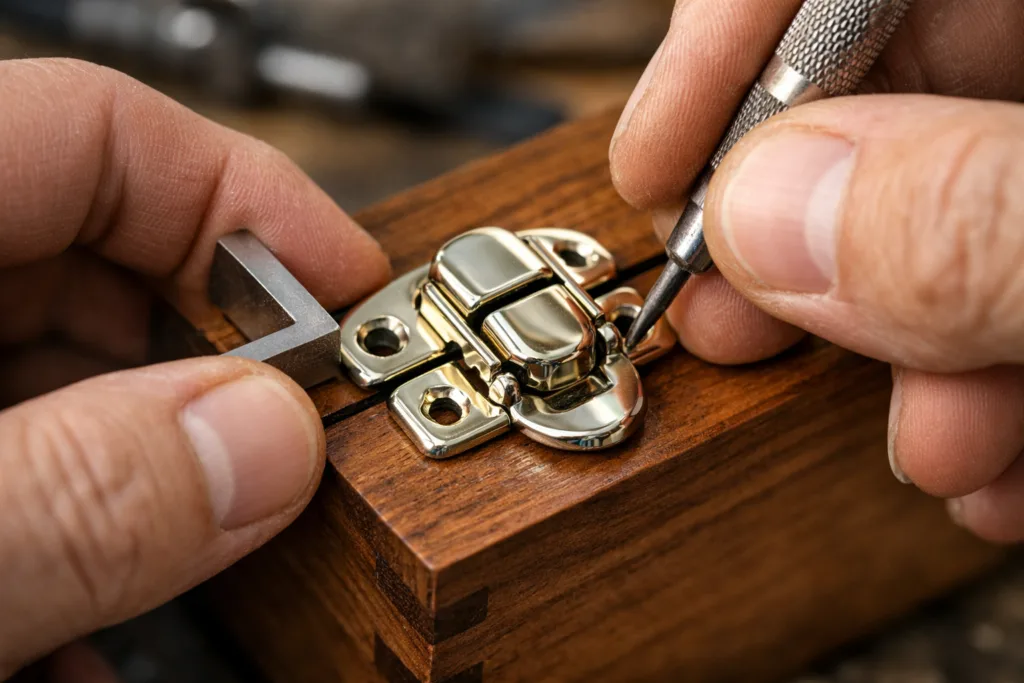
Alignment and Tolerances
Misalignment can cause clasps to stick or fail to close properly. Using high-precision jig fixtures for installation ensures repeatability and ease of mass production.
Managing Safety Concerns
For child-safe packaging, select clasps with smooth edges and lock-resistant mechanisms. Spring tension and lock force can be customized to suit intended audience.
Repairability and Maintenance
Boxes with screw-mounted clasps allow replacement if damaged, crucial for collector packaging or high-value items expected to last decades.
Long-Term Performance: Zinc Alloy vs Alternative Materials
Corrosion and Finish Retention
Zinc alloy holds up better than magnetic closures, especially in humid environments or frequent handling. Brass or steel alternatives may outlast zinc, but often lack its finishing versatility.
Magnetic Closures—Comparative Weaknesses
Magnets may lose strength or discolor over time, especially when exposed to strong solvents or oils. Clasps maintain their mechanical lock and aesthetic appeal longer.
Packaging Applications: Where Zinc Alloy Clasps Shine
High-End Gift Boxes
Used for perfume packaging, jewelry, and luxury goods requiring secure closure and ceremony. Explore more with our ultimate guide to luxury gift box hardware.
Collector and Shipping Boxes
Collector coins, sport memorabilia, or corporate awards benefit from clasps when shipped, safeguarding against accidental opening and minimizing insurance costs.
Multi-Compartment Cases and Bags
When the packaging must withstand frequent opening, heavy contents, or rough handling, zinc alloy clasps are indispensable—especially for bags, instrument cases, and toolkits.
Packing Process & Assembly: Best Practices
Pre-Assembly Checks
Ensure every box corner and hinge is aligned before mounting the clasp. Use mockups or test fits to verify lock engagement and tactile feedback.
QC and Inspection Protocols
Quality control involves visual inspection, functional lock tests (pull, torque), and finish integrity checks. Leading manufacturers like Gairun reject even minor surface imperfections—prioritizing flawless presentation.
Efficiency Upgrades: Modular Hardware
Some brands utilize modular clasps that clip or bolt onto standardized fittings, speeding up assembly and reducing replacement times for damaged locks.
Cost Control Strategies in Box Lock Hardware
Balancing Premium Features and Budget
Select standard clasp designs for cost-sensitive projects, reserving custom logos or finishes for flagship products. Compare vendors and finishes using detailed RFQs for transparency.
Lead Time Reduction Techniques
Rapid prototyping and clear specifications shorten cycles. Many manufacturers provide template-based ordering systems for routine projects, as explained in fast quoting tips from the expert accessories guide.
Packing and Shipping Considerations
Protecting Clasps During Transit
Use individual wraps or foam barriers to protect lock mechanisms from abrasion or crushing. Test locks for post-delivery functional integrity.
Insurance and Claims Prevention
Clasps reduce risks of damage or pilferage in high-value shipments, lowering both insurance premiums and claim frequency.
Sustainability and Recyclability
Eco-Friendly Practices in Zinc Alloy Hardware
Many suppliers now offer lead-free zinc alloys and recyclable hardware. Reclaimed packaging parts can be reused for new projects, and hardware is often separated for recycling during box disposal.
Meeting Regulatory Standards
Premium manufacturers comply with global eco-standards, including REACH and RoHS—important for export markets and luxury brands targeting eco-conscious consumers.
Zinc Alloy Clasps & Locks for Packaging: When to Use Them
To summarize, zinc alloy clasps and box lock hardware are best used in packaging scenarios demanding superior strength, enhanced shipping security, and heightened ceremonial impact. While magnetic closures suit lightweight, cost-sensitive boxes, they may compromise safety and brand experience for heavy, luxury-packed items. Thoughtful selection of lock type, structure, and installation method ensures not only practical function, but also a higher perceived value and lasting durability.
Frequently Asked Questions
What makes zinc alloy clasps ideal for heavy packaging?
Their robust mechanical strength keeps boxes securely shut, even with dense or valuable contents.
Are zinc alloy locks better than magnets for shipping safety?
Yes. Clasps prevent accidental opening and tampering during transit, protecting products from damage or theft.
Do zinc alloy locks add to the unboxing experience?
Absolutely. The tactile feel and audible click elevate ceremony, making the opening process more memorable.
How do design choices affect costs and lead times?
Custom shapes and finishes require more mold work and hand finishing, increasing both costs and production times.
Can zinc alloy hardware be recycled after box disposal?
Yes. Lead-free alloys are widely recyclable, supporting sustainable packaging initiatives.
What installation methods are best for zinc alloy clasps?
Screw and rivet installation on reinforced corners deliver maximum strength and easy maintenance.