Understanding Zinc Alloy Plating Peeling, Pitting, and Spots
Zinc alloy plating peeling, pitting, and surface spots are among the most frustrating issues for packaging developers, hardware designers, and buyers. Each of these surface defects can damage a product’s aesthetics, reduce corrosion resistance, and seriously affect brand perception. Whether you’re inspecting new bulk packaging parts or troubleshooting returned goods, spotting these flaws quickly—and knowing what causes and prevents them—can save time, money, and reputation.
What Is Zinc Alloy Plating Peeling, Pitting, & Spots?
Let’s first describe these common issues:
- Peeling: The plating layer separates from the base metal, leaving bare patches.
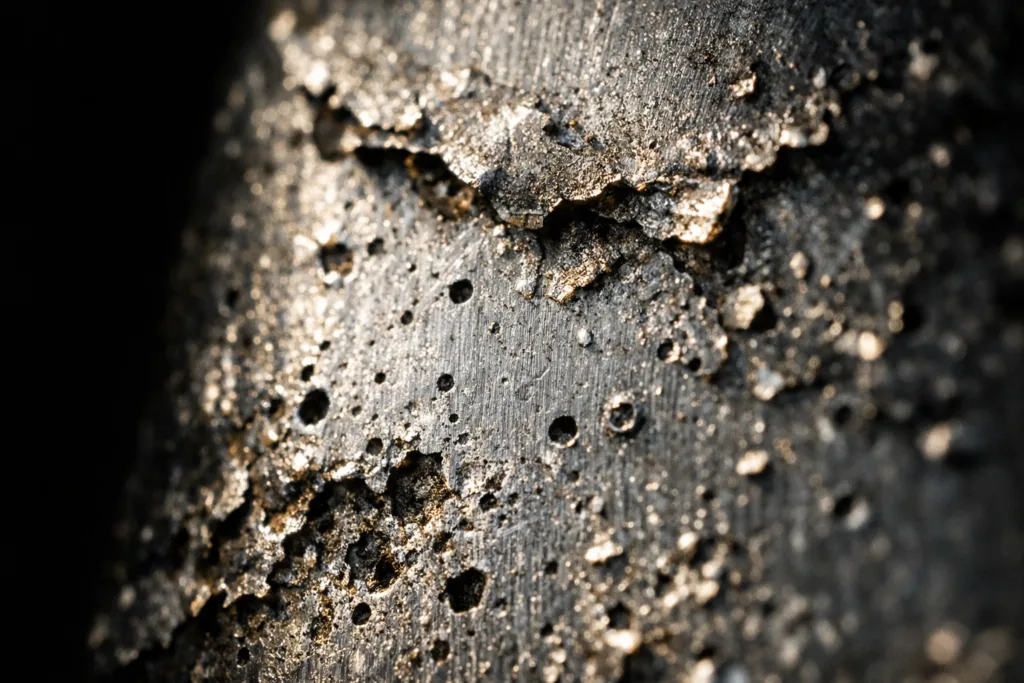
- Pitting: Small, crater-like holes appear on the surface, often in clusters or streaks.
- Spots/Stains: Dark or white markings interrupt the uniform finish, sometimes spreading over time.
How Common Are These Defects in Zinc Alloy Products?
Surface defects can occur at any stage, from casting to plating to final packaging (especially in zinc alloy gift box hardware or perfume caps). High humidity, insufficient pre-treatment, or mechanical damage during transit all contribute. Awareness of these issues is crucial for luxury product buyers and those seeking quality assurance on packaging parts.
Case Study: Packaging Arrives with Peeling and Pitting
Consider a scenario: A client orders custom zinc alloy caps for a luxury perfume line. Upon receipt, 30% of parts show spotty plating and several exhibit bubbles or flaking. The consequences include replacement costs and delays. Identifying whether the root cause was moisture ingress during shipping, poor pre-plating cleaning, or handling errors is essential for process improvement.
Why Are Zinc Alloy Surfaces So Sensitive?
Zinc alloys, especially Zamac 3 and 5, are prized for their strength and detail capability. However, their surface is also reactive: oxides form rapidly, and even minor contamination can inhibit plating adhesion. Thus, quality control is critical from die-casting through to final carton closure. High-purity alloys and controlled plating environments provide the best chance for flawless finishes.
Main Causes of Peeling, Pitting, and Spots
| Defect | Origin | Main Causes |
|---|---|---|
| Peeling | Surface Prep/Plating | Contamination, poor cleaning, rapid cooling, aggressive bending |
| Pitting | Material/Process | Impure alloy, gas bubbles, over-acidic baths, dirty anodes |
| Spots | Plating/Post-Plating | Moisture, random scratches, chemical residue |
Key Phenomena: How to Spot Early Warning Signs
During in-house incoming inspection, look for:
- Tiny craters seen under angled light (pitting)
- Surface film that flakes with gentle tape (peeling)
- Irregular or cloudy spots that persist after cleaning
Core Reasons Behind Zinc Alloy Plating Peeling
Let’s dig deeper. Plating peeling occurs mainly because of:
- Foreign oils or residues: Remaining from casting or polishing, these create a barrier between metal and plating chemicals.
- Improper surface activation: Zinc alloys require controlled acid cleaning and fluxing to promote adhesion.
- Uncontrolled temperature shifts: Rapid changes stress the bond, leading to later delamination.
- Poor storage post-plating: Exposure to humidity before lacquer-sealing can trigger delayed peeling.
Pitting in Zinc Alloy Plating: Causes & Mechanisms
Pitting usually stems from:
- Casting porosity: Air bubbles trapped during die-casting expose holes once plated.
- Low-purity or recycled alloy: Embedded non-zinc particles create micro-galvanic cells.
- Dust or particulate residue: Even invisible grit on parts or jigs causes surface craters.
- Inconsistent chemical baths: Overused or dirty plating solutions deposit irregularly.
The Role of Packaging and Moisture Control
Post-factory handling is as important as manufacturing. For example, zinc alloy decorative bottle caps can develop spots if packed in humid warehouses or with low-grade plastics that trap condensation. To prevent this:
- Use silica desiccant packs inside cartons
- Opt for moisture-barrier plastic wraps over basic polybags
- Store goods in air-conditioned, low-humidity environments
How Scratches and Physical Damage Create Spots
Rough handling during transport, especially on sharp-edged items like luxury jacket zipper pulls, leads to visible spots. Microscopic gouges break the plating surface, inviting local corrosion or staining. Always ensure soft, compartmentalized packaging with protective layers for high-end parts.
Design Flaws That Lead to Surface Defects
Certain design elements—narrow corners, deep logos, or very flat faces—amplify the risk for plating pitting and peeling. Smart engineering (adding soft curves, enhancing draft angles, or minimizing deep recesses) is vital to defect prevention.
Material Integrity: The Importance of Alloy Purity
High-end manufacturers like Gairun rely strictly on virgin Zamac 3 or 5 for critical cosmetic packaging parts. This reduces internal porosity and contamination, leading to smoother casts that plate more evenly and resist pitting. Buyers should request alloy material certificates, especially for visible components.
Plating Process Control Points: Where Problems Occur Most
- Degreasing/Ultrasonic Cleaning: Effective only when tanks and solutions are routinely changed.
- Acid Pickling: Needs tight control; over-etching reduces adhesion and increases pitting risk.
- Current Density Regulation: Incorrect amperage causes thin or ‘burned’ areas, inviting peeling.
- Rinse Quality: Tap water contamination leaves invisible salts that develop into spots.
Packing for Plating Perfection: Best Practices
Luxury packaging hardware is only as flawless as its handling protocols. Ensure every part is separated with non-abrasive, lint-free liners, and that parts with exposed faces (such as zinc alloy gift box hardware) aren’t rubbing against each other or carton walls. Double-bagging and using anti-tarnish papers further protect high-polish finishes.
Moisture and Oxygen: The Silent Surface Killers
Humidity is zinc plating’s natural enemy. When moisture seeps between the plating and the base metal, corrosion speeds up, resulting in white spots and even spreading blistering. Controlled storage is vital—never stack plated parts in open air for long periods.
Plating Peeling, Pitting, Spots: Causes & Prevention
The most effective strategies to prevent zinc alloy plating defects include:
- Specifying high-purity alloy feedstock (e.g. certified Zamac 3)
- Mandating full degreasing and double pre-treatment cycles
- Stipulating a multi-stage plating process, including bright nickel underlayers
- Requiring 48-hour salt spray testing for colorfastness and adhesion
- Demanding packaging isolation and moisture control post-plating
Critical Process Control Steps You Must Audit
- Surface roughness: Check under magnification for casting porosity
- Adhesion: Use standard tape-pull tests on sample parts
- Visual inspection: Assess random parts in both overhead and raking light
- Salt spray test: Look for early pitting or halo formation as warning signs
How to Specify Testing and Quality for Your Supplier
It’s essential to incorporate detailed inspection criteria into supply contracts. For instance, requiring suppliers to conduct a 5x magnification surface check and systematic taping for adhesion provides quantifiable data. Specify acceptance standards for peel length, defect size, and scoring rate. Gairun employs a dual-station QC approach, inspecting both pre-plated base metal and finished plating to guarantee low-defect output.
How to Remediate Zinc Alloy Plating Peeling Problems
If defects are found during incoming inspection—or after market launch—several options exist:
- Small area rework: Micro-polishing and spot re-plating for isolated flaws
- Batch re-plating: Stripping and re-plating entire lots is costly but restores appearance and corrosion resistance
- Sort and replace: For minor aesthetic issues, sorting out the worst offenders may suffice temporarily
Customer Side: Arrival QA—Quick-Check List for Buyers
- Inspect for uniform color and gloss under strong light
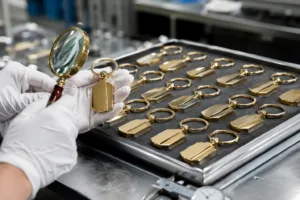
- Check for both fine and large pits using an illuminated loupe
- Peel tape test random pieces to verify plating adhesion
- Look for evidence of moisture: water marks or discolored wraps
Spotting the Root Cause: Supplier vs. Logistics Damage
If defects cluster by location (e.g., only on carton edges or faces adjacent to the box walls), handling damage is likely. Widespread or random flaws often trace back to process issues or substandard alloy. Digital photo documentation on arrival helps clarify claims and encourages supplier process refinement.
Industry Insights: Rack vs. Barrel Plating Impact
Premium surface finishes depend on rack plating, which supports each component individually, preventing surface-on-surface contact and irregular deposition common in barrel methods. If your application is for luxury-grade branding, always opt for rack plating on visible zinc alloy hardware.
Plating Thickness and Longevity—Does It Matter?
Yes. Thicker, multi-layer plating (including copper and nickel layers beneath the final finish) not only deepens gloss but creates a redundancy barrier against scratches and minor pitting. Always request cross-section images or microhardness reports for mission-critical parts.
Shipping and Storage: Environmental Factors That Affect Surface Quality
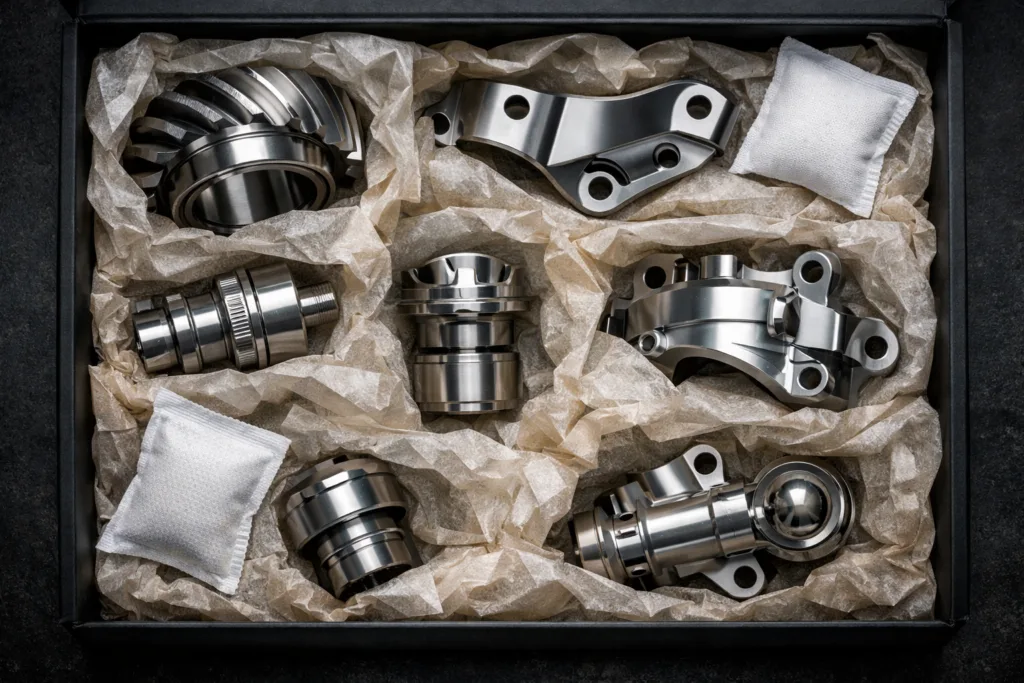
Products encountering hot-cold cycles, prolonged warehouse layovers, or shipment delays through humid regions are at higher risk for spots and latent peeling. Demand shipment in climate-stable, insulated cartons and avoid direct sea air exposure when possible.
Supplier Capabilities—Probing the Right Questions
Negotiate upfront: Does the supplier use sealed, temperature-controlled plating lines? Are baths changed regularly? Is quality tracked by operator and batch? A strong supply partner combines technical detail with responsible follow-through, which is why many luxury brands remain loyal to Gairun for premium packaging components.
Frequently Asked Questions
What causes zinc alloy plating to peel or bubble?
Primary causes include surface contamination, improper chemical activation, rapid cooling after plating, and poor moisture control during packaging and shipping.
How can I quickly check for pitting or spots?
Examine under bright, raking light and use a magnifying glass. Check for small craters or surface irregularities, especially around edges or intricate designs.
What steps can prevent plating defects during production?
Use high-purity alloys, control plating bath chemistry, mandate double cleaning, and require rack plating for critical visible hardware components.
Why are luxury packaging parts more sensitive to these issues?
High-gloss, mirror finishes and intricate details both reveal and magnify defects. Premium applications cannot tolerate minor flaws without affecting perceived value.
What incoming inspection steps should buyers focus on?
Inspect parts under good lighting, tape-test adhesion, check for moisture inside packaging, and photo-document any defects for rapid supplier response.
What rework options exist for defective parts?
Small flawed areas can sometimes be spot-polished and re-plated. Widespread defects often require stripping and full re-plating or sorting and replacement.
Related Reading
- Master the Zinc Alloy Sample Approval Process in Luxury Packaging
- Prevent Color Mismatches in Zinc Alloy Plating—Step-by-Step
- Ultimate PVD vs. Electroplating Guide for Packaging Parts
- Choosing Enamel, Paint, or Epoxy Fills for Zinc Alloy Logos—Pros, Cons, & Best Uses
- Demystifying MOQs for Custom Zinc Alloy Packaging Components
- Unlock Hidden Cost Factors in Zinc Alloy Die Casting for Packaging