Introduction: The Art of Hand-Filling Enamel Colors
Hand-filling enamel colors stands as one of the most respected and expressive techniques in decorative metalwork. This process requires precise craftsmanship, patience, and an understanding of both materials and artistic vision. From vibrant pins and commemorative coins to luxury packaging and custom metal badges, hand-filling brings depth, character, and an unmistakable human touch to each piece. The journey from a plain metal surface to a finished product bursting with color is as challenging as it is rewarding. This guide will walk you through everything from essentials and history to techniques, modern use, and expert tips.
The Hand-Filling Enamel Process Explained
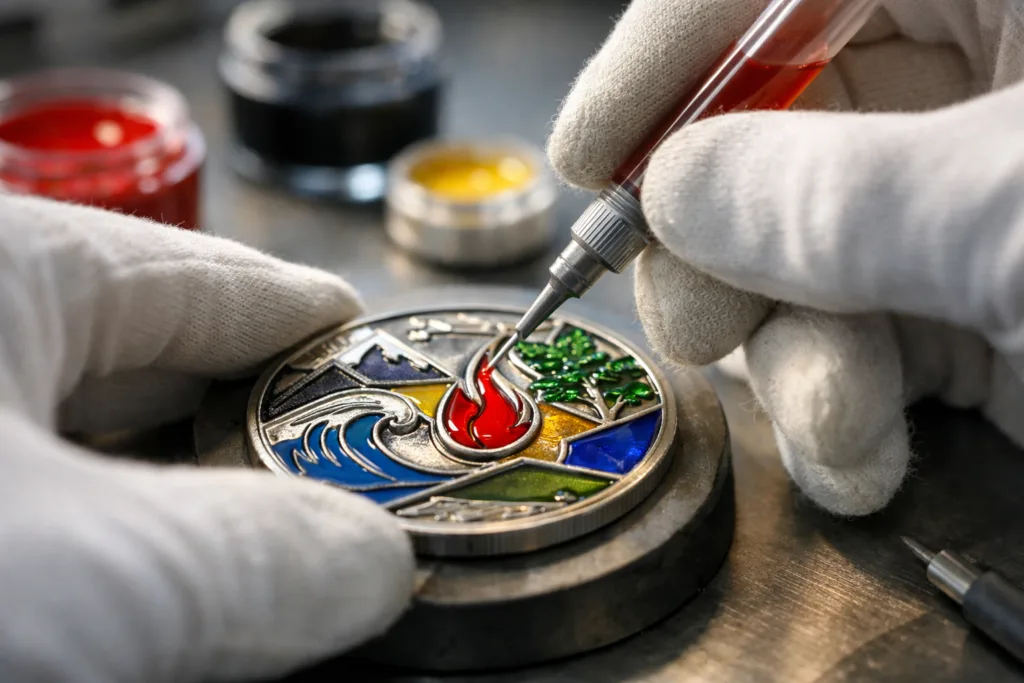
The heart of the Hand-Filling Enamel Colors process involves delicately adding colored glass powders or resins into recessed metal areas, later curing or baking them for permanence and luster. Artisans use steady hands to fill each compartment, one at a time, with carefully chosen hues. This method produces striking results with crisp color definition and a tactile dimension unmatched by automated processes.
Essential Materials: Metals, Enamels, and Color Mediums
The choice of materials has a dramatic impact on both visual effects and the longevity of each product. High-quality zinc alloy, brass, and copper are often preferred for their smoothness and durability. For the color itself, artists select from glass-based vitreous enamels, UV-cured epoxies, or synthetic resins—each lending different levels of translucency, gloss, and color depth. Gairun, for instance, only utilizes virgin Zamac 3 and premium jewelry-grade brass to ensure a flawless fill and lasting brilliance.
Historical Roots: Time-Honored Traditions Meet Modern Innovation
Hand-filling enamels traces its roots back to ancient civilizations like the Egyptians and Chinese, who adorned jewelry and ceremonial artifacts with vivid, fired glass colors. While core hand-filling methods remain, today’s artisans blend these traditions with advanced alloys, color chemistries, and precise temperature controls, enhancing reliability while preserving the handcrafted essence of the art.
Design Preparation: Engraving, Molding, and Recessed Zones
The foundation for expert enamel work begins with thoughtful design and mold creation. The metal is cast or stamped with carefully engineered recesses—the “cells”—that will contain each color. Quality engraving or casting is vital, as sharp edges prevent unwanted color bleeding and ensure crisp separations. Luxury packaging brands depend on high-precision CNC and die-cast molds for flawless results and repeatability in batch production.
Tools of the Trade: Brushes, Syringes, and Specialty Applicators
Filling tools vary by artist and application. Common choices include ultra-fine brushes for delicate work, hollow needles for high-viscosity enamels, and silicone-tipped spatulas for broad areas. Whether the goal is photographic detail or bold color blocking, mastering each tool’s handling takes significant practice and makes all the difference in achieving uniform, bubble-free finishes.
The Skill of Hand-Filling: Steadiness and Artistic Insight
Success in hand-filling is much more than technical execution—it is the learned skill of judging viscosity, timing, and pigment thickness at every step. Slight variations in pressure or angle impact the final appearance. Veteran fill artists develop muscle memory for controlling flow and correcting minor mistakes with speed and accuracy.
Mixing Enamel Colors: Custom Blends and Shading
True mastery of Hand-Filling Enamel Colors lies in custom mixing to achieve unique tones, gradients, and subtle fades. Artisans often blend dry pigments or liquid enamel mediums to match client Pantone requests or reflect the creative inspiration behind commemorative products. When specifying colors for zinc alloy plating, ensuring consistency across batches is crucial, as covered in detail in Gairun’s guide to safeguarding zinc alloy plating color.
Color Application Techniques: Fills, Domes, and Multi-Layering
Three main approaches dominate modern hand-filling: single fills (one color in each recess), domed fills (building up a gentle convex lens for tactile effect), and multi-layering where translucent and opaque colors are stacked. Each method brings varying depth, brilliance, and durability, suitable for coins, lapel pins, or luxury cosmetic closures.
Drying and Curing: Securing a Lasting Finish
Once all cells are filled, curing is essential to lock in color. Vitreous glass enamels may be fired in kilns at 700°C+, while epoxy and resin fills typically require 24–48 hours of ambient or UV-accelerated hardening. Proper curing prevents shrinkage, cracking, and color fade even with heavy use.
Surface Finishing: Polishing, Sanding, and Quality Control
After curing, a skilled technician polishes each piece to remove stray enamel and reveal crisp metal lines. For premium goods, multiple stages of hand-buffing, ultrasonic cleaning, and inspection ensure brilliance and smooth transitions between enamel and metal. Only after passing rigorous QC checks, like salt spray and abrasion resistance, are finished pieces deemed ready for luxury markets.
Significance of Color Choices in Enamel Work
Every hue carries meaning—whether bold reds for recognition medals, soft blues for corporate branding, or golds denoting achievement. Researching what each color communicates is central for designers aiming to inspire or commemorate. For example, awareness ribbon pins depend on specific shades for their messages; Gairun explores these nuanced meanings in a related discussion of what each awareness ribbon color means.
Creative Expression: When Handmade Meets Customization
Hand-filling is also a form of fine art. No automated painting or printing can fully match the small imperfections—and therefore the authenticity—that a master filler brings. This creative exchange allows for organic bursts of color, whimsical gradients, and personal style, making each piece truly one-of-a-kind.
Quality Factors: Achieving Consistent and Professional Results
To reach a professional level, consistency is as vital as creativity. Factors such as precise fill levels, uniform pigment suspension, and careful curing must be managed for every piece. On luxury projects, even tiny flaws may necessitate complete rework. That’s why high-end brands like Gairun are so exacting in their approach to raw materials, mold design, and process control.
Common Challenges and Solutions in Hand-Filling
Frequent issues include bubble entrapment, color bleeding, and uneven doming. Solutions involve degassing resins before application, tightening surface tension with silicone additives, and methodically working inward from edges. Designing metal surfaces with correct cavity depths and edge geometry can also help avert common problems, as elaborated in guides tackling essential causes of plating peeling and pitting.
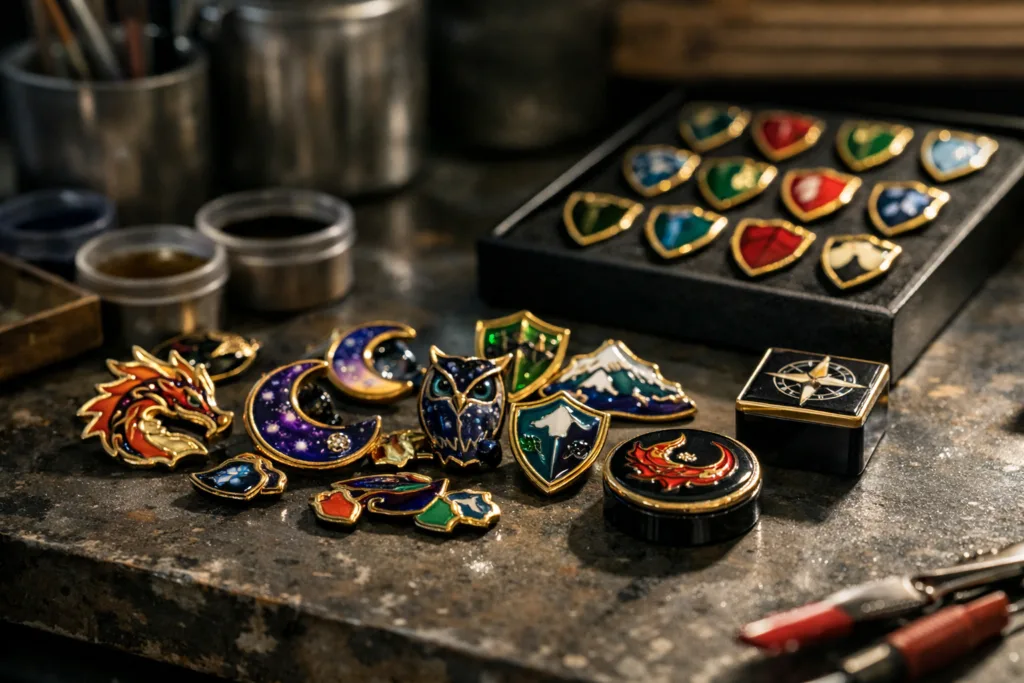
Modern Applications: Beyond Jewelry and Medals
Today, hand-filled enamel plays a key role in branding elements (like logo plates on luxury packaging), limited-edition collectibles, and even fashionable hardware for bags and apparel. When compared with mass-printed color techniques, hand-filled designs offer both visual impact and tactile authenticity—qualities increasingly valued in high-end gifting, commemorative, or recognition markets.
Batch Production vs. Custom Orders: Scale, Speed, and Consistency
Small-run custom projects allow for greater creative freedom, but larger batch orders demand tight process control for color accuracy and fill height. Experienced manufacturers, such as Gairun, utilize dedicated filling lines, custom jigs, and multi-stage inspection systems to guarantee uniformity without losing the handmade touch.
Safety and Environmental Considerations
Modern regulations require adherence to REACH, RoHS, and lead/nickel restriction standards. Quality enamel manufacturers use non-toxic, hypoallergenic pigments and manage dust or solvent emissions in specialized workspaces to protect both artisans and end-users.
Tips for Beginners: Starting Your Hand-Filling Journey
New artists should pick simple recessed designs, use primary colors, and focus on learning fill control before layering advanced gradients. Patience and practice are essential—taking time with each cell will soon translate to confidence. Several manufacturers offer beginner kits with pre-stamped blanks and a range of basic colors to help novices build skills quickly.
Choosing the Right Fill for Metal Logos: Enamel, Paint, or Epoxy?
The ideal fill medium depends on the final use: hard or soft enamels for lasting jewelry and collectibles, epoxy for vibrant branding elements, and advanced paints for faster production. For comparison of applications and performance, see the detailed guide How to Choose the Best Fill for Zinc Alloy Logos.
Precision Engineering in Luxury Packaging Hardware
Brands at the forefront, especially in perfume and cosmetics, demand surface perfection and tactile excellence. Factors such as Zamac purity, micro-engraved molds, and stringent weight balancing all level up the final feel. Clients are increasingly requesting advanced finishing techniques like PVD after enamel filling to enhance both shine and durability.
Quality Control: Inspection and Defect Prevention
At every stage, hand-filling specialists inspect for color voids, edge overflow, and surface scratches. Advanced facilities use macro photography and 360-degree illumination, while top-tier brands perform salt spray and abrasion testing, rejecting pieces that fail visual or performance standards. This uncompromising approach differentiates luxury goods from mass-market alternatives.
Hand-Filling, Enamel Colors
Hand-filling enamel colors continues to awe with its blend of technology and craft, lending each object a sense of dignity and uniqueness. Whether in commemorative coins, bespoke badges, or high-luxury packaging, this technique bridges historic artistry and present-day expectation, upholding the values of patience, precision, and design dialogue between creator and recipient.
Future Innovations: Where Will Hand-Filled Enamel Go Next?
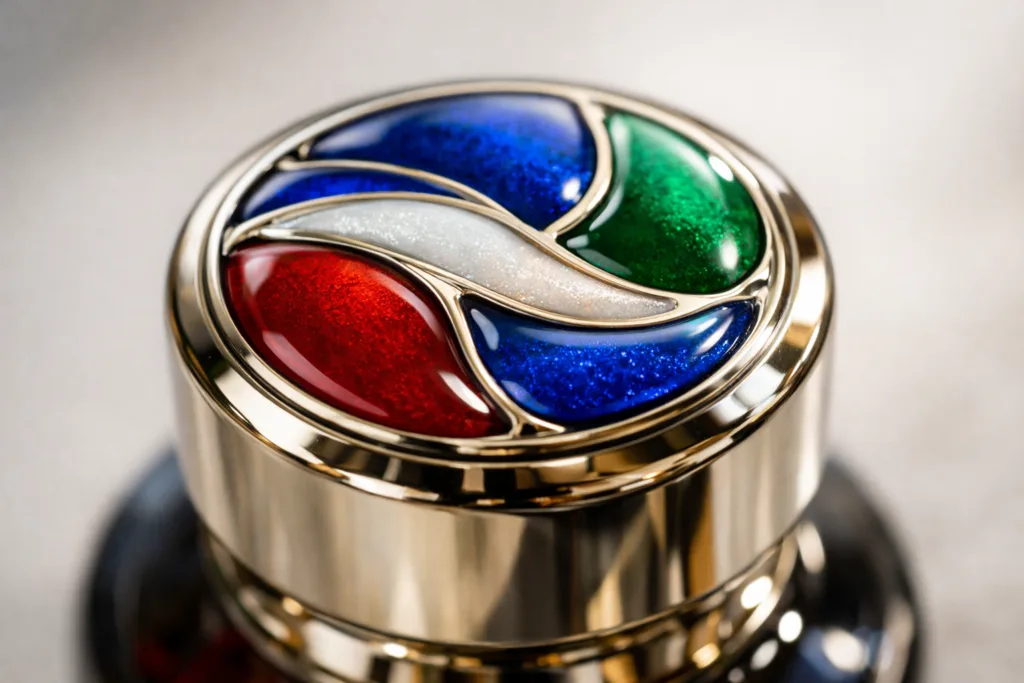
Emerging UV-cured resins, new hypoallergenic compounds, and digital design assists are propelling this ancient art into new arenas. With sustainability concerns rising, look for recyclable metals and natural pigments to become standard even in luxury applications.
Conclusion: The Lasting Appeal of Handmade Color
Mastering the art of Hand-Filling Enamel Colors is a commitment to excellence—one that pays off with finished pieces that stand apart in both beauty and durability. Through a blend of historical insight, technical rigor, and personal creativity, each creation tells a rich story visible in every filled cell and polished edge. In the world of modern metalwork, hand-filled enamel remains unrivaled for those who value artistry, tactile experience, and true attention to detail.
Frequently Asked Questions
What is hand-filling enamel and why is it special?
Hand-filling enamel is the manual process of placing colored enamel into recessed areas of metal, offering unmatched depth, brilliance, and artistry compared to automated methods.
Which metals are best suited for hand-filling enamel colors?
Zinc alloy, brass, and copper are popular choices for their smooth surfaces and compatibility with a range of enameling techniques, ensuring strong color adhesion and finish quality.
How do I prevent color bleeding between filled areas?
Use high-quality molds with precise recesses, control the viscosity of your enamel, and fill cells methodically from the edges to the center to keep colors crisply separated.
Is hand-filling enamel colors suitable for beginners?
Yes, with patience and practice, beginners can achieve impressive results by starting with simpler designs and primary colors before tackling advanced gradients or domed effects.
How durable are hand-filled enamel colors on metal products?
When properly cured and finished, hand-filled enamels are highly resistant to fading, chipping, or abrasion, provided quality materials and process control are maintained throughout production.
What are the latest trends in hand-filled enamel for metal crafts?
Current trends include the use of UV-cured resins, Pantone-matched colors for branding, and multi-layer techniques for three-dimensional effects, especially in luxury packaging and commemorative items.
Related Reading
- Your Ultimate Plan for Preventing Color Mismatch in Zinc Alloy Plating Projects
- Enamel, Paint, or Epoxy? Demystifying Your Best Metal Logo Fill
- 17 Major Causes of Zinc Alloy Plating Flaws—And How to Stop Them
- Unlock the True Meaning Behind Every Awareness Ribbon Pin Color
- The Ultimate Comparison: Die Struck vs. Die Cast Manufacturing—Unlock Key Insights