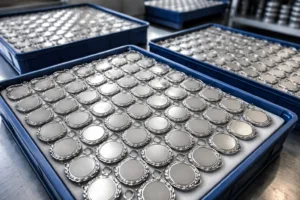
Introduction: Unlocking the Power of 3D Die-Cast Medals
3D die-cast medals offer unrivaled depth, durability, and design versatility—making them a top pick for anyone searching for impactful custom medals. With the ability to bring intricate art and brand storytelling to life, these awards now dominate sports competitions, corporate programs, and special events. In this guide, we examine all things 3D die-cast medals: when to use them, how they’re made, customization trends, and expert insights to help you choose the best format for your next event.
What Makes 3D Die-Cast Medals Unique?
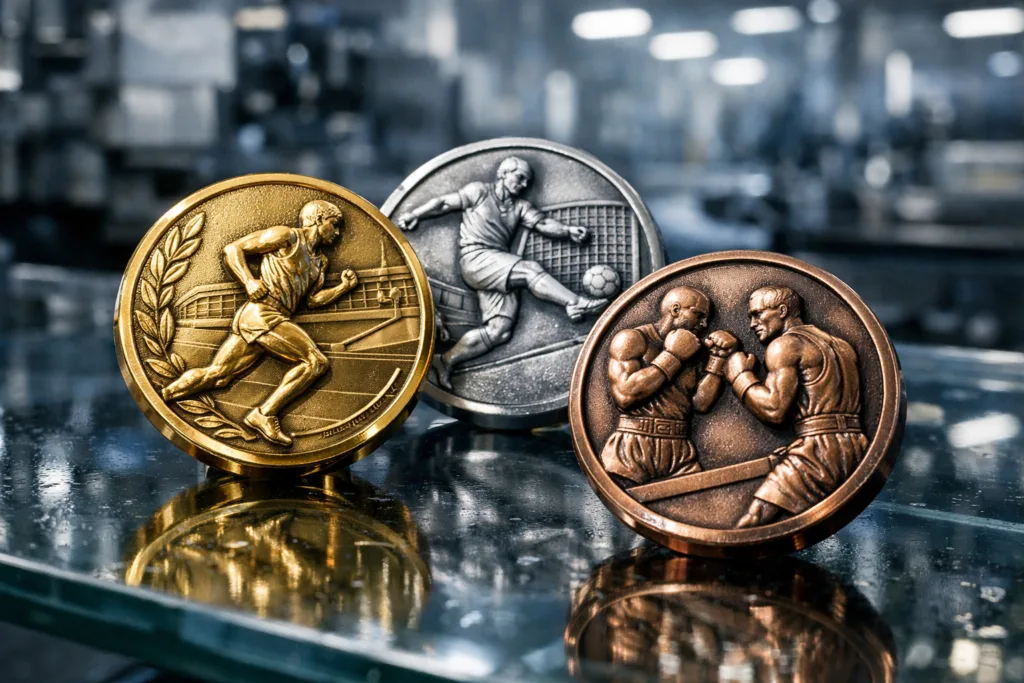
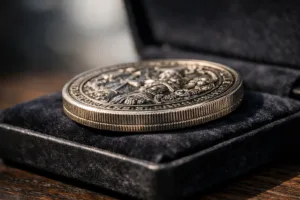
Unlike flat-stamped or printed medals, 3D die-cast medals utilize a mold to create raised, sculpted surfaces with serious depth and realism. This approach captures even delicate details—think facial features, layered logos, or dynamic motion—with a solid, jewelry-like feel. As medal manufacturers increasingly master precision engineering, these medals rival fine collectibles in appearance and quality.
Advantages of 3D Die-Cast Medals Over Traditional Flat Medals
- Visual Impact: Shadows and highlights emphasize every angle and curve, much like a sculpted coin.
- Durability: Cast from robust materials (often zinc alloy or brass), they resist wear and bending.
- Weight and Feel: The substantial touch elevates the recipient’s experience.
- Customization: Easily accommodates complex logos, mascots, or 3D elements.
Material Choices for 3D Die-Cast Medals
The selection of metals greatly influences strength, finish, and cost. Iron vs. zinc alloy medals remain highly popular: zinc alloy is prized for crisp detail, while iron offers heavyweight value. Luxury awards may use brass or even pure Zamac 3 for smoothness and longevity. For sustainable events, eco-friendly medals using recycled metal are gaining traction.
Production Process: How 3D Die-Cast Medals Are Made
Making a 3D die-cast medal involves:
- Designing a detailed 3D model—often using CAD software.
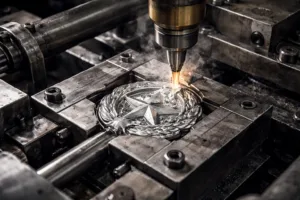
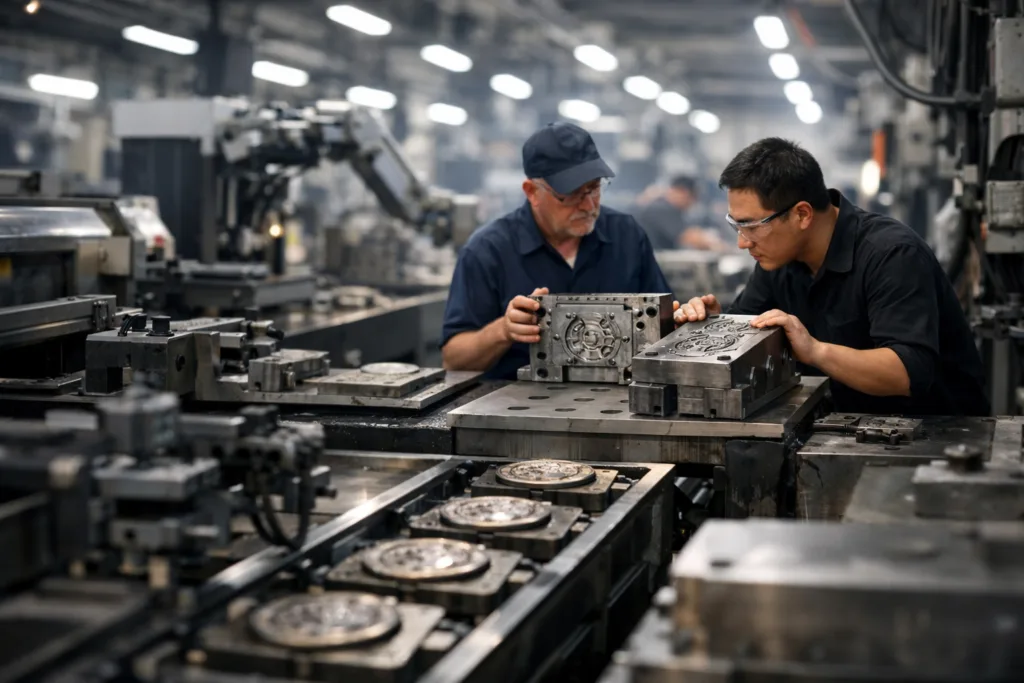
- Engraving a precision mold (sometimes CNC-machined).
- Injecting molten metal under pressure to fill the mold.
- Hand-fettling, polishing, and finishing each piece before plating or painting.
For events demanding luxury finishes, some manufacturers apply multiple stages of hand-polishing prior to plating, ensuring a mirror-like surface. The engineering of tight-fit molds and quality metals affects every detail—from the clarity of logos to the smoothness of edges. Experienced brands like Gairun frequently invest in pure raw materials and advanced mold tech to guarantee sharpness and purity in every medal.
Ideal Scenarios for Using 3D Die-Cast Medals
These medals truly shine in applications that prioritize wow-factor and lasting reputation, such as:
- sporting events—especially national and marathon races
- corporate recognition programs and milestone awards
- academic or arts competitions
- special commemorative occasions (e.g., anniversaries, charity galas)
Sports Competitions: Elevating the Experience
For marathons, triathlons, and series races, a sculpted 3D medal becomes a trophy that athletes cherish—and display. Custom 3D designs can incorporate dynamic elements like runners in motion or event landmarks, capitalizing on depth and shine. To see design inspiration, review race medal ideas organizers love.
Corporate Awards: Reflecting Prestige and Achievement
When recognizing top performers or celebrating milestones, 3D die-cast medals send a message of genuine accomplishment. These awards go beyond basics, leveraging intricate company logos, sculpted icons, and premium finishes that support brand values. Pairing with velvet boxes or custom packaging (as discussed in medal display guides) further accentuates their value.
Special Events and Commemoratives: Making Moments Last
Whether fundraising, marking an anniversary, or creating unforgettable souvenirs, 3D die-cast medals transform a simple keepsake into a lasting piece of art. Highly customizable and durable, they withstand being handled, displayed, and admired for years.
Customization Options for 3D Die-Cast Medals
- Choose from multiple shapes: circles, shields, custom silhouettes.
- Layered 3D elements, recessed backgrounds, or floating details for dynamic look.
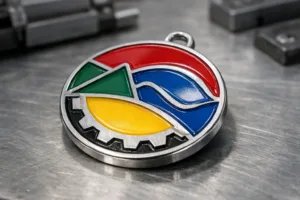
- Add colors (hard or soft enamel), glitter, or translucent enamel effects for impact.
- Personalize ribbon attachment via sublimation, screen print, or woven methods (sublimation vs. screen print ribbon).
- Customize packaging: drawstring bags, velvet boxes, acrylic cases.
Latest Design Trends in 3D Die-Cast Medals
Emerging trends spotlight creative features, like spinning centers, interlocking puzzle medals for series events (interlocking puzzle medals strategies), and multi-part assemblies that emphasize collectability. Some race organizers opt for translucent enamel or glow-in-the-dark details for a cutting-edge look.
Comparing 3D Die-Cast vs. Other Custom Medal Types
| Medal Type | Advantages | Best For |
|---|---|---|
| 3D Die-Cast | Vivid realism, depth, high durability | Prestige events, high-value awards |
| Stamped/Embossed | Simple, fast production, lightweight | Budget, casual events |
| Printed | Full-color graphics, quick turnaround | Artistic, promotional uses |
| Wooden/Recycled Metal | Eco-friendly, unique texture | Sustainable events |
When 3D Die-Cast Medals Are NOT the Best Choice
Though impressive, these medals may be excessive for small local gatherings, child-oriented events, or those on tight budgets. Simple stamping or printed medals can suffice for casual occasions—especially where speed or quantity matter more than prestige. If sustainability is key, explore eco-friendly alternatives (eco-friendly medals).
Key Factors to Consider Before Ordering
- Budget: 3D die-casting is more expensive than flat medals.
- Design Complexity: Detailed artwork maximizes their advantages.
- Quantity/Timeframe: Mold making takes time; plan ahead.
- Presentation: Upscale packaging can amplify perceived value.
The Importance of Precision in Mold Making
The heart of any 3D die-cast medal is the mold. Brands such as Gairun leverage high-precision CNC engraving, which sharply defines text, logos, intricate lines, and layered textures. Even the slightest deviation in mold alignment can introduce casting flaws or blurry details—so top-tier manufacturers routinely perform visual QC checks and reject parts that don’t meet their exacting standards.
Surface Finishing: Enhancing Shine and Protection
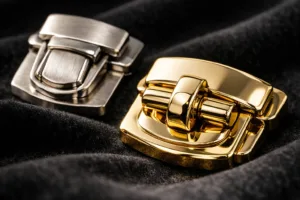
Smooth, mirror-like finishes demand multi-stage hand polishing before plating. Award medals may be finished via rack plating for even coverage and color depth, sometimes topped with PVD or epoxy coatings to boost longevity. These steps aren’t just cosmetic—they affect how the medal feels in hand and how well it stands up over time.
Color Application: Enamel, Plating, and Special Effects
- Soft enamel provides vibrant, textured color in recessed areas.
- Hard enamel delivers a glassy, durable look—ideal for high-wear medals.
- Special effects (e.g., glitter, translucent enamel) create visual drama and uniqueness.
Ribbon Selection and Assembly for Medals
The ribbon often sets the tone—from classic woven patterns to full-color sublimation. Opt for screen print when you want crisp logos or multi-color branding. Custom loops, rings, and fasteners can be engineered for smooth, secure assembly (ribbon and accessory assembly explained).
Packaging Strategies for an Elevated Unboxing
Memorable presentation matters. Many organizers select velvet boxes or custom acrylic displays to showcase 3D details. Proper packaging also protects the medal during transit and amplifies the recipient’s thrill. Review virtual race medal shipping tips for standards that promote damage-free delivery.
Quality Control: What to Expect from Leading Manufacturers
Premium factories enforce rigorous checks throughout production—ranging from visual inspections for casting defects to salt spray testing for corrosion resistance. Only parts passing all criteria are shipped, ensuring that every medal meets expectations for weight, shine, and clarity. To see more, visit quality control in custom medal manufacturing.
Case Studies: Successful Uses of 3D Die-Cast Medals
- Major Marathons: Increasingly opt for themed 3D medals with moving parts to create talking points among finishers.
- Corporate Milestone Awards: Employ multi-layered logos, precision engraving, and heavyweight feel for executive impact.
- Charity Galas: Custom silhouette designs and unique surface finishing amplify event branding and keepsake quality.
How to Collaborate Effectively with Medal Manufacturers
Bring precise artwork, clear goals, and reference samples (when possible). Discuss mold limitations and practicality with production engineers to iron out feasibility issues. Consider standardized materials and finishing for smoother order scaling. For mass production tips, explore how medal factories scale your order.
Key Takeaways and Best Practices
- Plan 3D die-cast medals for events that demand strong visual impact and lasting durability.
- Prioritize high-quality molds and materials—these define sharpness and longevity.
- Customize every detail, including ribbon and packaging, for premium presentation.
- Work with experienced manufacturers for trouble-free results.
3D Die-Cast Medals: When to Use Them
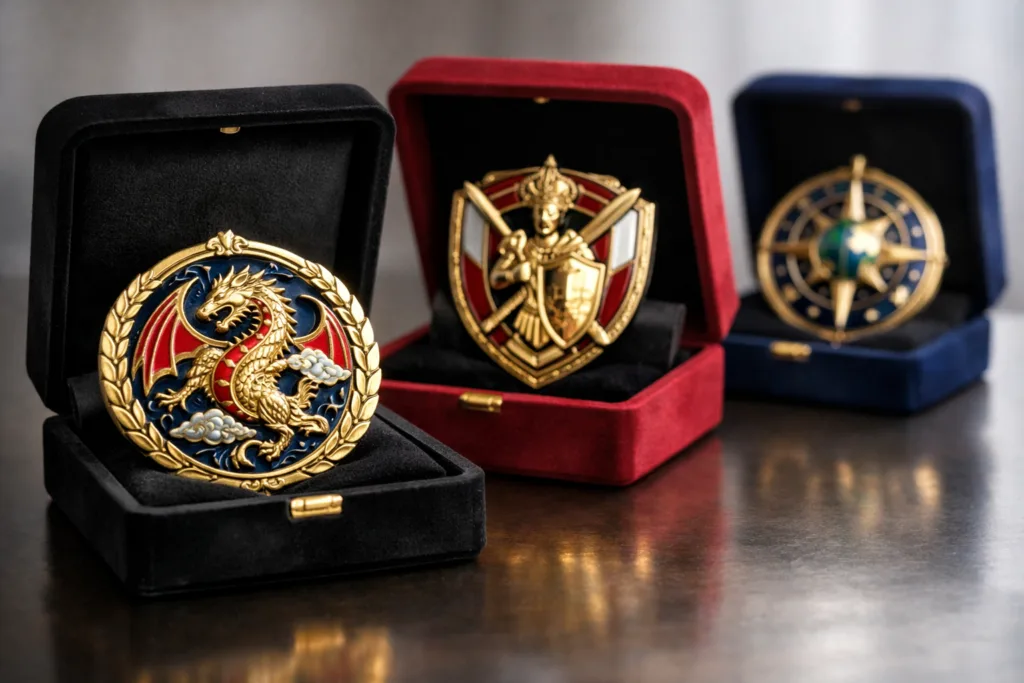
Use 3D die-cast medals when you need awards that truly stand out—bringing elite detail, solid feel, and boundary-pushing designs. Sports organizers, corporate event planners, and commemorative coordinators choose them for their capacity to tell stories in metal. For events where tradition, prestige, and visual excitement matter, these medals represent the gold standard in custom recognition.
Frequently Asked Questions
Can 3D die-cast medals feature color or enamel?
Absolutely; soft or hard enamel fills, glitter, and translucent effects are possible, allowing vibrant custom designs on sculpted surfaces.
What’s the minimum order quantity for custom 3D die-cast medals?
Most manufacturers set minimums from 100 to 300 units, since mold making is a fixed upfront cost.
How long does production usually take?
Typical timelines range from 4 to 8 weeks, accounting for mold creation, casting, finishing, and quality checks.
What sizes and shapes work best for 3D medals?
Sizes usually range from 50mm to 80mm, with circles and shields being popular. Custom shapes are possible with experienced engineers.
Are 3D die-cast medals suitable for sustainable events?
When made with recycled metals and eco-friendly packaging, they offer both impact and responsibility for modern organizers.
How can I ensure sharp logos and details?
Use vector artwork and work with a manufacturer skilled in precision CNC mold engraving and premium materials.