Introduction: Why Baseball Trading Pins Matter at Cooperstown
The Cooperstown Tournament sits at the heart of youth baseball tradition, drawing teams from around the nation to celebrate the sport’s rich history. At the center of this experience are baseball trading pins—tiny but powerful metal tokens representing team spirit, cherished memories, and lifelong connections. These pins aren’t just collectibles; they’re a language spoken by young athletes and fans, fostering camaraderie and igniting enthusiasm on and off the field. Let’s explore how baseball trading pins become more than just metal and enamel, offering meaning to every player, coach, and supporter attending the Cooperstown Tournament.
The Significance of Baseball Trading Pins: Cooperstown Tournament Guide
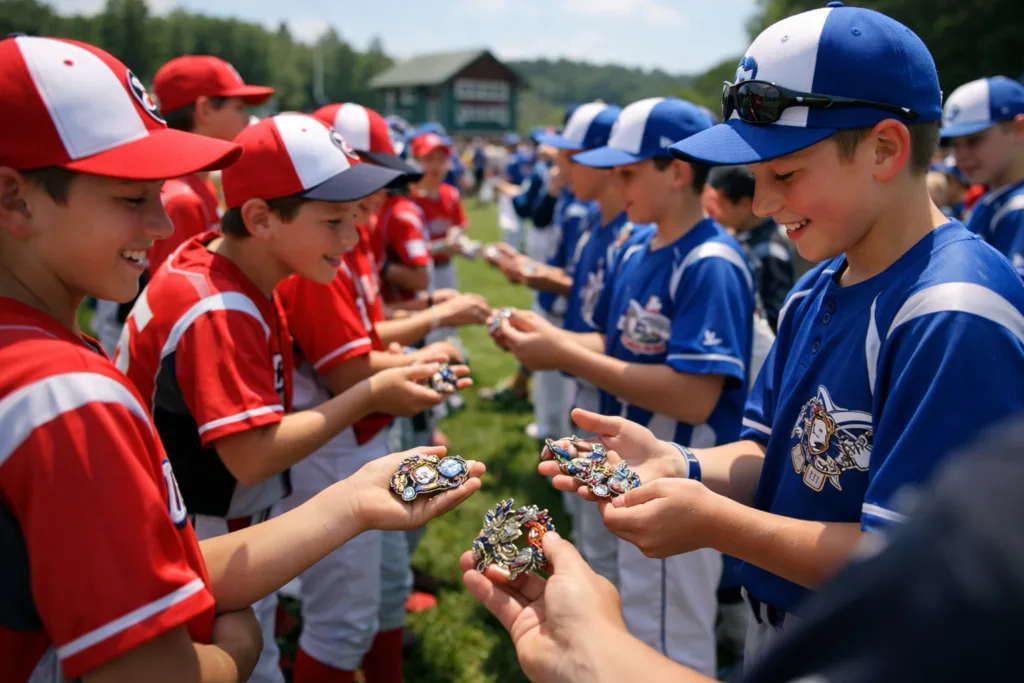
At Cooperstown, trading pins are a treasured ritual. Every young athlete looks forward to pin exchanges just as much as the games themselves. These pins capture the essence of a team’s identity—its colors, logo, mascot, and even its values—making each piece a physical symbol of belonging. During tournament week, players eagerly trade pins, competing for the most unique, rare, or creatively designed metal pins. This act helps break the ice, making it easier to form new friendships and reinforcing the spirit of fair play. It’s more than collecting for the sake of souvenirs: it’s creating lasting memories and building networks across states and regions.
What Makes a Baseball Trading Pin Special?
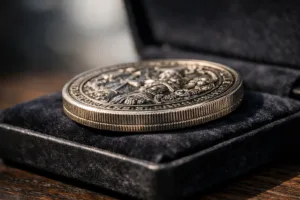
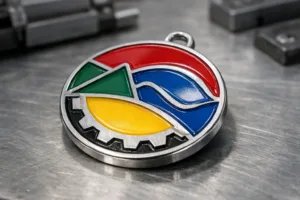
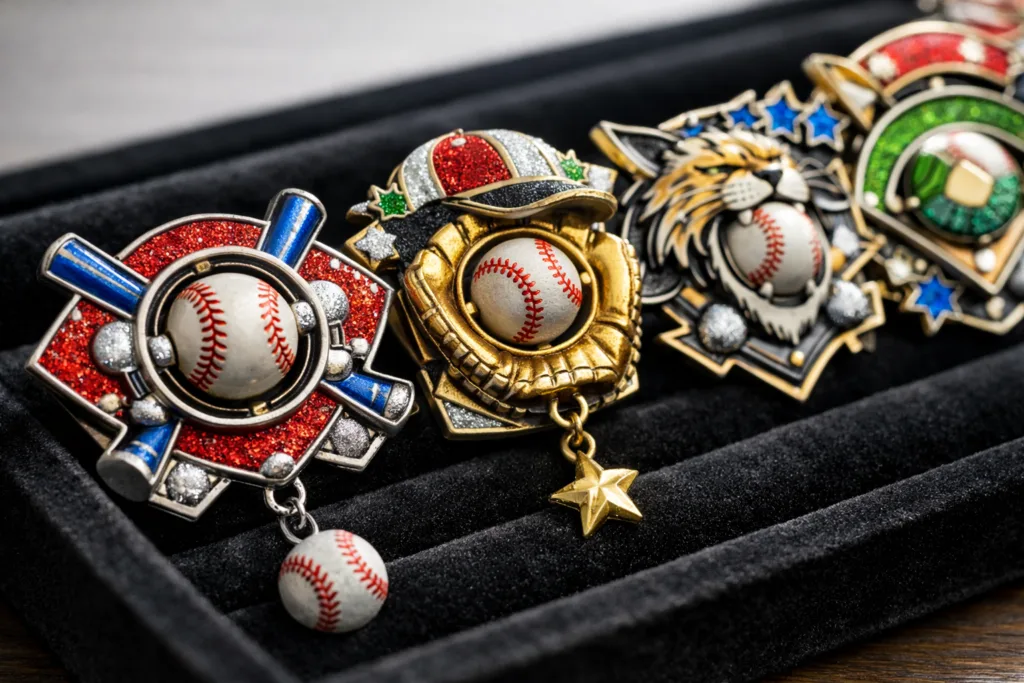
Not all trading pins are created equal. The most prized pins stand out due to quality craftsmanship, eye-catching designs, and a story behind their creation. Custom metal pins, especially those crafted with precision and premium materials, have an unmistakable weight and shine. Details such as glitter, danglers, spinners, and 3D relief add both visual flair and tactile excitement. Teams often invest extra care into their pins, striving for memorable designs that will be in high demand during tournament exchanges.
Team Spirit in a Pin: How Trading Pins Foster Camaraderie
The tradition of trading baseball pins plays a key role in boosting team spirit and forming bonds. Before arriving at Cooperstown, teams spend time designing their pins together, often voting on colors, mascots, or special features. This collaborative process not only sparks creativity but also gives every team member a voice. Once at the tournament, pin trading becomes a social event—clusters of players gather between games, excitedly swapping, showing off, and sharing stories. The experience builds a sense of unity, strengthens friendships, and ensures that every player leaves Cooperstown with new connections.
History and Culture of Metal Pins at Baseball Tournaments
While the tradition began decades ago, the popularity of metal trading pins has surged in youth baseball. Early pins were simple enamel pieces, but today’s collectibles feature intricate designs made by skilled metal crafts manufacturers using advanced techniques. Pin trading itself has grown from an informal pastime to an essential part of tournament culture, encouraging fair exchange, respect, and cross-team friendships. For many families, pins are passed down as keepsakes, representing each child’s journey through baseball.
Designing Custom Metal Baseball Trading Pins: Essential Tips and Tricks
Creating a standout pin for Cooperstown starts with careful planning. Teams should outline their mascot, colors, and any unique symbols that speak to their identity. For maximum impact:
- Pick bold, contrasting colors for visibility
- Use high-resolution artwork for crisp lines and features
- Consider specialty elements like glitter, spinners, or danglers
- Balance size with portability—most popular trading pins are about 1.75 inches
- Opt for sturdy backing such as butterfly or rubber clutch for easy wearing
When working with a manufacturer, communicate your preferences clearly and ask for samples or digital proofs before full production.
Metal Pins vs. Enamel Pins: Making the Right Choice for Your Team
| Attribute | Metal Pins | Enamel Pins |
|---|---|---|
| Material | Solid brass or zamac alloys | Metal base with colored enamel fill |
| Durability | Excellent; heavy and robust | Good; may chip under stress |
| Detail | Sharp lines, premium finish | Vivid color, smooth surface |
| Customization | Full shape, plating, and attachment options | Wide color palette, raised or recessed designs |
| Collector Appeal | High for limited-edition runs | Popular for visual creativity |
Choosing between metal and enamel pins depends on your team’s budget, desired look, and the tradition you want to establish with your tokens.
Choosing Pin Sizes and Styles for Trading Success
Pin size directly influences trading appeal. Most teams gravitate toward pins between 1.5 and 2 inches, which offer enough space for details but remain light enough for hats or lanyards. Styles range from classic round and oval shapes to custom cutouts, 3D reliefs, or multi-part pins. Spinners and danglers draw extra attention but can cost more. For trading at Cooperstown, unique shapes and memorable features receive the most requests.
The Pin Manufacturing Process: From Design to Delivery
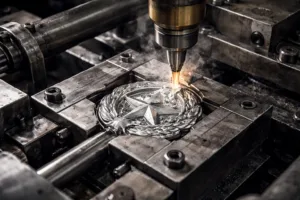
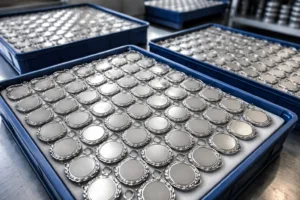
High-quality metal pins require careful engineering and finishing. Manufacturers—such as those setting industry standards like Gairun—choose pure zamac alloys or quality brass for their base, ensuring smooth surfaces and crisp detailing. After the team’s design is finalized, CNC-engraved molds help capture sharp lines. Each pin is cast, trimmed, and hand-polished before any color or plating is applied. For luxury pins, rack plating delivers vibrant chrome, gold, or antique finishes. Strict quality control, including durability tests, ensures the final product meets expectations and withstands daily handling. Teams should ask about production timelines and review sample proofs during the manufacturing phase.
Ordering Custom Pins: Lead Time and Practical Considerations
Ordering for Cooperstown requires attention to deadlines—most manufacturers need 3–6 weeks for production, especially during tournament season. Teams should confirm order details: quantity, pin size, color options, and any extras like packaging. Bulk orders offer cost savings, but teams must balance their budget with collector appeal. Clear communication with a trusted badges manufacturer ensures timely delivery and consistent quality.
Where to Buy High-Quality Baseball Trading Pins, Metal Pins
Teams have several options—local trophy shops, specialty pin companies, online platforms, or directly from metal crafts manufacturers. Global brands like Gairun offer expertise in jewelry-grade finishes, precision molds, and rigorous quality checks. Choosing reputable suppliers who understand tournament needs is crucial; always request samples and review finish options, like hard versus soft enamel, to ensure pins match your vision.
Creative Pin Features: Spinners, Danglers, Glitter, and More
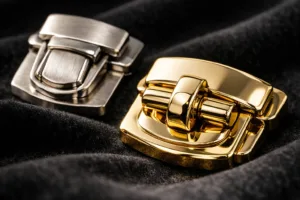
The most sought-after pins often feature creative enhancements. Spinners add movement; danglers create a layered effect; glitter or translucent enamel brings shimmer and depth. Some teams customize their pins with serial numbers, limited edition marks, or dual plating—techniques detailed in mixing gold and silver for exceptional appeal. These features elevate pins from simple tokens to must-have collectibles, enticing both players and fans during trading sessions.
Packaging and Display: Showcasing Pins for Maximum Impact
How pins are presented influences their perceived value. Velvet boxes, branded cards, and collector lanyards all add to the excitement of trading and gifting. Display and packaging tips from industry experts improve the collector experience and help preserve pins for years. For valuable insights, see how to display and package enamel pins for maximum collector appeal.
Trading Etiquette: Best Practices for Swapping Pins at Cooperstown
Trading pins is as much about respect as it is about fun. Players should always ask before making a trade, never pressure others, and swap only pins in good condition. Tournament organizers encourage positive interactions, limiting trades to fair exchanges. This tradition sets a foundation for sportsmanship and makes every pin a memory, not just a collector’s piece.
Boosting Team Morale with Trading Pins
Trading pins motivate players by rewarding hard work and fostering team pride. Coaches often hand out special pins during milestone moments—win streaks, outstanding plays, or overcoming challenges. These tokens reinforce unity and offer a visual reminder that every member’s effort counts. Pin rituals before games or at team dinners foster enthusiasm and strengthen morale even during tough matches.
Lasting Memories: How Pins Define Cooperstown Tournament Experiences
The week-long tournament is filled with highlights, but many players recall pin trading as their most treasured activity. Swapping pins introduces athletes to peers from different backgrounds, developing friendships far beyond the baseball field. Pins serve as yearbook signatures—each team’s design, each exchange, tells a story. Players, coaches, and parents look back on these collectibles as tangible memories, preserving their Cooperstown experience for life.
Team Branding and Pin Design Strategy
Pins are miniature billboards for your team identity. Smart branding includes your mascot, city, tournament year, and any distinctive imagery. Detailed design strategies ensure every pin stands out and reflects the team’s spirit. For professional technique and inspiration, refer to guides like how to design enamel pins for retail brands that sell.
Pin Backing Types: Choosing Secure and Easy Attachments
Backings determine how pins are worn and traded. Popular options include butterfly clutches for easy wear, rubber backs for extra comfort, and magnetic attachments for premium pins. For advice on selecting the right backing, review rubber vs. butterfly clutch: smart ways to decide your next pin backing. Correct backing choices ensure pins stay secure during activities and trading.
Pin Care, Maintenance, and Long-Term Preservation
Collectors cherish well-preserved pins. Avoid moisture, keep pins in soft cases, and clean gently with a lint-free cloth. Specialty pin finishes, such as high-polish or dual plating, benefit from occasional professional cleaning. Proper care ensures every pin remains vibrant and valuable as a keepsake.
The Impact of Trading Pins Beyond the Tournament
Pin trading influences confidence, social skills, and team culture long after Cooperstown. Players carry lessons about negotiation, respect, and creativity into their lives. Trading sessions inspire collector communities, encouraging ongoing exchanges, personal growth, and celebration of baseball’s legacy.
Limited Edition Pins: Unlocking Rarity and Collector Status
Some teams design special pins with limited-production runs, serial numbers, or unique colorways. These rare pins fetch higher trade values and emerge as status pieces among collectors. To learn how serial numbering can raise value and rarity, check out serial numbering on custom coins for collectibility. Limited edition strategies create excitement, competition, and pride during the tournament.
The Role of Technology in Modern Pin Manufacturing
Advancements in 3D modeling, CNC engraving, and automated plating have transformed the pin industry. Teams now enjoy precision design, rapid prototyping, and flawless reproduction of details, ensuring every pin aligns with branding and collector appeal. Innovations in finishing, such as PVD coating, improve durability and shine, setting industry standards for youth sports memorabilia.
Common Mistakes When Ordering Tournament Pins—and How to Avoid Them
Missteps in pin ordering include unclear artwork, late orders, or choosing fragile backings. Teams should plan early, confirm digital proofs, and select reliable metal crafts manufacturers with consistent communication. Avoid rushing design decisions, and always review samples before approval. Learning from these pitfalls ensures trading pins arrive on time and exceed expectations.
Budgeting for Trading Pins Without Sacrificing Quality
Even with tight budgets, teams can achieve quality and impact. Consolidate orders, select durable materials, and streamline design complexity. Collaborate with experienced suppliers who offer guidance on maximizing value, much like Gairun’s approach to using virgin zamac for smoother finishes and tighter tolerances. Clear priorities in pin production help balance cost with collector appeal.
Building a Pin Trading Strategy for the Cooperstown Tournament
Successful teams don’t just bring pins—they strategize. Pre-tournament, players practice trading etiquette and learn negotiation tips. Coaches set goals: ensure every athlete gets unique pins, encourage team-based trading, and organize tournament events focused on pin swaps. Preparation boosts trading success and helps every player feel included.
Celebrating Team Achievements with Specialized Pins
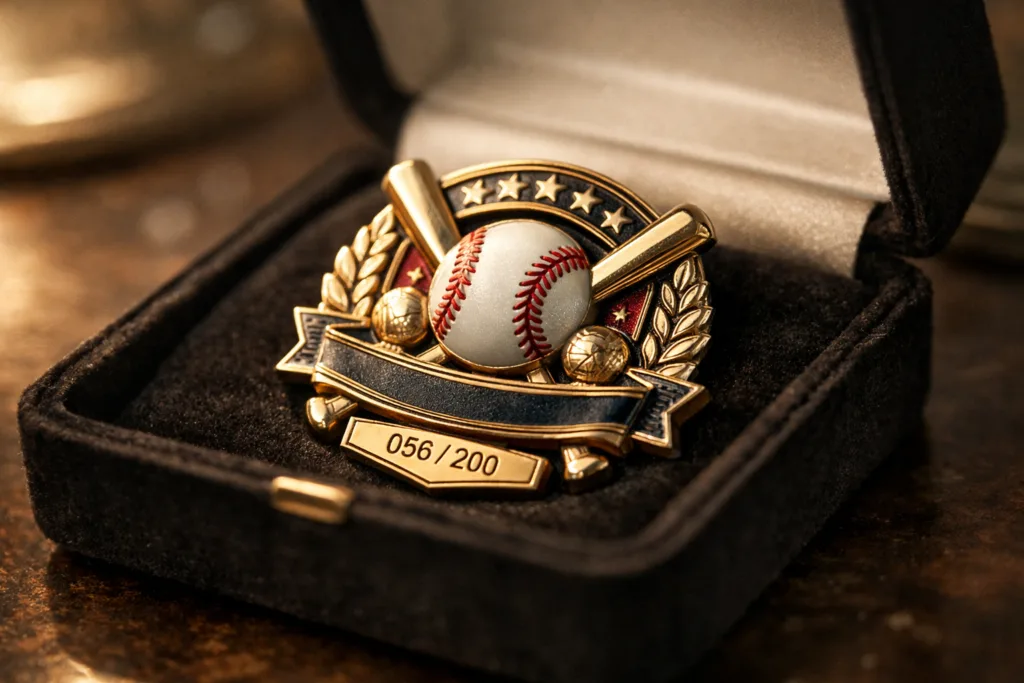
Some teams create specialized pins to recognize MVPs, coaches, or milestone victories. These pins mark memorable moments, rewarding excellence and commitment. Inspired by the tradition of awards and medals, teams use custom pins as visual kudos—embedding these achievements into their Cooperstown legacy.
Conclusion: The Lasting Legacy of Baseball Trading Pins at Cooperstown
Baseball trading pins are much more than tournament souvenirs—they embody team spirit, personal growth, and cherished memories. At Cooperstown, these metal tokens unite players, celebrate diversity, and create stories that endure long after the final game. Smart design, manufacturing expertise, trading etiquette, and collector strategies combine for an unforgettable experience. Whether you’re a coach, parent, or player, investing in quality trading pins ensures each tournament is meaningful and every pin exchanged builds a legacy worth remembering.
Frequently Asked Questions
What is the best size for baseball trading pins at Cooperstown?
Most popular trading pins range from 1.5 to 2 inches, offering enough detail without being too heavy for hats or lanyards.
How early should teams order custom tournament pins?
To avoid production delays, teams should place orders 3–6 weeks before the event, especially during peak tournament seasons.
What features make a pin more desirable during trading?
Specialty effects like glitter, spinners, danglers, unique shapes, and limited edition marking are highly sought after and boost trading appeal.
Which pin backing is most secure for active tournament wear?
Butterfly clutch and rubber backings are favored for their secure fit and comfort, keeping pins in place during games and trading sessions.
Can trading pins boost team morale?
Yes, trading pins serve as rewards and symbols of team unity, encouraging players and coaches, especially during milestone celebrations.
How should trading pins be stored to prevent damage?
Pins should be kept dry, cleaned gently, and stored in soft cases or velvet boxes to maintain their shine and prevent scratches.
Related Reading
- Collecting Secrets: Elegant Ways to Display and Package Trading Pins
- Shimmering Strategies: Dual Plating Techniques for Enhanced Pin Value
- Raising Pin Rarity: The Power of Serial Numbering
- Pin Backing Dilemmas Solved: Rubber vs Butterfly Clutch Explained
- Industry Wisdom: Designing Retail-Ready Enamel Pins that Sell