The Essentials of Custom Metal Buttons
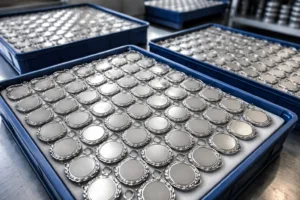
Custom metal buttons combine strength, style, and function. Businesses rely on these buttons for uniforms, branded apparel, decorative wear, and promotional items. Each button reflects brand identity and craftsmanship. Materials, manufacturing processes, and attachment methods all matter for quality and durability.
Materials for Custom Metal Buttons

The right material sets the foundation for custom metal buttons. Manufacturers select materials based on appearance, resistance, cost, and use case. Each metal offers distinct strengths.
Zinc Alloy
Zinc alloy stands out for its flexibility in design and affordability. Its ability to support detailed relief (2D and 3D patterns) makes it popular for decorative buttons, badges, and crafting.
Brass
Brass delivers a classic gold-like look and strong corrosion resistance. Designers use brass where elegance and lasting shine matter, such as premium apparel and military regalia.
Stainless Steel
Stainless steel buttons withstand moisture, abrasion, and chemicals. Types 304 and 316 offer exceptional hardness. These metals suit outdoor workwear, uniforms, and fashion where durability is critical.
Aluminum
Aluminum’s low weight and smooth finishing make it ideal for lightweight but sturdy projects. Anodized layers offer superior color choices and corrosion resistance.
Iron & Steel
Iron and steel bring hardness to rugged applications. Protective finishes, like electroplating or powder coating, prevent rust and make the surface attractive.
| Material | Strength | Finishing Options | Common Application |
|---|---|---|---|
| Zinc Alloy | Flexible, moderate | Plating, painting, enamel | Fashion, promo, branding |
| Brass | Strong, corrosion-resistant | Antique, gold, chrome | Luxury, uniforms, badges |
| Stainless Steel | High, excellent wear | Brushed, matte, mirror | Workwear, outdoors, sports |
| Aluminum | Lightweight, moderate | Anodizing, powder coat | Suits, bags, accessories |
| Iron/Steel | Very hard, heavy | Plating, powder, painting | Jeans, coats, utility wear |
Button Manufacturing Processes
Each metal button starts with a precision process. Advanced techniques help achieve complex shapes, fine details, and uniform quality.
Die Casting
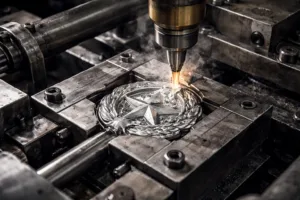
Die casting is the leading method for custom shapes and raised designs. The process injects molten metal into steel molds, creating crisp edges and textures. Gairun uses precision wire EDM to craft molds with tight tolerances down to 0.02 mm, ensuring repeatability.
Stamping and Pressing
Stamping quickly shapes sheet metal into buttons with flat or slightly domed profiles. Press tools punch out forms and emboss logos or text. Ideal for high-volume production and thin materials (0.8 to 2.5 mm thickness).
CNC Milling and Turning
CNC machines sculpt metal buttons with fine grooves and surface treatments. This method achieves high detail for badges, bespoke buttons, and special edition runs.
Photo Etching
Photo etching uses specialized chemicals to create intricate patterns. Manufacturers can produce fine lines and exact replica logos without mechanical pressure, perfect for lightweight aluminum or brass buttons.
Laser Cutting and Engraving
Laser processes offer remarkable precision for cutting shapes or adding serial numbers, QR codes, and personalization.
Spin Casting
Spin casting enables small batch production of unique shapes using silicone molds. Suitable for non-standard designs with varied thickness.
Decorative Relief and Color Fill Options
Custom metal buttons stand out with three-dimensional patterns, color infill, and surface finishes. Attention to detail sets premium buttons apart.
2D and 3D Relief
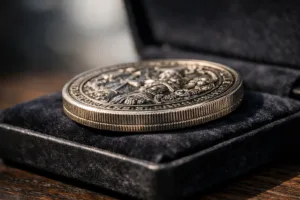
Embossed designs add texture and character. 2D relief delivers classic lines, while 3D relief creates deep, lifelike effects. Fill depth is commonly 0.3 to 0.6 mm—thicker for more impact.
Enamel and Epoxy Dome
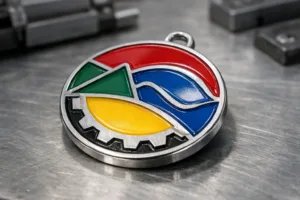
Soft enamel fills recessed areas and cures to a slightly indented touch. Hard enamel matches the surface and resists wear. Epoxy domes provide glossy protection and magnify underlying color or detail.
Pantone Color Matching
Precise color matching ensures brand coherence. Manufacturers use Pantone codes to guide mixing and quality checks, minimizing color variations (ΔE < 2).
Finishes for Durability and Appearance
Finishing determines a button’s final look and longevity. Technique selection affects corrosion resistance, reflectivity, and tactile feel.
Electroplating
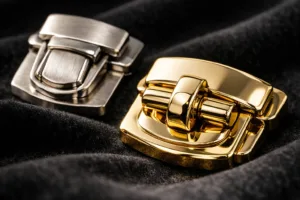
Electroplating covers metal with protective or decorative layers. Options like antique brass, gold, gunmetal, or nickel add style and function. Gairun checks plating thickness (via XRF analyzers) to meet specs from 4–10 μm, balancing cost and durability.
Anodizing
Anodizing aluminum builds up an oxide layer, boosting color fastness and shielding against chemicals. Ideal for lightweight, colorful buttons.
Physical Vapor Deposition (PVD)
PVD creates ultra-hard surfaces with mirrored or satin effects—great for luxury or high-wear uses.
Powder Coating
Powder coating creates thick, chip-resistant surfaces for buttons exposed to outdoor environments or heavy use.
Sandblasting and Polishing
Sandblasting imparts subtle textures; polishing gives mirror-bright or satin finishes. These steps highlight relief details and create tactile contrast.
Custom Metal Buttons Assembly and Fixing Methods
Buttons must attach securely yet complement the garment or accessory. Manufacturers offer a range of fixing options for every design.

Shank Back
Shank backs include a loop for sewing, found on coats, uniforms, and high-end outfits.
Sew-On & Rivet Types
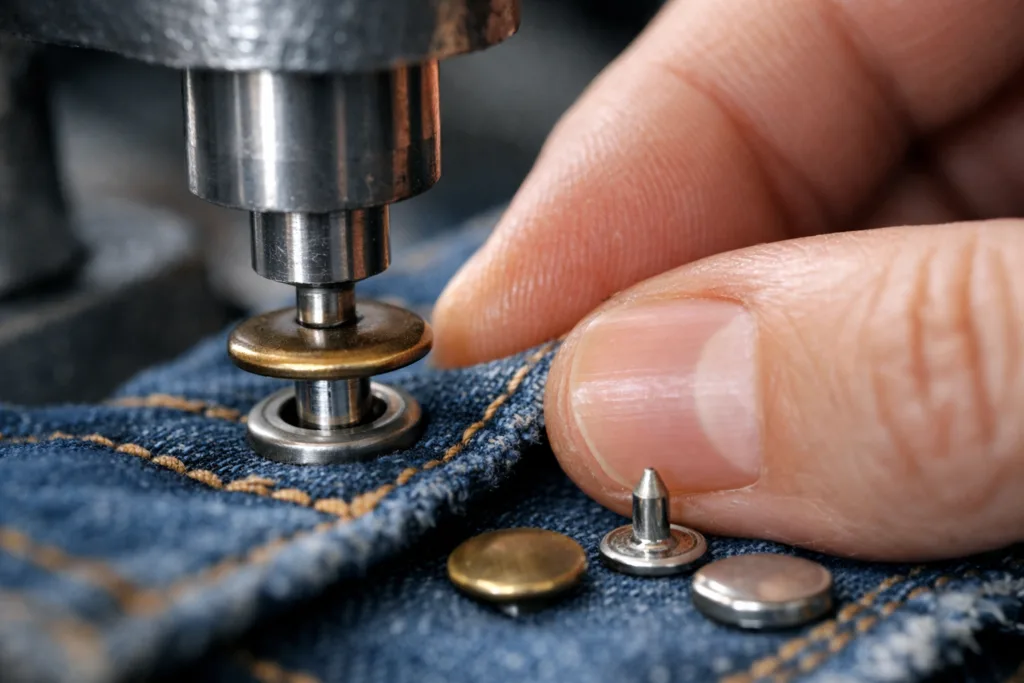
Flat sew-on buttons feature drilled holes for threads. Rivet types use a post and cap, fixed with pressure—common in jeans and workwear.
Snap and Magnetic Backs
Snap backs use male/female components for easy removal. Magnetic backs add quick interchangeability for fashion, displays, or costumes.
Adhesive and Screw-On Options
Strong adhesives (like 3M VHB tape) and screw posts suit non-fabric attachments, such as nameplates or bag tags.
- Split ring connectors—ideal for keychain style buttons.
- Lobster clasps—used for decorative and interchangeable uses.
Quality Control and Industry Standards
Reliable buttons require strict quality management. Leading factories apply international standards and specific test methods.
Tolerance and Inspection
Dimensional checks target ±0.05 mm accuracy, especially for mold-formed parts. Sampling follows ANSI/ASQ Z1.4 AQL guidelines for defect rates.
Finish and Adhesion Tests
Plating adhesion undergoes ASTM D3359 tape tests; weathering checks use salt-spray exposure (per ASTM B117) for up to 96 hours to confirm corrosion protection.
Hardness and Color Evaluation
Hardness (measured in HV) ensures buttons resist denting. Color difference (Delta E) is tracked for brand consistency.
Compliance and Safety
RoHS and REACH compliance verify buttons are free from harmful substances. For wearable items, EN 1811 nickel release checks ensure skin safety, while U.S. CPSIA/Prop 65 requirements are met for children’s products.
- RoHS/REACH for chemical safety
- EN 1811 for nickel release (skin contact)
- ASTM D3359 for finish adhesion
- ASTM B117 for corrosion resistance
Applications and Branding Impact
Custom metal buttons bridge practicality and branding. Businesses choose tailored designs to reinforce their image and create lasting products.
Fashion and Uniforms
From blazers and outerwear to branded polos, buttons unify a look and signal quality.
Promotional and Gift Items
Buttons serve as collectible giftware, event giveaways, and souvenirs for fans.
Luggage and Accessories
Strong buttons secure bags, wallets, and cases—often bearing logos or themed designs.
Decorative Hardware and Nameplates
Furniture, bags, and home decor use custom metal buttons for their blend of function and style.
Sports & Events
Event buttons (like marathon finisher pieces or festival badges) celebrate milestones and encourage engagement.
Custom Metal Buttons Manufacturing Guide
Successful button projects depend on coordination between client and manufacturer. Here’s how Gairun and many OEM/ODM specialists help brands achieve the best results:
- Material Selection: Match use case (weather, abrasion, weight) with appropriate alloys.
- Process Choice: Pick cost-effective molding, etching, or machining methods per design complexity.
- Finish and Color: Decide on plating, enamel, or powder coat—confirm exact color via Pantone matching.
- Fixing Method: Select shank, sew-on, rivet, snap, magnetic, or adhesive based on apparel or hardware requirements.
- Compliance & Testing: Insist on certifications for safety and quality—especially for consumer or wearable items.
Expert Takeaway: Engage manufacturers early with detailed drawings and samples. Spec thickness, relief depth, finish, and fixings to minimize errors and delays.
Packaging Solutions and Delivery
Final presentation matters. Packaging protects buttons in transit and gives a professional impression. Gairun offers standard OPP bags, velvet boxes, blister packs, and display cards. Secure packing reduces damage risk and ensures every order arrives ready for use or sale.
Bulk and Presentation Packaging
Most B2B orders ship in bulk for efficiency. Branded options (display boxes, gift packs) are available for premium or retail products.
Lead Time and Minimum Orders
Lead time depends on complexity, finish, and batch size. Typical custom runs range from 1,000 to 50,000+ units, with average production times of 15–35 days.
OEM/ODM Service
For businesses, reliable service means fast quoting, technical support, prototyping, and quality assurance—core strengths of Gairun and similar experienced B2B partners.
Frequently Asked Questions
What materials are best for custom metal buttons?
Zinc alloy, brass, stainless steel, aluminum, and iron/steel are most popular. Each suits a different balance of cost, strength, and appearance.
How are custom metal buttons manufactured?
Main processes include die casting, stamping, photo-etching, CNC machining, and laser engraving. The choice depends on design detail and order size.
What surface finishes are available?
Finishes include electroplating (brass, gold, nickel), anodizing, powder coating, PVD, sandblasting, and mirror or brushed polishing.
How are metal buttons attached to products?
Common fixing methods include shank backs for sewing, rivets, snap or magnetic backs, adhesive tape, screw posts, and split rings.
Can I request Pantone color matching for button designs?
Yes, reputable manufacturers match colors using Pantone standards so branding remains consistent and accurate across batches.
Are custom metal buttons tested for quality and safety?
Yes, manufacturers run checks for tolerance, plating thickness, adhesion, corrosion, and compliance with RoHS, REACH, and skin safety standards.