Introduction: Understanding Die Cast Medals Explained
Die cast medals have become a go-to for organizers, schools, and corporations who want awards that combine intricate design, substantial feel, and lasting value. If you’re pondering whether die cast medals are the right choice for your event or organization, this guide will break down their manufacturing process, show how they create striking 3D effects, compare them to stamped medals and zinc alloy alternatives, and reveal when die cast medals truly shine. Let’s demystify die cast medals explained so you can make awards decisions with confidence.
What Are Die Cast Medals? The Basics
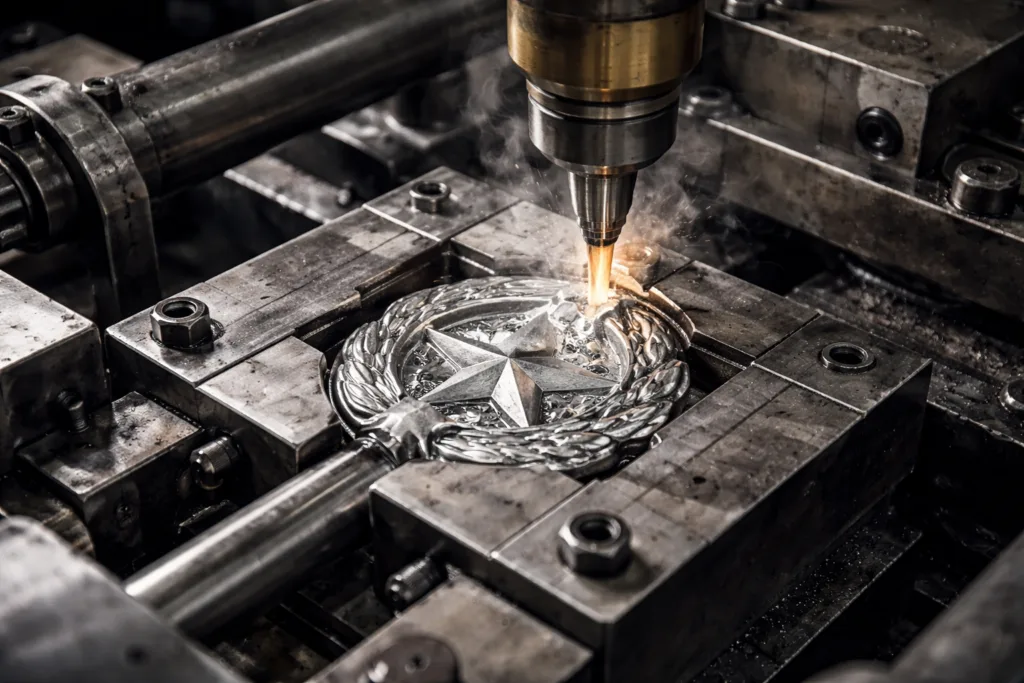
Die cast medals are custom awards made by injecting molten metal, often zinc alloy (Zamac), into high-precision molds. This process enables the creation of complex shapes, deep reliefs, and dramatic contours.
- Visual depth: 3D features and layered surfaces
- Weight: Substantial, jewelry-like heft
- Design flexibility: Easy to achieve multi-level effects
The Science Behind Die Casting
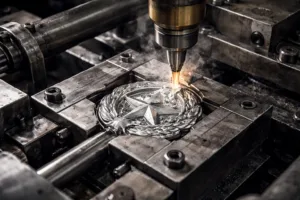
Die casting requires specialized equipment and pristine materials. Using refined Zamac or high-grade brass, molten metal is forced into finely engraved molds under pressure. As the metal cools, it hardens into the desired shape. This is why die cast medals explained are renowned for their dimensional effect and touchable quality.
Why Choose Die Cast Medals Explained?
If you want awards that feel premium—both in hand and in appearance—die cast medals deserve serious consideration. Here’s what sets them apart:
- Exceptional 3D relief and depth
- Thicker, heavier form compared to stamped medals
- Greater freedom for complex shapes and cut-outs
- Luxurious finishes (antique, gold-plated, two-tone)
Situations Where Die Cast Medals Excel
Die cast is perfect for:
- Showcasing detailed logos or artwork
- Commemorative medals for major events
- Sports medals that need a bold statement
- Collector series and corporate recognition awards
Die Cast vs Stamped Medals: Key Differences
To understand die cast medals explained fully, it’s important to compare them to stamped medals. Stamping is a metal forming process that produces crisp, shallow engravings with a classic flat profile. Die casting, by contrast, opens possibilities for sculpted layers and custom shapes.
| Feature | Die Cast Medals | Stamped Medals |
|---|---|---|
| Design Complexities | Excellent for deep relief, curves, 3D shapes | Best for flat, crisp lines |
| Thickness | Usually 3-7mm, substantial | Around 2-3mm, lightweight |
| Weight | Heavy, robust | Lighter |
| Finish Variety | Multi-tone, antique, enamel fill | Polished, brushed |
| Minimum Order Quantity (MOQ) | Higher, due to mold cost | Lower |
For a deeper dive on manufacturing processes, check out die struck vs die cast manufacturing comparison.
Zinc Alloy’s Role in Die Cast Medals Explained
Zinc alloy (often Zamac 3 or Zamac 5) is the most popular material for die casting medals. Its unique properties include:
- Superior flow into molds for crisp detailing
- Lead-free safety, complying with global standards
- Balance of strength and malleability for durability
Some brands, such as Gairun, choose only virgin Zamac alloys for purity. This ensures a smoother surface and better electroplating, crucial for premium products.
If you’re curious about material choices, explore the zinc alloy vs brass vs stainless steel material guide.
Custom Die Cast Medals Explained: Design Possibilities
The beauty of custom die cast medals explained is their limitless potential:
- Contour shapes: Medals can be round, oval, or custom-cut
- Raised logos and fine text: Achieved with high-precision CNC molds
- Multi-layered relief: Features can be raised or recessed
- Cut-outs: Negative spaces, latticework, or open centers
- Surface textures: Matte, sandblasted, brushed, or mirror finish
For event organizers, custom die cast medals allow the award to be the highlight of any ceremony.
Visual Impact: 3D Relief Effects in Die Cast Medals
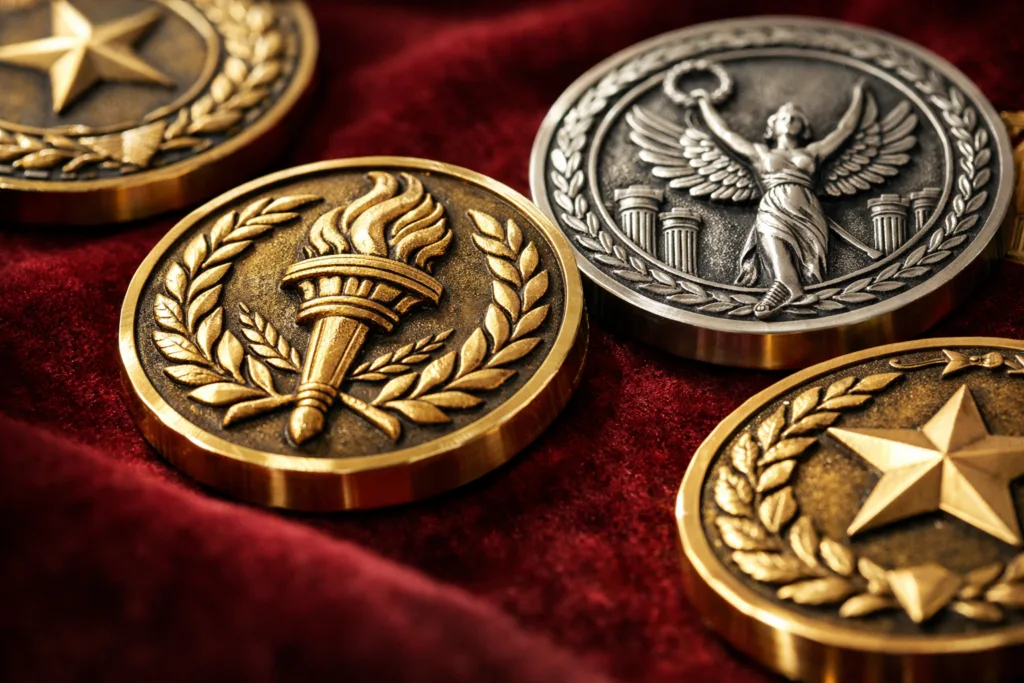
Die cast medals explained are prized for their ability to create dramatic 3D relief. When you hold one, you’ll notice:
- Layered details that catch light and shadow
- Sculptural logos and emblems
- Texture contrast (smooth backgrounds, raised motifs)
This effect is nearly impossible with stamped medals, which remain flat and less tactile.
Weight and Hand Feel: The Premium Experience
Holding a die cast medal feels different. The thickness, density, and balance offer a physical reminder of achievement. Compare this to lightweight stamped medals, and the difference is instantly noticeable.
- Heavier (often 30–60g per medal)
- Substantial, satisfying feel in hand
- Often leads to better recipient reaction
Complex Shapes and Sculpted Designs
Die cast medals explained truly excel when you want creative shapes. Whether you need dramatic curves, hollow centers, or bold reliefs, die casting unlocks design freedom.
- Irregular forms (not limited to round)
- Detailed edges and internal cut-outs
- Layered surfaces for visual storytelling
Check the die cast 3d relief medal for practical examples.
Finish Options: Antique, Plating, Enamel, and More
Die cast medals support a range of finishes:
- Antique plating: Rich depth for vintage look
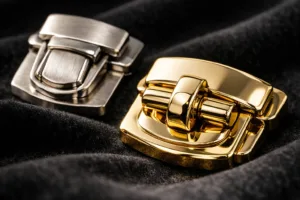
- Gold plating: Bright, prestigious gloss
- Two-tone electroplating: Contrasts for modern appeal
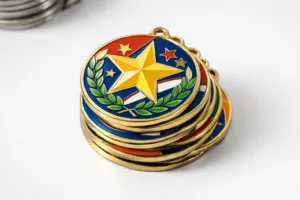
- Enamel colors: Adds vibrant hues for customization
The finishing process is strict—premium manufacturers use hand-polishing and rack plating to ensure uniformity and durability. Curious about special finishes? Explore texture secrets for premium feel.
Lead-Free and Nickel-Free Standards
Safety matters. Most reputable die cast medal makers now conform to lead-free and nickel-free standards, especially important for awards intended for children or frequent wear. This is easier to achieve with quality zinc alloy—so always confirm material specs before ordering.
How Die Cast Medals Are Manufactured Step by Step
- Design concept: 3D CAD modeling and precision mold engraving
- Mold making: CNC machining for intricate details
- Metal casting: Molten alloy injected under high pressure
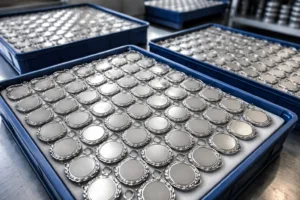
- Trimming, deburring, polishing: Ensures smoothness, eliminates burrs
- Plating: Adds final color and protection
- Quality control: Dimensional checks, finish assessments, pull-force tests
Top manufacturers, such as Gairun medals manufacturer, are known for refusing parts with even minor aesthetic defects, keeping quality consistent.
Die Cast Medals Explained: Design Tips for Event Organizers
When planning awards, align your design to the casting process:
- Allow clear separation between layers
- Use bold edges for stronger relief
- Plan color areas for enamel fill
- Check mold feasibility to avoid porosity
If you’re organizing sports events, see sports achievement medal for sample inspiration.
When to Choose Stamped Medals Instead
Stamped medals may be preferable when:
- Budget limits require simple, flat designs
- Large orders with tight deadlines
- Classic look with crisp, shallow engravings
For comparison, visit the stamped classic round medal.
Comparing Zinc Alloy Medals: Die Cast vs Stamped
Zinc alloy is used in both die cast and stamped medals—but die casting allows:
- Complex shapes and sculpted relief
- Deeper thickness, heavier weight
- More design flexibility
Stamped medals deliver: lower costs, faster manufacturing, simplicity. Analyze your event’s goals to choose the best approach.
Handling Mold and Setup Costs
Die casting requires a custom mold, leading to higher upfront fees than stamping. However, the quality payoff is substantial, especially for events with repeat orders or prestige focus. Bulk procurement strategies can reduce costs—see bulk medal procurement tips for practical advice.
Designing for 3D, Weight, and Complexity
Maximize the effect by utilizing the full depth allowed by die casting. This includes varying relief height, adding openwork or layered shapes, and selecting finishes that complement the design. Subtle design tweaks prevent casting porosity and improve long-term durability.
If you’re designing for a 5K race, check out custom 5K race medal design strategies.
Real-World Die Cast Medal Examples
Die cast medals explained are used for:
- Olympic-style sports medals
- Custom corporate awards
- Graduation medals for schools
- Collector edition souvenirs
Review the custom logo commemorative medal for illustrated examples.
Case Study: High-Precision Die Cast Medals
For luxury brands or major events, ensuring medal quality is critical. Gairun employs high-precision CNC mold engraving and rigorous multi-stage polishing. This ensures sharp logos, smooth surfaces, and premium finish that matches the original concept. These efforts elevate the cast medal to jewelry-grade status—perfect for clients demanding perfection.
Quality Control and Longevity
Premium die cast medals explained go through intensive QC:
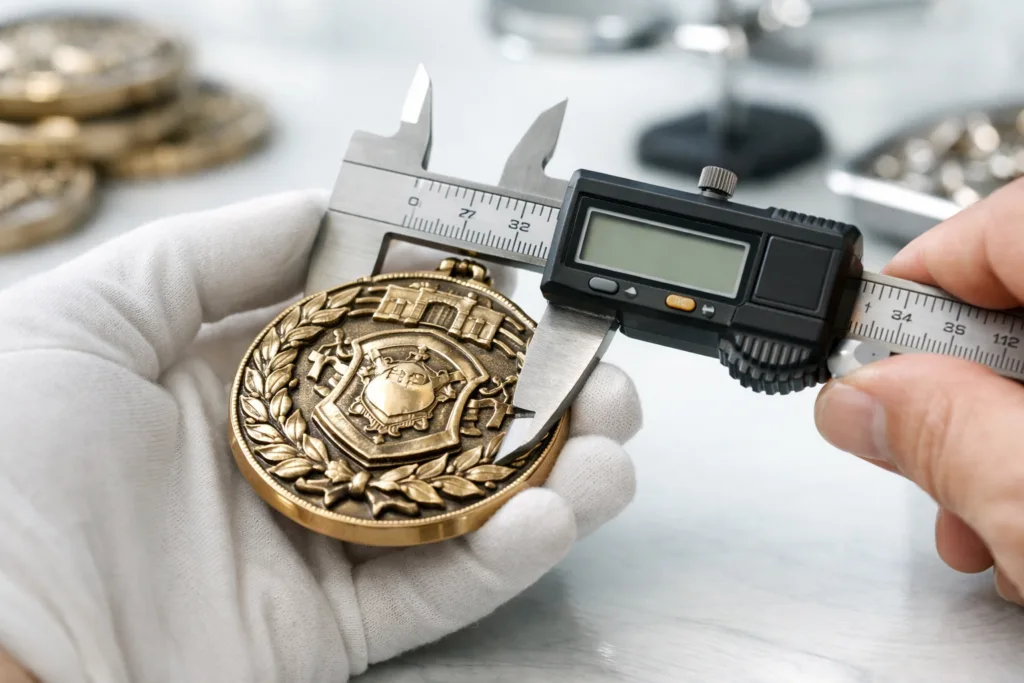
- Dimensional inspections with digital calipers
- 48-hour salt spray tests for plating resistance
- Visual checks for porosity and plating defects
- Rejecting “good enough” parts that fall short on aesthetics
These practices ensure medals remain flawless year after year.
Ordering Custom Die Cast Medals Explained: Practical Tips
- Mold fee: Expect a one-time charge; spreads across order size
- Minimum order: Typically 100+ units
- Artwork proofs: Request free digital proofs before production
- Finishing options: Antique, gold, two-tone, enamel
- Lead time: Allow 4–5 weeks for typical projects
For detailed procurement variables, reference zinc alloy die casting cost insights.
Summary Table: When to Choose Die Cast Medals
| Event Type | Design Goal | Recommended Medal |
|---|---|---|
| Prestige Sports | Sculptural, bold, heavy | Die Cast |
| Graduation | Custom school logo, layered | Die Cast |
| Corporate Recognition | Complex, collector-grade | Die Cast |
| Budget-Friendly | Simple, flat, fast | Stamped |
| Mass Participation | Lightweight, basic | Stamped |
Die Cast Medals Explained: Final Thoughts
Die cast medals offer an unmatched combination of visual complexity, tactile impact, and lasting legacy. If your event aims to create a memorable moment—and your recipients appreciate quality—die cast medals explained should be at the top of your list. The choice between die cast and stamped medals (or even other zinc alloy awards) comes down to design ambition, budget, and the importance of lasting impressions.
Frequently Asked Questions
What is the difference between die cast medals and stamped medals?
Die cast medals feature deep 3D relief and complex shapes, while stamped medals are flat and lighter. Die casting allows for more dimensional designs and heavier, premium awards.
What material is most commonly used for die cast medals?
Zinc alloy, especially Zamac 3/5, is preferred for its casting ability, durability, and lead-free safety. Some manufacturers opt for high-grade brass for extra sharpness in details.
Are die cast medals suitable for kids or frequent wear?
Yes—when made from lead-free, nickel-free zinc alloy, die cast medals are safe for children and frequent wear. Always verify material spec before ordering.
How much do custom die cast medals cost?
Costs depend on mold setup, complexity, finish, and order size. Die casting has higher upfront fees but offers greater design possibilities and long-term value.
What situations best call for die cast medals?
Choose die cast medals for prestigious events, collector series, detailed artwork, and when a heavier, more substantial award matters.
Can die cast medals be colored or have two-tone finishes?
Absolutely. Die cast medals support enamel colors, antique plating, gold or silver finishes, and even two-tone effects for striking appearance.
Related Reading
- Expert Guide: Die Struck vs Die Cast—How to Choose for Custom Medals
- Bulk Medal Procurement: Proven Strategies to Cut Costs and Maximize Value
- Material Showdown: Zinc Alloy vs Brass vs Stainless Steel—Which Suits Your Medals Best?
- Step-by-Step: Mastering Custom 5K Race Medal Design
- Texture Secrets: Creating Premium Feels in Custom Medal Finishes
- Unlocking Real Die Casting Costs for Medals: Essential Price Variables