Introduction: The Fascination with Dual Plating in Coin Design
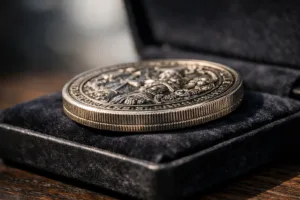
Dual plating, the specialized art of mixing gold and silver on coins, has captivated collectors and designers alike. This innovative approach elevates coins beyond mere currency, combining the warmth of gold with the cool brilliance of silver. It reflects centuries of metalworking tradition and contemporary advances, producing coins that are as distinctive aesthetically as they are valuable. As the coin industry evolves, dual plating exemplifies a blend of craftsmanship, technology, and artistic imagination—setting new standards in collectible and commemorative coin design.
What is Dual Plating? Mixing Gold and Silver on Coins Explained
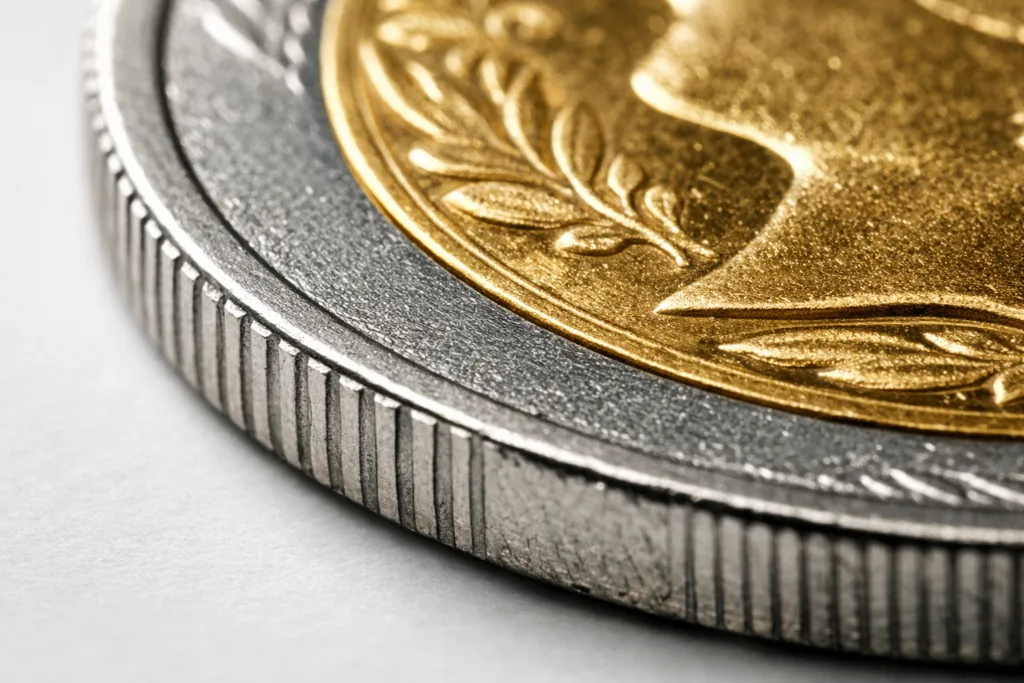
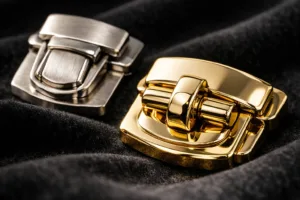
Dual plating refers to coating a base metal coin with two distinct metal finishes, usually gold and silver, either side by side or in specific accent areas. This technique creates striking contrasts and highlights details that might otherwise go unnoticed in a single-tone finish. The process utilizes advanced masking and electroplating to ensure only intended areas receive each type of plating—resulting in coins that stand out for both their appearance and technical complexity.
The Historical Roots of Precious Metal Coinage
The allure of gold and silver in coin minting stretches back thousands of years. Civilizations prized these metals for their rarity, beauty, and resistance to corrosion. Ancient Greek, Roman, and Chinese empires minted coins in these metals, using them both as a medium of exchange and a symbol of authority. Over time, combining gold and silver on a single coin became a mark of status and technical prowess—inviting admiration from royalty and commoners alike.
How Dual Plating Works: An Inside Look at the Process
The dual plating process involves several carefully controlled steps. First, a base coin—often made from zinc alloy or brass—is cleaned and polished to a mirror-like finish. Sections to receive silver plating are masked off while the gold areas are electroplated, and vice versa. High-end manufacturers, such as those specializing in jewelry-grade custom metal crafts, often prefer rack plating for precise control and superior surface quality. After both platings are complete, the coin is unmasked, inspected, and often given a protective coating to enhance durability.
Modern Advances: Technology Driving New Possibilities
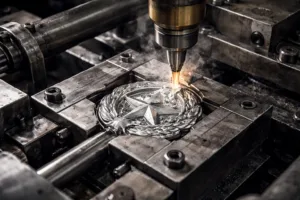
Technological innovations have pushed dual plating to new heights. Improved CNC mold engraving allows for sharper design lines, while advanced digital masking enables crisp boundaries between gold and silver. Electroplating chemistry has also evolved, making it possible to achieve thicker, more durable layers with minimal color variation. This progress means today’s dual plated coins are not only visually impressive but also built to withstand frequent handling—appealing to both collectors and functional users.
Materials: Why Gold and Silver are Preferred in Dual Plating
Gold and silver are chosen for their unmatched visual contrast, value, and workability. Gold’s resistance to tarnish and its vivid luster make it ideal for bold accents or high-relief details. Silver, on the other hand, provides a cool, reflective backdrop that sets off gold’s radiance. When executed with precision, the interplay between these two metals can transform an ordinary coin into a miniature work of art.
Designing with Dual Plating: Artistic Considerations
Artists and designers approach dual plating with both strategic vision and creative flair. Important design elements—national emblems, logos, or significant figures—are often plated in gold to draw the eye. Backgrounds, fields, or lettering may feature silver to create depth and accentuate contrast. The success of dual plating relies not only on technical execution but on understanding how light and color can elevate a coin’s message and value. For design inspiration, one might consider 3D relief vs. 2D design approaches when planning dual plated coins.
Production: The Steps from Concept to Finished Coin
Every dual plated coin begins as a detailed concept. Designers plot out which features will receive gold or silver, keeping in mind both aesthetics and manufacturability. Molds are crafted—often using high-precision engraving techniques—to ensure fine details. The coin blank is struck, polished, masked, plated, inspected, and finally packaged. A meticulous attention to each phase is critical, as even minor surface flaws can disrupt the sharp division of metals or compromise the coin’s longevity.
Challenges and Pitfalls: What Can Go Wrong in Dual Plating?
Dual plating poses unique technical challenges. Masking errors may lead to color bleed, where gold and silver overlap unintentionally. Impurities in the base metal or uneven polishing can cause adhesion issues, resulting in flaking or tarnishing. Maintaining perfect boundaries is especially difficult in coins with intricate designs or tiny text. Thorough quality control is a must—especially in products meant to represent prestigious organizations or commemorative events.
Dual Plating vs. Single Metal Plating: A Visual and Functional Comparison
| Feature | Dual Plating (Gold & Silver) | Single Metal Plating |
|---|---|---|
| Visual Impact | High contrast, richer detail | Uniform look, subtler detail |
| Complexity | High (more masking, more QC) | Lower (simpler process) |
| Design Flexibility | Multiple focal points possible | Limited to single-tone highlights |
| Cost | Higher (labor, materials) | Lower |
| Collector Value | Often higher | Standard |
As shown, dual plated coins offer greater visual and collector appeal but demand more careful production and, usually, higher investment.
The Market for Dual-Plated Coins: Trends and Insights
The growing interest in customization and collectible coins has fueled demand for dual plated pieces. Limited edition runs, commemorative releases, or exclusive membership coins often opt for two-tone finishes. Market data shows that collectors are willing to pay a premium for coins featuring both gold and silver—not just due to intrinsic metal value, but for the artistic craftsmanship and rarity. This trend suggests a bright future for dual plating within numismatics and other collector segments.
Understanding Value: How Dual Plating Affects Price and Collectibility
Dual plating does more than enhance attractiveness—it can significantly affect a coin’s market value. Two-tone coins often have higher perceived exclusivity, especially when part of a limited run or featuring intricate hand-finished details. Rarity, craftsmanship, and the purity of the metals used all factor into price. Well-executed dual plated coins regularly outperform their single-plated counterparts at auction, particularly when accompanied by certificates of authenticity and luxury presentation packaging. For further insight, discover the benefits of diamond cut edges and how finishing choices can impact value.
Examples: Noteworthy Dual-Plated Coins Around the World
Central banks and private mints have issued a wide range of dual plated coins in recent years. Notable examples include anniversary editions, sport event commemoratives, and heritage coins. These often feature gold-plated emblems against a silver-plated field, making use of fine engraving and relief work. Enthusiasts prize these coins not only for their looks but for their historical connections and technical achievements.
Customization: Creating Unique Two-Tone Coins
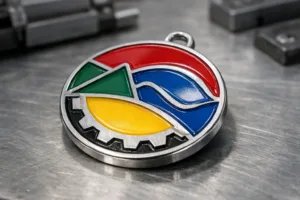
Modern minting technology allows clients to commission bespoke dual plated coins. Organizations may request specific patterns, alternating finishes, or combine other effects—like colored enamel or diamond cut edges—to create one-of-a-kind memorabilia. The ability to customize plating gives designers unprecedented creative freedom, whether for corporate branding, awards, or limited collector runs. For ideas on pairing dual plating with color, read about adding color to coins using various techniques.
Durability: How Long Do Dual Plated Coins Last?
When manufactured using high-purity metals and precise electroplating, dual plated coins can remain untarnished and intact for decades. Proper storage—away from moisture and handled with gloves—prevents wear. Reputable manufacturers perform rigorous quality checks, including salt spray testing and repeated inspections, ensuring coins will retain their visual appeal and collector value over time. For further tips, explore the process of salt spray testing in metal products.
Quality Control: Ensuring Flawless Results in Dual Plating
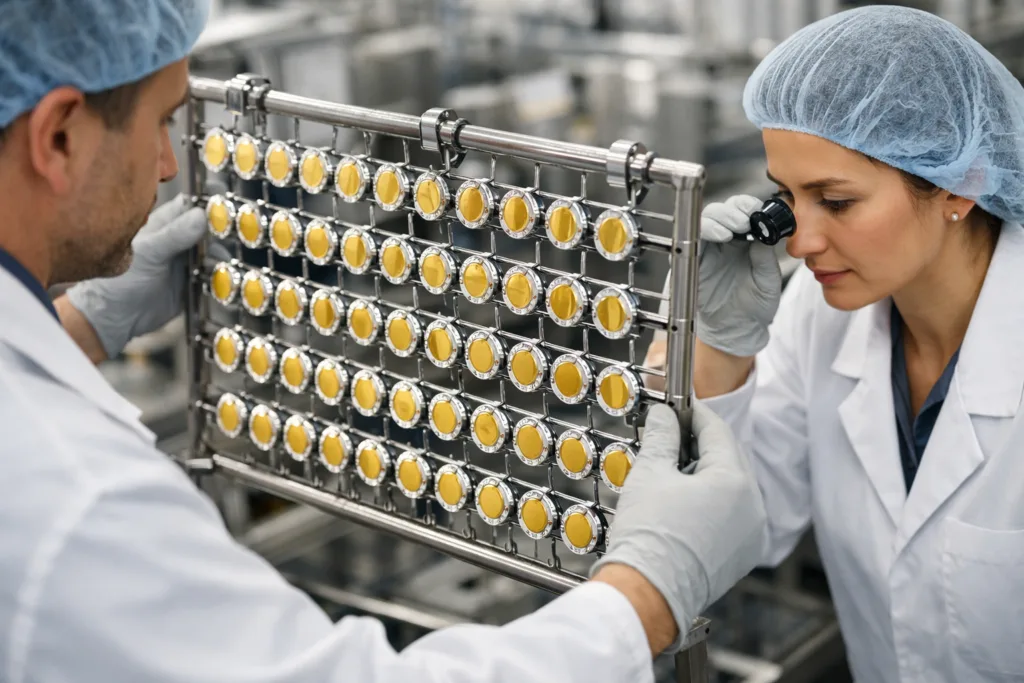
Quality assurance is vital in dual plating. Every coin must be checked for boundary crispness, uniform thickness, and adhesion. Experienced manufacturers, such as those setting benchmarks for luxury and presentation pieces, often go beyond industry norms—rejecting even minor imperfections. This dedication helps preserve not just aesthetics but also brand reputation and customer satisfaction. The same standards apply as in award medal manufacturing where flawless finishes are expected.
Applications: Beyond Coins—Where Else is Dual Plating Used?
Dual plating is not limited to coins. It is increasingly seen in medals, badges, keychains, and luxury packaging. Dual-plated fashion buttons and branding tags leverage this technique to deliver both functional and visual differentiation. The jewelry and fashion industries, especially, rely on two-tone effects for statement pieces and exclusive lines—showcasing dual plating’s appeal beyond traditional numismatics.
Dual Plating: Mixing Gold and Silver on Coins
Dual plating, at its core, is about achieving harmony between two of the world’s most treasured metals. When gold and silver are skillfully combined, the result is a coin that commands attention and respect. The process requires high standards—both technical and artistic—making each successful piece an object of lasting beauty and value. As design options multiply and production technologies advance, we can expect even more innovative and breathtaking examples in the years ahead.
Gairun Perspective: Setting the Standard for Dual Plating Excellence
At Gairun, a quiet revolution in metal finishing is shaping the future of dual plated coins. Their commitment to purity—using virgin Zamac and premium brass—results in a foundation free from impurities that could hinder gold and silver adhesion. Every mold is crafted with micron-level precision, and hand-polished to ensure a flawless base before any plating begins. With a preference for rack plating and a willingness to reject pieces with even minor aesthetic flaws, Gairun exemplifies how premium manufacturing standards can transform dual plating from good to extraordinary. This unwavering attention to detail ultimately benefits anyone seeking coins with enduring elegance and unrivaled surface brilliance.
Caring for Your Dual Plated Coins
Proper care will help your dual plated coins remain brilliant for years. Store coins in soft-lined presentation cases or acid-free coin flips, away from humidity and harsh lighting. Always handle edges, never the faces, to prevent oils from dulling the finishes. Avoid chemical cleaners—gentle dusting with a lint-free cloth is usually sufficient for maintenance.
Packaging and Presentation: The Final Touch
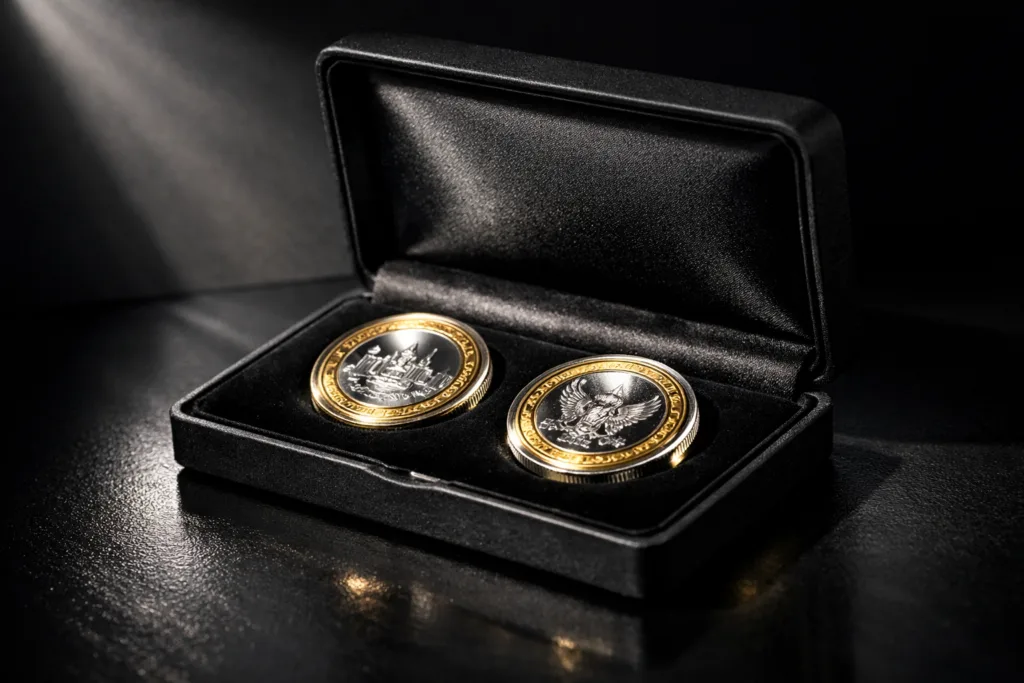
High-quality packaging enhances the perceived value of dual plated coins. Velvet boxes, acrylic capsules, or custom gift cases are popular choices—protecting the coin while providing a luxurious unboxing experience. Premium coins often include certificates of authenticity, further boosting collector confidence and secondary market value. Read more about creating the perfect showcase in our guide to velvet box displays for medals and coins.
Sustainability: Are Dual Plated Coins Eco-Friendly?
Concerns about sustainability increasingly influence metal product design. Many responsible manufacturers are adopting lead-free and nickel-free plating procedures, recycling water, and minimizing chemical waste in the electroplating process. Choosing dual plated coins from factories with transparent, eco-conscious practices can help lower your environmental impact while still enjoying the beauty of gold and silver.
Choosing the Right Manufacturer for Dual Plated Coins
Success with dual plating starts with entrusting your project to an experienced manufacturer. Look for credentials such as ISO certifications, referrals from major brands, and transparent quality inspection protocols. Expertise in preparing artwork for metal manufacturing—ensuring sharp divisions and clean lines—can make a significant difference in the final result. For helpful guidance, explore insights on how custom metal products are made.
Conclusion: The Lasting Value and Artistic Possibilities of Dual Plating
Combining gold and silver through dual plating transforms a simple coin into a sophisticated masterpiece of design and engineering. This process delivers heightened beauty, meaningful symbolism, and increased value—appealing to new and seasoned collectors alike. As technology and artistry continue to evolve, dual plated coins promise an exciting frontier for creators and admirers of fine metalwork. For those seeking excellence, understanding and appreciating the nuance behind every sheen and contour ensures that dual plated coins will remain cherished for generations to come.
Frequently Asked Questions
What makes dual plated coins unique compared to regular coins?
Dual plated coins use both gold and silver finishes to create vivid contrast and highlight details, offering superior visual appeal and collectibility.
Does dual plating increase a coin’s value?
Yes, coins featuring both gold and silver plating are often seen as more exclusive, with greater craftsmanship and collectibility, boosting their market value.
Can dual plated coins be used for everyday currency?
While possible, dual plated coins are primarily produced for collectors, special editions, or commemorative purposes rather than daily circulation.
Are dual plated coins more difficult to produce?
Dual plating requires meticulous masking, multiple electroplating steps, and strict quality control, making it more complex than single-tone plating methods.
How should I care for my dual plated coins?
Store them in dry, soft-lined cases, handle by the edges, and avoid abrasive cleaning to maintain their finish and long-term value.
Is dual plating environmentally friendly?
Some manufacturers offer eco-friendly processes using lead-free plating and waste management, so it’s wise to choose a supplier with transparent practices.
Related Reading
- Unlocking Collector Value: 3D vs. 2D Coin Design
- How Diamond Cut Edges Set Your Coins Apart
- Creative Coin Design: Top Ways to Add Vibrant Color
- The Ultimate Guide to Showcasing Medals & Coins in Velvet Boxes
- Behind the Scenes: How Award Medals Achieve Flawless Finishes
- Ensuring Rust-Free Quality: Salt Spray Testing in Metal Products