Introduction: The Art and Science of Electroplating Zinc Alloy for Packaging
Modern luxury packaging owes much of its tactile appeal and visual depth to surface treatments like electroplating on zinc alloy. Whether you seek the subtle sophistication of antique silver, the bold shine of gold, or the mysterious flair of gunmetal, zinc alloy electroplating allows for a vast spectrum of finishes—each with its own challenges and unique ordering language. This guide is designed for packaging developers, designers, and buyers who want accurate, defect-free results without wasting time debating technical jargon. Here’s how to specify, order, and approve stunning electroplated effects—no chemistry degree required.
Packing Power: Why Choose Zinc Alloy Electroplating?
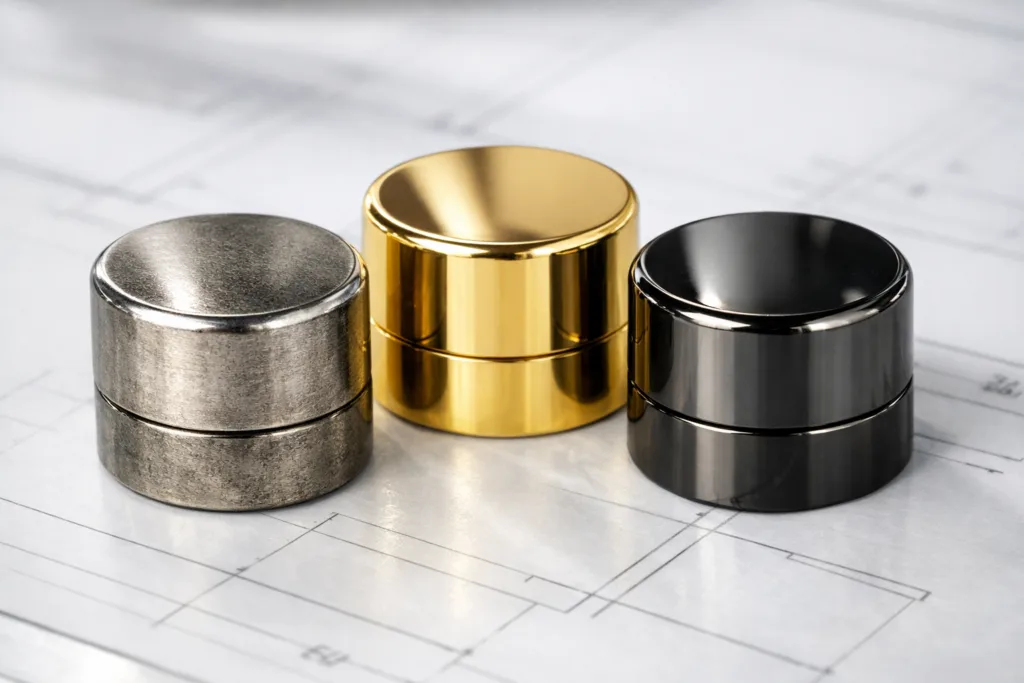
Zinc alloy, especially zamac, is the preferred choice for packaging parts like box locks, decorative caps, and custom hardware because it delivers a wonderful mix of detail, moldability, and metal weight. Electroplating elevates this alloy further—giving it surface finishes to mimic silver, gold, or custom antique effects while protecting against corrosion or tarnish. Top brands lean on zinc alloy for its versatility, but successful results depend on knowing how to describe the finish you expect, the tolerances you’ll accept, and the flaws you won’t forgive.
Understanding Plating Effects: Antique Silver, Gold, and Gunmetal
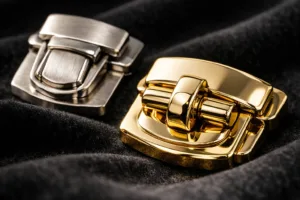
Electroplating zinc alloy for packaging most often aims for one of these effects: antique silver (faux aged and brushed), gold (yellow or pale), or gunmetal (deep gray to dark bronze). Each can be specified in bright (high-gloss) or matte (low-gloss) versions and can be finished to look new or purposely “aged.” The best manufacturers use jewelry-grade rack plating techniques to prevent thin spots and maintain consistent color across batches.
How to Specify: Shine, Matte, or In-Between?
When ordering, state whether you want a bright (mirror), satin, or matte effect. “Bright” means highly reflective, often achieved by thorough pre-plating hand polishing. “Matte” (sometimes called brushed) requires a pre-plating sanding step that cuts reflectivity and adds a tactile, modern look. If unsure, request a sample, reference photo, or use terms like “semi-gloss” when you want a middle ground.
Describing the Antique Level: Light, Medium, or Heavy Aging
If you want an antique silver or gunmetal finish, clarify just how “old” it should appear. Light aging means only a faint shadow settles into the details; heavy aging looks almost blackened in recesses, with bright metal only on raised spots. Be specific, and communicate with images or physical reference samples whenever possible.
Edge Highlights and Their Impact
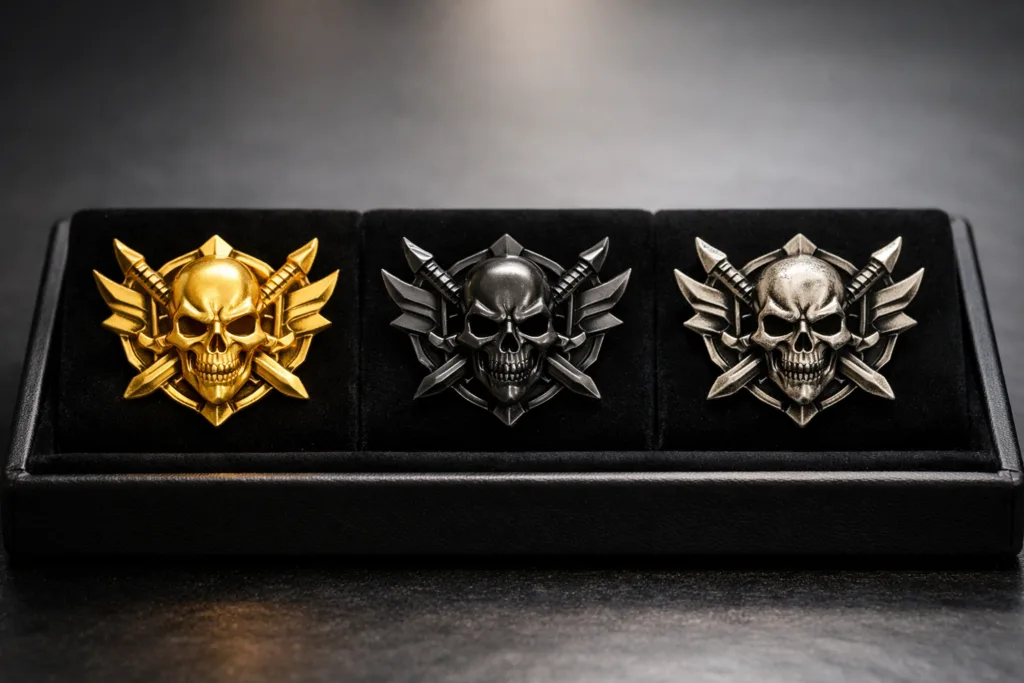
Many antique finishes include strategic edge or raised area polishing, creating a kinetic highlight effect as light hits. Specify whether you want high points left bright (for dramatic logo reveals or tactile contrast), or a more even, subtle treatment. The difference is especially pronounced for emblems and logos on premium packaging.
Color Variation: How Much Is Too Much?
Even with strict manufacturing controls, all electroplated finishes will have some color variation—especially antique effects. The key is deciding your tolerance. Some brands accept a slight range to maintain an authentic look; others demand tight color matching (e.g., within ΔE<2 by instrument or visual agreement). Always preview a batch of parts for consistency or work from an approved "master sample."
Ordering Language: Practical Examples
Use direct, descriptive phrases to speed up communication and reduce misunderstandings. Examples:
- Bright gold, high gloss, with minimal highlight polishing.
- Antique silver, matte, medium aging with pronounced edge highlights.
- Gunmetal, satin finish, even tone, random aged effect tolerated within 10% color difference.
Back up your specs with mood boards, swatches, or finished product examples whenever possible.
Common Defects: What to Watch For
All zinc alloy plating shares a common set of things that can go wrong. Here’s what to check (and how to prevent them):
- Pitting (Pinholes): Tiny surface dots from casting or pre-treatment problems. Prevention: use virgin alloy, invest in mold quality, polish carefully.
- Exposed Substrate (Uneven Cover): Plating too thin, typically at corners/edges. Prevention: specify rack plating for premium parts, maintain uniform electric field.
- Peeling or Flaking: Results from poor pre-cleaning or base activation. Prevention: enforce multi-step degreasing and undercoating routines.
- Color Mismatch: Batch-to-batch or part-to-part variation. Prevention: tightly control line chemistry, batch less at once, confirm with a master sample.
Defect severity guides what gets rejected or fixed—agree in advance on allowed imperfections for different sections (hidden vs. main visual areas).
Preventing Problems: Working with the Right Manufacturer
Top-tier producers, such as Gairun, commit to rigorous standards: using only certified alloys, hand-finished pre-treatment, consistent rack plating, and batch-level salt spray testing for corrosion. This level of care reduces problems like uneven shine or surface micro-pits, which can be especially noticeable in luxury packaging for cosmetics and spirits.
Effect of Alloy Quality on Plating Results
The purity and grain structure of the chosen zinc alloy (virgin zamac vs. recycled, for example) decides how smooth and defect-free the final finish appears. High-grade alloys lead to mirror finishes—especially critical for high-polish golds and silvers. Always request confirmation of lead-free and nickel-free content, especially for parts with skin contact, like components for perfume and cosmetic packaging.
Choosing Between Antique Silver, Gold, and Gunmetal
While preferences are often aesthetic, each finish interacts differently with lighting, dust, and handling. Gold draws attention and warmth, antique silver emphasizes heritage or vintage appeal, and gunmetal projects modern minimalism or industrial chic. Sample test runs help visualize actual effect versus renderings.
Visual Guides for Surface Effects
Some manufacturers offer standardized swatches (like the Pantone system, but for metal finishes). Comparing side-by-side under daylight and typical indoor lighting helps finalize decisions quickly—especially for antique, hand-aged, or gradient effects.
Defining Tolerance for Color and Texture
Be specific: “We allow a ΔE<1.5 for gold finish across 20-piece batch," or "visible aging variance of up to 10% is acceptable for antique silver." The tighter your tolerance, the more effort (and cost) required for production and QC.
Specifying Edge Highlight and Shadow Effects
If contrast is important, state where you want shine (edges or faces), how strong the transition should be, and which details must always remain bright, even on antique pieces. Mark samples or renderings to clarify your target look—this is especially true for emblems and badges used in rigid box packaging.
Batch Size and Consistency Challenges
Small batches are easier to control, but large orders increase the risk of color and gloss variation. Coordinate with your manufacturer to agree on when to split lots, and who holds the master reference. For global brands, centralizing finish approval prevents costly remakes.
Dual or Multi-Tone Plating
Mixing, for instance, gold and antique silver on one part requires advanced masking and additional plating baths. Costs and lead time increase accordingly, but the result is a truly unique premium effect. Refer to expert insights on dual plating processes for special projects.
Plating Thickness and Performance: Functional Concerns
For functional parts like closures or box hardware, especially those facing friction or where surface gloss impacts luxury perception, request a minimum thickness (often 5–10 microns for decorative, thicker for wear parts). Confirm by asking for process certifications or QC reports.
High Polish vs. Matte: Factors for Each Effect
High-polish gold and silver demand flawless base polishing, with zero surface pits or scratches, while matte or antique effects can often disguise minor casting marks. However, matte finishes are not immune from peeling if the pre-plating process is rushed.
Common Questions When Ordering from a Manufacturer
Be ready to answer:
- Which areas need the “best face”?
- Single finish or multi-plating?
- Any part in contact with human skin?
- Functional or decorative purpose?
Review these points with your sourcing or design team to prevent ambiguity.
Sample Approval: A Critical Step
Never skip approving a physical sample—even a short production run. This is the only way to realistically judge gloss, aging, highlights, and color tolerance as they will appear in finished goods, and you can specify corrections before full-scale manufacturing.
Final Quality Control: Inspection Methods
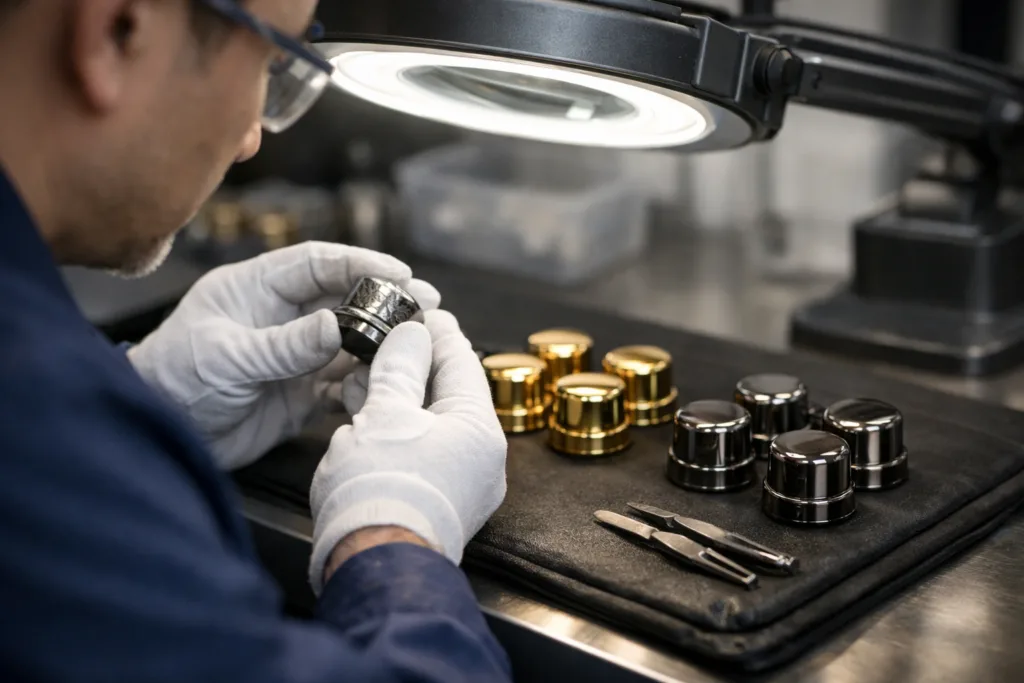
Professional inspection includes visual checks in daylight and artificial lighting, gloss meter readings, colorimeter tests for batch consistency, and tactile brushing to uncover potential peeling or flaking. Some luxury brands also implement random salt spray and adhesion testing for critical batches.
Case Studies: Standout Zinc Alloy Plating Achievements
Packaging components for high-end spirits bottles are often required to meet not just aesthetic perfection but also harsh environmental durability. For example, Gairun developed a two-stage antique silver surface for a French perfume brand, balancing a 48-hour salt spray test with precise edge highlights—achieved only with laser-controlled masking and jewelry-level polishing. Such cases set standards for defect rates and customer expectations in premium markets.
Troubleshooting: What to Do If Issues Occur
If parts arrive with defects (peeling, poor gloss, obvious pits), halt full-scale production and share detailed documentation with photos and inspected samples. Reputable manufacturers will trace the root cause—whether material, mold, or process—to address both immediate and long-term solutions.
Electroplating Zinc Alloy for Packaging: Antique Silver, Gold, Gunmetal
Electroplating is both an art and a science. Mastering “ordering language” for zinc alloy packaging parts is about defining clear expectations for gloss, hand-aged character, highlight details, and what level of color variation you accept—or won’t. By insisting on proper samples, realistic color tolerance, and honest inspection reports, you position your project for success and premium shelf appeal. Remember, the partnership with your manufacturing supplier defines the boundary between “good enough” and truly outstanding results in the highly competitive luxury packaging world.
Frequently Asked Questions
How do I describe the electroplating effect I want for zinc alloy packaging?
Be clear about gloss level (shiny, matte), antique degree (light, medium, heavy), highlight position (edges, full face), and acceptable color variation within each batch. Providing reference samples or photos for effect and tolerance is very helpful.
What is the best way to communicate the ‘aged’ or ‘antique’ effect?
Use terms like ‘lightly aged,’ ‘medium patina,’ or ‘heavy worn’ and specify if you want more dark or bright exposure on the raised parts. Indicate whether an even or uneven, random look is required.
How can I prevent color inconsistency or mismatch in electroplating?
Agree on a ‘color tolerance’ (ΔE) or accept a standard range. Using a master sample, ensuring alloy purity, and keeping the process stable all help reduce batch variations.
What are the most common surface defects in zinc alloy electroplating?
Typical defects include pitting (pinholes), exposed substrate, and peeling. These can be avoided with high-quality casting, proper cleaning, and careful plating techniques.
How can I avoid pinholes and peeling on plated zinc alloy parts?
Work with manufacturers who use pure alloys, invest in mold quality, and use thorough polishing and pre-treatment. Ask about salt spray or adhesion testing as proof of process quality.
Is it possible to combine multiple plating effects (e.g., gold edge, antique silver center)?
Yes, dual or multi-tone plating can be done but costs more. It requires careful masking and precision work—confirm all details in advance with the manufacturer.
Related Reading
- How to Nail Flawless Zinc Alloy Logos on Premium Packaging
- The Insider’s Guide: Specifying Zinc Alloy for Perfume and Cosmetic Packaging
- Dual Plating Demo: Mixing Gold and Silver for Standout Collectibles
- Box Up Perfection: Choosing the Right Zinc Alloy Box Corners
- 7 Essential Tips for Achieving High-Polish Finishes on Luxury Awards