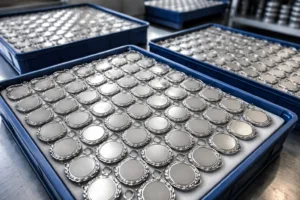
Introduction: Medal Mass Production—Precision at Scale
High-stakes events like marathons, tournaments, or promotional campaigns demand flawless medals delivered on time. The key challenge? Consistent quality, even as order volumes soar. This article reveals how medal factories—especially experienced partners like Gairun—guide clients smoothly from the first sample to final, reliable medal mass production. You’ll get an insider view of the sample approval process, managing design changes, and what to expect once your order moves into full-scale manufacturing.
The Medal Mass Production Journey
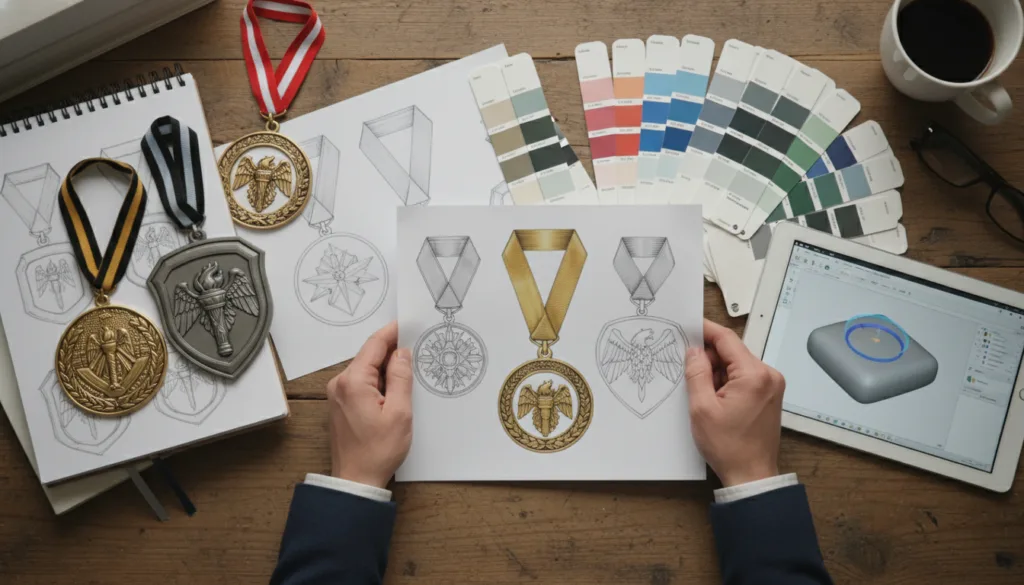
Every bulk medal order starts with a detailed plan. The journey breaks into distinct phases: design, sampling, approval, mass production, and delivery. Each step is engineered to catch issues early, control costs, and guarantee outcome. Whether you’re organizing a nationwide sports meet or sourcing for a global campaign, understanding this workflow lets you make informed decisions at every stage.
Phase 1: Requirement Gathering & Specification
Before any mold is cut, factories gather every detail: medal size, material (like zinc alloy, brass, or stainless steel), relief depth, color palette (Pantone matching), quantity, finish (antique, matte, polished), and intended use. For high-wear items or prestigious events, durability and finish standards come first.
Phase 2: Artwork & 3D Mockup Development
Professional designers convert your ideas into technical drawings and 3D renderings. These pre-production visuals clarify 2D vs 3D relief, raised text, color separations, and any special requirements. Approval here accelerates later steps—and reduces costly revisions down the line.
The Sample Approval Process: Turning Design into Reality
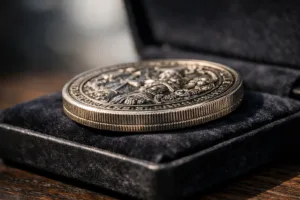
This is a critical phase. Factories create a one-off pre-production sample—the ‘master medal’—using the actual production methods planned for your order. This sample embodies your vision, from relief depth to finish texture, and serves as the benchmark for all units that follow.
How Are Samples Made?
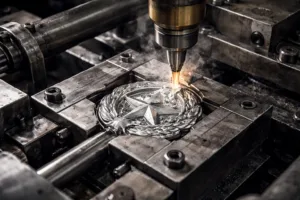
- Molding: For intricate designs, steel molds are precision-machined using wire EDM or CNC. Tolerances can reach ±0.03 mm at this stage.
- Die Casting or Stamping: The sample takes shape using the chosen process. Zinc alloy is common for die-cast medals; brass or iron often for stamped pieces.
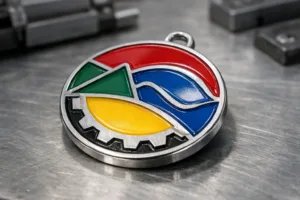
- Finishing and Color: The sample medal undergoes sanding, polishing, and one or more plating stages (nickel, gold, gunmetal, etc.). Color zones are filled using soft/hard enamel or epoxy domes—fill depth and color edges are checked per the design proof.
- Mounting & Assembly: Ribbon loops, split rings, or magnetic backs are added if specified.
- Quality Checks: Plating thickness (μm), color match (ΔE), and relief precision are measured. Adhesion strength—such as by ASTM D3359 tape test—is often verified for durable colorwork.
Feedback and Revision: Your Role in Perfection
Once you receive the physical sample, you examine every detail. This is your moment to flag color shifts, texture, unintended marks, or mounting issues. Most factories include one to two free revisions at the sampling step. Requested changes—such as deeper 3D relief, a new color, or a text correction—are documented, and a revised sample may be produced if changes are critical to the order’s success.
Approval to Proceed: The Green Light
When you’re satisfied, you approve the sample in writing or through a digital platform. This locks the design and specification. From this point, factories treat any further changes as engineering change requests, which could impact timeline or cost.
What Happens After Sample Confirmation?
Sample approval triggers two powerful engines: procurement and mass production. Factories like Gairun immediately procure raw materials in the approved grade and finish—minimizing supply chain risks. Mold setup shifts from small batch to full-run mode. Specialized equipment is scheduled to ensure continuous, efficient medal mass production that meets your deadline.
Scaling Up: Factory Floor in Action
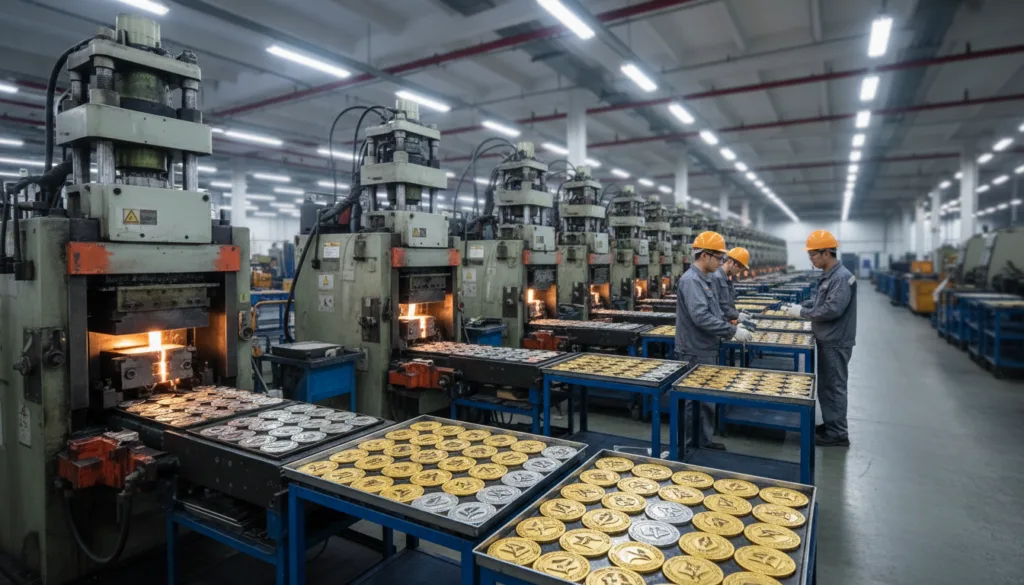
- Large-Scale Molding: Hardened steel molds are installed on multi-cavity die casting machines. This boosts throughput, with a single tool producing dozens of medals per hour.
- Automated vs Manual Steps: While casting and stamping are automated, finishing and quality control often require skilled hands. Gairun invests in high-capacity tumblers, robotic polishing arms, and automated plating lines to balance speed and craftsmanship.
- Color and Assembly: Multiple technicians work in parallel to apply enamels, assemble mounts, or tie ribbons. UV curing or oven baking ensures color durability.
- Packaging at Scale: The packing line can switch between OPP bags, velvet boxes, or custom carding by client specification—each option affects both cost and perceived value.
Process Comparison: Sampling vs. Mass Production
| Aspect | Sampling | Mass Production |
|---|---|---|
| Mold Type | Prototype or soft tool | Hardened multi-cavity tool |
| Cycle Time | Single item, slow/hand-finished | Dozens per hour, mostly automated |
| Cost | High per piece, low volume | Low per piece, high volume |
| Tolerances | Tighter, hands-on correction | Controlled statistically, spot-check |
| Finishes Tested | Full range possible | Locked to approved type |
Lead Times, Capacity, and Managing Bulk Medal Orders
Production lead time—how long your order takes from approved sample to delivery—depends on several factors. For standard-sized medals (5–20,000 units), a well-equipped factory like Gairun offers these approximate timeframes:
- Mold making: 7–10 days (if not in stock)
- Bulk production: 12–21 days (material, casting/stamping, finishing)
- Packing and QA: 3–5 days
- Total: Typically 22–35 days after sample approval for most orders
Larger or custom tournament shipments involving 50,000+ medals may require splitting production across shifts or even multiple partner plants—a specialty where Gairun’s OEM/ODM network and process discipline stand out. By running parallel lines and enforcing strict AQL sampling, they can handle surges without sacrificing quality.
Ensuring Consistent Quality at Scale
Maintaining high quality is vital in medal mass production. This means random samples are pulled at every step and tested for plating thickness (with XRF meters), adhesion, salt-spray resistance, and hardness where required. Wearables are checked for nickel release (per EN 1811), while branded gifts comply with RoHS/REACH directives. All results are logged, and any defects above set limits (using ANSI/ASQ Z1.4 ‘AQL’ standards) trigger batch review and rework as needed.
Medal Mass Production: Why the Sample Is Your Golden Standard
The approved sample does more than lock in color and finish—it serves as the factory’s benchmark. Every piece off the line must visually and dimensionally match your sample. Any deviation can halt the line. Gairun keeps a “golden sample” onsite for operator reference, photos, and side-by-side spot checks throughout production. This disciplined approach supports consistent branding and eliminates mismatches even in large, time-pressured campaigns.
Frequent Sample-to-Mass Production Pitfalls (and How to Avoid Them)
- Late Design Changes: Avoid making major changes after sample approval—these trigger costly mold revisions and new samples, delaying your project.
- Unspecified Material Grades: Always specify if high-wear or corrosion resistance is vital. Factories default to common alloys unless you request upgrades (e.g., stainless 304 for sweat-resistance).
- Unclear Color References: Use Pantone codes to avoid color drift between sample and mass production. Visual guides alone are risky.
- Unrealistic Timelines: For massive or multi-location orders, confirm capacity and logistics planning early. Reliable partners map out the flow in advance.
Bulk Medal Order Logistics and Aftercare
Large-quantity shipments require tight coordination between factory production, packaging lines, and transport partners. Gairun provides detailed packing lists, barcoding, and carton labeling for each segment. They offer options for eco-friendly packaging or signature velvet boxes and can handle distribution direct to multiple event sites. Post-shipment, any defect claims or transport damage are processed promptly with dedicated after-sales teams.
Assembly and Packaging Variations
- Simple medals: Packed in OPP bags or blister cards for economy.
- Premium: Placed in custom velvet-lined gift boxes, often with certificates.
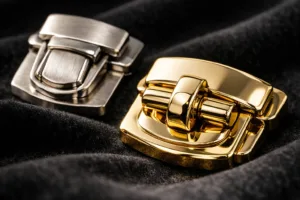
- Specials: Luggage tags, nameplates, or custom-mount medals assembled as per brief.
Why Choose Gairun for Medal Mass Production?
Gairun combines deep technical experience, modern factory setups, and an obsession for meeting tight deadlines. Their process—from vivid samples to robust bulk medal orders—reduces risk, simplifies decision-making, and delivers reliable results. Large sporting events, brands, and retailers count on Gairun’s end-to-end precision, especially for time-sensitive, high-volume campaigns.
Expert Insight: “Medals are not just metal—they are symbols of achievement. Consistency and finish, at any scale, depend on disciplined process and specialist craftsmanship.”
From Sample to Mass Production: How Medal Factories Scale Your Order
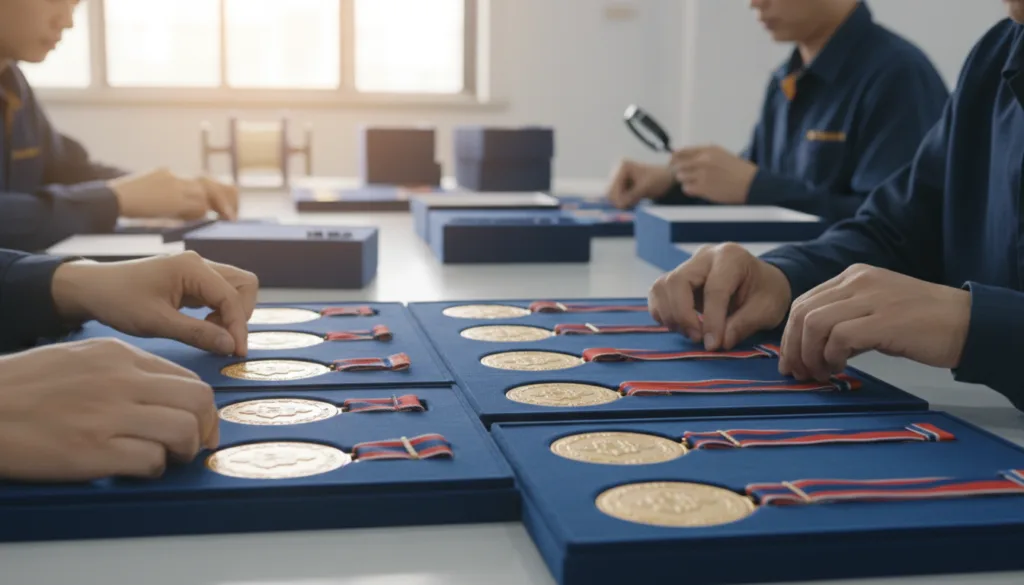
The key to seamless medal mass production is a robust sampling and approval workflow. By partnering with factories that emphasize discipline—like Gairun—you transform creative concepts into tangible medals, delivered on time, every time. Every step, from artwork to aftercare, is mapped to remove surprises and support your brand’s reputation. For tournament directors, brand marketers, or event organizers, choosing a proven process is the surest way to success.
Frequently Asked Questions
How long does the medal sample approval process take?
It typically takes 7–12 days from artwork signoff to receipt of your sample, depending on medal complexity and finish options.
What happens if I need to change the design after sample approval?
Major changes after approval require new molds and samples, which will add cost and delay the overall production schedule. Minor text tweaks may be possible sooner but should be avoided if possible.
How many medals can Gairun produce for a single event?
Gairun can fulfill orders ranging from 100 to over 100,000 medals, using scalable processes and networked production lines to maintain quality at scale.
What quality standards are followed for mass medal production?
Common standards include ANSI/ASQ Z1.4 for sampling, ASTM B117 for plating resistance, and EN 1811 for wearable metal safety. All are enforced by in-house QC teams.
Can I request custom packaging for bulk medal orders?
Yes, factories like Gairun offer custom packaging options, including branded velvet boxes, eco bags, blister packs, and more to fit your event or campaign needs.
What materials are best for different types of medals?
Zinc alloy is preferred for most custom medals; brass or iron offers sharper relief. Stainless steel is used for extra durability or unique finishes.