Introduction: The True Impact of Medal Material Selection
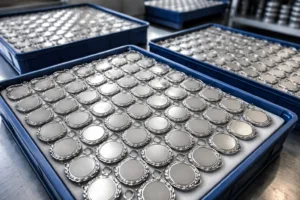
Choosing between Iron Medals and Zinc Alloy Medals is far more than picking a metallic hue. The material beneath the surface shapes everything: from how prestigious a medal feels in hand, to its final cost, to the environmental responsibility behind each award. This guide delves deeply into Iron vs. Zinc Alloy Medals: Weight & Cost, helping organizers, designers, and procurement professionals make informed decisions about medal craftsmanship and value.
What are Iron Medals and Zinc Alloy Medals?
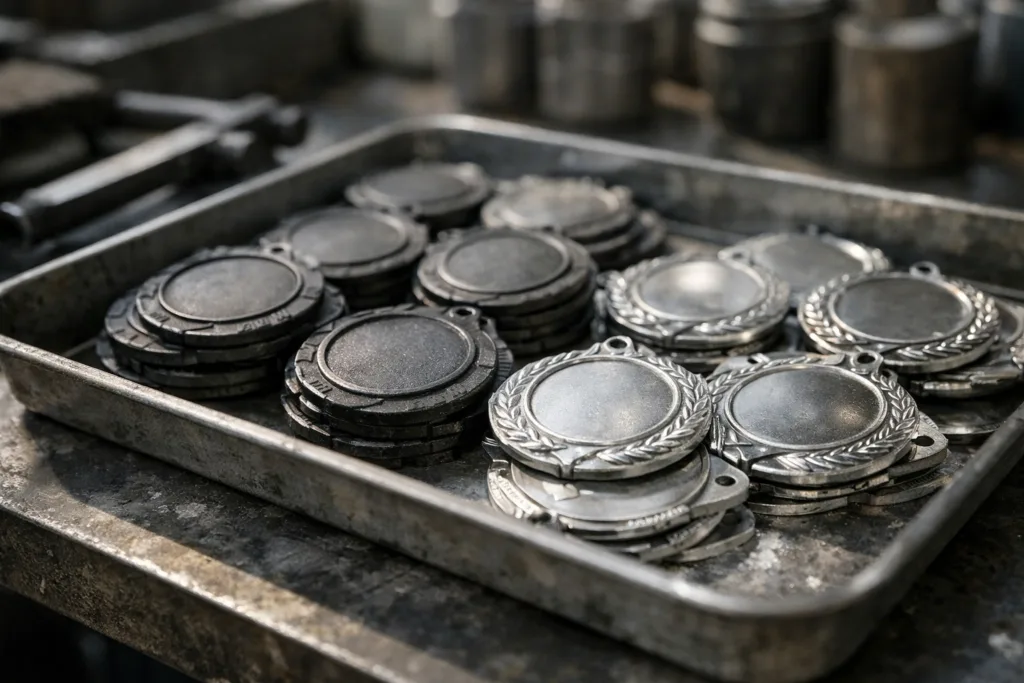
Iron medals are typically crafted from pressed or cast iron, renowned for their sturdy feel and distinct heft. Zinc alloy medals, often made from Zamac alloys, are manufactured via precision die-casting to create intricate shapes and designs. Both types anchor award traditions, but offer very different tactile and visual experiences.
The Science Behind Iron and Zinc Alloys in Medals
Iron is a dense, strong element that’s long been a staple in medal production; zinc alloys usually blend zinc with small amounts of aluminum, magnesium, or copper for enhanced malleability and corrosion resistance. In premium manufacturing, using high-purity Zamac 3 ensures a pristine surface, minimizing casting flaws. However, iron achieves unmatched rigidity and classic weight.
The Role of Medal Weight: First Impressions Matter
When recipients clutch a medal, its weight delivers an unmistakable message of achievement. Iron medals generally feel heavier in the hand, which many equate with prestige. How Thickness and Weight Influence the Feel of a Custom Medal explores how these factors change the user experience. Zinc alloy medals, while solid, are typically lighter, often achieving a balance between presence and comfort, especially for larger pieces.
Production Techniques: Pressed Iron vs. Die-Cast Zinc Alloy
Iron medals are most often produced by stamping thick iron sheets or, occasionally, casting. This method handles basic shapes and traditional designs well but makes complex 3D features more challenging. Zinc alloy medals benefit from advanced die-casting, allowing for breathtaking 3D details, openwork, and varied textures that would be tough (or outright impossible) with iron. Processes like How Award Medals Are Manufactured reveal why zinc alloys dominate creative event medal designs.
Iron vs. Zinc Alloy: Comparing Medal Weight
| Material | Density (g/cm³) | Typical Medal Weight (50mm) |
|---|---|---|
| Iron | 7.8 | 70–90g |
| Zinc Alloy | 6.7 | 50–65g |
For the same volume, iron will produce a noticeably heavier medal. If the goal is “heft in hand,” iron wins; for larger medals without excessive weight, zinc alloy is preferred.
Iron vs. Zinc Alloy: Cost Considerations
Cost is frequently a deciding factor. Iron medals generally cost less in raw material and simpler production (stamping), making them popular for mass events. Zinc alloy medals, though pricier due to mold costs and extra finishing, offer greater design freedom—justifying the expense in premium or branded events where impact matters most.
Design Freedom and Customizability
Zinc alloy’s die-casting opens nearly limitless design opportunities: deep 3D reliefs, mixed textures, complex cut-outs, and layered finishes. For races, marathons, or collector events seeking to wow participants, choosing zinc alloy means creative boundaries are limited only by imagination. Iron medals, while durable, aren’t as amenable to intricate designs.
Durability and Longevity: Which Lasts Longer?
Iron medals boast exceptional long-term strength but are susceptible to rust if not properly coated. Zinc alloys deliver strong corrosion resistance—essential in humid or outdoor settings—thanks to aluminum content and protective finishes. Both can last decades when finished with quality plating; read more about Lead-Free and Eco-Friendly Materials for Metal Medals and Badges for the healthiest, most resilient options.
Rust Resistance: Environmental Performance
Exposed iron can rust over time, especially in damp climates or with scratches through plating. Zinc alloy medals seldom suffer from red-brown corrosion; proper manufacturing further raises their outdoor reliability. Processes such as Salt Spray Testing can validate medal performance in challenging environments.
Surface Finishing Options
Both materials can accept a range of surface finishes: gold, silver, bronze plating, antique effects, and even sandblasting for a unique feel. However, zinc alloy’s smooth cast surface is ideal for premium, mirror-like finishes and complex coloration. Iron, with its harder surface, may show slightly less clarity, especially in highly detailed areas.
Environmental Impact: Recyclability and Sustainability
Iron has a robust recycling market and is widely reclaimed globally. Zinc alloys, especially those made from recycled zinc and lead-free formulas, are also relatively eco-friendly. Modern medal factories, adhering to global standards, minimize environmental footprints during both material sourcing and production.
Historical Uses and Evolving Trends in Medal Manufacturing
Iron medals have a rich history, particularly in military and pre-modern sporting awards. Zinc alloys, by contrast, have soared in popularity since the 1980s with the emergence of mass events and design-focused medal trends. Today’s organizers often choose zinc alloy to prioritize creativity and event branding over strict tradition.
Aesthetic Appeal: Texture, Color, and “Wow Factor”
Nothing sets a medal apart like bold 3D textures or vibrant color. Zinc alloy medals are perfect canvases for dual finishes, intricate layering, and even jewel inlays. Iron medals offer a classic sheen—often favored for official, commemorative, or military uses—where restraint and gravitas are prized.
Event Type Considerations: Sports, Academic, and Corporate Awards
For events like 5K, 10K, or marathons, zinc alloy medals support ambitious shapes and lively color. Not sure what’s trending? See 20 Inspiring 5K & 10K Race Medal Ideas Organizers Will Love. For academic or institutional medals, where tradition, cost, and perceived value matter, iron remains a strong candidate. Corporate awards may choose zinc alloy to reinforce branding through custom finishes.
Production Speed and Lead Time
Stamped iron typically enjoys shorter lead times when using standard tooling and simple designs. Zinc alloy medals, requiring new molds and more specialized equipment, can take longer from concept to completion—though the results often justify the wait for showpiece events.
Order Quantity and Cost Scalability
For massive runs (think thousands onward), iron’s lower tooling costs can produce impressive savings, especially for simple designs. Zinc alloy’s upfront mold investment pays off best in large to medium volumes where design complexity drives event value.
Common Mistakes: Matching Material to Medal Purpose
One common pitfall: choosing a heavy iron medal for children’s events or a large-scale run, only to find recipients fatigued by the weight. Conversely, zinc alloys’ slight lightness might disappoint in formal military or academic settings. Assess event needs—perceived prestige, display value, comfort—before selecting a material.
Iron vs. Zinc Alloy Medals: Weight & Cost
Let’s zoom out. Iron medals dominate when budget, tradition, and weight are top priorities. Zinc alloy medals take the crown for cutting-edge shapes, dazzling finishes, and unbeatable flexibility in design. But remember—cost is more than raw material: it’s also the story your award tells.
Gairun Perspective: Elevating Quality in Medal Manufacturing
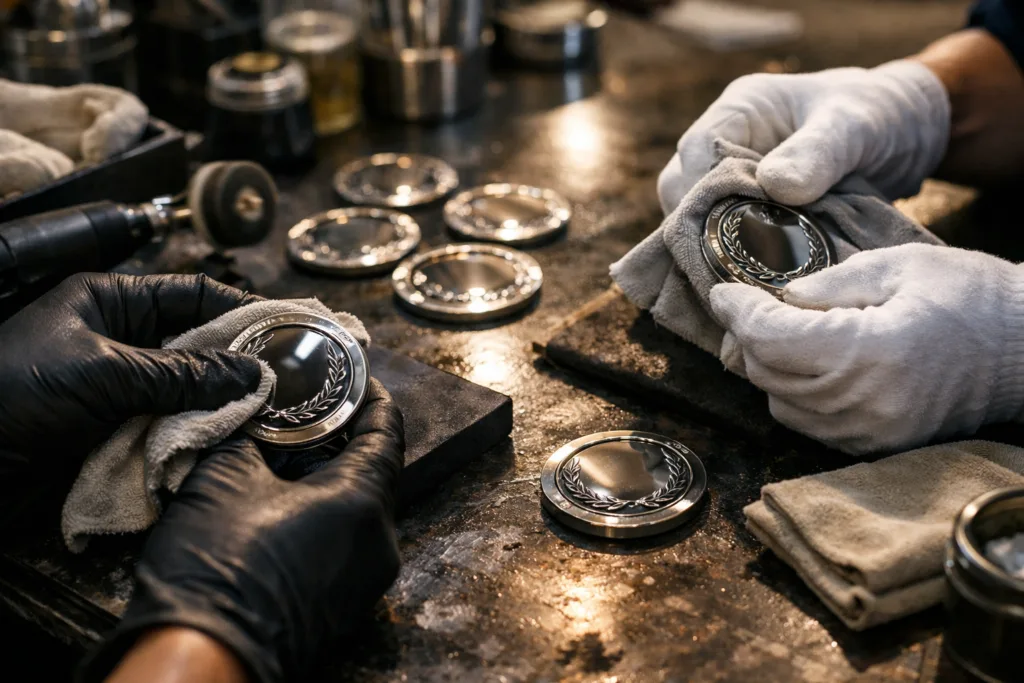
Top manufacturers, like Gairun, meticulously manage the trade-off between cost and craftsmanship. By deploying virgin alloy and hand-inspecting every batch, Gairun ensures that medals—whether iron or zinc alloy—meet demanding standards for surface smoothness and finish quality. Rack plating, not barrel, is favored for premium medals to achieve uniform luster and durability, a testament to a relentless focus on excellence at every touchpoint.
Case Study: Choosing the Right Medal for Your Event
Consider a national kids’ soccer league seeking memorable yet practical medals. After weighing cost, durability, and child-friendliness, organizers selected lighter zinc alloy medals with vibrant enamel color—minimizing fatigue and maximizing excitement. For a university’s century celebration, however, solid iron medals with antique bronze plating signaled heritage and tradition. Understanding both your audience and event narrative is essential for successful medal selection.
Cost-Saving Tips Without Sacrificing Value
- Keep design complexity appropriate for your material: simple for iron, elaborate for zinc alloy.
- Clarify volume in your order—higher counts lower per-unit mold costs for zinc alloy.
- Investigate eco-friendly plating to boost perceived value with minimal budget impact.
- Consult with a reputable medals manufacturer early to avoid costly design changes late in the process.
Packing, Storage, and Display: Material Implications
Zinc alloy medals’ resistance to moisture and tarnish simplifies storage and shipping, particularly for events held in challenging climates. Discover best practices in The Art of Display: 11 Essential Velvet Box Secrets for Medals and Coins for boosting collector appeal without risking surface damage in transit.
Personalization: Engraving and Color Fill Possibilities
Want personalized medals? Both iron and zinc alloy medals accommodate laser engraving and enamel color fill, but zinc alloy’s casting smoothness better supports fine details and vivid palettes, making creative personalization effortless. Laser Engraving on Medals: Adding Names, Numbers, and QR Codes expands on durable, high-precision methods for customized awards.
Future Trends: Evolving Medals for Modern Events
Expect even greater design sophistication, lighter yet stronger alloys, and more sustainable finishes. As material science advances, both iron and zinc alloy medals are starting to feature recycled content and durable PVD coatings for long-term vibrancy. Explore upcoming design frontiers in 7 Stunning Design Trends Shaping Custom Marathon Medals in 2026.
Conclusion: A Matter of Purpose, Not Just Price
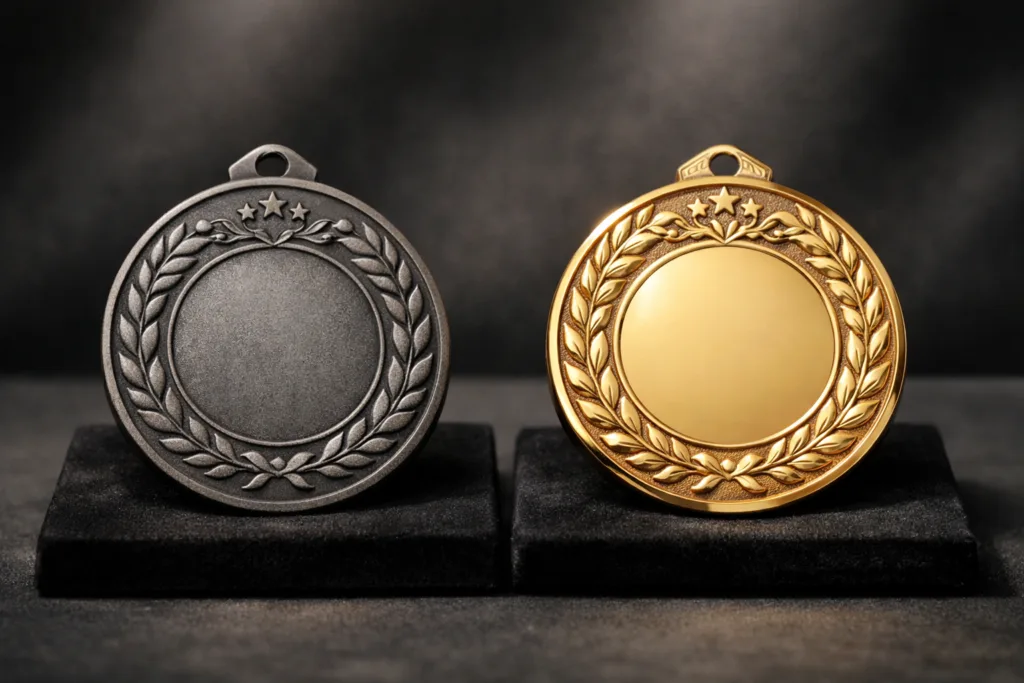
The decision between iron and zinc alloy medals hinges on your event’s values, your recipients’ expectations, and your appetite for design innovation. Iron delivers classic heft and value, perfect for heritage occasions or high-volume needs. Zinc alloy offers freedom for creativity, color, and form where “showpiece” status matters. Partnering with experienced common metals experts can help you weigh the full spectrum: weight, cost, and everything in between.
Frequently Asked Questions
How do iron and zinc alloy medals differ in weight?
Iron medals are denser and feel heavier in hand, while zinc alloy medals are lighter at the same size due to lower material density. This impacts the perceived value and comfort for recipients.
Which medal material is more cost-effective for large events?
For basic designs and large quantities, iron medals are often more cost-effective due to simpler manufacturing, but zinc alloy can offer better value for complex and creative shapes.
Are zinc alloy medals as durable as iron medals?
Zinc alloy medals resist corrosion and tarnish well, making them highly durable in varied settings, while iron medals are extremely strong but can rust if plating is compromised.
Which material allows for more creative medal designs?
Zinc alloy’s die-casting enables complex 3D features, cut-outs, and vibrant colors, making it ideal for creative and detailed medal designs compared to iron medals.
Are both iron and zinc alloy medals suitable for outdoor events?
Zinc alloy medals offer superior rust resistance, making them well-suited for outdoor events, while iron medals require high-quality plating to prevent corrosion in humid conditions.
How does medal material impact environmental sustainability?
Both materials can be recycled; iron has a robust global recycling stream, and eco-friendly zinc alloy formulations further reduce environmental impact during medal production.