Lead-Free and Eco-Friendly Materials for Metal Medals and Badges
Lead-free medals and eco-friendly metal products have become essential for organizations, sports event planners, and brands worldwide. Demand for safe, compliant products is surging as regulations tighten in Europe and the United States. In this guide, discover how selecting lead-free, nickel-free, and RoHS compliant medals ensures safer, greener outcomes for your audience and your business.
Why Material Safety Matters for Medals and Badges

Material safety sits at the heart of responsible manufacturing, especially for items worn on skin or handled frequently—like metal medals and badges. Unsafe materials can contain lead, nickel, or other hazardous substances. Exposure can cause allergic reactions or severe health risks, especially in children. In recent years, both the European Union and the United States have enforced strict regulations, including RoHS (Restriction of Hazardous Substances) and EN 1811 for nickel release.
International Standards Shaping the Market
- RoHS: European law restricting lead, mercury, cadmium, and several other substances in consumer products.
- EN 1811: Mandates low nickel release for wearable items to protect allergy-prone individuals.
- United States Prop 65/CPSIA: Limits on lead and phthalates to reduce toxicity risks in children’s products.
Business Impact of Safety Compliance
Manufacturers who comply with safety laws avoid costly product recalls, protect reputations, and support global market access. Gairun, for example, follows strict material sourcing and testing to meet RoHS, EN 1811, CPSIA, and other norms for every batch.
Material Choices for Safe Medals and Badges
Choosing the right metal helps protect users and meet legal requirements. Below, compare core metal options:
| Material | Lead-Free? | Nickel-Free Available? | RoHS Compliant? | Best For |
|---|---|---|---|---|
| Zinc Alloy | Yes (with certified supply) | Yes | Yes | Custom die-cast medals, coins, 3D relief designs |
| Brass | Yes | Yes | Yes | High-end badges, antique finishes, durability |
| Stainless Steel (304/316) | Yes | 316 grade is low-nickel | Yes | Nameplates, wearables, eco-friendly certifications |
| Aluminum (6061/5052) | Yes | Yes | Yes | Lightweight medals, promotional badges, anodized finishes |
Lead-Free Metal Advantages
- Safe for skin contact
- Suitable for children’s events and school awards
- Meets export requirements for EU/US markets
- Reduces environmental pollution during recycling
Eco-Friendly Metal Products: Beyond the Basics
Eco-friendly metal products go further than simply avoiding toxic substances. Factors such as recycled content, manufacturing energy use, coatings, and packaging all affect a medal or badge’s environmental impact.
Recycled and Sustainable Sources
Modern medal makers now use recycled zinc, aluminum, and brass where possible. Certificates may document recycled content. Gairun sources many materials directly from certified suppliers, promoting closed-loop metal cycles and waste reduction.
Responsible Mining and Sourcing
Choosing suppliers who practice responsible mining helps keep heavy metals—like lead and mercury—out of the supply chain from the start.
Eco-Safe Finishing Methods
- Water-based lacquer protection
- PVD (Physical Vapor Deposition) for durable, nickel-free color
- Chromium-free electroplating for shiny, hard-wearing surfaces
- Matte, brushed, and sandblasted finishes—lower chemical use
How Manufacturing Processes Support Material Safety
The production steps used to create medals and badges directly affect their safety profile. Each method offers unique benefits for compliance, tolerance, and finish. Here’s how manufacturers keep materials safe:
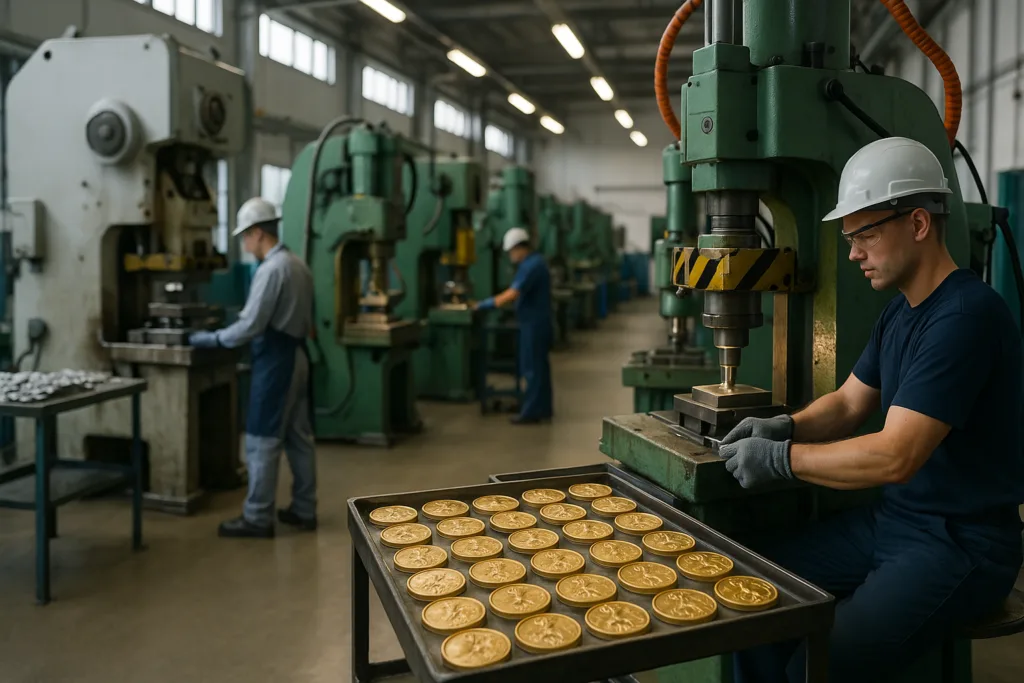
Die Casting and Stamping
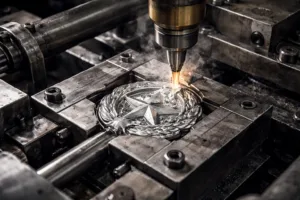
Die casting uses high-pressure molds with lead-free zinc or other alloys. Wire EDM (a form of precision machining) shapes molds to tight tolerances. Stamping and pressing form badges from sheets of certified metal without adding hazardous elements. These approaches help ensure consistent hardness, thickness (often between 2mm–5mm), and smooth reliefs.
Photo-Etching and CNC
Photo-etching uses light-sensitive films for intricate, low-profile designs. CNC milling or turning accurately sculpts medals and badges from blocks of stainless steel or brass, minimizing waste and avoiding cross-contamination from previous jobs.
Lacquers, Adhesives, and Mountings
Safety standards require verified, non-toxic adhesives and surface treatments. Liquid-based lacquer shields designs from color fading and corrosion, while 3M VHB (Very High Bond) adhesives provide secure mounting for badges—without skin irritants. Common mounting options include split rings, butterfly clutches, or magnetic backs (with tested magnetic field containment).
Plating Processes and RoHS Compliance
The plating process adds a protective, decorative layer to medals and badges. Selecting safe plating materials is essential for RoHS compliance:
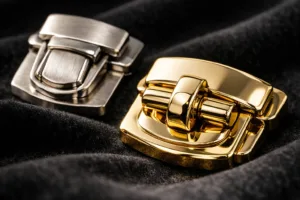
- Nickel-Free Plating: Upgrades traditional nickel plating to hypoallergenic options like PVD matte black, antique brass, or gunmetal.
- Gold Plating: Uses precious metal over nickel-free barrier for luxury finishes, especially for high-value awards.
- Electroplating Controls: Plating thickness reviewed with XRF (X-ray fluorescence) to ensure compliance—typical standards: 3–5 μm plating for wearables.
- Salt-Spray Testing: ASTM B117 checks corrosion resistance for medals, especially important in humid or outdoor environments.
Color Enamel Choices
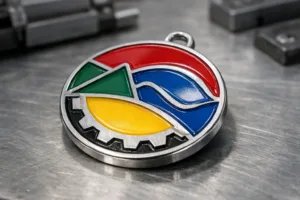
Color can be applied using hard or soft enamel, controlled at precise fill depths and Pantone-matched for brand consistency. Epoxy domes add gloss, sealing color for lasting vibrancy. These finishes use non-lead pigments, passing RoHS checklists.
Quality Assurance: Testing and Certification
Rigorous tests safeguard product quality and compliance. Gairun, like many professional OEM manufacturers, implements:
- Plating Thickness Measurement: XRF scans validate barrier strength.
- Hardness Control: Vickers hardness (HV) checked to correct values for wear, impact, and tactile feel.
- Color Difference: Spectrophotometer readings to keep ΔE below market thresholds.
- Adhesion and Durability: ASTM D3359 tape tests confirm surface bond.
- AQL Sampling: ANSI/ASQ Z1.4 guideline-driven inspection for random lot quality.
Final products leave the factory in certified packaging—OPP bags, velvet boxes, blister packs, or custom cards—marked with batch numbers for traceability.
Lead-Free Medals for Sports, Schools, and Brands
Lead-free medals are a must for marathons, school competitions, and youth sports. They protect event organizers from liability, keep young winners safe, and unlock international export opportunities. Badges and coins for clubs or the military can also benefit from low-allergen, nickel-free plating and stamped compliance records.
Design Customization and Branding
- 2D or 3D logo reliefs for visual impact
- Custom Pantone color fills
- Laser-engraved serial numbers, personal names, or event dates
Gairun’s OEM/ODM service tailors every detail to client needs, with experience delivering safe, show-stopping results for global events.
The European and US Compliance Landscape
For products sold or distributed in Europe and the US, documentation is vital. Exported medals and badges require certificates confirming lead-free, RoHS, and EN 1811 status. Customs may request testing reports, making upfront compliance a non-negotiable step:
- RoHS Declaration (available from metal suppliers and finishers)
- Nickel release test results for wearable medals/badges (as per EN 1811)
- Proposition 65 labels (California) where applicable
Gairun supports clients with all paperwork, making exporting smooth and headache-free.
Steps to Sourcing Eco-Friendly Medals and Badges
Buyers can streamline their search for safer, greener medals by following these steps:
- Specify lead-free and nickel-free preference in RFQ (request for quote)
- Request RoHS and EN 1811 certificates
- Ask about recycled content and packaging options
- Review plating finishes for skin contact safety
- Define color and branding requirements early
- Verify testing and batch QC practices with your supplier
These steps help ensure compliant products—ready to delight recipients and safeguard brand reputation.
Expert tip: Always ask for physical samples or batch test reports before approving final manufacturing. Product safety starts long before delivery.
Lead-Free and Eco-Friendly Materials for Metal Medals and Badges
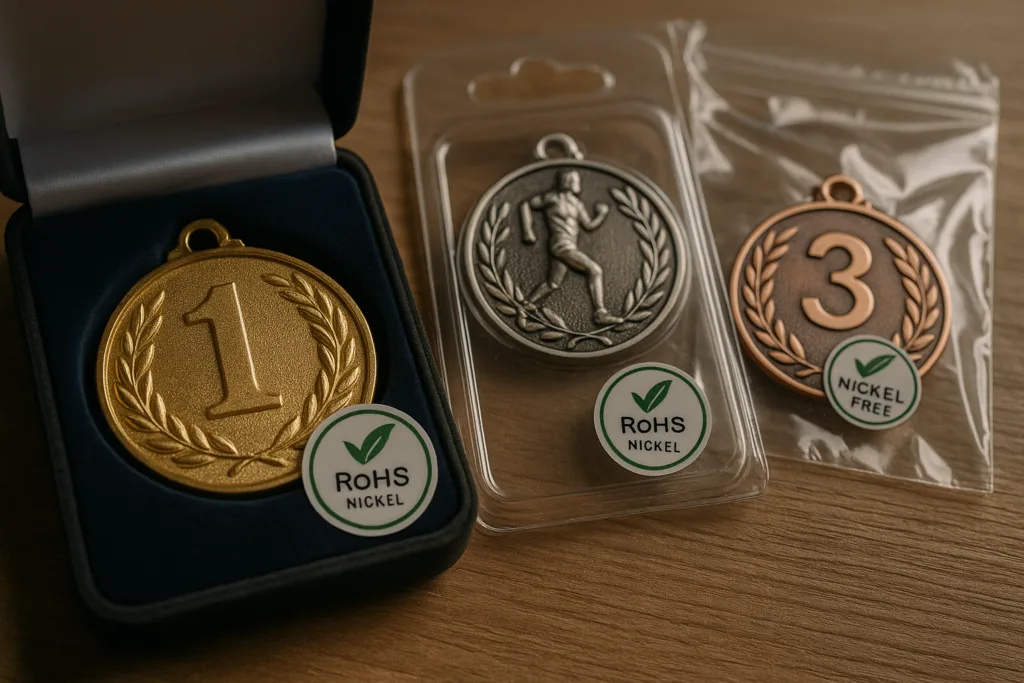
Lead-free medals and eco-friendly materials are now the preferred standard for award organizers, brands, and event producers worldwide. By choosing certified safe metals and eco-conscious finishes, buyers protect users, comply with global laws, and support next-generation sustainability.
Contact Gairun to discuss your specific compliance and eco-friendly needs for medals, badges, coins, or custom metal crafts. Benefit from detailed material specification, advanced process control, and industry-recognized certifications.
Frequently Asked Questions
Why are lead-free medals essential for children’s events?
Lead-free medals prevent toxic exposure and allergic reactions, making them safe for young participants in schools and sports.
What is RoHS compliance in metal badges?
RoHS compliance means medals and badges do not contain restricted substances like lead, mercury, or cadmium, supporting EU safety laws.
How do I verify materials are nickel-free?
Request EN 1811 test reports and certificates from your supplier to confirm badges and medals have low or no nickel release.
Which plating finish is best for skin safety?
PVD, gold, and nickel-free antique finishes are safest for wearables as they reduce allergy risk and meet regulatory standards.
Can eco-friendly medals use recycled metals?
Yes, many eco-friendly medals use recycled zinc, aluminum, or brass, and suppliers can often provide proof of recycled content.
What documentation is needed for exports to Europe or the US?
Exported medals require RoHS, EN 1811, and sometimes Proposition 65 certification, plus batch test reports for customs clearance.