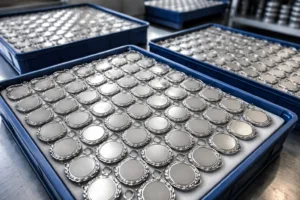
Introduction: The Debate Over Offset Printing vs. Enamel in Pin Production
Choosing between offset printing and enamel techniques for enamel pins can be confusing, especially when both methods have unique strengths. With the explosion of custom pins in fashion, branding, and collectibles, the right production method impacts not just aesthetics, but durability and cost as well. In this guide, we’ll break down the core differences between offset printing and enamel, offer hands-on insights, and help you choose the best approach for your project.
What are Offset Printed Enamel Pins?
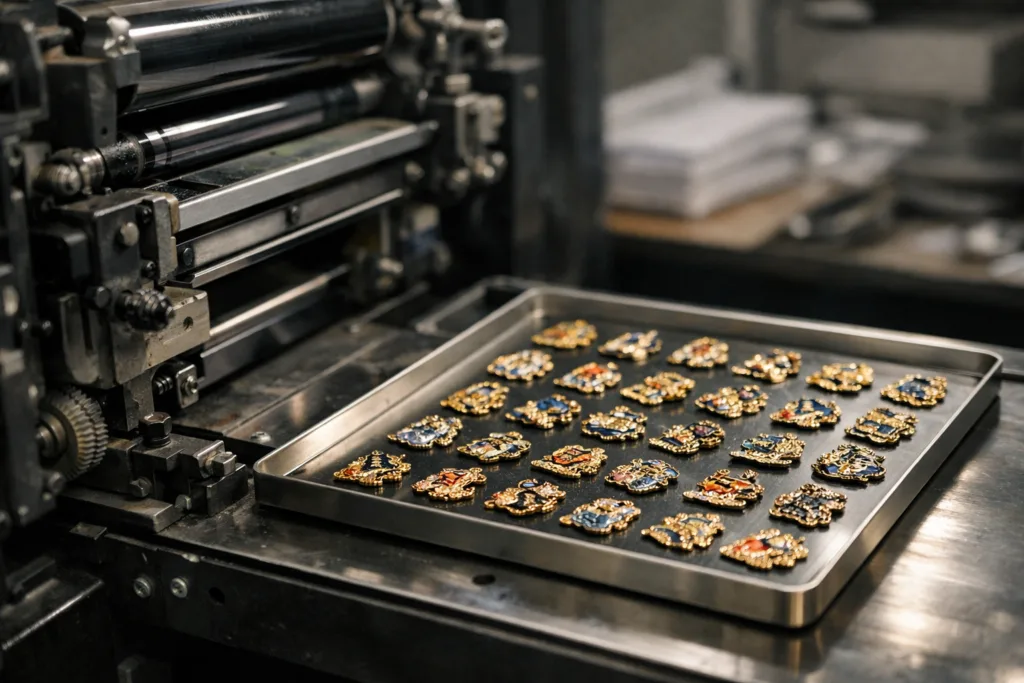
Offset printing, sometimes known as photo printing, involves transferring an image onto metal using precise, high-resolution printing machinery. This method allows for full-color gradients, intricate details, and photo-realistic effects—not achievable with classic enamel filling. The printed design is often sealed with an epoxy dome for protection.
How Do Enamel Pins Differ? (Hard vs. Soft Enamel)
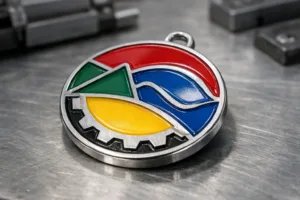
Traditional enamel pins are created using either soft enamel or hard enamel techniques. The metal base is stamped or cast with recessed areas, which are then filled with colored enamel paint. Soft enamel offers raised metal lines and a textured surface, while hard enamel is polished smooth and has a glasslike finish.
Offset Printing vs. Enamel: Which is Best?
If you’re torn between these two techniques, you’re not alone. Offset printing excels at capturing highly complex images, including photos and gradients, ideal for artwork with many colors or tiny details. Enamel pins, on the other hand, are unbeatable for their classic look, tactile surfaces, and premium feel. Your choice depends on priorities—design complexity, intended use, and target audience.
Understanding the Manufacturing Process
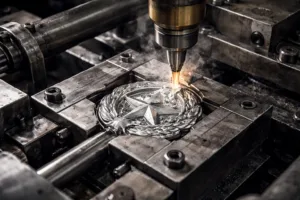
Offset printed pins start with a flat metal base, usually zinc alloy or brass, offering a blank canvas for direct image transfer. Enamel pins require die stamping (for hard enamel) or die casting (for soft enamel), which creates the outlines or ‘cells’ to hold each color.
Durability: Which Lasts Longer?
Enamel pins are known for their durability thanks to the hard surface achieved by heating or polishing the enamel layers. Offset printed pins, protected by a clear epoxy dome, resist scratches but can sometimes fade over years of abrasion or UV exposure. For rough use (like bag accessories), hard enamel typically outlasts printed designs.
Color Vibrancy and Design Fidelity
Offset printing shines when it comes to reproducing vibrant, full-color images or subtle gradients—think photographic artwork, shading, or intricate logos. Enamel pins, limited by Pantone-matched solid colors, deliver bold but flat color fields, with defined metal borders between colors. Bright saturation is possible, but color blends or soft transitions aren’t.
Cost Comparison: Which is More Affordable?
Offset printed pins are generally more cost-effective for small batches and highly detailed artwork, as they skip the expense of die creation and enameling labor. However, for larger runs or simpler designs, enamel pins can be comparable or even less expensive over time, especially when factoring in perceived value and collectibility.
Suitability for Different Design Types
If your design includes photos, fine lines, complex color blends, or more than six solid colors, offset printing is likely the best fit. For logos, flat iconography, or classic looks, enamel pins (especially hard enamel) offer timeless appeal and superior tactile quality.
The Role of Epoxy Domes in Offset Printing
An epoxy coating encapsulates the printed image, acting as a shield against fading and surface scratches. While giving a glossy effect, it adds thickness and slightly softens the pin’s tactile detail, contrasting with the crisp feel of hard enamel.
Advantages of Offset Printing for Pins
- High-resolution detail: Even photographic portraits are clear.
- Unlimited color gradients and shades.
- Quick turnaround, no need for custom dies.
- Better suited for multi-color designs.
Disadvantages of Offset Printing for Pins
- Less tactile surface—no raised or recessed details.
- Colors may fade or yellow with years of exposure.
- Epoxy domes can be prone to scratches over time.
Advantages of Enamel Pins
- Exceptional durability, long-lasting color.
- Classic look and feel, collectible quality.
- Raised metal boundaries offer a premium finish.
Disadvantages of Enamel Pins
- Limited to solid colors (no gradients).
- Complex or photo-based artwork not possible.
- Custom die costs can add up for small runs.
Aesthetics and Finish: What to Expect
Hard enamel offers a smooth, jewelry-like shine, while soft enamel has a textured ‘valley and ridge’ sensation. Offset printed pins are usually identified by their flat, glossy surface without any raised lines, making them ideal for modern or photographic styles.
Scale, Turnaround, and Minimum Order Quantities
Offset printing is fast and flexible, with lower setup costs and often smaller MOQs. Enamel pins, especially those with complex metalwork or custom molds, may require larger minimum orders and a longer production timeline.
Environmental Impact: Materials and Coatings
Manufacturers who value environmental stewardship increasingly use lead-free, nickel-free metals, and eco-friendly epoxies. Premium manufacturers such as Gairun set the standard for material purity and low-waste methods in both printing and enameling to achieve vibrant, sustainable results.
Practical Examples: When Offset Printing Shines
Offset printing is often used for charity pins featuring photos, artist signature pins with painted backgrounds, and events where a full-color badge is essential. Designers can experiment with color depth, transparency, and shaded backgrounds, unlocking effects impossible in traditional enamel.
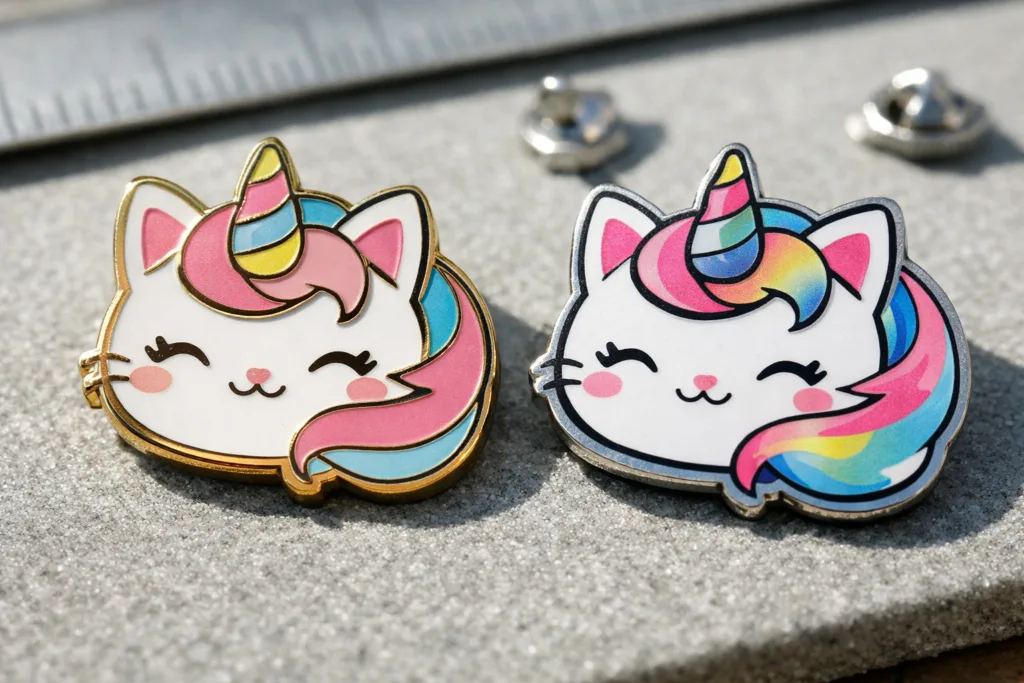
Practical Examples: Iconic Enamel Pin Usage
Classic enamel is the go-to for mascot badges, retro labels, commemorative medals, and collectible series where tactile, raised details highlight craftsmanship. If you value the feel and lasting vibrancy (no risk of image peeling), enamel is a favorite among collectors and luxury brands.
Which is Best for Durability and Longevity?
For pins exposed to frequent use or rough bags and jackets, hard enamel typically edges out offset-printed pins in resistance to wear and impact. Both can be made robust, but the inherently harder surface and solid color inlays of enamel mean less risk of chipping, fading, or yellowing with age.
Design Flexibility: Creative Limits and Possibilities
Offset printed methods break the barrier for highly creative or multi-layered illustrations, gradients, or art that needs to “pop” in full color. Enamel, meanwhile, invites bold, iconic designs with clear outlines—great for logos and simple mascots.
Weight and Feel: How Each Method Compares
Enamel pins (especially hard enamel) often feel more substantial in hand due to deeper fills and greater polishing. Offset-printed pins can be lighter and thinner, which may be an advantage for certain applications like lapels or subtle branding on textiles, as seen with badges manufacturer standards.
Industry Insights: Luxury and Mass Market Trends
Luxury brands tend to favor hard enamel for its mirror-bright finish, crisp metal lines, and durability. Mass-market campaigns and large events often prefer offset printing for speed, lower cost, or extremely detailed designs where high-detail artwork is the draw.
Common Mistakes When Choosing the Right Pin Method
Many first-time designers mistakenly pick enamel for complex gradients or offset printing for simple logos. Both methods have benefits, but matching your artwork to the right production technique ensures the final pin meets both your aesthetic and functional goals. Refer to this guide to common design mistakes to help you avoid costly errors early on.
Expert Quality Tips: Ensuring a Flawless Finish
Premium manufacturers invest in hand polishing, high-purity metals, and advanced printing techniques to achieve sharper details and consistent results. Strict quality control, like salt spray testing for corrosion resistance or careful lamp-inspection for enamel pin color uniformity, can guarantee museum-quality results.
Final Considerations: Your Project Goals and Audience
Ultimately, the “best” option depends on your design and audience. For vibrant, detailed, or low-volume runs—offset printing is a clear winner. For classic looks, luxury, and longer-lasting pins, enameling (especially hard enamel) holds the edge. Consider your end user and brand goals before making the final call.
Conclusion

Offset printing and enamel both offer unique benefits for pin production. Offset printing delivers unrivaled detail and color for intricate designs, while enamel pins shine in durability and classic appeal. Review your project’s needs—design complexity, expected use, and brand positioning—before choosing the ideal method. By understanding each technique’s advantages and limitations, you can create pins that wow your audience and stand the test of time.
Frequently Asked Questions
Can offset printing capture gradients and photos?
Yes, offset printing is ideal for full-color work, gradients, and photo images that traditional enamel pin techniques cannot reproduce.
Are enamel pins more scratch-resistant than offset printed pins?
Hard enamel pins are typically more scratch-resistant due to their polished, glasslike surface, while offset printed pins rely on a protective epoxy dome that can eventually show wear.
Which method is more cost-effective for small batches?
Offset printing usually offers lower setup costs and is more economical for short runs or highly detailed designs.
Do offset printed pins feel different from enamel pins?
Yes, offset printed pins have a flat, glassy surface, whereas enamel pins (especially soft enamel) have tactile raised metal lines and a weightier feel.
Is it possible to use both methods on one pin?
Some manufacturers offer hybrid techniques—printing detailed images on areas with enamel inlays—but this is less common and adds complexity to production.
How should I decide between offset printing and enamel for my project?
Base your choice on your artwork: select offset printing for detailed or photographic designs, and enamel for bold, classic, or collectible pin styles.