Introduction: Why the Choice Matters for Organizers
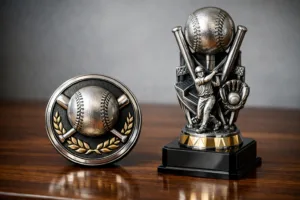
When planning an event, the type of participation rewards you select—whether it be a participation medal, participation trophy, participation award, or other forms—can significantly impact both your budget and your participants’ experience. For organizers, understanding the difference between medals and trophies is more than a question of aesthetics; it’s about logistics, lasting impressions, and aligning your event’s values with your brand. In this guide, we’ll explore how these choices affect cost, transportability, visibility, suitability for youth events, and overall brand perception, providing practical advice for procurement decisions.
Defining Participation Medals vs Participation Trophies
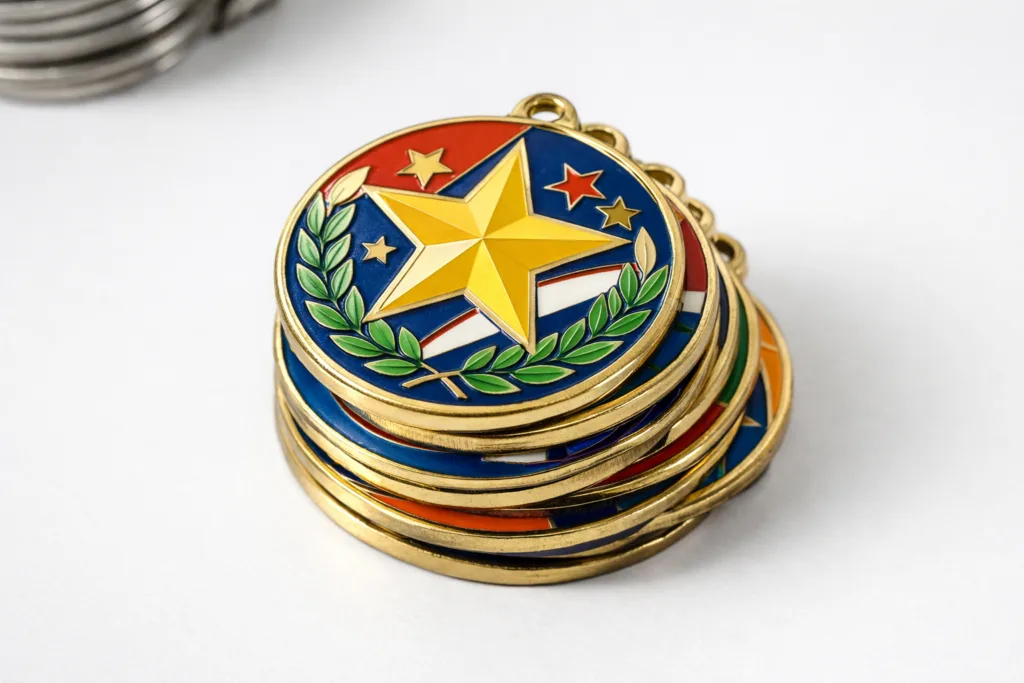
Participation Medals are metal awards usually worn around the neck or pinned to clothing. They often showcase engraving or color detail, emphasizing the event and achievement. Participation Trophies are three-dimensional objects, typically mounted on bases, and designed for display on desks or shelves. Both recognize effort, but signal it in different ways.
Budget Comparison: Medals vs Trophies
One of the most critical factors for event organizers is the budget. Medals often cost less because they use fewer materials and are faster to produce. Trophies, with their bases and multiple materials, can be pricier. This budget gap becomes especially pronounced in large-scale events. For organizers dealing with tight margins, opting for medals can enable broader participant recognition without breaking the bank.
Transport and Storage: Medals Lead in Efficiency
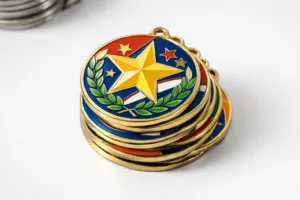
Medals shine when it comes to logistics. They are compact, stack easily, and weigh less. Shipping costs drop, and storage becomes more straightforward. Trophies, often bulky and vulnerable to damage, require more careful handling. For national or international events, medals dramatically reduce organizational headaches surrounding transportation.
Display Impact: Trophies as Statement Pieces, Medals as Wearables
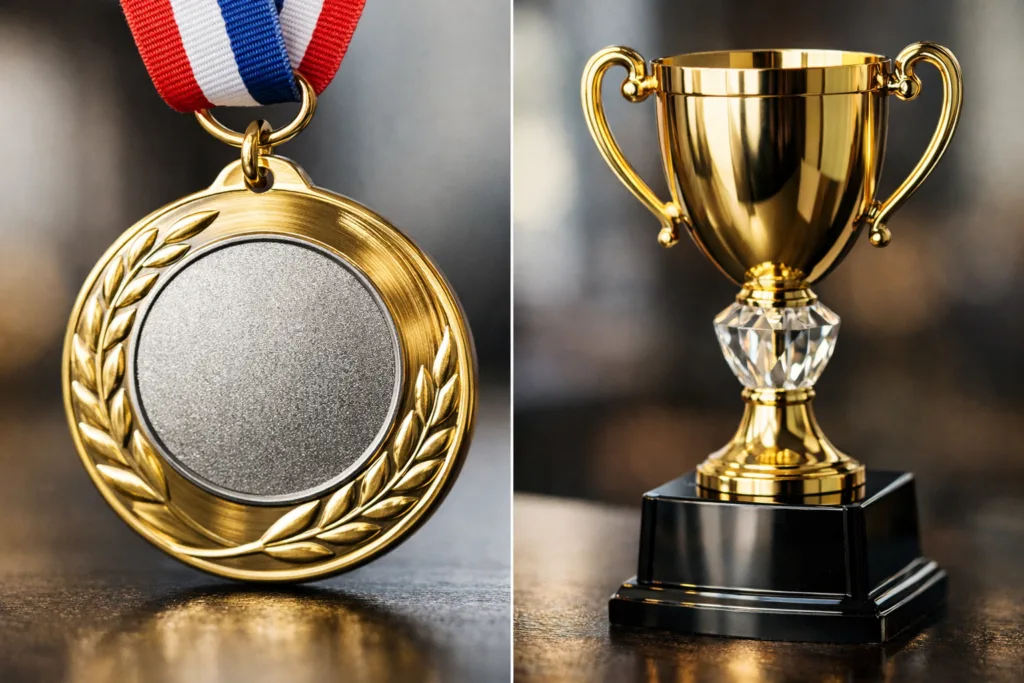
Trophies command attention. Their height and form make them the centerpiece of presentations and the pride of shelves. Medals, on the other hand, are wearable; participants often showcase them immediately and at future events. If your priority is public, static display, trophies have an edge. For ongoing visibility, medals are preferable.
Suitability for Youth and Children’s Events
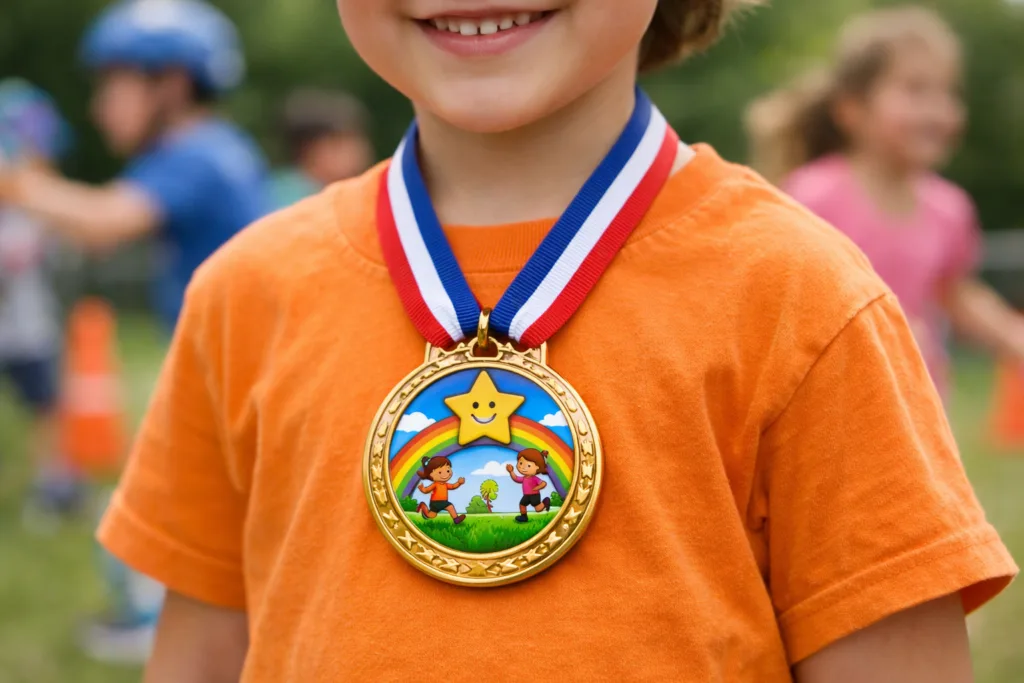
Children often respond more enthusiastically to medals. Medals are easy to wear, less likely to break, and can be customized with child-friendly designs. Trophies may feel “adult” and, in busy environments, risk becoming lost or damaged. For sports days or school competitions, medals create an inclusive and safe reward experience.
Brand Perception: Customization and Prestige
Your event’s brand identity is shaped by its awards. Custom medals, especially when made by reputable manufacturers like Gairun, enable sharp logo engraving and vivid finishes that reinforce brand prestige. Trophies can offer tactile presence, but sometimes lack the finesse of a well-designed custom medal, especially when precision engineering ensures the edges and finishing are flawless.
Material Differences and Manufacturing Quality
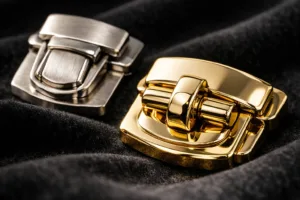
Medals are often crafted with zinc alloy, brass, or stainless steel. Purity matters if you want smooth surfaces and crisp details. Trophies may combine plastic, resin, and metal. The highest impact comes from medals with jewelry-grade plating—rack plating yields a mirror finish, unlike the duller barrel plating. For lasting impression and durability, Gairun’s strict adherence to lead-free/nickel-free standards sets a benchmark for safe, premium rewards.
Design Flexibility: Medals Offer Creative Freedom
Medals allow greater flexibility in shape, color, and finish. The ability to mold unique outlines and insert vibrant enamel colors makes medals the designer’s dream when compared to the often standardized forms of trophies. Adjustments in 3D design can also prevent casting flaws, ensuring medals look precisely as envisioned.
Personalization Options and Event Identity
From engraved names to event-specific symbols, medals can be tailored to each participant. Trophies typically offer limited personalization. This customization enhances the event’s memorability and injects a sense of belonging. Learn more about creating meaningful designs in 28 Expert Steps to Designing Meaningful and Memorable Custom 5K Race Medals.
Eco-Friendliness and Sustainability Considerations
Medals, especially those made from recycled metals, are often more sustainable than plastic trophies, which contribute to long-term environmental waste. Organizers focused on eco-conscious branding can showcase their values through medal selection.
Shipping and Packaging Requirements
Packing medals is less labor-intensive. Bulk shipments of medals incur fewer damages. Conversely, trophies often require custom-fit packaging, increasing both costs and complexity. If logistics are a concern, medals score higher.
Durability and Longevity
Medals can endure years of handling and display. High-quality medals, particularly those featuring hand-polishing and robust enamel layers, resist tarnishing and show minimal wear. Trophies, especially those with plastic parts, may break, lose their luster, or suffer from detached pieces over time.
Prestige and Emotional Connection
Trophies traditionally symbolize major achievement, but medals often evoke a sense of community and participation. The immediate act of wearing a medal fosters inclusion and pride. Research shows children cherish wearable awards more, bringing them to future events as badges of effort.
Adaptability Across Event Types
Medals are highly versatile, fitting sports, academic, or arts events. Trophies are best reserved for top-tier achievements or as centerpiece awards. Organizers running diverse events can rely on medals for broad recognition while maintaining trophies for select honors.
Visual Appeal and Design Trends
Modern medal designs can incorporate glitter, danglers, and even spinner features. For example, medals in marathon events often feature eye-catching textures and bold colors. Trophies, while imposing, can seem old-fashioned if not updated with contemporary forms and finishes.
Cost Per Unit and Scaling for Large Events
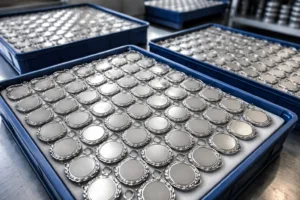
Producing medals in bulk is cost-effective. Organizers save on both production and transport when awarding hundreds or thousands. Trophies, with fixed materials and assembly, scale poorly in terms of unit cost.
Event Budget Planning: Making the Right Choice
Always match your award selection to your event budget and scale. Medals help stretch limited resources, especially for youth or charity events. For events emphasizing grandeur, a select number of trophies can complement medals. Smart planning leads to optimal reward distribution without sacrificing quality.
Transport Logistics: Real-World Organizer Insights
Organizers commonly report fewer shipment delays or damages with medals. Trophies, owing to their shape and base, demand careful stacking and individualized packaging. Streamlining logistics is crucial, so consider how medals minimize risk and effort.
Participant Satisfaction: What the Recipients Say
Feedback shows participants—especially children—prefer medals for their instant wearability and commemorative value. Trophies excel in building long-term pride, but medals deliver immediate joy and event unity.
Practical Recommendations for Event Organizers
- Prioritize medals for large-scale, youth-oriented, or environmentally conscious events.
- Use trophies for limited, high-prestige recognitions.
- Consult with manufacturers on material purity and finishing options.
- Balance brand perception with practicality in logistics and cost.
Case Studies: Successful Participation Award Choices
School sports days often opt for custom medals, citing ease of distribution and high child engagement. Corporate charity runs use medals to reinforce branding and inclusivity. For major tournaments, select trophies as highlight awards—but distribute medals to all participants.
How Gairun Sets Quality Standards in Medals and Trophies
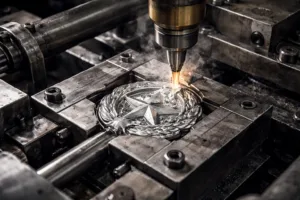
Industry leaders like Gairun select premium materials and employ jewelry-grade finishing—such as hand-filling enamel colors and precision mold engraving—to ensure medals pack impressive visual impact and durability. These standards transform simple participation rewards into lasting keepsakes, safer and more appealing for children, while allowing organizers to project brand excellence without compromise.
Participations Medals vs Participation Trophies
| Factor | Participation Medal | Participation Trophy |
|---|---|---|
| Budget | Lower cost, ideal for bulk | Higher, less scalable |
| Transport | Compact, easy shipping | Bulky, requires careful packing |
| Display | Wearable, portable | Static, high visual presence |
| Child Suitability | Safe, easy to use | Fragile, less tailored |
| Branding | Customizable, vivid logos | Traditional, less flexible |
Conclusion: Choosing Participation Awards with Confidence
The right participation award—medal or trophy—rests on a blend of practicality, emotional resonance, and brand impact. For many event organizers, medals check the boxes for cost, logistics, and participant satisfaction, particularly at scale or for youth activities. Trophies, meanwhile, bring prestige and iconic status for select recognitions. The best procurement decisions empower organizers to deliver memorable events, balance their budgets, and project lasting value.
Frequently Asked Questions
How do participation medals and trophies compare in terms of cost?
Participation medals generally cost less to produce and ship, making them preferable for large events, while trophies are more expensive due to material and assembly.
Which is easier to transport and store: medals or trophies?
Medals are lightweight, compact, and stackable, making them far easier and safer to transport and store compared to the bulky, fragile nature of trophies.
What makes medals more suitable for children’s events?
Medals are wearable, safe, and customizable for children’s tastes, and they avoid the risk of breakage or loss common with trophies in busy environments.
How do medals and trophies impact brand perception?
Custom medals reinforce brand identity through precise logo engraving and finishing, while trophies signal prestige but may lack flexibility in modern branding.
Are medals more environmentally friendly than trophies?
Yes, medals made from recycled metals are typically more sustainable than plastic trophies, aligning better with eco-conscious event planning.
What factors should organizers consider when choosing participation rewards?
Organizers should weigh budget, logistics, child safety, display impact, branding needs, sustainability, and participant preferences to select the ideal reward form.