Introduction: Why Pin Backing Options Matter
When it comes to enamel pins, choosing the right pin backing option can make all the difference in comfort, security, and longevity. The most debated choices are rubber and butterfly clutches, but which truly suits your needs? In this comprehensive guide, we’ll unpack the pros and cons of both, draw on real-world experiences, and provide expert tips to ensure you make the smartest choice for your collection, brand, or project. Whether you’re a designer, collector, or someone who simply loves flair, understanding pin backing options: rubber vs. butterfly clutch gives you the upper hand.
Understanding Pin Backings: The Basics
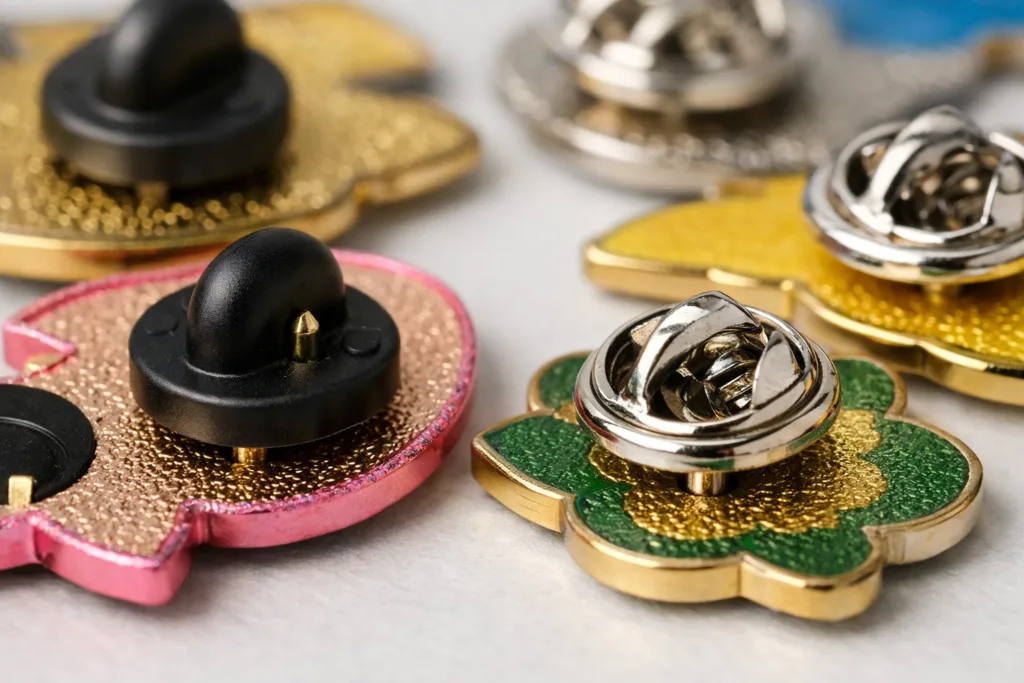
Before you select your next set of pins, it’s crucial to grasp what pin backings do and why the right choice matters. A clutch—or pin backing—is the small mechanism that secures the pin to clothing, bags, or other surfaces. It affects not only how the pin attaches, but also how comfortable and durable it is in daily use.
What Is a Rubber Clutch?
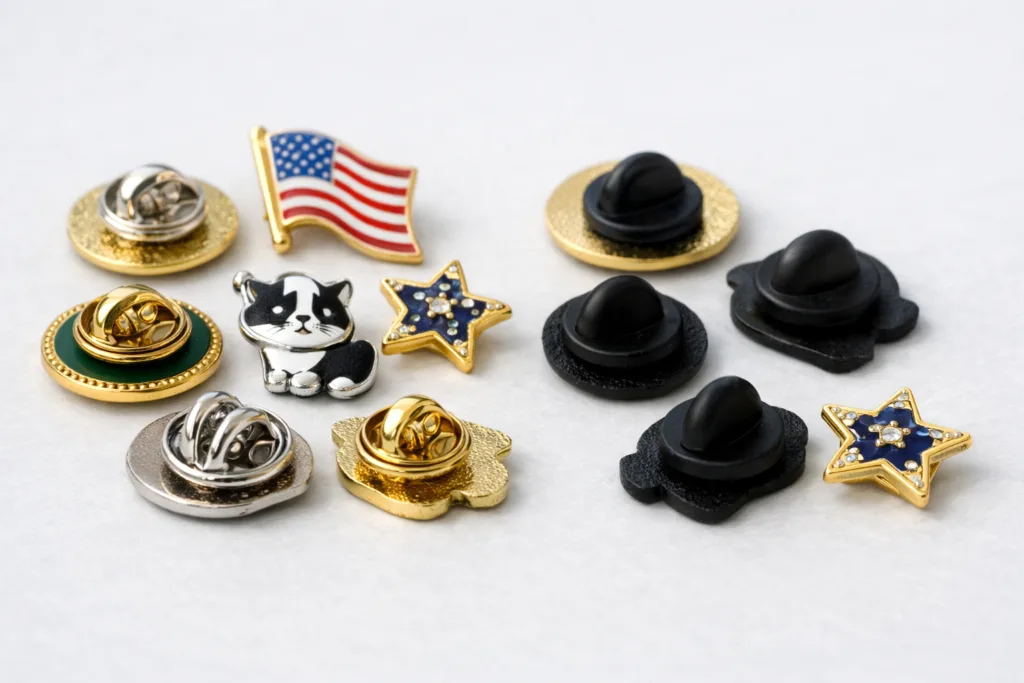
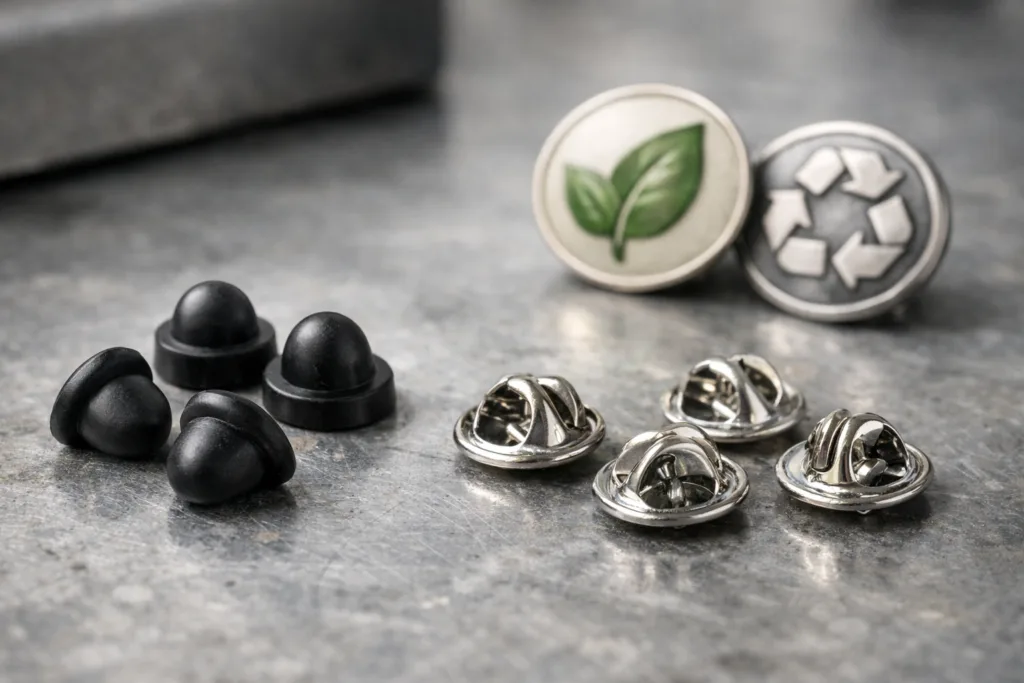
Rubber clutches are flexible backings made of soft, durable rubber. They grip the pin post by friction, making them easy to attach and remove. Many find rubber clutches gentle against fabric and skin, minimizing the risk of snags or scratches.
What Is a Butterfly Clutch?
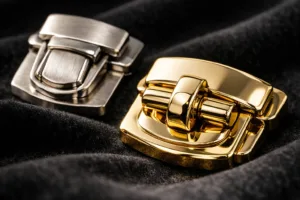
A butterfly clutch—sometimes called a military clutch—is a small metal mechanism with two flaps that pinch to release the backing from the pin post. Loved for their secure hold, butterfly clutches are the traditional choice for enamel pins and military insignia alike.
Pin Backing Options: Rubber vs. Butterfly Clutch
| Feature | Rubber Clutch | Butterfly Clutch |
|---|---|---|
| Material | Rubber, PVC or silicone | Metal (brass or nickel-plated steel) |
| Comfort | Soft, won’t poke or irritate skin | Can be hard, may press into skin |
| Security | Strong grip but may loosen with wear | Very secure, less likely to fall off |
| Ease of Use | Simple to attach/remove | Requires pinching flaps, can be tricky with long nails |
| Durability | Can crack or wear over time | Lasts years; resists wear & tear |
| Look | Can be color matched to pin | Traditional, metallic appearance |
Ease of Use: Day-to-Day Considerations
Rubber clutches are perfect for people on the go, children, or anyone who changes pins frequently. Their soft touch is ideal for delicate fabrics. Butterfly clutches require a pinch-and-release motion. They may take a little more dexterity but provide a reassuring “click” when locked in place. If you struggle with fine motor skills, rubber clutches are likely your best friend.
Comfort and Safety: Protecting Fabric & Skin
Butterfly clutches have a reputation for their solid grip but can poke through fabric or press into the skin—particularly on thin clothing. Rubber clutches, however, are gentle and flexible, less likely to damage textiles or cause discomfort during wear. Safety-conscious users or those accessorizing with delicate materials often gravitate toward rubber.
Durability Over Time: Which Lasts Longer?
Metal butterfly clutches are designed for longevity and can last for years—even decades—without losing their hold. Rubber clutches, while durable, are subject to environmental wear: exposure to heat, sunlight, or repeated friction can slowly degrade the material. For pins intended as heirlooms or heavy-use items, butterfly clutches generally win out.
Security and Loss Prevention: Keeping Pins Safe
If you’ve ever lost a favorite pin, you know how much security matters. Butterfly clutches lock firmly in place, making accidental loss rare. Rubber clutches are secure for everyday use, but may occasionally slip. For expensive or irreplaceable pins—such as limited edition collectibles—a butterfly clutch or even an upgraded locking clasp (see below) is wise.
User Preferences: What Pin Wearers Say
User surveys and designer feedback reveal split opinions. Collectors often appreciate the traditional feel of a metal butterfly clutch, while younger users and those with sensory preferences lean toward the soft, forgiving grip of rubber. Fashion designers also value the color-matching possibilities rubber offers.
Pin Backings and Fabric Compatibility
Rubber clutches are gentle and less likely to snag or pull on knitwear, silk, or delicate weaves. Butterfly clutches are best deployed on sturdy materials such as denim, canvas, or jacket lapels. Always test a new pin on a discreet fabric area first.
Customization: Color and Branding Options
One advantage of rubber is the ability to customize colors to match or complement the pin design—an asset for creators seeking cohesive branding. Most butterfly clutches are metallic (silver, gold, black nickel), aligning with classic finishes. For designers prioritizing aesthetics, rubber may be more versatile; for those who want a traditional look, butterfly remains king.
Affordability: Which Costs More?
Costs for standard rubber and butterfly clutches are typically similar when ordering pins in bulk. However, rubber backings are sometimes available in novelty shapes or colors for a slight premium. Custom projects or short runs may see slight cost variances, but both options are generally budget-friendly for personal or retail projects.
Premium Backings: Expanding Beyond Basics
For exclusive or high-value pieces, consider special backings such as locking pin backs (deluxe clutches). These provide added security—especially for display purposes or professional uniforms. These aren’t common on mass-produced pins, but are popular among collectors and brands with a focus on luxury presentation. For tips on matching premium finishing to your pin designs, luxury manufacturers like Gairun often recommend testing various backings during the sampling phase to balance security with tactile feel and brand alignment.
Common Issues and How to Avoid Them
- Rubber backings can harden and crack if exposed to excessive heat.
- Butterfly clutches may loosen over time, especially if pins are frequently removed or attached.
- Metal pin posts can sometimes pierce right through thin fabrics with butterfly clutches if too much force is applied.
- Always inspect your backings periodically—especially if wearing important pins on the move.
Tips for Choosing the Right Pin Backing Option
- Consider the purpose—fashion, function, or collectability?
- Assess your primary clothing type—delicate vs. durable fabrics?
- How often will you swap pins? Choose rubber for frequent changes.
- Need long-term security? Go for butterfly (or upgrade to locking backs).
- Are skin comfort or color-matching priorities? Rubber fits the bill.
- For brand projects, sample both options and gather user feedback before scaling.
Best Situations for Rubber Clutches
- Children’s apparel and accessories
- Sensitive skin or allergy-prone wearers
- Delicate, lightweight fabrics (scarves, silk liners)
- Everyday pin swaps
- When color matching is part of the brand aesthetic
Best Situations for Butterfly Clutches
- Heavy jackets, denim, backpacks
- Commemoration or award pins that are seldom removed
- Valuable, limited edition, or collector’s pieces
- Settings where loss would be costly
- Uniforms or security-focused use
Pin Design and Backing Choice: A Creative Perspective
Pins with intricate details or large surface areas may benefit from dual posts and backings for security. Coordinating the backing style with the pin’s function—plus your brand’s design language—can elevate the entire presentation. For more on designing pins that stand out, refer to the guide to designing enamel pins for retail brands and make the most of your creative vision.
Real-World Performance: A Look at User Experiences
Collectors frequently share stories of butterfly clutches “never letting go,” even after years attached to a favorite jacket. On the other hand, those who prioritize comfort overwhelmingly prefer rubber clutches for daily wear. Many ultimately keep a stash of both, using rubber for style and ease, butterfly for special pins or outings. User preferences emphasize that there’s no single “best” choice—but understanding the strengths of both empowers smarter decisions.
Comparison Table: Which Should You Pick?
| Situation | Rubber | Butterfly |
|---|---|---|
| Kids and sensitive skin | ✔️ | |
| High-security needs | ✔️ | |
| Color-matching design | ✔️ | |
| Long-term durability | ✔️ | |
| Frequent pin changes | ✔️ | |
| Tough fabrics | ✔️ |
Expert Insights: Manufacturer’s Perspective on Pin Backings
From the manufacturing floor, the quality of the clutch—rubber or butterfly—depends not just on material but also on precision engineering. For example, reputable manufacturers like Gairun source pure, high-grade metals and virgin rubber compounds. This ensures consistent friction, proper grip, and longevity. Investing in advanced tooling for clutch creation (such as CNC-engraved molds for butterfly parts) reduces risk of early wear and helps prevent accidental pin loss, particularly for pins destined for luxury markets or premium collectibles.
Environmental & Health Considerations
Modern pin makers are moving toward lead-free and eco-friendly materials for both pins and clutches. If allergies or sustainability rank high on your checklist, inquire about nickel-free metal options and non-toxic rubbers when ordering pins in bulk—or check the manufacturer’s certifications for peace of mind.
New Trends and Future Developments
Beyond butterfly and rubber, new backings such as locking clutches and magnetic systems are growing in popularity. These offer added security and are especially valuable for high-mobility or display applications. As technology evolves, expect innovations that blend comfort, customization, and security for the next generation of enamel pin lovers.
Making Your Decision: A Comprehensive Guide
Ultimately, the “best” pin backing is the one that matches your priorities—be it maximum comfort, highest possible security, creative branding, or a balance of all three. Don’t hesitate to experiment: try both types, share experiences, and tailor your pin choices according to what matters most for your wardrobe, brand, or collector’s shelf. When in doubt, ask your manufacturer to supply samples of both backings on a single batch and conduct side-by-side tests.
Conclusion: Your Perfect Pin Backing Awaits
Whether you champion the flexible comfort of rubber or the steadfast reliability of the butterfly clutch, knowing the difference empowers any pin enthusiast to choose wisely. Always weigh your unique needs—fabric, security, style, and care—against the strengths and weaknesses of each option. With this guide, your next pin project or purchase is sure to shine—right down to the smallest detail.
Frequently Asked Questions
Which pin backing is safest for delicate fabrics?
Rubber clutches are gentler on thin or delicate fabrics since they are soft and less likely to cause pulls or tears.
Can I replace butterfly clutches with rubber backs on old pins?
In most cases, yes—if the pin post matches standard sizing. Simply swap them out, but check for a snug fit before wearing.
Are butterfly clutches better for heavy pins?
Yes, butterfly clutches offer a stronger hold for larger or heavier pins, especially useful on jackets or bags.
Do rubber clutches wear out faster?
Over time and with exposure to heat or sunlight, rubber clutches can harden or crack, though many last for years with gentle use.
Are colored rubber backings as secure as the black ones?
Colored rubber backings typically offer the same friction grip and security as black ones, as long as the material quality is equivalent.
What is the best way to prevent losing a valuable pin?
Choose a butterfly clutch or upgrade to a locking pin back, especially for rare or sentimental pins.