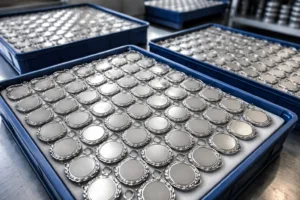
Quality Control in Custom Medal Manufacturing: What Buyers Should Look For
Custom medals are more than just awards—they represent achievement, brand identity, and event prestige. For buyers, quality is non-negotiable. Effective quality control (QC) ensures every medal matches the original vision and can endure handling, shipment, and display. This guide outlines the essential QC steps that buyers should expect from their partner. With the right checklist, you can prevent costly claims and avoid surprises when unboxing your order.
- Mould accuracy defines shape and detail.
- Plating, enamel filling, and polishing control look and durability.
- Ribbon strength and packaging protect your investment.
Gairun, a trusted manufacturer specializing in custom medals, coins, badges, and hardware, has built its reputation on meticulous quality standards and low claim rates.
Why Quality Control Matters for Custom Medal Quality
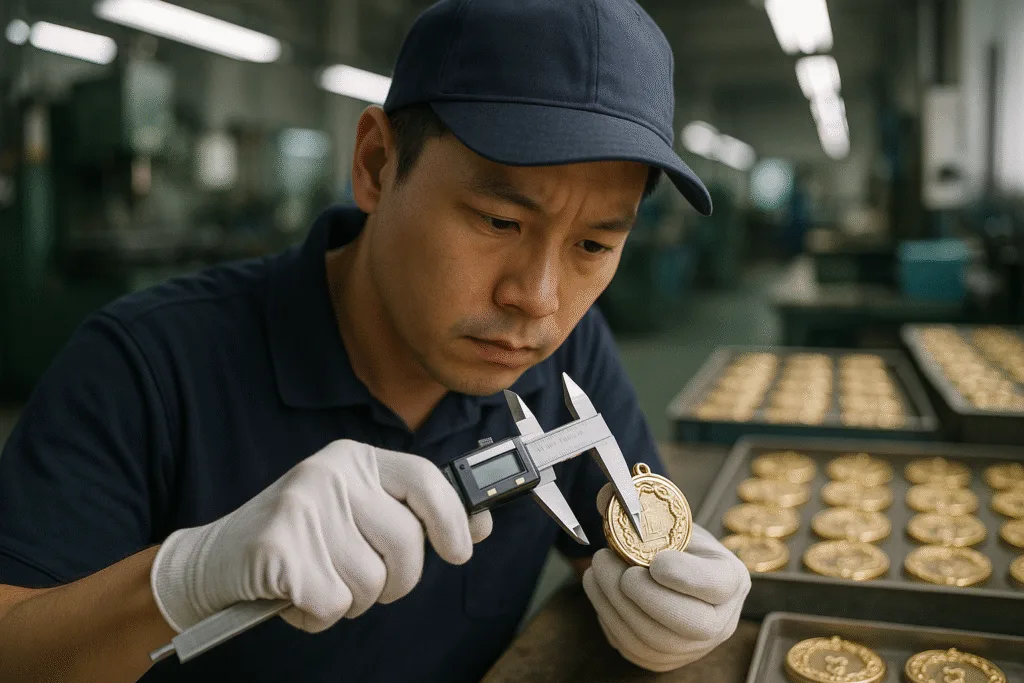
For event organizers, brands, and resellers, the final quality of medals shapes reputation and customer experience. Mistakes—like dull plating or weak mounting—can lead to customer complaints and costly replacements. High-grade medals bolster brand value and create lasting positive impressions. Reliable quality control means fewer claims and better peace of mind.
The Medal Inspection Checklist: Critical QC Points Buyers Must Know
A structured QC process covers checks at every manufacturing step. The following inspection checklist addresses the key factors impacting custom medal quality:
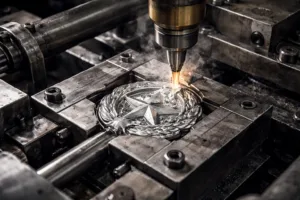
- Mould Accuracy: Does the medal match the master artwork and design intent in all dimensions? Tight tolerances (±0.1–0.3 mm) minimize detail loss for logos, text, or 3D relief. Wire EDM or CNC-cut steel moulds achieve superior sharpness compared to basic die casting.
- Plating Color & Adhesion: Is electroplating even, bright, and free from pinholes? Measure thickness using X-Ray Fluorescence (XRF) for consistency—gold: ≥0.1μm, nickel: ≥2μm. Check adhesion per tape test (ASTM D3359) and corrosion resistance with salt-spray tests (ASTM B117) for 24–96 hours.
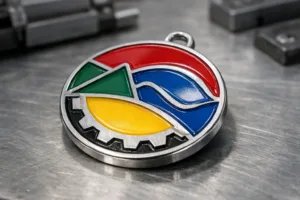
- Enamel Fill & Color: Is the color fill crisp, bubble-free, and within color difference (ΔE ≤3) tolerance versus Pantone swatches? Enamel should sit flush or recessed as specified, with no overflow onto polished areas. Verify soft/hard enamel by touch and resistance to scratch.
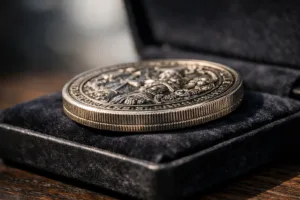
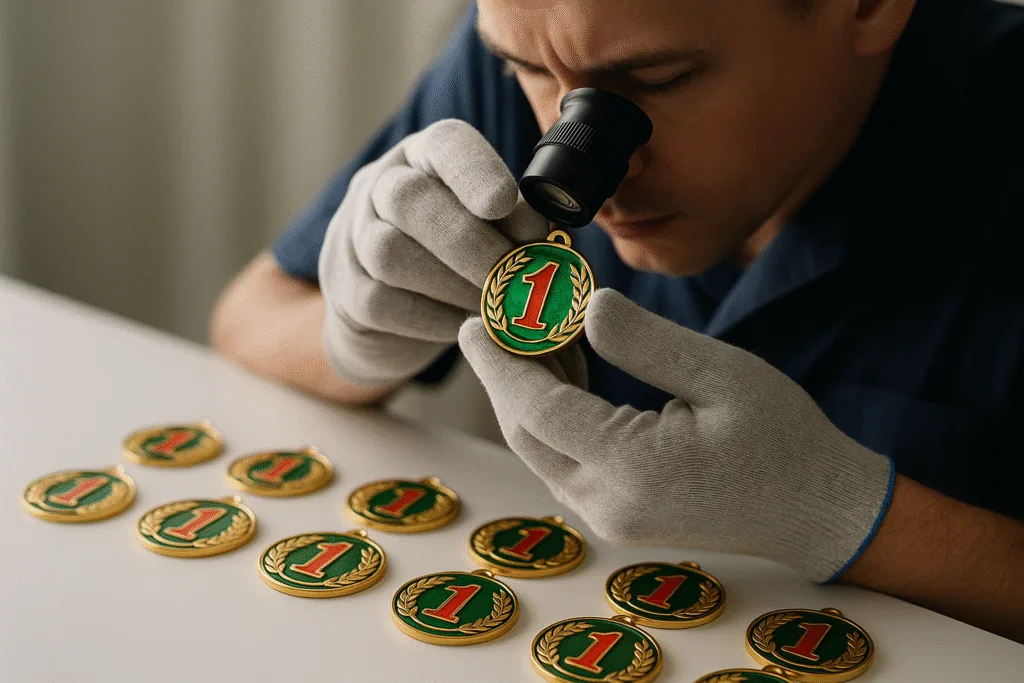
- Polishing & Surface Finish: Are polished or matte areas smooth, without scratches, residue, or swirls? Mirror finishes require careful hand-polishing; antique effects use selective sandblasting. Consistent brushing or satin textures enhance luxury feel.
- Weight & Dimension Tolerance: Each piece should fit the original blueprint within ±2g for weight and ±0.2 mm for diameter or thickness. Spot check using calibrated scales and calipers for large batches.
- Ribbon Strength & Mounting: All attachments (ribbon, split rings, clasps) must pass minimum pull strength—20N for medals meant to be worn, per EN 1811. Sewn or heat-sealed ribbon ends prevent fraying; check width, color, and print matching specifications.
- Packaging & Presentation: Clean, protective packaging (e.g., OPP bag, velvet box, or custom card) reduces scratches and confusion during sorting. Barcoding and clear labeling help with inventory and distribution. Final inspection should confirm every detail is correct before shipment.
Sample QC Checklist for Custom Medal Orders
| QC Point | Testing Method | Tolerance/Standard | Common Issues |
|---|---|---|---|
| Mould Detail | Visual, caliper | ±0.2mm | Misshaped text, blurred relief |
| Plating Thickness | XRF analyzer | Nickel ≥2μm; Gold ≥0.1μm | Peeling, tarnish |
| Enamel Color | Pantone swatch, ΔE reader | ΔE ≤3 | Color mismatch |
| Ribbon Mount | Pulled to failure | ≥20N | Loose, detached ribbons |
| Polish/Finish | Visual, magnifier | No scratches/swirl | Mirror haze, residue |
| Packaging | Random sampling | 100% correct | Dust, wrong box |
Materials and Manufacturing: How Choices Affect Quality Control
The metals and methods used in custom medals impact both cost and quality control complexity. Common medal materials include:
- Zinc Alloy: Versatile and affordable, ideal for die casting—2D/3D shapes, fine detail. Common thickness: 2–4 mm.
- Brass: Offers a premium feel, good for striking and sharp reliefs, but has higher cost.
- Stainless Steel (304/316): Best for durability, especially in high-wear applications. Resists corrosion and is RoHS compliant.
- Aluminum (6061): Lightweight and suitable for anodizing, but less detail than zinc or brass.
- Iron/Steel: Used for simple, cost-effective medals, but can be prone to rust without proper coating.
Process choices—like die casting, stamping, or photo-etching—affect how accurately design features are reproduced and how easy it is to check for defects. For example, die casting suits 3D shapes, while photo-etching is ideal for thin, flat medals where fine lines matter. Finishes like antique gold, soft enamel color fill, or sandblasted backdrops each require their own quality checks during and after production.
Stage-by-Stage Inspection: Preventing Issues Before Shipment
Quality control is not just a last-minute check. The best manufacturers, like Gairun, embed inspection into every step. Here’s how the process typically looks:
- After mould creation, the first samples undergo full visual–and dimension checks. Any deviation is corrected before mass production.
- In mid-production, technicians test random pieces for plating coverage, fill depth, and surface flaws. Defects are corrected immediately.
- Before assembly, inspect attachment points, ribbon slots, or loops—checking both mechanical fit and finish cleanliness.
- Final QC samples are drawn using the ANSI/ASQ Z1.4 AQL standard—a widely accepted sampling method. Audits may cover 5-10% of the total batch, depending on volume and order profile.
- All results are documented and shipped with photo records or certificates upon request, minimizing disputes and tracking accountability.
Gairun’s Factory Insights: Raising the Bar on Medal Quality Control
“Tight process control means fewer returns and happier clients. We check every batch for dimension, color, and strength—not just visual effects. That’s how we keep defect claims below 0.2%.”
Documents & Standards: What Should Appear With Medal Shipments?
Beyond the medals themselves, buyers should get full QC documentation upon request. Typical records include factory test reports, plating certifications (with μm readings), and random inspection photos, plus conformity declarations for lead, nickel, and cadmium safety per ANSI, ASTM, and RoHS/REACH.
For medals worn close to skin, labs can test for nickel release per EN 1811. For children’s products or US events, compliance with CPSIA and Prop 65 matters. A detailed packing list also helps with quick check-in upon receipt.
Finishing Options and QC: Plating, Enamel, and Polishing Checks
Visual impact starts at the surface. Manufactures offer a range of finishes, each with unique QC requirements:
| Finish | Properties | Best For | QC Concern |
|---|---|---|---|
| Antique Brass | Durable, fingerprint-resistant | Sports, classic look | Uniform patina |
| Mirror Nickel | Bright, hard | Branding, modern medals | No haze or swirl |
| Soft Enamel | Color in recessed areas | Detailed, low-cost | Full fill, vivid color |
| Hard Enamel | Flush, glassy surface | Premium pieces | No pits/bubbles |
| Epoxy Dome | Clear protective layer | Logo badges/coins | No yellow tint, bubbles |
Inspectors check for even color, gloss, and clarity. For colors, Pantone matching is standard. Plating should resist short-term abrasion and handling. For critical orders, salt spray testing shows real-world corrosion resistance, and tape tests confirm plating adhesion.
Custom Medal Quality Control and Risk Reduction in Practice
Each layer of quality control—from mould to packaging—cuts risk. Detailed inspection prevents batch defects like incomplete enamel, blurry detail, or uneven plating. High-precision QC processes, such as those used by Gairun, lower warranty claims, save buyers’ reputation, and streamline repeat orders. For logo-heavy or commemorative medals, buyers can review pre-shipment photos or videos to spot potential issues before delivery.
- Request production samples before full run for peace of mind.
- Use an agreed medal inspection checklist to align expectations.
- Maintain open communication—share event deadlines and critical details.
Consistent quality control creates lasting partnerships between buyers and trusted producers—ensuring every medal handed out is a symbol of success, not a source of headaches.
Quality Control in Custom Medal Manufacturing: What Buyers Should Look For
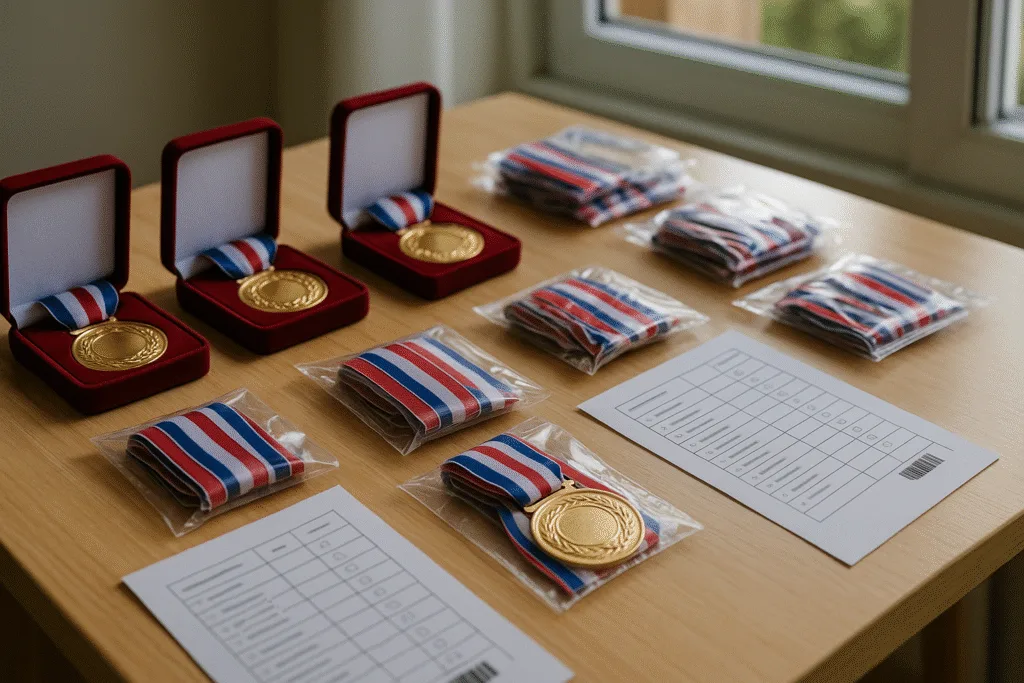
In summary, custom medal quality depends on strict, multi-step inspection, best-in-class materials and finishes, and well-documented standards. Buyers should expect tight tolerances, certified plating and color, robust ribbon attachments, and clean packaging on every piece. Gairun’s commitment to detail cuts claims and supports fast, safe delivery—making them a smart choice for event medals and branded metal products.
Frequently Asked Questions
What is the most important step in custom medal quality control?
Mould accuracy is critical; it ensures every medal matches the original design, reducing defects in shape and detail.
How can I check if enamel colors are correct on my medals?
Compare the medals against Pantone color swatches under neutral lighting and review factory-provided ΔE readings for color difference.
Why does ribbon strength matter for custom medals?
Weak ribbons can break during events, causing loss or embarrassment. Proper QC checks attachment and pull strength to avoid failures.
What plating thickness is standard for quality medals?
Nickel plating should measure at least 2 microns and gold at 0.1 micron or more for long-lasting finish and protection.
How does proper packaging reduce quality claims?
Protective packaging prevents scratches, confusion, and missing items on arrival, ensuring medals remain event-ready and claim-free.
What certificates should accompany high-quality custom medals?
Look for plating thickness reports, RoHS/REACH safety declarations, random inspection photos, and full packaging checklists with your shipment.