Unlocking Sandblasting and Texture Effects for 2D and 3D Medals
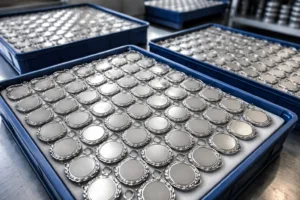
Sandblasting and texture effects are game changers for metal medals. Whether you want custom awards for marathons, school events, or promotional branding, these finishing touches shape how your medal looks, feels, and lasts. When you picture an iconic medal, the raised logo or text stands out. Beyond just shine and shape, background textures and surface contrasts set premium medals apart from plain ones. Let’s explore how sandblasting and clever texture techniques dramatically enhance medals in both 2D and 3D formats.
What Is Sandblasting in Medal Manufacturing?
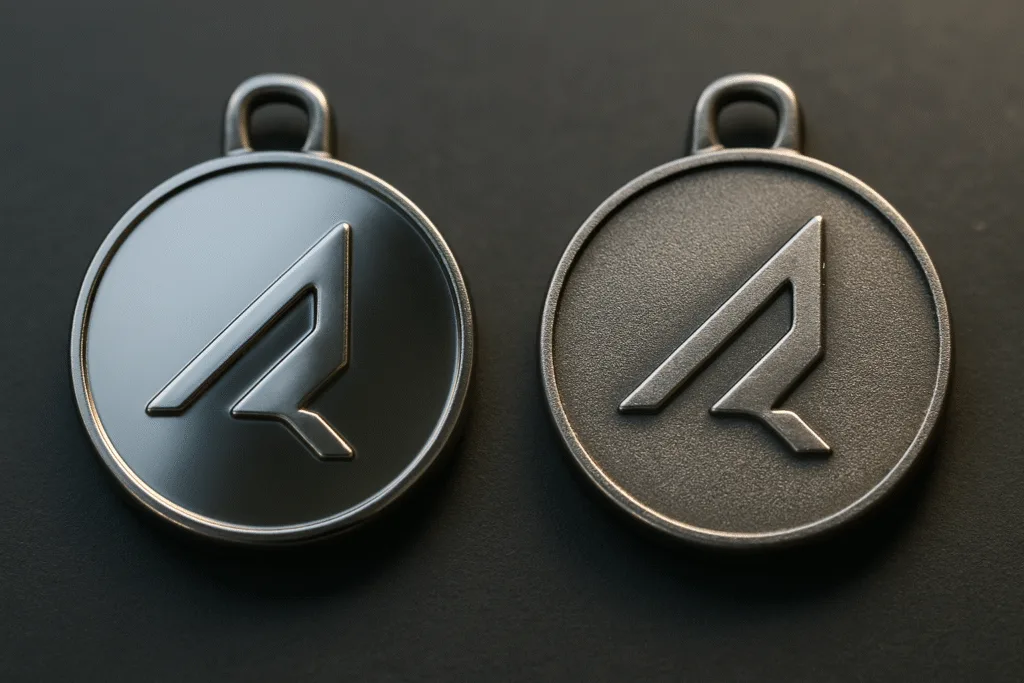
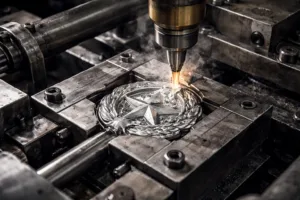
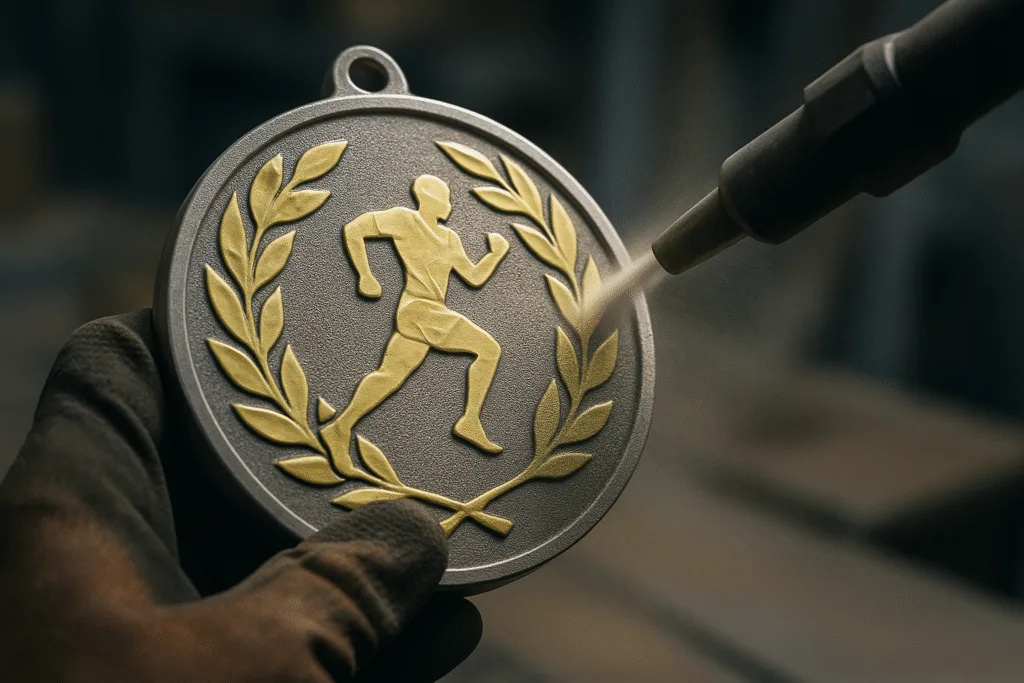
Sandblasting involves blasting fine grains—usually sand or aluminum oxide—at the surface of a metal medal under high pressure. This process gently abrades or roughens the surface, creating an even, matte texture. Skilled operators at manufacturers like Gairun use advanced sandblasting equipment with adjustable nozzles. They control pressure and grain size for precise results.
Sandblasting serves two main purposes: first, it dulls reflective surfaces to reduce glare and fingerprints; second, it creates a uniform background that contrasts beautifully with polished or plated raised areas. This makes details pop, even from a distance. The process also helps paint or enamel adhere better on colored medals.
Main Benefits of Sandblasting Metal Medals
- Visual contrast: The matte background makes polished or plated elements stand out sharply, drawing the eye to key design features.
- Fingerprints and scratch resistance: Textured surfaces show fewer smudges compared to mirror-polished finishes, keeping medals looking pristine.
- Consistent coloring: Paint and enamel fill stick well to blasted backgrounds, preventing flaking or uneven coverage.
- Durability: Textured backgrounds disguise small scratches accumulated over time.
Texture Techniques for 2D and 3D Medals
Metal medals can be produced in either 2D or 3D relief. The method for applying texture effects varies between these types, though many principles overlap. Let’s break down the main techniques for each medal style:
2D Textured Background Medals
In 2D medals, the design features two levels: raised elements (like logos, text, or frames) and the recessed background. Sandblasting is usually applied to the lower areas, leaving raised portions smooth or shiny. This high-contrast look forms a crisp edge around branding elements, making them easy to spot.
- Die casting and stamping are the standard production methods for 2D medals. Both create sharp relief for sandblasting separation.
- Precise masking: A thin film or custom jig shields raised parts during sandblasting to avoid accidental abrasion.
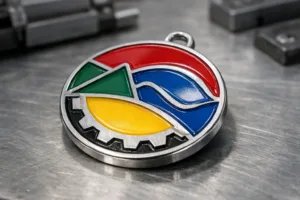
- Color fill: Enamel or epoxy dome is added after sandblasting, which ensures clean separation between textured backgrounds and smooth color areas. Pantone color matching provides brand consistency.
3D Relief Texture Effects
3D medals feature fully sculpted designs with curves, multi-level relief, and intricate modeling. Texture application gets more complex in 3D but delivers spectacular effects:
- Targeted sandblasting: Skilled technicians manually rotate medals to direct blasting only on desired shadowed or background areas, preserving sculpted highlights.
- Custom texture patterns: Advanced CNC engraving and acid etching can add stippling, mesh, or grained effects on select zones before final sandblast pass.
- Multi-step finishing: Sometimes, medals receive a base sandblast, polish on the highest relief, then chemical darkening (patina or antique plating) to add visual depth and drama.
Sandblasting Metal Medals: Core Steps and Options
Bringing sandblasting into the medal making process involves clear steps and important choices:
- Material selection: Most sandblasted medals use zinc alloy for die-casting, with brass, copper, or stainless steel for high-end pieces. Typical thickness: 2–5 mm for medals, up to 8 mm for heavy-duty coins.
- Surface prep: Medals must be cleaned to remove oils and residues. Tumbling and deburring smooth edges before any blasting.
- Masking and fixturing: Non-blasted areas are shielded with tape, rubber, or custom-cut covers.
- Sandblasting: The operator selects grain type and size (40–100 mesh common). Pressure (2–4 bar) and duration (3–15 seconds per piece) vary by hardness and design detail.
- Inspection and rework: Textured backgrounds are checked for evenness, with touch-ups if necessary.
- Plating/finishing: After blasting, medals can be plated (matte gold, antique silver, gunmetal, etc.), anodized, or clear coated.
- Color filling: Enamel or epoxy is added after final blasting and plating to maintain texture contrast and adhesion.
- QC checks: Final inspection uses magnifiers to ensure no blurring at raised edges, matching AQL or customer-set quality standards.
Texture Effects Versus Other Finishes
| Finish Type | Visual Effect | Durability | Fingerprint Marking | Best Application |
|---|---|---|---|---|
| Sandblasted Texture | Matte, even; strong contrast with glossy/polished | High | Minimal | Logo backgrounds, outer rings |
| Mirror Polish | Highly reflective; smooth | Mid (prone to scratches) | Visible | Raised text, emblems |
| Brushed/Matte Plating | Fine linear texture; less glare | High | Low | Edge rims, modern designs |
| Antique Plating | Dark recessed areas, vintage look | Very High | Very low | Heritage, military coins |
| Soft/Hard Enamel Fill | Glossy or flat color separation | High | Depends on fill flushness | Brand color backgrounds |
How Textured Background Medals Enhance Branding
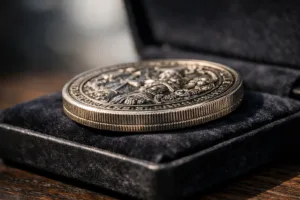
A well-designed background texture can shift medal presentation from ordinary to extraordinary. By using sandblasted areas behind raised details–such as logos, slogans, or symbols–you create immediate visual impact. The play of light over matte and shiny surfaces adds depth, making the focal elements jump out vividly. This matters in award ceremonies: recipients and onlookers notice sharp contrasts, which reinforce the quality and prestige of your event or brand.
Reducing Fingerprints and Marks
Nothing spoils a prized medal like obvious fingerprint streaks. Sandblasted and textured backgrounds solve this problem by scattering light and absorbing oils, so touch marks fade away. This is critical for medals handled at events or displayed in cases.
3D Relief Effect: Visual Power and Artistic Flexibility
The 3D relief effect refers to sculpted layers where the metal rises and falls, mimicking lifelike forms. Creative uses of sandblasting and texture within these surfaces result in realistic mountains, fur, waves, or geometric shadows. Bronze, zinc, and copper alloys work best, as they accept fine detail in casting and finishing. Using spin-casting or CNC-milling for complex shapes ensures accurate profiles for later texturing.
- Stippling and stone finishes evoke rugged or aged surfaces for military and commemorative coins.
- Custom-grain patterns can simulate fabric, wood, or stone, increasing the storytelling power of the piece.
Depth Perception and Light Play
Careful sandblasting on lower levels lets highlights pop dramatically. Opaque color fill in deep zones, with glossy raised lines, completes the effect. The interplay between polished and textured zones creates a medal that looks dynamic, not flat.
Material Choices for Sandblasting and Texture Effects
Not all metals respond equally well to sandblasting or textured effects. Here’s what you need to know:
- Zinc alloy: Most common for custom medals—great for die casting, excellent detail, cost-effective, and durable under sandblasting.
- Brass/copper: Allows for sharp relief and antique finishes but costs a bit more; ideal for commemorative medals and high-end badges.
- Stainless steel (304/316): Used for extreme durability and corrosion resistance, mainly in industrial or outdoor-use nameplates.
- Aluminum (6061/5052): Lightweight, best for anodizing and colored background medals; softer sandblasted texture.
Choosing Thickness and Hardness
Standard medal thickness ranges from 2 mm (racing medals) to 5 mm (military challenge coins). Thicker, harder materials hold sharper reliefs and textures—crucial for business customers seeking both style and staying power.
Practical Applications: Event, Brand, and Gift Medals
Sandblasting and textured backgrounds serve far more than awards. Companies use these effects for:
- Marathon finisher medals: Provides clean contrast, easy to photograph, shows less handling wear.
- Corporate/club challenge coins: Elegant for VIP gifts, especially when paired with antique or custom grain textures.
- Souvenir and collectible medals: Distinctive textures set you apart from mass-produced items.
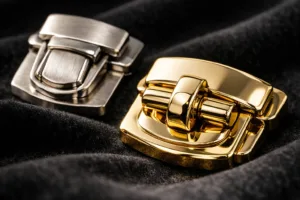
- Branded keychains, hardware, bag tags: Texture increases grip and hides scratches.
Gairun specializes in these applications, offering OEM and ODM medal solutions with tight process control for global brands.
Cost, Lead Time, and Quality Considerations
Adding sandblasted or custom textures doesn’t have to break your budget. Here’s what impacts price and timing:
- Process complexity: Intricate masking and multiple finishes add labor but pay off in brand perception.
- Materials: Zinc alloy and aluminum offer cost-effective textured finishes; brass and copper command a premium.
- Plating combos: Mixing sandblasted backgrounds and multi-color plating adds 1–2 days to typical 10–15 day runs.
- MOQ: Mass production (500+ pcs) sees the lowest per-unit overhead. Small test batches may attract a setup fee.
Manufacturers like Gairun conduct thorough inspections—thickness via XRF, adhesion by ASTM D3359, salt-spray (ASTM B117), and visual tolerance checks—to guarantee texture uniformity and compliance. Finished medals often undergo AQL sampling and must meet RoHS requirements for safety.
Sandblasting and Texture Effects for 2D and 3D Medals
Bringing it all together, sandblasting and textured backgrounds offer the most cost-effective way to add visual punch and value to 2D and 3D medals. By using targeted matte finishes and deep relief effects, medal makers give logos, slogans, and art pop that lasts for years. Cleverly crafted backgrounds resist marks and wear, helping your awards, coins, and souvenir pieces keep their shine from ceremony to display case. The versatility of sandblasting means you can choose subtle, modern, or bold patterns to match your brand personality.
Talk to medal specialists early in your design process to ensure the right texture approach for your requirements. Gairun offers full design feedback, samples, and expert production for high-performance and commemorative medal projects worldwide.
Assembly, Finishing, and Packaging Options
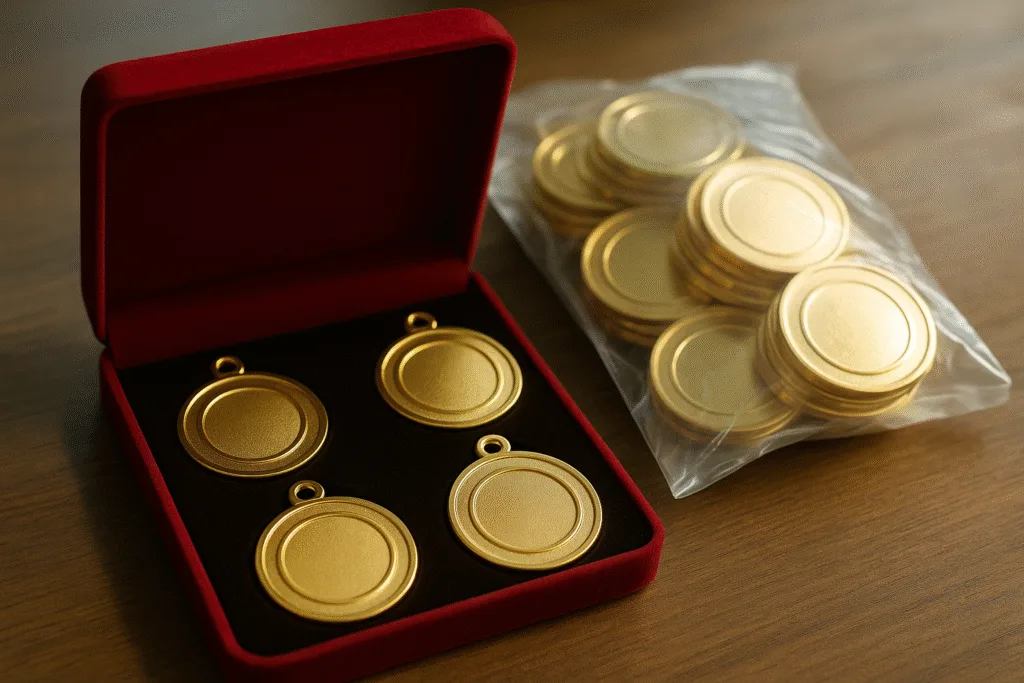
No medal is complete without proper assembly and presentation. Here’s how manufacturers elevate the final product:
- Assembly: Split rings, ribbons, or magnetic backings for wearable or display options.
- Mounting: Choose butterfly clutches or 3M VHB adhesive for badges, or screw posts for nameplates.
- Packaging: OPP bag for bulk, velvet box for awards, blister or backer card for retail or gifts.
Every step—deburring, surface prep, sandblasting, color, plating, and packing—is double-checked for workmanship. Reliable partners know that details shape the business reputation attached to the medal.
Frequently Asked Questions
What is the main benefit of sandblasting background on a medal?
Sandblasting creates a matte, non-glare surface in recessed areas, making logos or raised parts stand out sharply and resisting fingerprints for a cleaner look.
Can I get different textures on the same medal?
Yes, manufacturers use masking and multi-step processes to combine sandblasted, polished, and brushed finishes on various zones for added contrast.
Does sandblasting work with both zinc and brass medals?
Absolutely. Zinc alloy accepts sharp sandblast textures at a lower cost, while brass/copper provides premium detail for high-end awards or antique finishes.
Will textured backgrounds cost more than plain ones?
Texture effects add a small, affordable premium compared to plain finishes, and the visual upgrade usually justifies the slight increase in cost.
How do I reduce visible marks on frequently handled medals?
Choose sandblasted or patterned backgrounds, as these hide finger oils and scratches far better than mirror-polished or flat-plated medals.
What kind of packaging suits textured metal medals?
Textured medals pack safely in OPP bags for bulk, or luxury in velvet boxes for events and gifting. Custom cards or blister packs suit retail settings.