Introduction: Why Sharp Edges & Burrs on Zinc Alloy Parts Matter in QC
Zinc alloy parts are a staple in premium packaging accessories, fashion hardware, and bespoke metal crafts. However, sharp edges and burrs on zinc alloy parts can compromise both safety and aesthetics, especially for luxury packaging where flawless tactile experience is paramount. Quality control (QC) procedures are essential to catch these issues before products reach customers, protecting brand reputation and user satisfaction. This guide provides purchasers and quality inspectors with actionable advice on detecting burrs, verifying smoothness, and setting industry standards for chamfering and polishing in high-end packaging parts—all underpinned by first-hand manufacturing insights.
Understanding Burrs and Sharp Edges in Zinc Alloy Die Casting
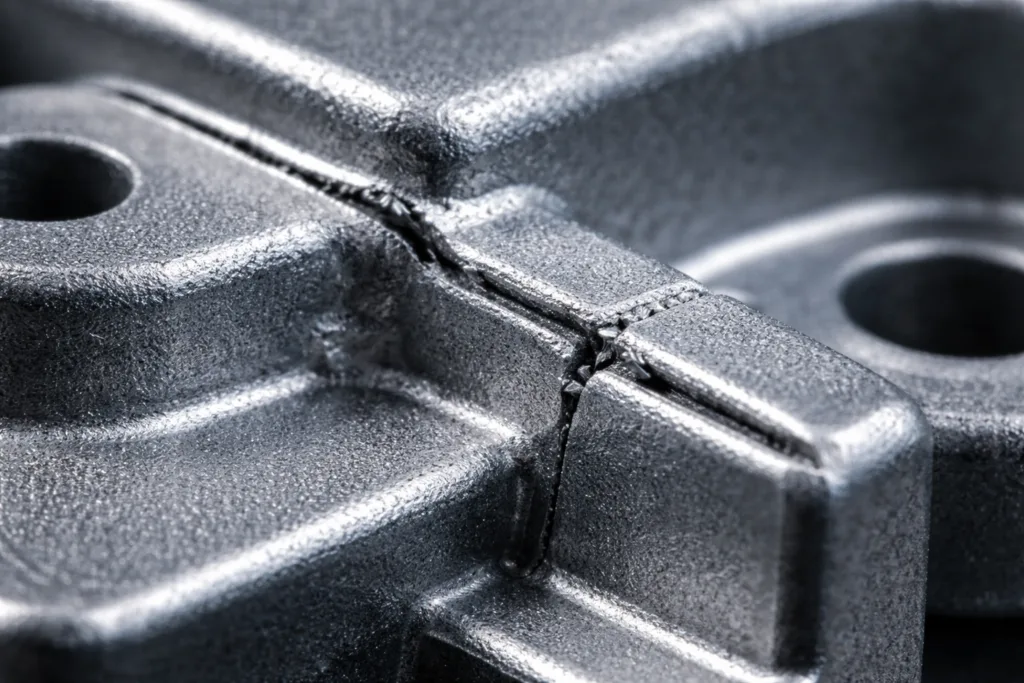
Burrs and sharp edges are unintended protrusions or rough spots formed during die casting or subsequent processing. Their prevalence depends on part complexity, mold precision, and post-casting deburring methods. For zinc alloy parts, common sources of burrs include mold seam misalignment, insufficient trimming, or worn molds.
What Causes Burrs in Zinc Alloy Die Casting?
Burrs typically emerge from excess zinc escaping mold seams, imperfect die closure, or insufficient mold maintenance. Factors such as improper ejection, low-quality trimming blades, or recycled alloy impurities further contribute to rough edges.
Types of Burrs Found in Zinc Alloy Parts
- Mold parting line burrs
- Ejector pin marks
- Gate remnants (runner/gate leftover)
- Internal flash (hidden in cavities or holes)
- Peripheral edge burrs on cut-outs or raised features
Identifying High-Risk Areas: Where Burrs and Sharp Edges Frequently Appear
Some locations are more prone to burr formation due to complex geometry or mold design challenges. Quality inspectors should focus on:
| High-Risk Area | Description |
|---|---|
| Parting Lines | Along the seam where mold halves meet; most common site for burrs. |
| Cut-Outs & Logo Features | Sharp inner edges and intricate designs attract burrs. |
| Attachment Points | Holes for screws, pins, or clasps often have internal burrs. |
| Raised Reliefs & Emblems | Difficult-to-trim surfaces near 3D artwork, especially on premium packaging and medals. |
| Openings & Perforations | Slots, holes, or vent features can hide burrs out of sight. |
Why High-End Packaging Parts Demand Flawless Edge Quality
Luxury zinc alloy caps, clasps, and logo emblems must deliver a smooth, safe hand-feel. Even minor burrs can damage skin, snag fabrics, or detract from perceived quality—raising the bar for QC inspections on packaging hardware such as zinc alloy decorative bottle caps or custom clasps manufacturer hardware.
How to Perform Quality Control for Sharp Edges & Burrs on Zinc Alloy Parts
A robust QC process blends visual inspection, tactile checks, and batch sampling. Here’s what every inspector should cover:
Visual Inspection: What to Look For
- Bright, shiny protrusions or irregular lines along seams
- Dull, powdery spots near holes or engravings
- Jagged inner edges where logo details were die cast
- Unusual surface roughness compared to design intent
Tactile Checks: Hand-Feel Assessment
Use a gloved fingertip or clean cotton cloth to gently run along critical edges, openings, and high-touch surfaces. Feel for any snag, sharpness or rough patches; note that luxury packaging parts often require a “silky” finish, easily detected by sensitive touch.
Sampling Ratios for Effective Batch Inspection
| Batch Size | Recommended Sample Ratio | QC Focus Points |
|---|---|---|
| ≤500 pcs | 20% | Edges, holes, logo reliefs |
| 501–5000 pcs | 5–10% | Random sampling, focus on parting lines |
| >5000 pcs | 2–5% | Systematic grid sampling; check all high-risk areas |
Spotlight on QC Tools: Improving Detection Accuracy
- 10x magnifying glass for seams and tiny holes
- Soft brush for debris removal
- Fine sandpaper or deburring stones for quick spot-correction
Sharp Edges & Burrs on Zinc Alloy Parts: What QC Should Catch
Quality control teams must identify and reject zinc alloy parts with:
- Any protruding metal beyond design geometry
- Burrs that compromise safety or aesthetics
- Sharp edges on high-touch surfaces (caps, clasps, logo features)
- Unpolished areas visible to end-users
- Rough spots on internal features if they affect assembly or fit
High-end packaging demands particularly strict standards. For example, mastering zinc alloy sample approval is critical for luxury brands to ensure all QC items are checked against design intent and hand-feel requirements.
Failure Examples: When Burrs Cause Real-World Problems
- Perfume bottle caps with sharp edges injure users when opening
- Medals with burrs snag on clothing or ribbons
- Logo emblems with rough spots detract from perceived value
- Clasps with incomplete deburring cause assembly failures
Industry Standards for Chamfering and Polishing in High-End Zinc Alloy Parts
To prevent burrs and improve hand-feel, leading manufacturers apply international standards for chamfering (edge rounding) and polishing. Common requirements include:
- Chamfering all external sharp edges to minimum R0.2mm
- Polished surfaces to mirror or semi-gloss standards before plating
- Hand or machine deburring after die casting and before plating
Luxury brands often request a “jewelry-grade” finish. Gairun, for instance, implements multi-stage hand polishing followed by rack plating on select high-end zinc alloy caps, ensuring each edge is silky-smooth and defect-free before final assembly.
Key Chamfering & Deburring Methods for Zinc Alloy Parts
| Method | Benefits | When to Use |
|---|---|---|
| Manual Deburring | Highly precise, best for complex or small batches | Bespoke crafts, luxury packaging |
| Vibratory Tumbling | Bulk processing, effective for general smoothing | Fashion hardware, mid-tier medals |
| CNC Edge Chamfering | Consistent R-curve finish, ideal for logo details | Emblem, branding hardware |
| Hand Polishing | Superior mirror finish, tactile perfection | Prestige bottle caps, luxury clasps |
QC Inspection Techniques: Combining Visual, Tactile, and Tool-Based Methods
Quality control should mix the following for thorough results:
- Light box visual checks for surface consistency
- Tactile edge tracing (bare or gloved)
- 10x lens for tight features
- Random and targeted sampling (see prior table)
Setting Acceptance Criteria for High-End Packaging Projects
Luxury packaging buyers should specify in their purchase contracts:
- No sharpness detectable by clean cloth tracing
- No visible burrs or flash on edges
- Minimum chamfer radius (e.g., R0.2mm)
- Polishing grade (mirror, semi-gloss, brushed, etc.)
- Plating post-deburring only (rack or barrel as required)
Refer to expert plating guides such as the ultimate guide: PVD vs Electroplating for Zinc Alloy Packaging Parts to maximize effect and minimize defects.

The Impact of Material Purity and Mold Precision on Burr Formation
Zinc alloy burrs are more likely when recycled material is used or molds are poorly maintained. Virgin Zamac alloys with strict purity control yield cleaner castings and smoother edges, while precision CNC molds reduce flashing and facilitate easier trimming.
Gairun’s approach includes use of high-grade Zamac 3, regular mold maintenance, and advanced engraving to ensure all logo details are sharp but safe to touch. This commitment prevents surface issues and maximizes brand quality.
Special Considerations for Logo & Artwork Details
Logo parts and intricate design elements often need post-casting touch-ups, such as micro-chamfering or localized polishing, to maintain edge safety and prevent burrs around fine reliefs. Reference the expert rules for flawless zinc alloy logos & emblems for advanced tips.
Batch Acceptance Guidelines: How to Reject or Approve Zinc Alloy Parts
Procurement and QC teams should:
- Use the hand-feel test on all critical surfaces
- Visually inspect seams, holes, and artwork
- Apply sampling ratios from the earlier table
- Reject any batch where burrs exceed agreed standards
- Document the defect location and type for supplier feedback
Sample Approval for Luxury Packaging Parts
Always request pre-production samples. Approve only those parts meeting edge and hand-feel standards—especially vital for premium caps, clasps, or medal designs destined for high-end markets. The zinc alloy sample approval guide offers an in-depth procurement checklist.
Optimizing Design for Burr-Free Zinc Alloy Die Casting
Smart 3D design minimizes burr risk. Avoid sharp internal recesses, keep parting lines away from high-touch zones, and specify chamfers or rounding on all features. Collaborate with engineering teams to refine mold splits and trimming paths, thus improving manufacturability and QC yield.
Design Feasibility: The Role of Collaborative QC
Designers and engineers together can update artwork and logo layouts to reduce burr formation, thus bridging creative vision and manufacturing practicality. Helping your supplier understand intended hand-feel and appearance ensures a more reliable, burr-free result.
Common Mistakes in Burr Detection for Zinc Alloy Parts

- Neglecting internal holes and slots
- Relying solely on visual inspection
- Ignoring logo details and cut-outs
- Skipping tactile test for batch corners
- Failing to specify polishing standards in contracts
How Procurement Can Raise the QC Bar
Buyers should clearly communicate expectations, require edge finishing documentation, and work with suppliers who offer full traceability of deburring and polishing operations.
Concluding Insights: Burr-Free Zinc Alloy Parts Secure Brand Value
Sharp edges & burrs on zinc alloy parts are more than a manufacturing annoyance—they impact user safety and brand reputation. Robust QC methods, clear acceptance criteria, and premium finishing standards will ensure every part meets luxury packaging requirements. By blending visual and tactile inspection, enforcing chamfer and polish minimums, and choosing reputable suppliers, both procurement and quality control can reliably catch defects before they reach the customer. Continual collaboration between designer, engineer, and supplier further elevates product safety and tactile excellence.
Frequently Asked Questions
What causes burrs on zinc alloy parts?
Burrs often occur due to excess zinc alloy leaking from mold seams, worn trimming blades, or poor mold maintenance, especially in die casting processes.
How can I spot sharp edges during inspection?
Look for irregular shiny protrusions, run your fingers along edges, and check hidden features such as holes and cut-outs for rough spots or snag risks.
What is the minimum sample ratio for QC?
For batch sizes under 500 pieces, inspect at least 20%. For larger batches, sample 5–10% to systematically catch sharp edges and burrs.
How does polishing help reduce burrs?
Polishing physically removes surface burrs and sharpness, making edges smoother and enhancing tactile quality—especially important for luxury items.
What standards should luxury packaging buyers demand?
Require minimum chamfer radius (e.g., R0.2mm), mirror or semi-gloss polishing, and hand-feel tests to ensure parts are safe and elegant to touch.
Can recycled zinc alloy increase burr risk?
Yes, recycled alloys often lack purity and may result in rougher castings with more burrs, so specify virgin Zamac material for premium applications.
Related Reading
- Your Ultimate Zinc Alloy Sample Approval Checklist for Luxury Brands
- Procurement Secrets: PVD vs Electroplating for Premium Zinc Alloy Packaging
- 9 Expert Rules for Flawless Zinc Alloy Logos
- 17 Essential Causes and Solutions for Zinc Alloy Plating Defects
- Comparing Die Struck vs Die Cast for Metal Parts: 9 Key Insights
- Safeguard Zinc Alloy Plating Color: Your Batch Mismatch Prevention Blueprint