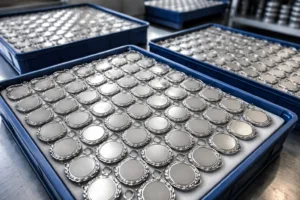
Introduction: Why Slider and Spinner Pins Dominate the Trading World
In the ever-evolving landscape of collectible pins, slider and spinner pins have emerged as genuine game-changers. Not only do they add an interactive twist to trading pins, but they also capture the imagination of collectors of all ages. These innovative features have transformed standard collectibles into pieces that command higher trade value, drive demand at trading events, and turn simple designs into sought-after must-haves. In this comprehensive guide, we’ll explore how slider and spinner pins are increasing trade value, the mechanics that set them apart, and actionable tips for collectors and traders looking to elevate their game.
The Mechanics of Slider and Spinner Pins
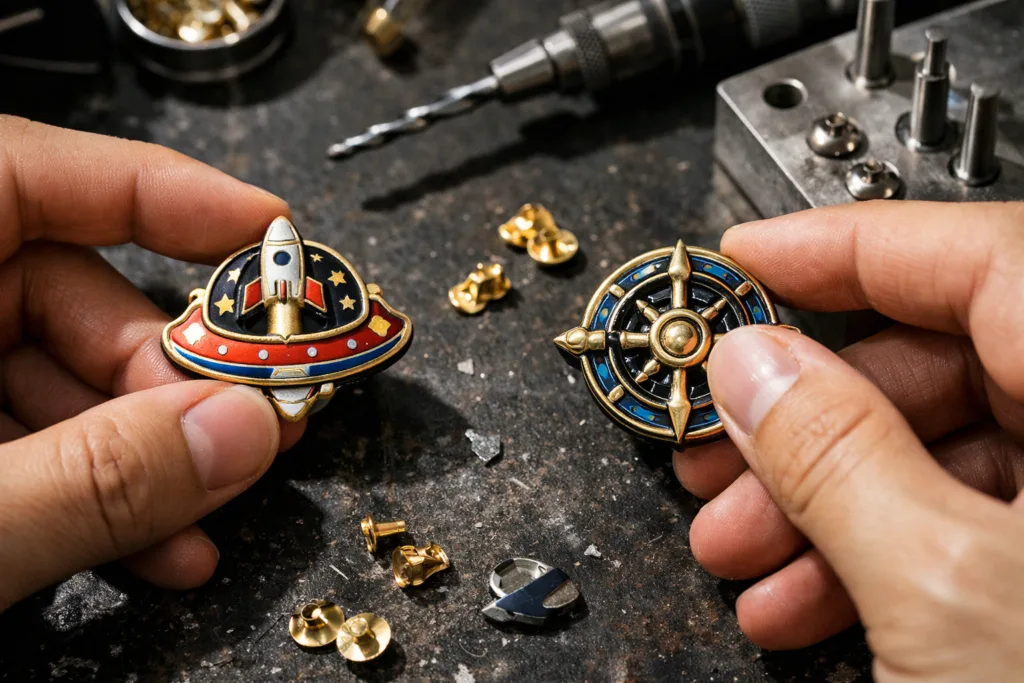
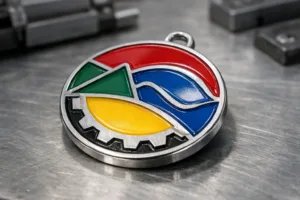
At the core of their appeal, both slider and spinner pins enhance tactile interaction and visual excitement. A slider pin features a moving part that glides along a track—a baseball sliding into home, for instance. Spinner pins, on the other hand, have a pivot mechanism that allows a section to rotate freely, revealing new designs or messages. The engineering behind these elements requires precision manufacturing, where even small misalignments can affect movement or durability. As a result, well-made slider and spinner pins exhibit reliability and a satisfying feel, increasing their desirability among collectors.
How Interactive Features Raise Collectible Value
Interactivity instantly boosts a pin’s perceived value. Traditional pins are static, but slider and spinner pins reward engagement—users can slide, twist, and interact. This novelty not only makes them more memorable but also creates scarcity, since their production is more involved. Trading communities often assign bonus points to pins with moving parts, and collectors are willing to trade multiple standard pins for a highly interactive one. Pins with functional sliders or spinners become “centerpieces” of a collection, encouraging more trades and higher offers.
Collector Psychology: Why Movement Matters
Interactivity activates curiosity and excitement. When traders spot a spinner or slider pin, they’re drawn to test its movement—often sparking conversation and instant interest. This tactile attribute helps establish emotional connections, making these pins great conversation starters. According to expert traders, a pin’s story combined with its interactive element can double or triple its barter value during high-energy events such as the Cooperstown tournament. For more inspiration on how trading pins can create lasting memories, you might explore how baseball trading pins create unforgettable Cooperstown tournament experiences.
Market Demand and Current Trends in Trading Pins
The demand for slider and spinner pins shows no signs of slowing. At major conventions and tournaments, these pins are the first to be snapped up. Social media reveals trends in pin trading, with rare sliders and spinners often commanding attention—and higher resale prices. Limited editions featuring complex mechanics are especially popular in the Disney, sports, and pop culture pin communities. Collectors report that pins with motion features retain their value better and have a stronger secondary market.
Engineering the Perfect Slider or Spinner
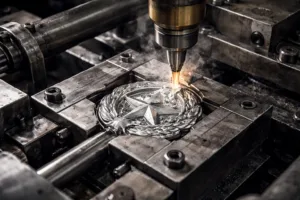
Designing a flawless interactive pin is a blend of creativity, scientific know-how, and materials expertise. For sliders, the tolerance between the track and moving piece must be tight enough to prevent jamming, but loose enough for easy motion. Spinners require precise axis placement and sturdy rivets to hold up to repeated use. Expert manufacturers, like Gairun, rely on fine CNC engraving and high-grade materials such as virgin Zamac alloy to reduce wear and guarantee a smooth experience. This process, akin to jewelry-making, ensures that every pin is not only collectible but durable for countless trades and spins.
Materials Matter: Why Quality Makes the Difference
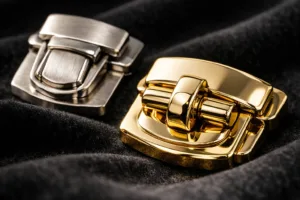
The type of material used in slider and spinner pins defines both feel and function. Pins made from high-grade brass or lead-free Zamac provide a solid, weighty feel and allow for finer details and more precise movement. Lower-quality materials tend to tarnish, jam, or break, dropping the pin’s trade value. When commissioning pins for events or retail, insist on premium metals and expert finishing—such as hand-polishing before plating—to achieve not just aesthetic excellence, but mechanical precision. For those interested in understanding premium finishes, check out 7 Reasons High-Polish Finishes Instantly Elevate Luxury Awards.
Design Considerations: Balancing Art and Function
It’s one thing to dream up a creative pin; it’s another to ensure it functions smoothly. Designers must carefully balance artistic flair with engineering realities. For sliders, tracks must follow natural lines of the pin art, while spinners should align symmetrically so that visuals remain readable and balanced during movement. Subtle tweaks in 3D files—like thickened rivet zones or recessed tracks—help avoid casting defects or unsightly protrusions. Working with an experienced manufacturer early in the design phase prevents frustrating (and costly) production surprises.
Case Study: Slider Pins Transforming Tournament Trades
Consider the story of a youth baseball team at a national tournament: Instead of standard enamel pins, they introduced a series with a sliding ball element. The novelty swept the trading floor, triggering a “pin rush.” Kids and adults lined up to swap, with several reporting they could trade one slider pin for two or three standard designs. The outcome? The team’s pins became legendary souvenirs, and their popularity carried over into online resale, boosting their value even after the event concluded.
The Rise of Spinners in Theme Park Trading
Theme park pin trading has seen spinners soar in popularity. For example, Disney’s limited-edition spinner pins often feature beloved characters or attractions revealed by spinning a decorative cover. These pins create excitement at every reveal, quickly becoming the centerpiece for traders. Because of their moving parts and storytelling potential, collectors are willing to pay a premium, and such pins often appreciate over time—especially if tied to a special event or milestone year.
Customization: Adding Personality and Scarcity
No two slider or spinner pins have to be alike. Teams, clubs, and brands can embed logos, numbers, or hidden messages into the movement, enhancing collectibility. Serial numbering or limited runs further intensify their rarity. For example, sports teams might opt for motion elements shaped like mascots or trophies, while fan communities often commission spinning pins that display alternate artwork on either side. This degree of customization creates natural demand spikes, especially for pins with lower production numbers. Looking for more ways to stand out? Explore how adding blinkers and lights to trading pins increases magnetic appeal and desirability.
Production Challenges and Solutions
Creating reliable moving pins is not without hurdles. Common issues include loose rivets, jamming tracks, or surface scratches from repeated use. To address this, premium manufacturers conduct rigorous quality control, including functional testing and visual inspections. For example, Gairun’s QC protocol rejects any pin that has even a slight hitch in the motion or shows cosmetic flaws, ensuring that only smooth-spinning, perfectly finished pieces reach collectors. These standards help solidify the long-term value of each pin in circulation.
Role of Packaging in Value Enhancement
The way a pin is presented can also affect its trade value. Custom backing cards, velvet boxes, and protective pouches not only shield moving parts but amplify the sense of luxury and rarity. Limited edition packaging, complete with holographic certification or serial number embossing, adds further cachet. For pins destined for high-profile swaps or premium retail, investing in standout packaging is a strategic move that drives home the value proposition. To present your pins at their best for collectors, see our guide on brilliantly displaying and packaging enamel pins.
Marketplaces: Where Value Meets Visibility
Platforms such as eBay or specialized trading groups on Facebook and Discord host vibrant pin trading communities. Here, interactive pins frequently appear as “hot items” and listings with in-motion videos often fetch higher bids. Detailed photos showing both the mechanism and condition of the moving parts help boost buyer confidence and bid prices. Sellers often mention past trades as reference to establish fair value, and well-packaged pins sometimes command an additional premium.
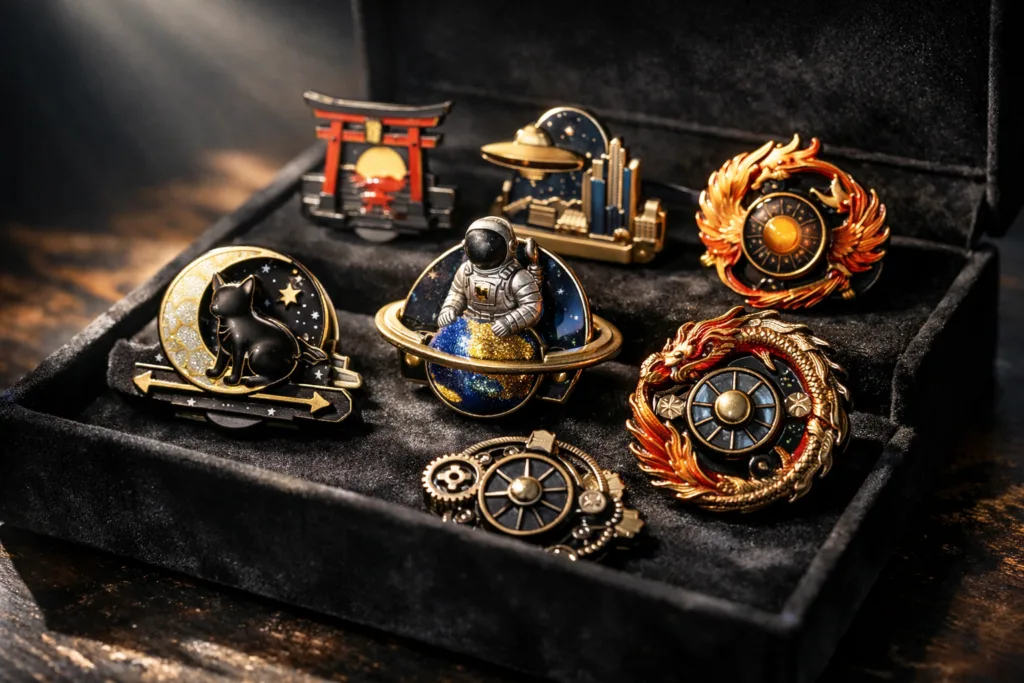
Trade-Offs: Pros and Cons of Sliders and Spinners
| Feature | Slider Pins | Spinner Pins |
|---|---|---|
| Interactivity | Linear motion; playful | Rotational; more dynamic |
| Design Complexity | Requires accurate track | Requires precise pivot |
| Durability | Prone to jam if poorly made | Rivets can loosen over time |
| Customization | Unique movement shapes | Revealing alternate designs/messages |
| Perceived Value | Highly collectible | Often more showy and rare |
Value Enhancement Through Scarcity and Storytelling
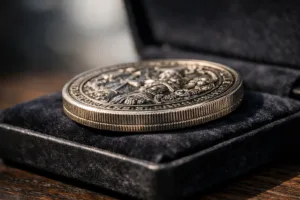
Beyond mechanical novelty, story-rich slider and spinner pins significantly outshine their static counterparts when it comes to trade value. If a pin represents a “first-ever” for a team or marks a special anniversary with an interactive twist, it’s instantly elevated in the eyes of collectors. Adding unique serial numbers, hidden artwork, or creative themes each season drives scarcity—and thus, demand. This is the same psychology that drives up rare coin and challenge coin values. For collectors and event organizers, integrating narrative details into pin design is a proven strategy for lasting appeal.
How to Spot High-Value Slider and Spinner Pins
- Check for smooth, reliable movement (no sticking or grinding)
- Inspect material quality—true Zamac or brass feels notably solid
- Look for detailed enamel work and flawless plating
- Seek out unique numbers, limited run markings, or artist signatures
- Original packaging or certificates further boost value
Trading Strategies: Maximizing Return on Interactive Pins
For traders seeking to maximize value from sliders and spinners, timing and venue matter. Debuting a unique pin at a popular event can set off a “must-have” response, resulting in multiple offers or multi-pin trades. Online communities where pin video demos are encouraged tend to yield better returns. It’s also wise to hold onto limited editions until hype cools—secondary markets often reward patience as supply dwindles. If you’re curious about pin packaging’s impact on collector perception, see why velvet boxes consistently win over PVC pouches.
Increasing Trade Value: What Collectors Look For
Serious collectors weigh a few core factors when assessing slider and spinner pins for trade or purchase:
- Originality: Is the movement new or rare compared to other pins?
- Condition: No dents, scratches, or functional flaws
- Edition Size: Fewer produced, higher demand
- Packaging: Special boxes or cards add as much as 15% value
- Documentation: Certificates, artist notes, or provenance enhance credibility
Slider and Spinner Pins: Increasing Trade Value
No feature has done more to elevate the status—and value—of trading pins than interactivity. Slider and spinner pins hold attention, create trading excitement, and drive up offers whether you’re at a stadium swap or online market. By investing in premium materials, precision engineering, and narrative-driven design, organizers and collectors can ensure these special editions remain prized pieces in collections for years to come.
The Role of Limited Editions and Serial Numbers
Exclusivity is at the heart of pin collecting. By limiting production of a slider or spinner pin and individually numbering each piece, brands and teams can create instant demand. Serial numbers not only prove authenticity but also foster a personal connection—especially for those lucky enough to score number 1 of a set. Collectors are often willing to trade aggressively for low serial numbers or unique finishes. Get in-depth with serial numbering’s impact on value in our expert take on serial numbering for collectibility.
Future Outlook: Where Is Interactive Pin Collecting Headed?
As the pin market matures, expect more experimentation with kinetic mechanisms—multi-directional sliders, double-decker spinners, and hybrid designs that combine movement, lights, or even sound chips. Advances in molding and finishing technology are making these ambitious ideas more feasible. For high-end pieces, sophisticated manufacturing—such as mirror-grade polishing and precision-cast tracks—will ensure that interactivity is matched by reliability and longevity.
Eco-Conscious Choices in High-Value Pins
With sustainability gaining traction, some manufacturers are exploring eco-friendly alloys, recycled metals, and greener finishing methods for slider and spinner pins. Brands that invest in both interactivity and responsible materials can attract a new segment of conscientious collectors, adding another value dimension that goes beyond physical novelty.
Collector Stories: Memorable Trades and Lessons Learned
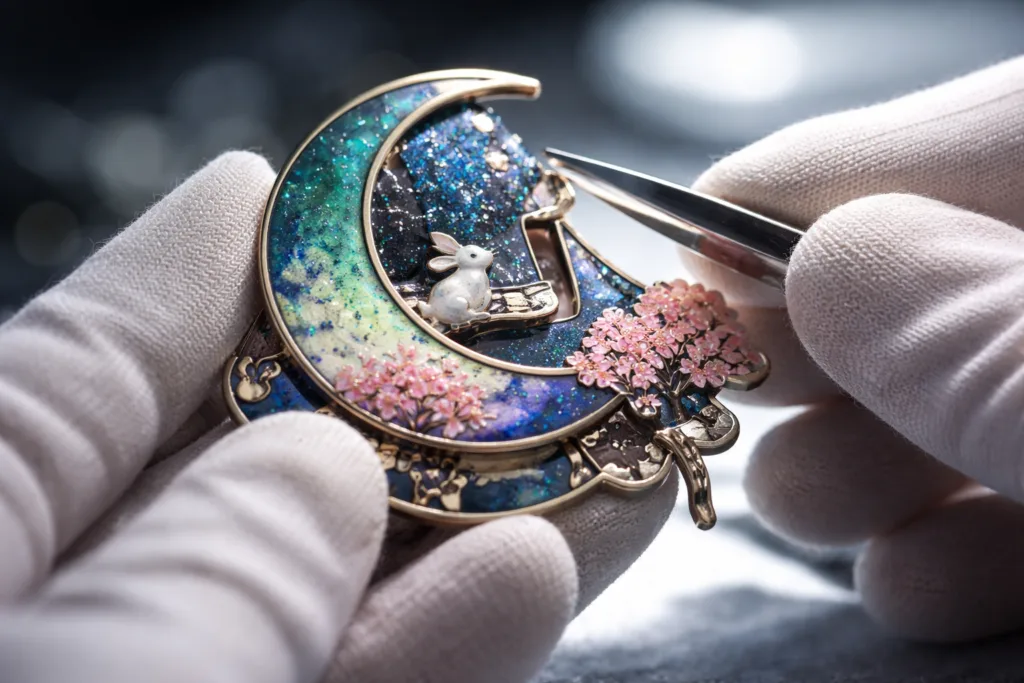
Veteran collectors love to recount their most memorable trades. Time and again, it’s the unique interactive pins—the ones with smooth action and a creative story—that resurface as highlights. These are the pins that get passed down, showcased at meetups, and traded for exceptional pieces. Whether you’re a new enthusiast or a seasoned trader, investing in quality and storytelling creates experiences (and collections) you’ll be proud to share.
Conclusion: Elevating Your Trading Strategy with Sliders and Spinners
Slider and spinner pins have shifted the landscape of pin trading and collecting. By understanding what makes these pins special—from craftsmanship and materials to psychological appeal—you’ll be prepared to spot, trade, or even commission pieces that stand the test of time. As interactive designs become the new standard of excellence, focusing on quality, originality, and narrative will position your collection (or your team’s pins) at the top tier of the market.
Frequently Asked Questions
What makes slider and spinner pins more valuable than regular pins?
Their interactive elements add tactile and visual appeal, making them rarer and highly sought after by collectors, which boosts their trade value.
How do I maintain the movement in my slider or spinner pins?
Store them properly, avoid moisture, and gently clean with a soft cloth to ensure smooth operation and prevent damage or tarnishing.
Are slider and spinner pins suitable for younger collectors?
Yes, but kids should treat them carefully since interactive parts may be more prone to wear or damage compared to static pins.
Do packaging and certificates increase pin trade value?
Absolutely. Original boxes, cards, and certificates can add credibility and desirability, often raising a pin’s value among serious traders.
How can I spot a high-quality interactive pin?
Look for smooth movement, solid materials like brass or Zamac, crisp finishing, and precise engineering, plus any documentation or serial numbering.
Can I customize slider or spinner pins for my team or event?
Yes, manufacturers can work with you to design unique shapes, add team logos, colors, or limited-edition features tailored to your needs.
Related Reading
- Unlock Rarity: Serial Numbering and Its Power in Collectible Pins
- Shine On: Elevate Your Collectibles with High-Polish Finishes
- Display Brilliance: Packaging Ideas that Maximize Pin Appeal
- Go Beyond Ordinary: Adding Lights and Effects to Stand Out
- Transform Tournament Memories: How Baseball Trading Pins Spark Connections
- Luxury Revealed: Why Velvet Boxes Trump PVC for Collectible Pins