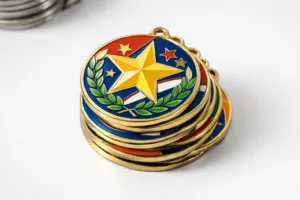
Introduction: Understanding Soft Enamel Medal vs Other Medal Finishes
Choosing the right finish for custom medals isn’t just about looks—it’s about experience, value, and lasting impact. Soft enamel medals, along with no-color, imitation hard enamel, and printed finishes, each bring distinct qualities. Whether you’re designing awards for schools, marathons, corporate recognition, or charity events, this guide unpacks their visual effects, touch, color performance, cost, and best-use cases. We’ll also share practical advice, candid comparisons, and industry-backed tips for making the perfect choice.
What Is a Soft Enamel Medal?
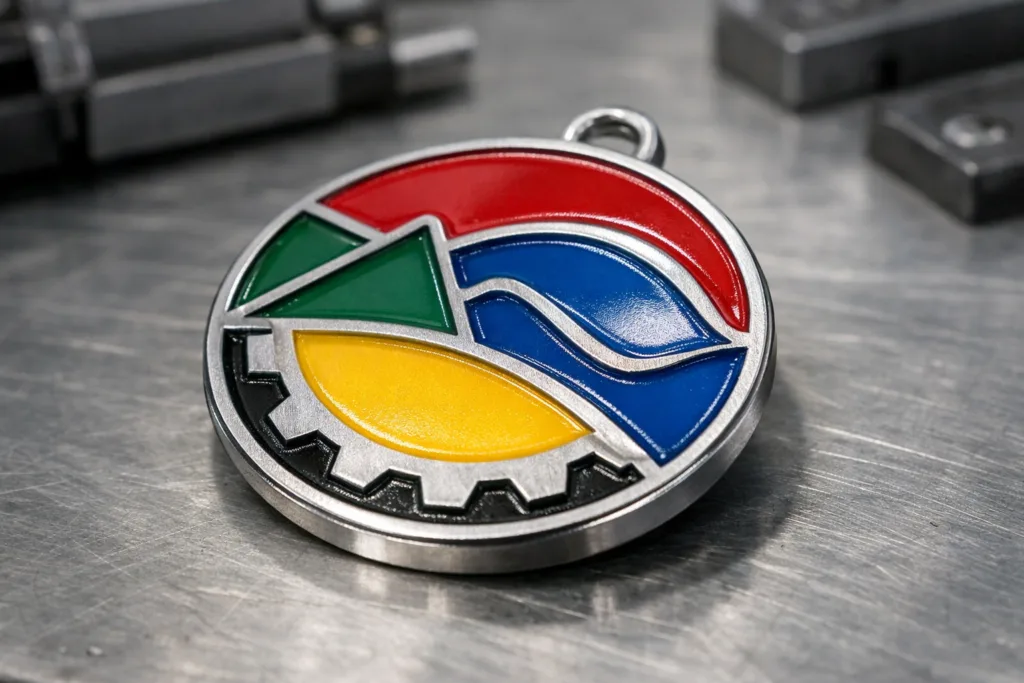
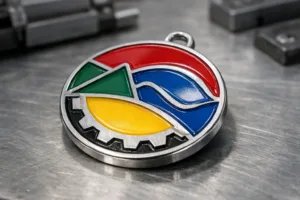
Soft enamel medals feature recessed, colored areas that create a tactile, textured effect. The metal ridges stay raised above the colorful enamel—a look prized by collectors and event organizers alike. Color is hand-filled, then cured, leaving the surface uneven, so you can feel each detail as you run your fingers across the medal. These are not just visually striking but also affordable and customizable, making them a staple for a wide variety of events.
Visual Impact: Texture and Depth in Soft Enamel Medals
The secret sauce of the soft enamel medal is its textural beauty. Visual depth comes from raised metal borders and recessed colored zones. Light dances off the ridges, giving the medal a dynamic, almost 3D effect. This vibrant interplay makes logos and lettering pop—even the smallest details are easy to spot from a distance. Compare this to flat, printed or die struck medals, where surface is uniform and lacks visual layering.
Tactile Experience: Running Your Fingers Across an Award
Unlike smooth finishes, soft enamel medals are designed to be felt. The touchable relief delivers both aesthetic value and engagement—giving recipients a sense of quality and craftsmanship. These medals instantly become collectibles or keepsakes.
Color Performance: Vibrancy and Range
The hand-filled process used in soft enamel medals allows for bold and accurate color matching. Pantone shades, gradients, and multi-color designs are possible. Because colors are applied into recessed cells, they resist scratching and fading, especially when paired with quality plating. Unlike printed medals, which risk ink wear, soft enamel medals retain brilliance long term. For creative brands, this means your logo stays sharp from the first photo to the last ceremony.
Imitation Hard Enamel vs. Soft Enamel: Color and Shine
Imitation hard enamel medals use a similar color fill but are polished flush for a glass-like finish. Soft enamel, by contrast, has raised edges. Hard enamel’s colors look silkier—almost jewelry-grade—while soft enamel reads brighter and more lively. The choice depends on the vibe you want: energetic and approachable for soft enamel, sophisticated and luxe for hard enamel.
Cost Breakdown: Soft Enamel vs Other Medal Finishes
| Finish Type | Look & Touch | Color Options | Average Cost | Typical Use |
|---|---|---|---|---|
| Soft Enamel | Textured, raised metal | Wide range, bright | Low-Mid | Sports, schools, charity |
| No-Color (Die Struck) | Metallic, flat/smooth | None | Low | Classic honors, antique styles |
| Imitation Hard Enamel | Smooth, jewelry-like | Wide range, silky | Mid-High | Premium recognition, luxury events |
| Printed | Flat, any image | Photo-realistic | Low-Mid | One-time events, detailed art |
Budget Planning: How Finish Impacts Your Spend
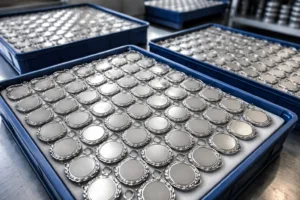
Soft enamel medals offer a sweet spot: affordable yet impressive. You get vivid color and custom shapes without pushing costs up. No-color medals tend to be the lowest-cost option but lack creative flair. Hard enamel requires more labor and polish, raising price but adding luxury. Printed medals are usually economical—especially for full-color art—but lack tactile depth. For large-scale events, consider bulk medal procurement strategies to balance quantity and finish quality.
Durability and Longevity: Which Medal Finish Lasts?
Soft enamel medals resist wear—especially if quality plating is used. Raised metal edges protect color areas from scratches. By comparison, printed medals may fade or scrape faster in heavy use, while hard enamel medals deliver the greatest durability thanks to their smooth, polished surface. Die struck medals, with no color, never lose visual impact but can pick up fingerprints or tarnish unless properly plated.
Testing Standards in Medal Manufacturing
Brands seeking extra longevity should check if their medals pass salt spray or abrasion tests. At Gairun, for instance, luxury medals are subjected to rigorous plating and color approval checks, ensuring finishes withstand daily handling and challenging environments—all backed by strict sample approval processes.
Production Methods Explained: How Each Finish Is Made
Soft Enamel Medal Manufacturing Steps
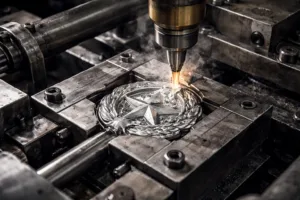
- Mold engraving: High-definition design ensures crisp relief.
- Die casting/stamping: Choose material—zinc alloy or brass—for best detail.
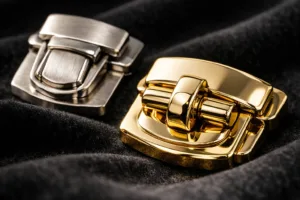
- Plating: Metal electroplating in gold, silver, antique finish.
- Enamel filling: Colors hand-filled into recessed cells.
- Curing: Heat or air dry for durability.
Other Finish Methods
- Die Struck: No color, only metal surface treatment.
- Imitation Hard Enamel: Repeated filling, curing, and polishing for a flush finish.
- Printed Medal: Ink or offset printing onto flat metal blank, sealed with epoxy for protection.
For a deep dive on manufacturing, see the comparison of die striking vs die casting.
Comparing Soft Enamel Medals to No-Color (Die Struck) Medals
No-color medals (die struck) deliver timeless appeal: pure metal finishes, subtle engraving, and classic beauty. Often used for military honors or historical celebrations, they’re less about eye-catching color and more about weight and tradition. Soft enamel medals, on the other hand, infuse energy into modern events. Their textured appearance invites touch, while vibrant colors engage the recipient—even kids or youth groups find them fun and collectible.
Imitation Hard Enamel Medals: When to Choose Luxury
If your occasion demands a superior look—think executive recognition, alumni gifts, or commemorative awards—imitation hard enamel might be your finish. The surface is polished flat, achieving a mirror-like gloss. The color appears softer and deep, recalling high-end jewelry or coins. This technique requires extra labor, but the end result is breathtaking. For examples of premium 3D effects, see die cast medal advantages.
Printed Medals: Custom Artwork Without Limits
Printed medal finishes deliver photo-level detail. Full-color images, gradients, and tiny text are possible. If your event uses artwork, team photos, or intricate designs, printed medals can replicate these perfectly. However, printed medals lack the tactile raised effect and are less durable against scratching; they’re best for short-run events or indoor collections.
Finish Selection Table: Choosing by Event & Budget
| Event Type | Soft Enamel | No-Color | Hard Enamel | Printed |
|---|---|---|---|---|
| School Graduation | ✓ | ✓ | ✓ | |
| Sports Tournament | ✓ | ✓ | ||
| Luxury Recognition | ✓ | |||
| Marathon/Running | ✓ | ✓ | ✓ | |
| Collectible Souvenir | ✓ | ✓ | ✓ | ✓ |
Soft Enamel Medal vs Other Medal Finishes: Key Considerations
Before you make your final choice, weigh these factors:
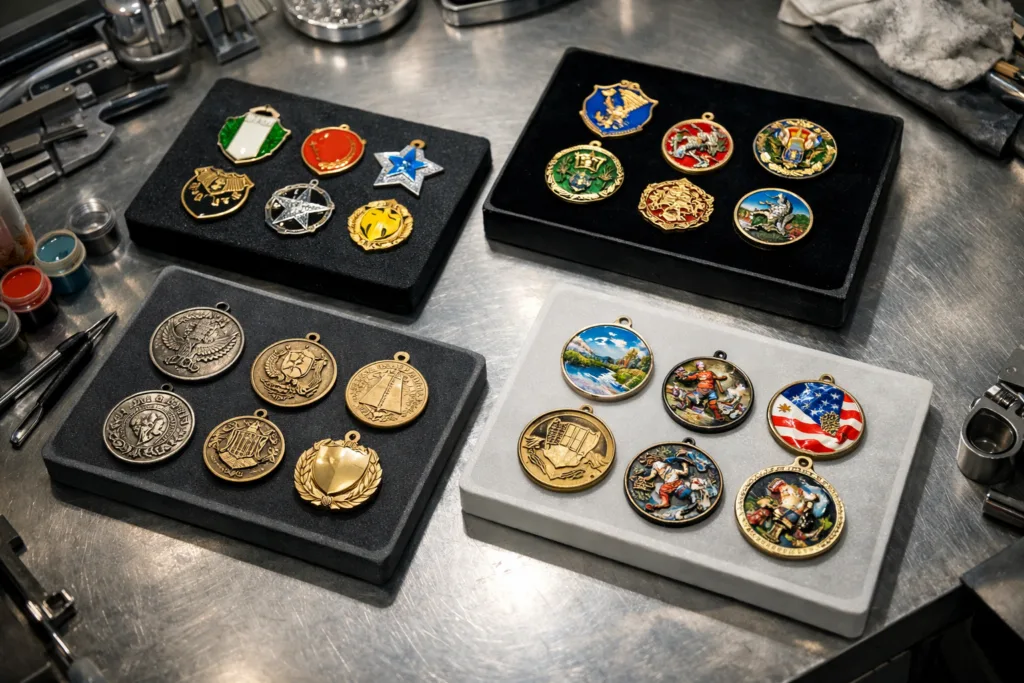
- Visual impact: Soft enamel provides lively color and depth, no-color shines in classic simplicity, hard enamel gives jewelry-quality gloss, printed medals deliver limitless art.
- Tactile feel: Soft enamel is touchable and engaging; hard enamel is smooth; die struck is metallic; printed is flat.
- Durability: Hard enamel is best for resistance, soft enamel is solid for frequent handling, printed medals need care, die struck is long-lived but may tarnish.
- Budget and quantity: Soft enamel fits large events with moderate spend; hard enamel is for premium gifts; printed is for unique designs; die struck is classic and affordable.
- Design complexity: Soft enamel handles multicolor and custom shapes well; printed can reproduce photos; die struck is best for simple logos.
Best-Use Scenarios for Soft Enamel Medals
- School achievement awards
- Sports events (marathons, tournaments)
- Charity and fundraising campaigns
- Corporate employee recognition
- Commemorative tokens
Soft enamel medals are particularly favored where bright colors and tactile detail boost perceived value. For graduation ceremonies, see why custom graduation medals for schools are a game-changer.
Design Feasibility: Making Your Medal Concepts Real
Soft enamel medals can accommodate complex shapes, layered logos, and multi-color fills. Subtle design changes—like adjusting relief height—help prevent casting flaws or color bleeding. Manufacturers with advanced mold tech can recreate sharp details, even for small or intricate artwork. For those considering large event medals, using a partner like Gairun’s engineering team ensures your concept translates perfectly from digital to physical.
Premium Manufacturing: Why Quality Standards Matter
Material purity and precision mold engraving are critical for delivering flawless soft enamel medals. High-quality zinc alloy or brass yields crisper details and smoother surfaces for filling. Stringent QC checks—rejecting parts for surface defects, uneven color, or plating issues—ensure results that match handshake-to-award ceremony expectations. Gairun is known for prioritizing these standards, especially when luxury feel and brand integrity are non-negotiable.
Eco-Friendly and Safety Commitment
Modern medal producers are adopting lead-free, nickel-free alloys for safety and environmental compliance. This matters in settings like schools, youth sports, and international events. Choosing the right finish also means opting for globally recognized plating and color fills, minimizing the risk for recipients.
Customization Options: Making Medals Truly Unique
Soft enamel medals support custom shapes, edge designs, multi-level reliefs, and personalized text. With options like glitter, danglers, or additional engraving, your medals stand out and delight. Some manufacturers even offer batch serial number marking or custom ribbons to match your event’s colors.
Trends in Medal Finishing: What’s Popular Today?
Current trends include two-tone plating, subtle matte finishes, sandblasted textures, and multi-color enamel effects. Medals are moving beyond simple shapes—adding 3D, layered designs and unique accoutrements. Touch and color still matter most, making soft enamel a crowd favorite, especially in competitive sports and charity campaigns.
Practical Tips: Ordering and Design Best Practices
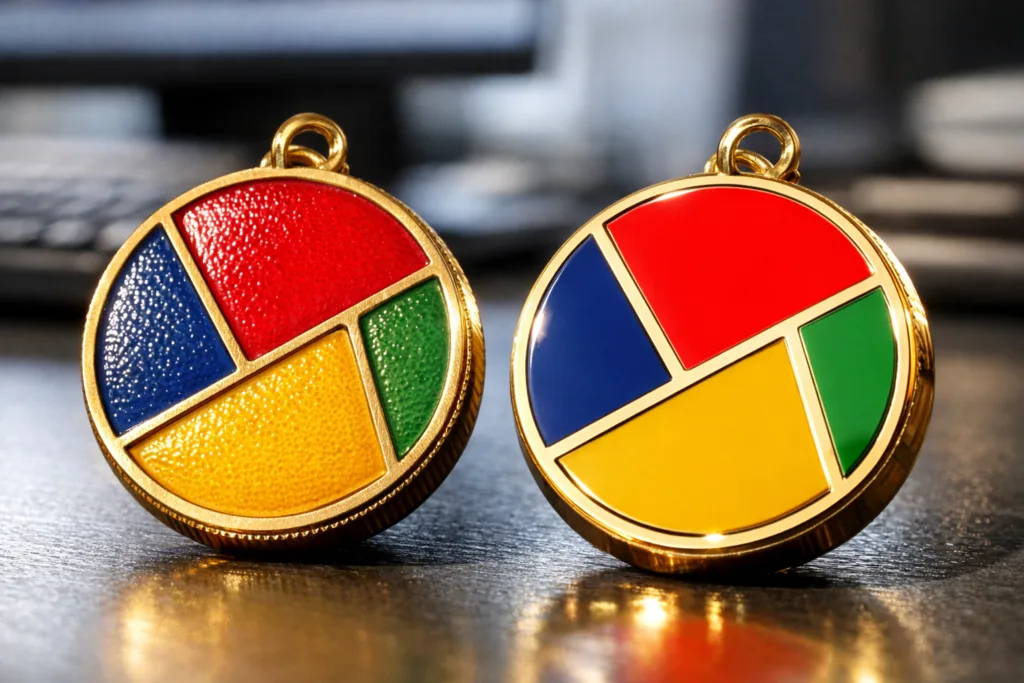
- Always submit clear artwork files and color codes (Pantone preferred).
- Ask for physical samples ahead of full production.
- Request QC reports for plating and color durability.
- Plan ribbon colors and attachment style with your manufacturer.
- Consider event logistics: quantity, packaging, and delivery deadlines.
For event organizers seeking maximum impact and value, explore options for participation medals vs trophies or check out track and field medal ideas for design inspiration.
Conclusion: Selecting the Best Medal Finish for Your Event
The finish you select will set the mood, memory, and significance for your event. Soft enamel medals combine vivid color, tactile depth, and affordability—perfect for dynamic, large-scale gatherings. Hard enamel delivers luxury simplicity, while die struck medals underscore tradition. Printed finishes serve creative projects well. No matter your budget or end use, understanding these differences lets you create awards that recipients cherish. Plan thoughtfully, match finish to occasion, and aim for quality. Your medal will tell its own story—and become an emblem of achievement.
Frequently Asked Questions
What makes soft enamel medals visually unique?
Soft enamel medals stand out due to their textured surfaces, vibrant colors, and raised metal details, which give a lively, eye-catching appearance.
How do soft enamel medals compare to hard enamel in durability?
Hard enamel medals are slightly more durable due to their smooth, polished finish, yet soft enamel medals offer robust resistance to scratches because of their raised metal edges.
Can soft enamel medals replicate complex artwork and multi-color designs?
Yes, soft enamel medals allow for intricate shapes and a wide range of vivid colors, excellent for logos, mascots, and creative event graphics.
Are soft enamel medals cost-effective for bulk orders?
Soft enamel medals are very cost-effective in bulk; their production method saves labor while delivering high visual impact for large events.
Is there a risk of color fading or chipping on soft enamel medals?
When made with quality materials and proper plating, soft enamel medals hold color well. Raised edges protect the enamel from most damage.
Which medal finish works best for high-prestige events?
Imitation hard enamel medals, with their glass-like shine and premium finish, are typically favored for high-prestige, executive, or luxury events.
Related Reading
- Discover Why 3D Die Cast Medals Elevate Prestige Awards
- 10 Ways Custom Graduation Medals Make Ceremonies Special
- Proven Strategies to Cut Costs When Procuring Bulk Medals
- 12 Inspired Track & Field Medal Designs to Boost Event Value
- Should You Choose Medals or Trophies for Event Awards?
- Expert Analysis: Die Struck vs Die Cast Manufacturing for Medals