Introduction to Sports Medals Customization
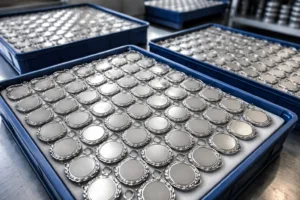
Every sports event deserves medals that echo its spirit. Custom sports medals transform ordinary recognition into a memorable experience. The right design, choice of materials, and finishing touches show athletes and teams how much their efforts truly matter. This guide walks you through everything you need to know about creating standout custom medals.
Choosing the Right Materials for Sports Medals Customization
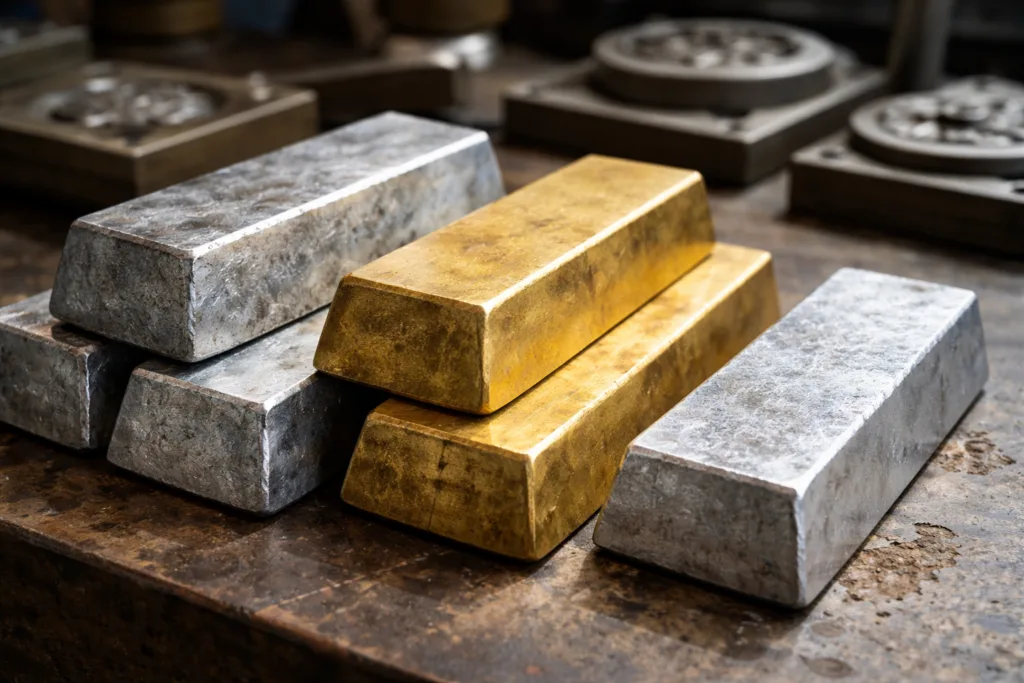
The material you select is the foundation of your medal’s durability, weight, and look. Whether you need medals for marathons, school meets, or world-class tournaments, the right choice balances strength, cost, and style. Below is an overview of common materials in custom sports medal manufacturing.
| Material | Properties | Best Use | Finish Options | Cost Range |
|---|---|---|---|---|
| Zinc Alloy | Versatile, moldable, medium density | General sports medals | Antique, shiny, color fill | Medium |
| Brass | Harder, heavier, corrosion-resistant | Premium awards | Gold, matte, antique | High |
| Aluminum | Lightweight, resistant to rust | Marathons, events needing low weight | Anodized, colored | Low to Medium |
| Iron/Steel | Tough, affordable, heavy | Large competitions | Nickel, chrome, gunmetal | Low |
| Stainless Steel | High corrosion resistance | Outdoor or water sports | Brushed, mirror polish | Medium to High |
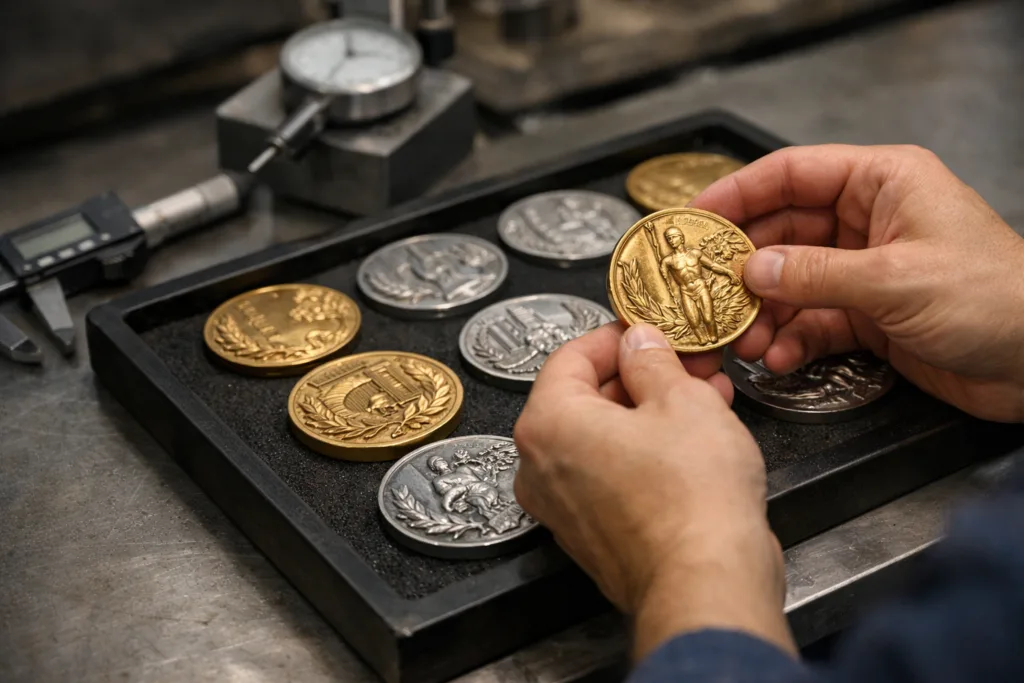
Gairun leverages precision casting and stamping processes for metals like zinc alloy and brass, achieving ±0.05 mm tolerances. Such accuracy ensures medals have crisp reliefs and strong structural integrity.
Thickness and Hardness
Medal thickness usually ranges from 2 mm to 5 mm. Thicker medals feel more substantial but are heavier and cost more per piece. Hardness matters if medals are handled often. For reference, zinc alloy typically rates 90–130 HV on the Vickers hardness scale, while brass can exceed 200 HV. Each offers different resistance to scratches and bending.
Choosing the Best Material
- School events: Iron or aluminum for budget and lightweight needs
- National/International games: Brass or stainless steel for lasting elegance
- Outdoor/marathon events: Aluminum/304 stainless steel for corrosion protection
Design and Relief: 2D vs. 3D Medals
The way a medal’s details stand out depends on the relief method you choose. Designers often debate between simple flat relief (2D) and complex layered images (3D). Understanding each style makes for medals that truly stand out.
2D Relief Techniques
2D designs offer clean lines and defined contours, suitable for logos, text, or basic graphics. Stamping, pressing, or photo-etching processes can achieve sharp definition at a lower cost and faster lead time. These medals weigh less and work well for large volume orders.
3D Relief and Mold Crafting
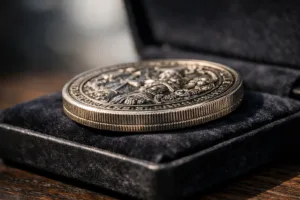
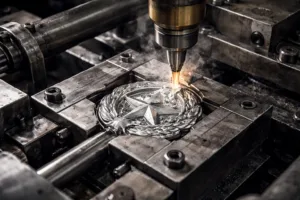
With 3D relief, your design comes alive. High-relief models are sculpted using CNC milling of master molds, then die-cast or pressed. If you want faces, trophies, or landscapes in rich detail, 3D is ideal. Wire EDM machines create precise mold cavities, letting Gairun deliver medals with lifelike depth and smooth transitions.
Color & Infill Options
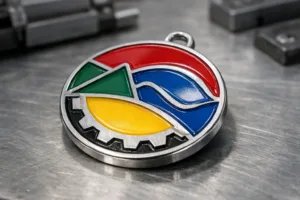
- Soft Enamel: Colored resin sits slightly below the metal edge, giving texture and vibrant hues.
- Hard Enamel: Resin is polished flush, yielding a smooth, glassy feel with higher color separation, suitable for premium medals.
- Epoxy Dome: A clear layer covers the design, guarding colors from scratches and UV exposure.
Pantone color matching ensures every medal matches your brand shades exactly. Gairun’s fill depth control makes sure enamel is evenly distributed across the medal surface.
Custom Finishes for Sports Medals
The medal’s surface finish is what sets the final tone. From high shine to antique matte, each finish adds different levels of brilliance and protection. Selecting the right finish ensures your custom sports medals look as good as they perform.
Common Finishing Processes
- Electroplating: Adds layers of gold, nickel, gunmetal, matte black, or antique brass. Quality plating stays bright after years of wear. Tests for thickness (via XRF methods) range from 3–8 μm typically.
- Powder Coating: Creates tough, colored surfaces that resist chipping. Ideal for medals used outdoors or handled heavily.
- Anodizing: Delivers durable color on aluminum medals, with excellent resistance to scratching and fading.
- PVD (Physical Vapor Deposition): Offers ultra-hard, decorative metallic finishes, often preferred for premium products.
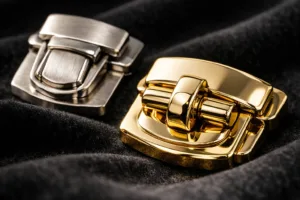
Textures like brushed, matte, mirror polish, and sandblasted surfaces address aesthetics and touch. A mirror-polished face truly shines beneath event lights, while sandblasted edges give contrast and grip.
Assembly and Mounting Choices
How medals attach to ribbons, how they hang or display, matters as much as the medal itself. Gairun offers several mounting methods to suit various event needs and presentation styles.
Standard Medal Mounts
- Split Ring: Classic round metal ring threaded through a loop.
- Lobster Clasp: Clasps attach medals to ribbons for easy removal or swapping.
- Ribbon Slot: Integrated opening allows a ribbon to slide directly through the medal.
Secure Mounting Tips
For high-impact sports or marathons, quality mounting hardware resists tension and repeated wear. All metal connections should be checked using AQL sampling procedures, typically set at Level II and a 2.5 inspection level for B2B orders.
Packaging Solutions
- OPP Bag: Simple and affordable for bulk orders.
- Velvet Box/Blister Pack: Adds premium feel, ideal for individual presentations.
- Card Backing: Features brand logo and event details for added marketing impact.
Ribbon Selection and Customization
Ribbons provide the finishing touch for every custom sports medal. They connect the medal to the athlete’s achievement—and your event’s image. Ribbon material, color, and printing choices extend your brand and enhance presentation.
Common Ribbon Materials
| Ribbon Material | Properties | Best Use | Customization |
|---|---|---|---|
| Polyester | Durable, cost-effective, colorfast | School to national events | Screen/deboss print, full color |
| Nylon | Glossy, strong, smooth | Premium and high-stress use | Silkscreen, woven labels |
| Satin | Silky, elegant, less robust | Individual, luxury medals | Embroidery, foil, heat transfer |
Ribbon Width, Length, and Printing
Typical ribbon widths for sports medals range from 20 mm to 40 mm. Standard length is around 80 cm looped, fitting most adults comfortably. Printing options include full-color sublimation for vivid graphics, silkscreen for bold logos, and woven text for lasting legibility. Pantone color matching preserves your event or brand colors.
Attachment Methods
Ribbons can be sewn, heat-sealed, or riveted to the medal ring or slot. For a seamless look, ultrasonic welding is an option—this melts ribbon fibers for strong, clean joints. Quality tests include adhesion checks (ASTM D3359 standard) and color difference controls (ΔE below 2.0 for most competitive events).
Quality Control and Compliance for Sports Medals Custom
Every custom sports medal must endure the test of time and use. Gairun’s commitment to craftsmanship shows in strict quality controls at every manufacturing stage. Each batch undergoes tolerance checks, color separation accuracy, and plating thickness inspections. For wearable medals, EN 1811 nickel release testing and RoHS compliance protect athletes and recipients.
Durability and Longevity Tests
- Salt spray (ASTM B117): Ensures medals withstand corrosion for a minimum of 120–240 hours.
- Hardness (HV): Each medal type meets its material’s target hardness.
- Adhesion: Stress tests confirm ribbon, enamel, and assembled mounts stay secure during ceremonies.
Quality sampling follows ANSI/ASQ Z1.4 standards for all large orders.
Business Outcomes: Durability, Branding, and Cost Control
Your customization choices directly impact cost, event reputation, and athlete satisfaction. Investing in the right processes and materials ensures medals arrive on time, last longer, and leave a better impression. Here’s how each decision shapes your business outcomes:
- Durability: High-quality metals and finishes reduce returns and complaints, boosting brand trust.
- Branding: Precise Pantone matching and bespoke ribbon printing turn medals into mobile advertisements for your event or organization.
- Cost: Balancing premium materials with efficient manufacturing (like die-casting for high MOQ orders) avoids unnecessary expenses.
- Lead Time: Sourcing from skilled specialists like Gairun cuts turnaround by managing mold making, casting, and ribbon printing under one roof.
Sports Medals Custom
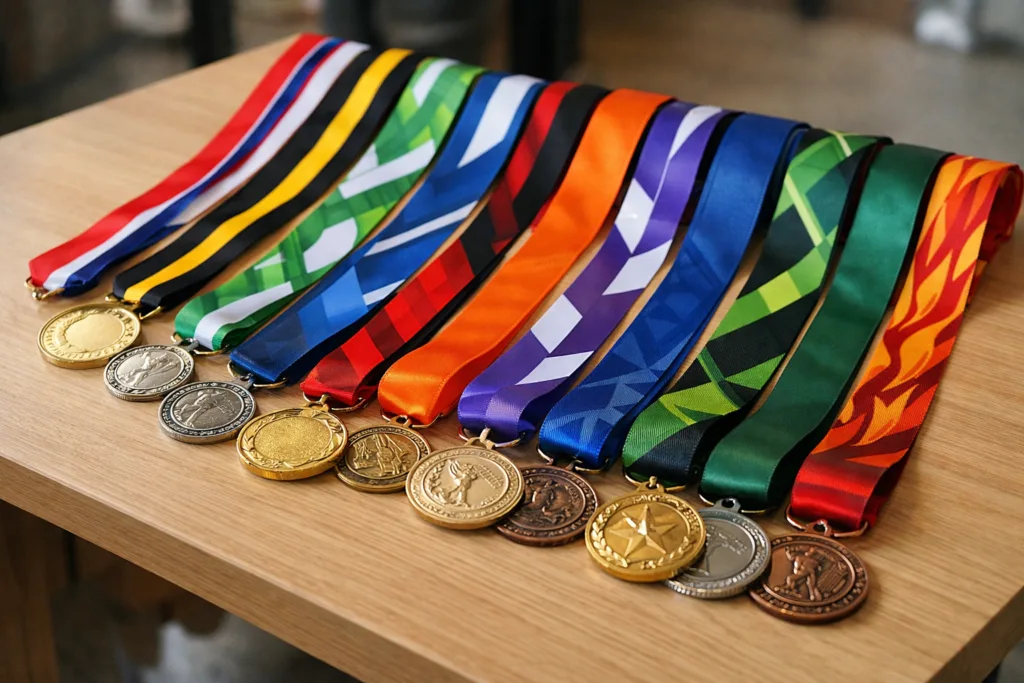
Customizing sports medals delivers tailored awards suited to every competition size, budget, and branding need. From selecting the metal base, crafting intricate reliefs, to finalizing ribbon choices, each step shapes the lasting value of your sporting recognition. Gairun stands out with OEM/ODM depth, expert surface finishing, and proven process control—making them a reliable partner for B2B sports medal production across the globe.
- Define material (zinc, brass, steel, aluminum) and shape
- Pick relief (2D, 3D, textured or flat)
- Choose colors, enamel styles, and color separation needs
- Select finishes (plated, powder coated, anodized, brushed)
- Specify mounting method and ribbon attachment
- Order custom ribbons: width, print, and color scheme
- Finalize packaging for ceremonies or bulk shipments
- Require sampling and compliance testing for quality assurance
Expert takeaway: The most memorable sports medals combine durable materials, precision finishes, and personalized ribbons. Every event organizer, schools to professional leagues, benefits from clear customization decisions.
Frequently Asked Questions
Which material is best for custom sports medals?
Zinc alloy offers the best balance of price, design flexibility, and durability for most custom sports medals. Brass and stainless steel are preferred for high-end awards needing extra elegance and corrosion resistance.
What ribbon printing options are available for medals?
Common options include silkscreen, sublimation, woven text, and foil stamping. Full-color prints suit branded events, while woven or embossed details highlight luxury presentations.
How does 2D vs. 3D relief affect medal cost and appearance?
2D relief is more affordable and faster to produce, ideal for simple graphics. 3D relief adds depth and detail but increases mold cost and lead time, making it best for premium awards.
What quality standards apply to medal production?
Key standards include EN 1811 nickel release for wearables, ASTM D3359 for adhesive strength, and salt-spray resistance per ASTM B117. Sampling follows ANSI/ASQ Z1.4 quality protocols in manufacturing.
Can packaging be customized for sports medals?
Yes. Options like OPP bags, velvet boxes, custom cards, and blister packaging allow bulk or premium presentation for medal ceremonies and events. Custom packaging often includes branding details.
What affects lead time and minimum order quantity (MOQ) for custom medals?
Material choice, relief complexity, ribbon printing, and finish type affect lead times. Die-cast zinc medals typically require higher MOQs, while stamped aluminum or iron can support lower volumes and faster delivery.