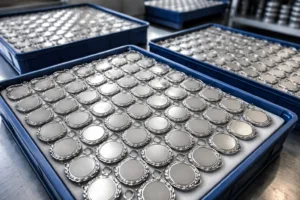
Introduction: The Process of Manufacturing a Custom Trophy
Every custom trophy is more than a gleaming object—it’s the product of meticulous craftsmanship that celebrates achievement and excellence. This article guides you through the entire process of manufacturing a custom trophy, dissecting each stage from the initial design to final engraving. We’ll focus on metal products, delve into advanced manufacturing and finishing techniques, and reveal why every detail matters when honoring someone’s hard-earned success.
The Journey from Idea to Icon: Custom Trophy Design
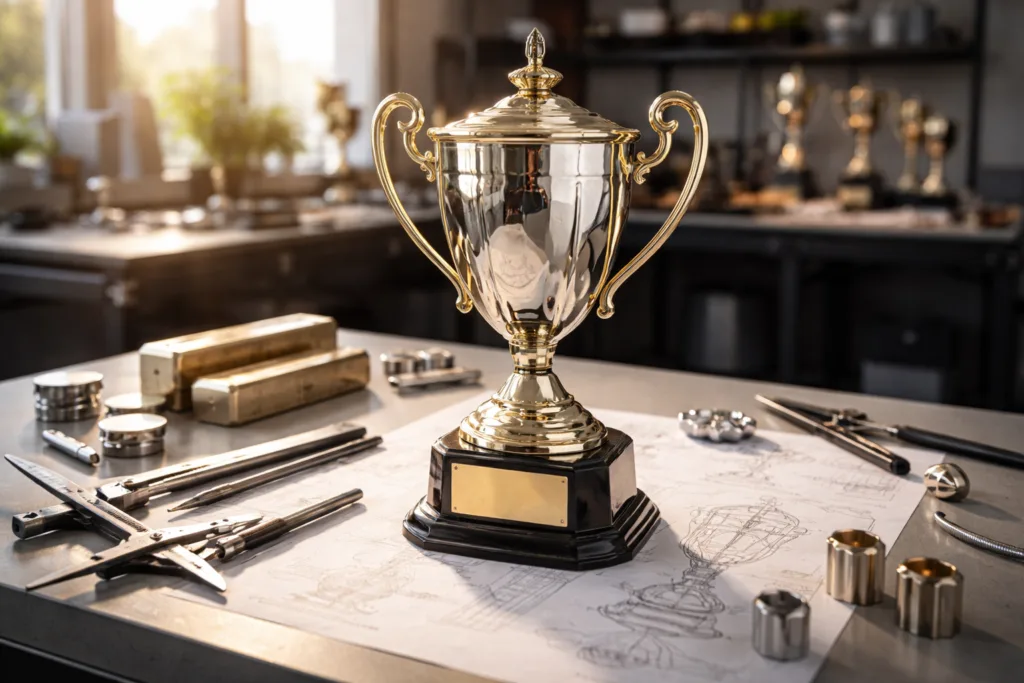
Designing a custom trophy starts with purpose and imagination. In partnership with clients, designers sketch concepts that capture the spirit of the event or organization. From geometric shapes for sports achievements to elegant forms for corporate awards, every outline balances aesthetics with symbolic meaning. Advanced CAD software is then used to create precise 3D models, ensuring the design translates into a manufacturable form while highlighting personalization options like engraving and material selection.
Selecting Materials: Why Metal Emerges as the Premier Choice
Trophy manufacturers choose from a variety of materials, but metal stands out for its weight, resilience, and striking finish. Alloys like zinc (Zamac 3 or Zamac 5), brass, and aluminum are favored for intricate shapes and detailed engraving. Higher grades, such as those favored by Gairun, offer superior surface quality and ensure that finishes remain flawless for years. Other common materials may include crystal or wood for base accents, but premium trophies continue to rely on the unmatched prestige of metal.
From Concept to Reality: The Prototyping Stage
Translating digital designs into physical prototypes is essential for evaluating feasibility and aesthetics. This stage may involve 3D printing or CNC machining in wax or resin, which offers a tangible preview before any expensive molds are created. Client feedback here shapes crucial adjustments—preventing issues later in manufacturing and refining engraving details so that they stand proud and legible.
The Material Preparation: Sourcing, Melting, and Alloying
High-quality metal starts with rigorous raw material selection and precise alloying. Only virgin metals and carefully tested recycled materials enter the melting process. For luxury trophy production, as seen in high-end manufacturers, material purity standards are strictly maintained, ensuring consistent color, polish, and structural integrity throughout the trophy body and finer engraved details.
Mold Making: Precision Engineering for Lasting Detail
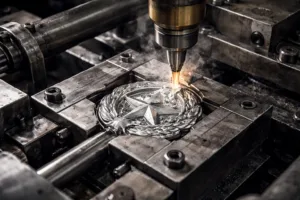
The art of mold making is critical. Steel or copper molds, often crafted using high-precision CNC machines, transfer every contour of the trophy’s design. Tight tolerances are held to ensure that every trophy is symmetrical and true. Molds with crisp texture allow engravings and company logos to shine, preventing the blurring of intricate patterns. Slight design tweaks here—like rounding sharp internal corners—prevent casting defects and elevate the trophy’s finish.
Metal Casting: Pouring Life into the Trophy Form
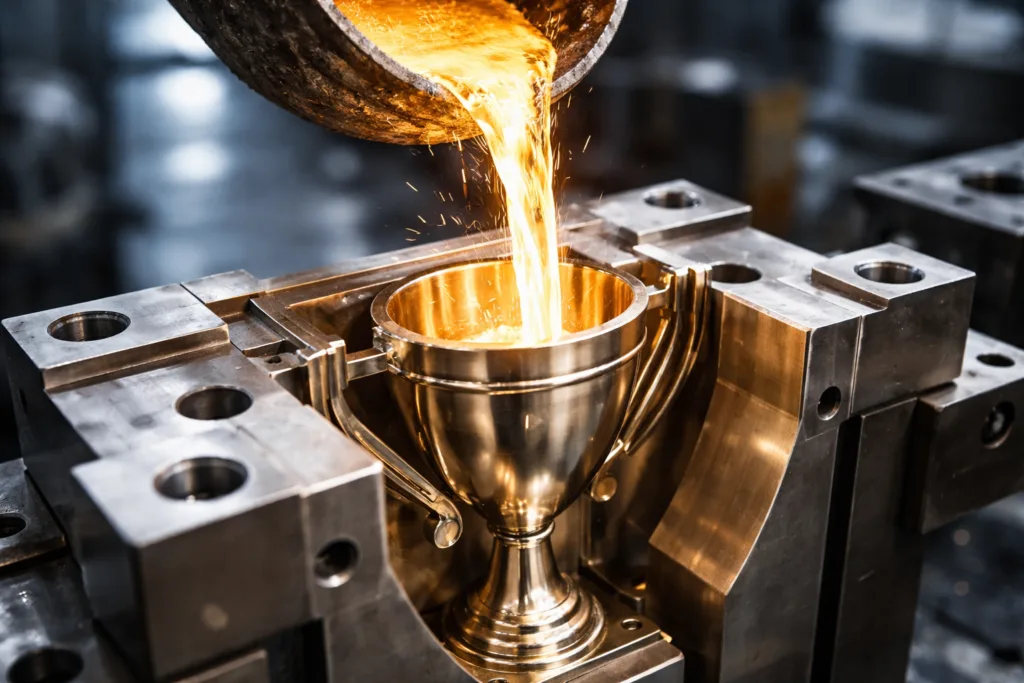
Molten metal is injected or poured into molds under pressure—such as in die-casting or investment casting—solidifying into the trophy’s basic shape. This stage sets the foundation for durability and weight. For bespoke shapes—like those created for film festival statuettes—careful control of temperature and cooling ensures the finished blank is free from air bubbles, porosity, or warping.
De-molding and Initial Inspection
Once cooled, each trophy is carefully removed from the mold. Skilled technicians trim excess metal—known as flashing—and conduct an initial inspection for cracks or surface imperfections. Only pieces meeting high standards are sent to the next stage. A single visible defect or engraving blur can mean a trophy is rejected, underscoring the rigorous attention to quality.
CNC Machining and Hand Detailing: Bringing Features into Focus
Some trophy features—like embedded slots for components or ultra-fine engraving—are refined using CNC machining. For anniversary medals or intricate logos, hand finishing may also be used. This combination of technological precision and human artistry ensures all edges are smooth, details are vivid, and the trophy is tactilely rewarding.
Engraving: Personalization with Impact
Engraving transforms a generic award into a cherished keepsake. Using mechanical engraving or laser technology, details like names, event titles, or logos are carved into the trophy’s surface. For organizations seeking unique recognition pieces, choose engravers with experience in high-definition work—this guarantees text clarity, even on compact or curved metal areas.
Polishing: Achieving the Ultimate Finish
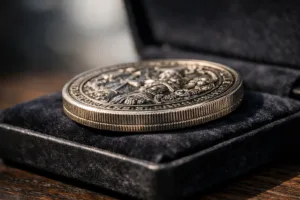
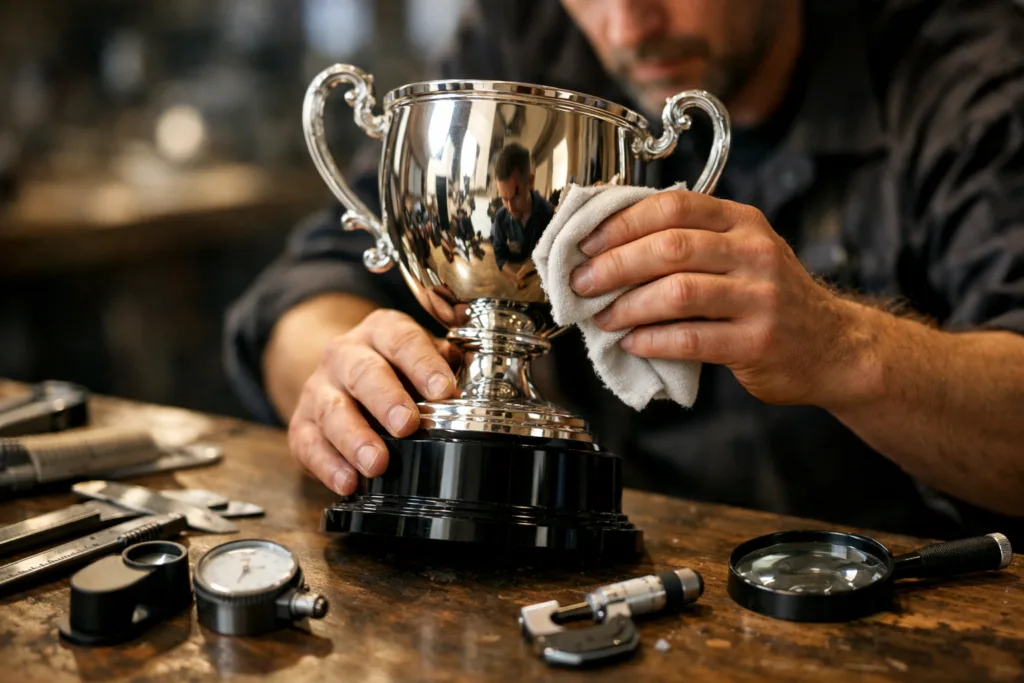
The iconic shine of award trophies is no accident. Skilled craftsmen deploy multiple polishing stages—beginning with coarse abrasives and progressing to soft cloths and fine pastes—to remove microscopic scratches. Hand polishing, particularly in premium manufacturing, creates a “mirror finish” that both dazzles and highlights engraved details. The result is a reflective surface akin to jewelry, ready for subsequent plating.
Electroplating, PVD, or Specialty Finishes
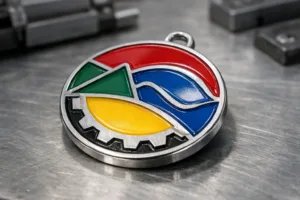
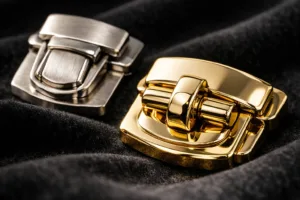
High-value trophies typically receive a protective coating, such as gold or silver electroplating, or advanced PVD treatment for enhanced durability and appearance. The choice of rack plating (rather than barrel plating) is particularly important for trophies, as it prevents surface abrasion and ensures even metal distribution. Specialty finishes—like antique brass, satin matte, or dual-tone—expand the visual palette, allowing for distinctive, memorable designs.
Assembly: Marrying Form and Function
Many trophies combine several components—metal figures atop crystal, wooden, or stone bases. Assembly is performed with meticulous alignment so that the trophy stands true, balances perfectly, and all engravings are oriented correctly. In cases where crystal or acrylic panels are attached, extra care prevents contaminating adhesives from blemishing the completed surfaces.
Quality Control: Ensuring Flawless Results
Before packaging, each finished trophy is subjected to a battery of inspections. This includes visual checks for plating consistency, tactile inspections for edge safety, and functional tests (such as drop simulations or base adhesion pull tests). Manufacturers known for high standards, like Gairun, may even reject functional trophies if they do not meet strict appearance or engraving clarity benchmarks—because in luxury, every detail counts.
Safe Packaging for Shipping
Proper packaging safeguards the trophy from nicks or dents during transit. Boxes with custom foam inserts are used, often lined with velvet or satin. For heavy or high-profile commissions, following guidelines for packaging heavy trophies reduces the risk of costly damage upon delivery, ensuring recipients experience the trophy in pristine glory.
Customer Feedback: The Hidden Step That Refines Craftsmanship
Feedback from recipients and ordering clients is invaluable. Manufacturers collect insights on aesthetics, engraving readability, and durability, channeling them into design improvements. This iterative loop lifts trophy quality with each production, often inspiring new personalization options or finishing touches based on real-world use.
The Role of Innovation: Trends and Technology in Trophy Making
Trophy manufacturing embraces both tradition and technology. New methods such as precision 3D printing for molds, and laser or PVD finishes, meet age-old handcrafting techniques to deliver products that are both unique and consistent. The rise of eco-friendly options—like recycled metal or wood-accented designs—demonstrates how sustainability and style can coexist in recognition awards, a theme further detailed in sustainable award options for green companies.
Common Challenges in Trophy Manufacturing
Ensuring design feasibility, avoiding plating defects, and meeting client timelines are recurring hurdles. Inexperienced suppliers may struggle with casting complex details, resulting in uneven finishes or muddled engravings. Engaging with established partners who understand these risks—from mold engineering to packaging—streamlines production and enhances the emotional impact of each trophy.
Case Study: Metal & Crystal Combination Trophy Designs
Mixing metals with crystal bases or accents is now a hallmark of contemporary awards. Such combinations require careful technical planning: the interface between components must be smooth, and finishes must complement rather than compete. Projects like those highlighted in combination trophy designs prove how material innovation can modernize the concept of commemoration.
Understanding the True Value of Custom Engraving
Engraving is the personal signature of any trophy. Beyond functional details, well-executed engraving creates an emotional resonance for recipients. The difference between a faint, shallow name and a bold, legible inscription influences the perception of quality and the longevity of the memory associated with the award. Accurate logo rendering and clear lettering are, in effect, the finishing touches that transform a trophy into an heirloom.
Material Purity and Surface Perfection: A Standard Worth Pursuing
Some manufacturers cut corners with recycled lower-grade alloys, leading to rough finishes, visible bubbles, or difficulty achieving a flawless polish. Industry leaders go further, as Gairun does, controlling every alloy batch for part purity—especially when aiming for luxury-grade, mirror metal trophies. This attention to detail ensures engravings remain crisp and surfaces mirror-bright throughout the trophy’s lifetime.
Emotional Significance: Why Custom Trophies Matter
The manufacturing journey culminates in a trophy that’s not just a symbol of victory, but of perseverance, teamwork, or innovation. Recipients remember not only the achievement but the tactile weight, cool touch, and shine of a custom-made award. Investing in thoughtful design and skilled craftsmanship amplifies the emotional value delivered, often making the trophy a centerpiece of pride in offices or homes.
The Process of Manufacturing a Custom Trophy
Each stage, from design sketch to final engraving, is vital in crafting a trophy worthy of the moments it represents. Material selection affects not just aesthetics but longevity and perceived value. Mold engineering and casting ensure true-to-concept forms. Polishing, finishing, and engraving endow the trophy with its lasting brilliance and individual character. Finally, careful packaging and customer feedback maintain the cycle of refinement.
Conclusion: Lasting Brilliance—Why Manufacturing Matters
The process of manufacturing a custom trophy is both science and art. From alloy selection to last-minute engraving adjustments, every detail is meticulously managed to create not just an object, but a lasting legacy. The resulting trophy is a tribute—not only to the recipient but to the expertise and care of those who made it possible. Manufacturers who combine time-honored skill, technical innovation, and a relentless pursuit of perfection uplift the very purpose of every celebration of achievement.
Frequently Asked Questions
What metals are most commonly used for custom trophy manufacturing?
Metals like zinc alloy (Zamac), brass, and aluminum are popular for their durability, ease of casting, and high-quality finish, especially in premium trophies.
How does engraving impact the value of a trophy?
Engraving personalizes a trophy, making it meaningful and memorable. High-quality, clear engraving adds perceived value and enhances the trophy’s lasting impression.
What ensures a trophy’s finish remains shiny and flawless?
Multiple hand-polishing steps, careful plating (like rack plating), and high-grade base materials maintain a brilliant, scratch-resistant surface over the lifetime of the trophy.
How can packaging affect trophy quality during shipping?
Custom foam inserts, sturdy boxes, and secure packing methods prevent scratches or dents in transit, ensuring the recipient receives the trophy in perfect condition.
Are sustainable materials used in modern trophy manufacturing?
Yes, more manufacturers now use recycled metals, wood, and eco-conscious processes to offer trophies that reflect both accomplishment and care for the planet.
Can I customize every detail, including shape and color, for my trophy order?
Absolutely. From unique shapes to bespoke finishes and even multi-material designs, experienced manufacturers can tailor every aspect of your custom trophy.