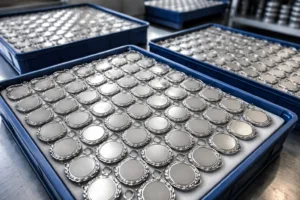
Introduction: The Role of Metal Clothing Accessories
Every wardrobe benefits from details that stand out. Metal clothing accessories combine design and function to add strength, style, and brand identity. You’ll find these metal accents on jackets, jeans, bags, shoes, and even on high-end uniforms. Whether it’s a sturdy button or a sleek branded label, metal touches have become essential in the fashion and garment world.
What Are Metal Clothing Accessories?
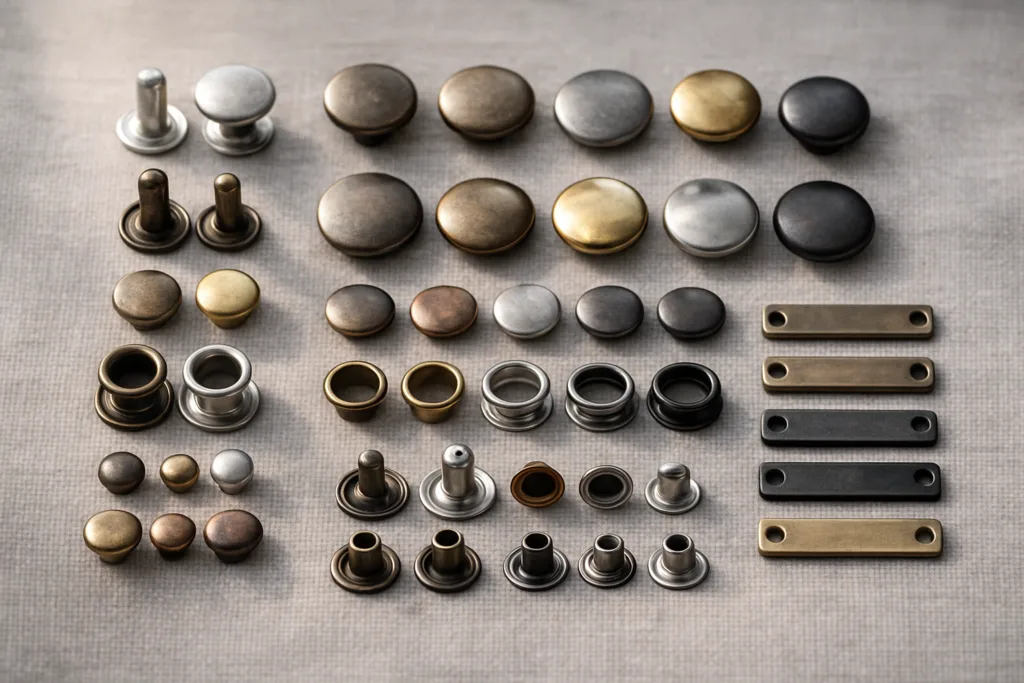
Metal clothing accessories are decorative or functional metal components attached to garments and fashion items. Unlike plastic or textile add-ons, metal accessories often provide extra durability, a polished look, and precise branding options. These can include buttons, rivets, buckles, zipper pulls, labels, charms, and eyelets. Each piece serves both aesthetic and engineering purposes—making clothing last longer and look distinct.
- Functional hardware (e.g., snap fasteners, buckles)
- Decorative accents (e.g., charms, tags, branded plates)
- Structural components (e.g., rivets, eyelets)
The right metal accessory can transform basic wear into bold fashion statements. They set trends, signal craftsmanship, and help brands stand out.
Key Materials in Metal Clothing Accessories
Manufacturers choose metal based on function, finish, and cost. Common choices include:
- Zinc Alloy: Allows fine details with die casting; ideal for 3D badges and charms.
- Brass: Offers a warm tone and good corrosion resistance; popular for buttons and luxury labels.
- Stainless Steel (304/316): Known for tensile strength and rust resistance; used in buckles and ring accessories.
- Aluminum (6061/5052): Lightweight and easy to anodize for colored finishes; suitable for nameplates and tags.
- Iron/Steel: Cost-effective for mass-market rivets, snaps, and eyelets.
Choosing the right metal ensures the accessory matches the garment’s use—whether that means lasting through thousands of cycles, resisting skin irritation, or shining under studio lights.
Common Types of Metal Clothing Accessories
Fashion designers and manufacturers rely on several core metal accessory types to create standout apparel. Here are the most popular options:
Metal Buttons
Metal buttons bring weight and character to jackets and shirts. Die casting, stamping, or photo-etching create precise logos and detailed patterns. They can be finished in nickel, brass, gunmetal, or antique opens for varied aesthetics.
Rivets and Eyelets
Found on jeans, bags, and footwear, rivets reinforce seams and support heavy stress points. Eyelets strengthen holes for laces or drawstrings and resist tearing. Manufacturers control hardness and thickness (usually 0.8–2 mm) for function and comfort.
Branded Metal Labels and Nameplates
Sleek metal labels broadcast brand identity. Using CNC milling or precision stamping, these pieces are often custom-shaped and feature full-color enamel or laser-engraved logos.
Belt Buckles, D Rings, and Clasps
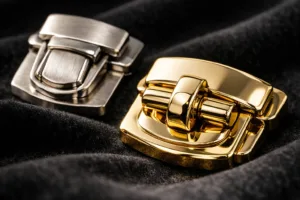
Belt buckles anchor fashion trends with bold 3D forms or minimalist designs. D rings and clasps enable easy adjustments for straps and accessories.
Decorative Charms and Tags
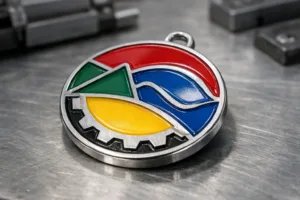
Shoe charms, zipper pulls, and pendant tags add whimsy and luxury. Stamping, die casting, and electroplating allow endless creative possibilities—including antique finishes and custom Pantone-matched enamels.
Metal Zipper Pulls
Strong and stylish pulls deliver both branding and function. CNC, die casting, and even PVD coating (for wear resistance and color) offer high-end solutions in luxury bags and activewear.
Finishing Techniques for Metal Clothing Accessories
Appearance and performance rely on the right finishing process. These shape color, wear, and overall impact:
- Electroplating: Gold, nickel, chrome, matte black or rose gold for jewelry-grade shine or restrained elegance.
- Anodizing: Used in aluminum for colored finishes and enhanced protection.
- Powder Coating: Adds durable, scratch-resistant color in a thick layer.
- PVD (Physical Vapor Deposition): Outlasts traditional plating for intense use and abrasion resistance.
- Brushed, polished, and sandblasted textures: Mixes tactile experience with visual depth.
- Soft/Hard Enamel: Adds color fills for branding, with precise fill depth and Pantone color matching.
- Epoxy Domes: Transparent, tough layers that protect and enhance color or detail.
| Finish | Properties | Best Use | Cost Range |
|---|---|---|---|
| Electroplated Gold | Bright, luxurious; moderate abrasion resistance | Luxury buttons, labels | $$$ |
| Brushed Nickel | Modern matte, hides scratches | Buckles, clasps, tags | $$ |
| Powder Coated | Thick, colored, highly durable | Outdoor wear, sports bags | $$ |
| Anodized Aluminum | Colorful, lightweight, corrosion resistant | Nameplates, branded tags | $ |
| PVD Gunmetal | Deep color, maximum abrasion resistance | High-end zipper pulls, hardware | $$$ |
Manufacturing Processes Explained
Quality metal clothing accessories rely on advanced manufacturing. Gairun uses a mix of processes to achieve unique shapes, solid durability, and vivid finishes.
Die Casting
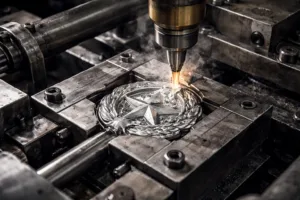
Zinc alloy charms, buckles, and complex 3D elements are formed in high-pressure molds. The result: crisp detail and smooth curves. Wire EDM machines cut precision molds down to ±0.01 mm tolerance. Post-casting, tumbling and shot blasting remove sharp edges and improve feel.
Stamping & Pressing
Brass or steel blanks are pressed into shape with thousands of tons of force. This works for thin badges, tags, and buttons. Laser cutting adds fine detail, while embossed or debossed relief adds branding that lasts.
CNC Machining
Computer-guided mills carve logos, edges, and 3D features. This process is best for low-volume batches of complicated hardware like custom buckles or nameplates.
Photo-Etching
A chemical process etches out fine lines for light metal plates or keychains. Color separation and fill depths can be tightly controlled for multi-layered branded effects.

Quality Testing
Precision matters. Manufacturers perform plating thickness checks (often with X-ray fluorescence) to maintain quality. Salt-spray tests (ASTM B117), hardness checks (HV scale), and color difference (ΔE) controls guarantee reliability and appearance. For wearables, standards like EN 1811 ensure safe nickel release rates.
Applications of Metal Clothing Accessories
Metal accessories find homes in fashion, sports, and industry:
- Sportswear: Medals, number plates, zipper pulls, and buckle closures endure sweat and frequent use.
- Luxury Fashion: Custom logo badges, metallic buttons, and decorative hardware showcase brands and detail craftsmanship.
- Workwear & Uniforms: Heavy-duty, functional accessories resist wear and enhance authority.
- Outdoor & Travel Gear: Reinforced metal rivets and tags withstand tough conditions.
- Shoes & Bags: Eyelets, buckles, and branded plates signal quality and boost visual interest.
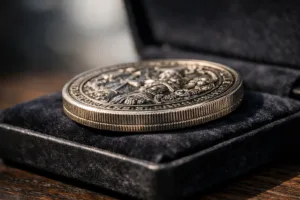
- Souvenirs & Promotional Gifts: Coins, pins, and tags create lasting, experiential value for events and campaigns.
Brands like Gairun develop accessories tailored for sport events, marathons, promotional gifts, or everyday wear. Each application requires matching finish, strength, and compliance with international standards such as RoHS and CPSIA, where relevant.
Choosing the Right Metal Clothing Accessories
Success depends on making smart material and process choices. Here’s what to consider:
Brand Image and Design Goals
Do you want bold luxury or subtle minimalist function? The finish and relief options—antique, polished, colored enamel—set the tone.
Durability and Compliance
For kid’s wear, ensure compliance with CPSIA. For adult jackets, seek heavy-duty plating and acid-resistant metals.
Cost and Lead Times
Stamped hardware offers lower cost and fast delivery for large volumes. CNC machining suits bespoke needs but costs more per unit.
Minimum Order Quantity (MOQ)
Custom accessories require specific MOQs. Die casting may need 1,000+ pieces, whereas CNC allows for lower runs—ideal for small brands or luxury releases.
Expert Tip: Always request test reports when sourcing metal accessories. AQL sampling and plating thickness data verify quality before full production.
Leading Manufactures & OEM/ODM Advantages
Global brands and designers trust experienced producers for reliability and creative solutions. Gairun stands out for their craftsmanship, rapid prototyping, and ability to turn complex concepts into tangible metal pieces.
OEM/ODM Capabilities
Original Equipment Manufacturing (OEM) creates custom designs from sketch through final product. Original Design Manufacturing (ODM) offers off-the-shelf styles with fast branding options—ideal for tight launch timelines.
Service and Support
Leading partners help with artwork, mold setup, plating selection, and packaging options. This ensures each accessory fits your brand narrative and business needs, whether for bulk gift campaigns or luxury lines.
Metal Clothing Accessories—Summary & Buyer’s Guide
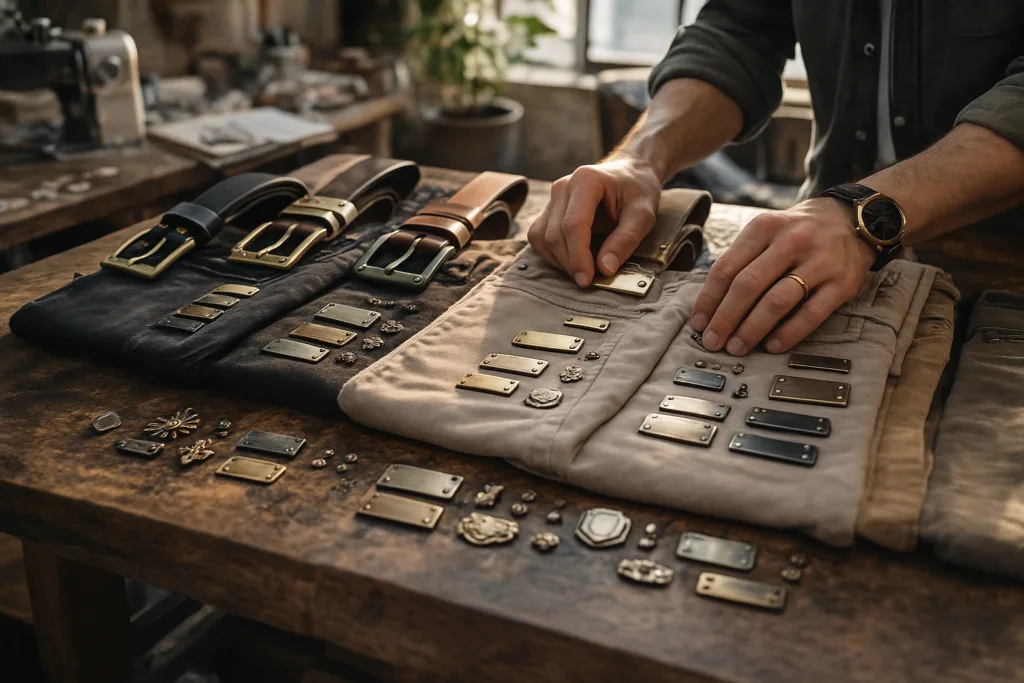
Metal clothing accessories define both the look and performance of modern apparel. From vivid, branded tags to rugged fasteners on travel gear, their value depends on careful material selection, expert finishing, and reliable manufacturing. Work with trusted providers like Gairun to create accessories that match your product vision and market needs. To get started, outline your goals, study finish samples, and request compliance documentation for safe, lasting results.
Frequently Asked Questions
What are metal clothing accessories made from?
Typically, zinc alloy, brass, stainless steel, aluminum, and sometimes iron or mild steel are used for clothing accessories, chosen for durability and finish options.
What are the most common types of metal clothing accessories?
Buttons, rivets, eyelets, zipper pulls, branded labels, belt buckles, charms, and clasps are among the most popular metal accessories in both fashion and function.
How are metal clothing accessories finished?
Processes like electroplating, powder coating, anodizing, PVD, and enamel fills create different looks and levels of durability suitable for fashion or industrial use.
What quality tests are used for metal accessories?
Manufacturers use plating thickness checks, salt-spray resistance (ASTM B117), hardness tests, color difference measurement, and nickel release tests for safe wearables.
How do I choose the right accessory for my project?
Consider branding needs, expected durability, compliance standards, lead time, and cost—consult with established OEM/ODM partners for the best match.
What is the advantage of custom metal accessories?
Custom metal accessories allow unique branding, tailored fit, and specific finishes, setting products apart in style, function, and quality for targeted markets.