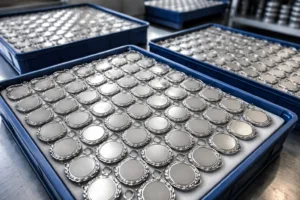
Introduction: Why Zinc Alloy Components Matter in Perfume & Cosmetic Packaging
Luxury brands and packaging designers are increasingly choosing zinc alloy perfume packaging parts and cosmetic packaging hardware for their fragrance bottles, jars, and makeup products. Why? Because these components deliver standout visual consistency, customizable color options, durability against common usage scenarios (like hand sweat and exposure to chemicals), and precise surface finishes. In today’s competitive packaging market, understanding what buyers care about when selecting zinc alloy components is the difference between an ordinary product and an unforgettable brand experience.
What Buyers Want: Brand Priorities for Zinc Alloy Packaging Hardware
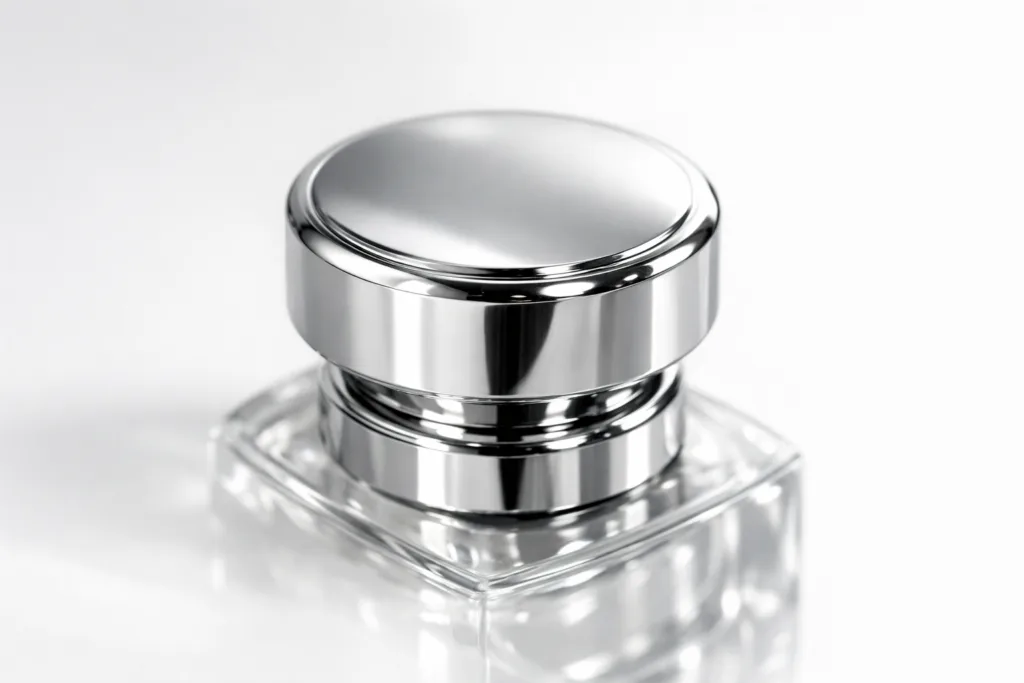
Perfume and cosmetics brands seek zinc alloy hardware that not only looks perfect on every batch but performs well—no matter how their products are handled. From flawless font details on logo caps to defenses against moisture or chemical contact, these concerns directly influence quality and consumer appeal. Let’s explore the key priorities.
Visual Consistency: Batch-to-Batch Color Matching for Brand Identity
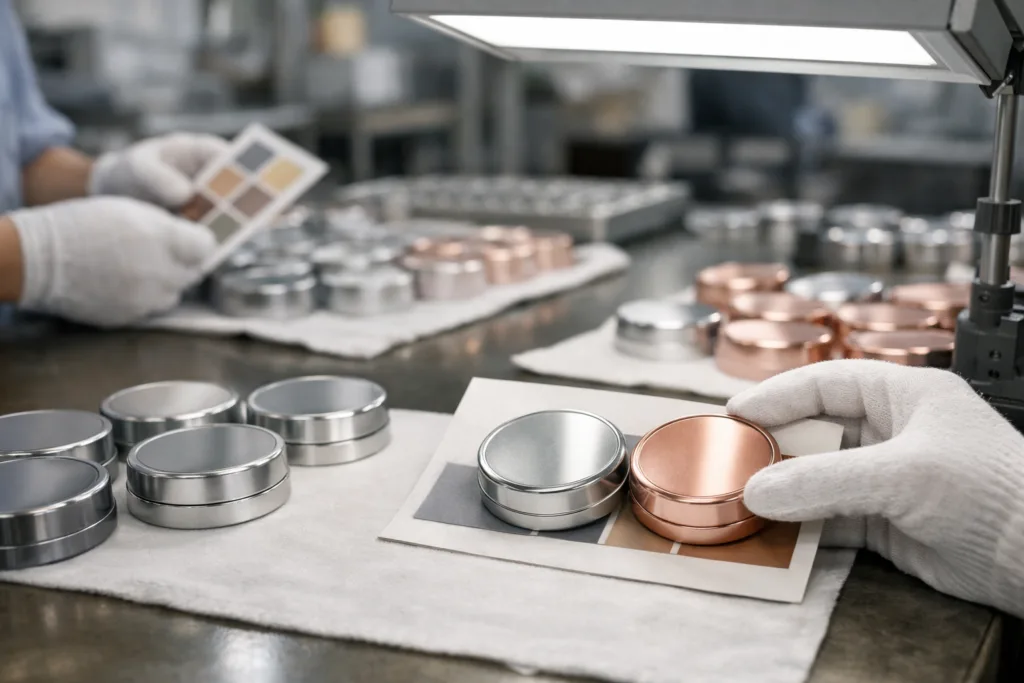
Color uniformity is crucial for brand recognition. A silver Zamac closure that appears inconsistent across different bottles weakens the brand’s visual impact. Manufacturers invest in advanced color-matching and plating protocols to guarantee each batch aligns perfectly with the brand’s Pantone or custom palette, ensuring the packaging hardware maintains one cohesive look across all production runs.
Material Purity: Virgin Zamac Alloys vs. Recycled Zinc—Does Quality Matter?
Zinc alloy components are commonly made from Zamac, a high-purity alloy favored for luxury packaging. Using virgin Zamac 3, renowned for its smooth casting and low porosity, results in crisper logo stamping and superior surface finish. Some suppliers cut costs with recycled zinc blends, which can contribute to color variation, plating defects, or rough texture—issues that high-end brands cannot accept.
PVD vs. Electroplating: Surface Finishing Choices for Premium Caps & Closures
Perfume bottle caps and cosmetic jar lids face constant handling, exposure to hand sweat, and chemicals (like fragrances, makeup removers, or sanitizers). Surface finishing isn’t just for aesthetics—it safeguards durability. Buyers must decide between:
- PVD Coating: Offers exceptional scratch resistance and color stability. Ideal for gold or gunmetal finishes.
- Electroplating: Delivers classic luxury shines (silver, brass, rose gold) but may require extra sealant for chemical-exposed items.
Choosing the right process depends on the intended use scenario. For example, frequent contact with alcohol-based perfumes is better managed by PVD-coated zinc alloy perfume packaging parts, which withstand corrosion and fading.
Common Usage Scenarios: Hand Sweat, Makeup Chemicals, and Longevity
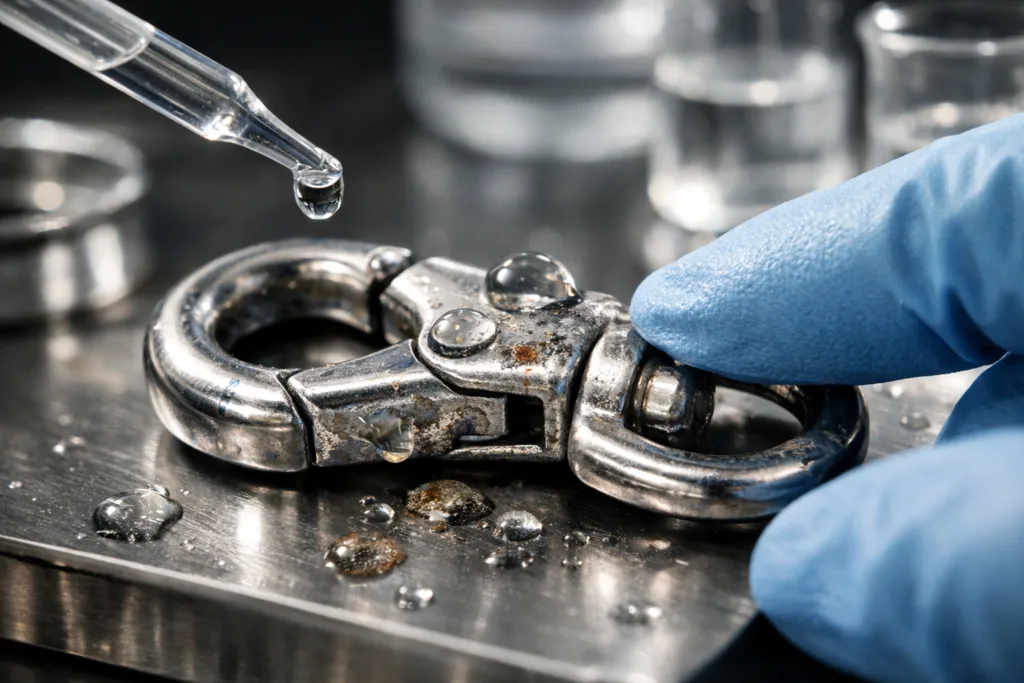
End users expect cosmetic packaging hardware to look flawless, even with daily handling. Sweat, lotions, and makeup remover residue can attack finishes. Gairun, a leading luxury metal manufacturer, recommends extensive salt spray and chemical resistance tests for all closure designs—ensuring products retain their luster and function, regardless of how customers use them.
Detail Precision: Readable Logos, Fonts, and Custom Artwork
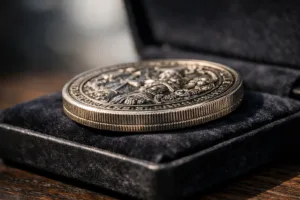
Branding thrives on clarity. Buyers demand logo caps and embossed closures with text and insignia that remain legible, crisp, and elegant. Precision CNC mold engraving paired with high-quality Zamac allows for even tiny details to come out perfectly. For luxury brands, blurry or faded branding is simply unacceptable.
Mold Engineering: Achieving Sharp Edges and Balanced Weight
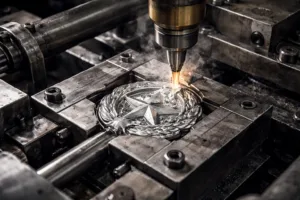
The mold design—and its execution—determine how tactile and visually appealing the final part will be. Balanced weight, sharp logo details, and flawless texture are the result of careful CNC mold creation and skilled die-casting. For example, Gairun’s mold tech ensures that even heavy perfume bottle caps “click” perfectly without wobble, setting a standard for high-end packaging hardware.
Three-Dimensional and Raised Design Feasibility
Brands often push creative boundaries with unique shapes or signature 3D reliefs. But design complexity can introduce challenges—porosity, misaligned details, plating inconsistencies. Experienced manufacturers collaborate closely with designers to tweak the 3D model, optimizing it for casting and plating without compromising the concept. This proactivity prevents costly errors and ensures the final cap or closure reflects the original vision.
Surface Treatment and Color Trends for Perfume & Cosmetic Metal Components
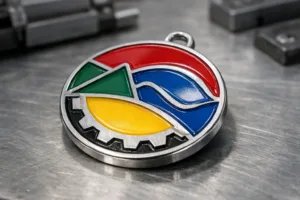
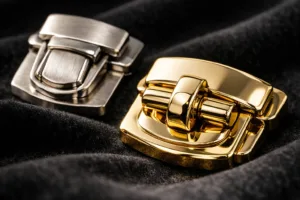
Matching contemporary trends—brushed nickel, matte black, rose gold, two-tone, custom Pantone hues—requires a deep understanding of plating and surface treatments. Fashion-forward cosmetic brands require hardware that sets off their packaging, enhances shelf appeal, and aligns with seasonal color launches. Reliable suppliers provide sample chips, trial runs, and batch testing to guarantee consistency.
Quality Control: From Salt Spray Testing to Spot Inspections
Even when parts pass functional tests, strict quality control standards ensure every batch is visually flawless. For zinc alloy perfume packaging parts and cosmetic hardware, buyers expect salt spray testing, pull-force and friction tests, as well as random spot checks for surface perfection. Manufacturers like Gairun uphold rigorous quality protocols—rejecting any finishes that don’t meet luxury standards.
Global Standards Compliance: Lead-Free, Nickel-Free, and Sustainability Concerns
Brands targeting international markets must ensure packaging hardware is safe and compliant. Lead-free and nickel-free zinc alloy parts are essential for EU, US, and Asian regulations. Increasingly, brands also seek sustainability: recycled content, low-impact plating, and minimal wastage. Choosing a supplier experienced in compliant manufacturing supports both market access and responsible branding.
Customizable Features: Engraved Logos, Unique Shapes, and Personalized Hardware
Modern packaging trends demand personalization, whether through engraved logos, embossed textures, or even custom shapes. Perfume bottle metal closures can be customized with intricate branding, and bottle cap covers made from zinc alloy offer brands the flexibility to differentiate. Design feasibility reviews are crucial—ensuring the creative vision translates into production quality.
Compatibility With Other Materials: Multimaterial Caps and Decorations
Caps and hardware increasingly pair zinc alloy with wood, stone, leather, or acrylic features. Coordinating finishes and tolerances between materials takes expert engineering. For high-end perfume packaging, even slight mismatches are noticed—premium suppliers manage multimaterial integration smoothly.
Cost Considerations: Balancing Quality, Volume, and Customization
Buyers must weigh the cost of advanced finishing, material purity, QC, and custom design against their brand’s priorities. Zinc alloy hardware offers an ideal balance of premium feel and scalable production, but excessive customization can drive up unit costs. Smart procurement relies on transparent quoting and thorough RFQ templates, preventing production delays and cost surprises. A dedicated guide to fast quoting for zinc alloy packaging parts helps streamline sourcing.
Packing, Shipping, and Handling: Preventing Surface Damage
Quality isn’t only established at production—it’s preserved through packaging and shipment. Luxury brands expect anti-scratch film wraps, padded trays, moisture-control inserts, and clear labeling for fragile parts. Every step is designed to maintain the pristine quality of cosmetic packaging hardware when it arrives.
Supplier Collaboration: Design Feasibility and Pre-Production Sampling
A close relationship between brand designers and manufacturing engineers is essential—especially for new launches. Pre-production samples, digital design reviews, and iterative feedback cycles allow buyers to test surface finishes, font clarity, and batch color consistency before large-scale rollout.
The Future of Zinc Alloy Components in Perfume & Cosmetic Packaging
Zinc alloy continues to evolve—new plating colors, brushed or matte textures, improved corrosion resistance, and unique tactile features are being introduced to match trends. High-tech customizations allow brands to create truly unique packaging hardware that both delights and lasts in demanding environments.
Zinc Alloy Components for Perfume & Cosmetic Packaging: What Buyers Care About
As the market for luxury fragrances and cosmetics grows, so do expectations for packaging. Buyers demand zinc alloy perfume packaging parts and cosmetic packaging hardware that deliver consistent color, reliable resistance to chemicals and hand sweat, clear logos, and resilient finishes. Partnering with the right manufacturer—one who prioritizes quality, detail, and ongoing innovation—is the surest way to build packaging that makes a lasting impression.
Frequently Asked Questions
How does zinc alloy compare to brass or aluminum for perfume bottle caps?
Zinc alloy offers superior moldability and surface smoothness, enabling intricate designs and durable finishes. It balances weight, cost, and corrosion resistance better for luxury packaging than brass or aluminum.
What finishing process is best for durability against hand sweat and chemicals?
PVD coating provides outstanding resistance to corrosion, scratches, and fading, ensuring longevity. It’s preferred by brands whose packaging will be handled frequently or exposed to alcohol-based products.
How can I guarantee batch-to-batch color consistency in my cosmetic packaging hardware?
Work with suppliers who offer sample chips, digital color-matching verification, and rigorous QC procedures. Specify your desired Pantone or custom color code during production planning.
Can tiny fonts and fine logo details be reliably cast or embossed on zinc alloy parts?
Yes—when high-precision CNC mold engraving and pure Zamac 3 alloys are used. These allow for crisp, legible detail on small surfaces without distortion after plating.
Are zinc alloy perfume packaging components lead-free and safe for global markets?
Most reputable manufacturers produce lead-free, nickel-free zinc alloy hardware, ensuring compliance with EU, US, and Asian regulations. Always request material certification.
What steps help prevent surface scratching or damage during shipping?
Use anti-scratch film, cushioned trays, moisture-control packaging, and proper labeling. Expert suppliers advise on best packing practices for fragile or luxury components.
Related Reading
- 12 Ways Decorative Zinc Alloy Upgrades Wine & Spirits Packaging
- Fast RFQ Templates that Prevent Costly Delays on Zinc Alloy Packaging Parts
- Discover 27 Expert Buyer Insights for Premium Zinc Alloy Packaging Accessories
- Your Ultimate Guide to Choosing Zinc Alloy Hardware for Luxury Gift Boxes
- 15 Buyer Risks & Smart Solutions When Selecting a Zinc Alloy Packaging Hardware Manufacturer
- 7 Ways Material Combinations Elevate Perfume Packaging Caps