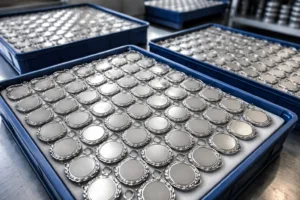
What Are Zinc Alloy Logos & Emblems for Premium Paper Packaging?
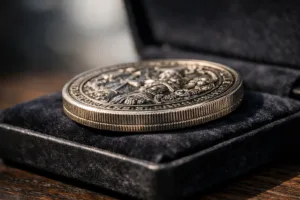
In luxury and specialty packaging, zinc alloy logos & emblems for premium paper packaging have become essential in distinguishing high-end products. These custom-made, metallic badges—often in 2D or 3D—are applied to rigid boxes for perfumes, cosmetics, spirits, gift sets, and limited-edition collectibles. Not only do they add visual weight, but they also communicate a sense of craft, brand identity, and unparalleled quality from the first touch.
Why Choose Zinc Alloy for Metal Logo Plates?
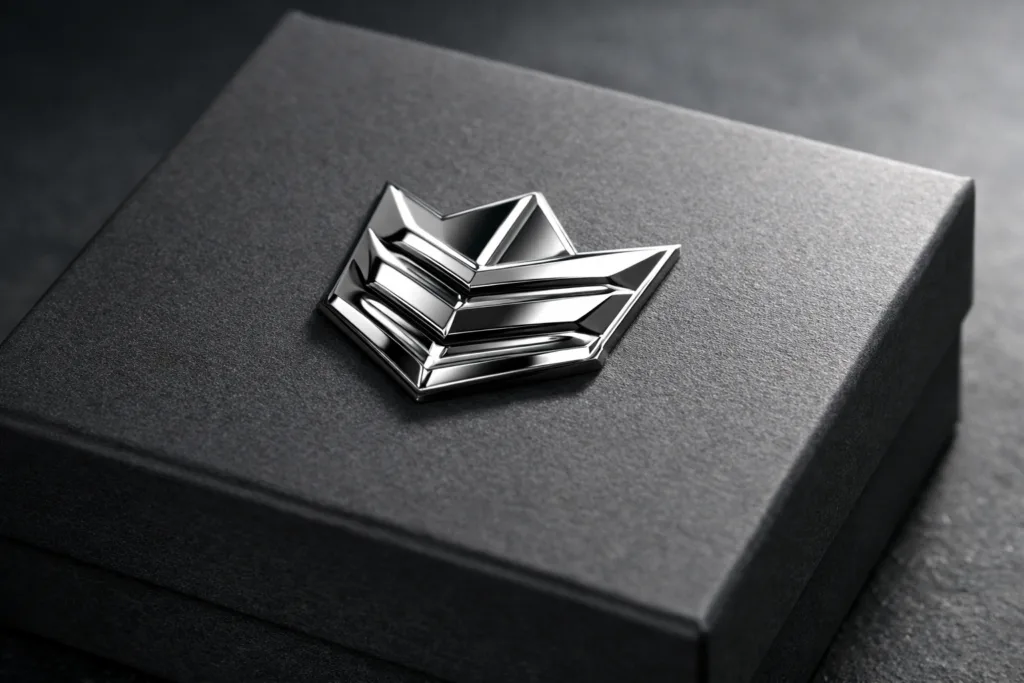
Zinc alloy, specifically Zamac 3 or Zamac 5, is prized for its excellent casting capabilities and surface finish. Unlike aluminum or plastic, zinc alloy allows for deeper 3D relief, finer details in logos, and heft that echoes jewelry design. This material resists corrosion, handles premium plating (gold, nickel, two-tone, antique effect), and meets strict lead/nickel-free standards crucial for contact with packaging and retail goods.
2D vs 3D Logo Emblems: Key Differences Explored
Logo emblems can be flat (2D) or sculptural (3D). A 2D logo typically has raised and recessed areas all at a single height—perfect for clean, graphic logos or text plates. In contrast, 3D logos have complex topography, varying depths/angles, and sculpted effects that jump out visually and tactilely—ideal for brand crests, animal forms, or signature motifs. The choice impacts cost, mold complexity, and minimum detail size.
Recommended Line Width for Lasting Detail
Sharp details rely on both digital design and expert mold making. For zinc alloy badges, a minimum line width of 0.3mm is recommended for the best definition, with widths over 0.4mm preferred for large or deeply recessed areas. Going thinner can result in incomplete casting, blurred edges, or fragile features. This is especially critical for fine scripts or icons. Gairun’s experience in high-precision CNC mold engraving ensures even tiny text remains readable and crisp, maintaining your brand’s integrity on each emblem.
Ideal Raised/Embossed Logo Heights
Embossed (raised) details create visual hierarchy and a satisfying tactile effect. Industry practice suggests a minimum height of 0.5mm for raised areas to ensure proper plating— most high-end brands choose 0.8mm to 1.2mm for greater drama and shadow. For delicate or small badges, keeping total emblem thickness below 2.5mm is often essential for seamless paper packaging application without warping or detachment risk.
Color Filling Techniques in Metal Logos
Adding color highlights a logo and deepens brand identity. There are several methodologies:
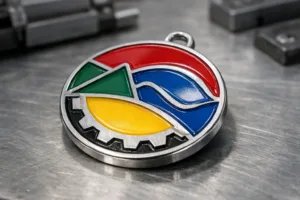
- Soft/Hard Enamel: Creates crisp, level-filled colors—soft yields a slightly concave surface, while hard is polished flush and ultra-durable. Perfect for crisp color blocks and luxury effect.
- Epoxy Dome: A clear dome overlays color for shine and protection, useful for shallow recess designs and multicolor.
- Spray Paint: Used when color needs to cover large or very fine areas with subtle blends—not as resistant to abrasion as enamel but excellent for gradients and metallics.
Soft enamel and epoxy are frequently specified for badges attached to perfume caps and premium boxes, retaining color vibrancy through warehousing, shipment, and shelf life. For deeper insight, the Smart Organizer’s Guide: Adding Color—Soft Enamel vs Printed Color vs Epoxy Dome offers a practical overview of all main techniques.
Mounting Methods: Secure Attachment Without Box Damage
Proper installation preserves the box’s structure and ensures long-term adhesion. Popular mounting options include:
- Adhesive Backing: 3M or custom adhesive foam creates an instant bond for light logo plates without holes or box damage. Surface preparation (clean, smooth, dust-free) is key for maximum hold.
- Rivet/Post Mounting: Metal posts pass through die-cut holes in the carton, anchored with a washer or bent tip inside—excellent for heavy or large 3D badges. Box design must account for post depth and avoid inner cavity conflicts.
- Bendable Tabs (“Fold-Over” Tags): Used mostly for very thin labels or tags, tabs pierce shallow slots and are bent flat behind the liner—best for labels, not robust emblems.
Gairun technical consultants often recommend planning post or adhesive patterns during the box engineering stage, to avoid crushing flaps or leaving an imprint through the inner liner. Collaboration between badge and box supplier guarantees installation will match the luxury feel your brand promises.
How Logo Plate Design Affects Paper Box Structure
Adding a zinc alloy logo plate requires more than just decoration—structural integrity is paramount. The logo’s weight and mounting system should never compromise the carton’s corners, lid fit, or closure mechanism. For heavier emblems, double-walled lids or reinforcement plates are advisable at the mounting site, especially if posts pass through. Some rigid box factories use foam or board risers beneath the box lining, leveling out any unevenness created by mounting tabs or hardware. High-quality manufacturing partners like Gairun may provide digital CAD samples to test badge fit and mounting force before full-scale production.
Surface Finishes: Brilliance, Subtlety, or Patina
Surface finishing determines not only the mood of the logo emblem but also its durability in real-world handling. Typical finishes include:
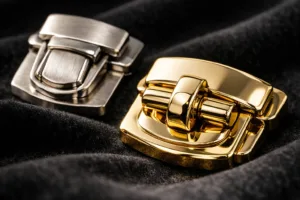
- High-Polish Plating: Intense shine, akin to jewelry—ideal for prestige packaging. 7 Reasons High-Polish Finishes Instantly Elevate Luxury Awards explores the transformative effect of expert polishing.
- Brushed/Matte: A soft sheen that conveys understatement and tactility—disguises minor handling marks.
- Antique or Two-Tone Effects: Deep shadows and visual layering, popular for heritage brands or vintage products.
Plating Options: Matching Your Brand Style
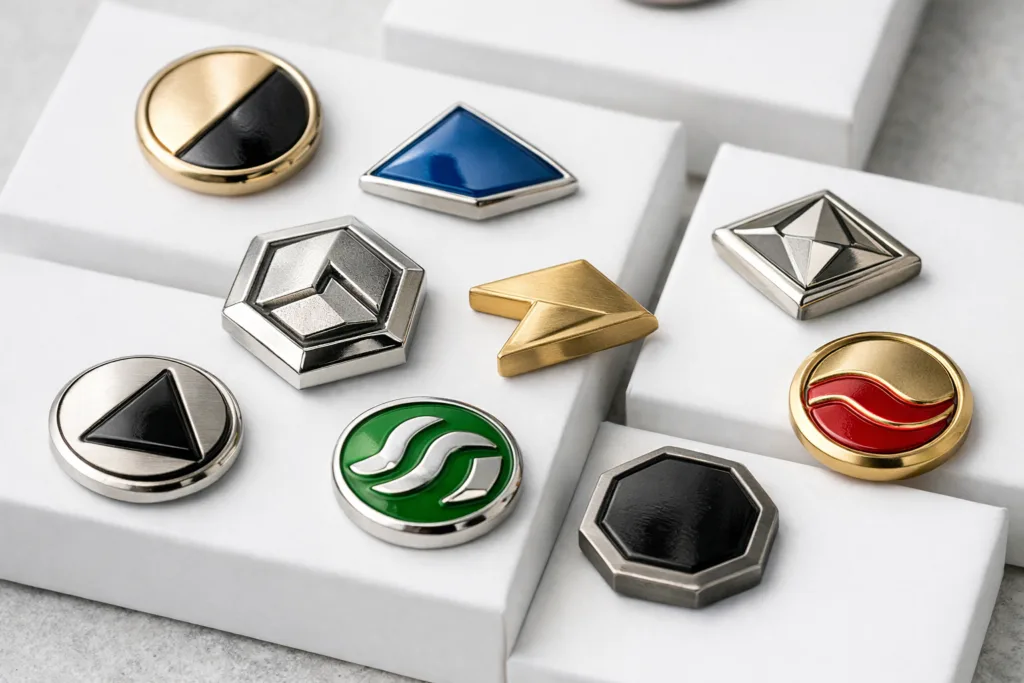
Plating elevates both visual and tactile impact, enhancing the value perception. Favorites in premium paper packaging include gold (warmth, tradition), silver/nickel (cool elegance), gunmetal (modernity), and two-tone treatments (Art Deco flair). Plating methods like rack plating control uniformity, avoiding bare “hot spots.” For brands committed to longevity, PVD (Physical Vapor Deposition) can yield harder, scratch-resistant finishes that withstand handling and transport far better than standard electroplate.
Precision Casting and Mold Engineering Essentials
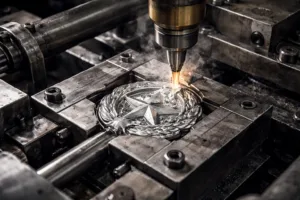
Fail-proof zinc alloy logo plates rely on expert mold design and CNC engraving. High-quality molds produce sharp, readable details and consistent emblem weight. In mass runs, a well-maintained mold avoids flash lines (thin edges), bubbles, or blurred texture—common pitfalls in low-standard workshops. Gairun’s engineers use advanced CAD systems and frequent QC checks to ensure every piece precisely matches the original 3D design file, so what you imagine is what you hold in your hand.
Designing for Production: Avoiding Porosity, Warping, and Casting Defects
Not all shapes are equally manufacturable. Overly thin features, sharp interior angles, or deep/isolated recesses can cause porosity, incomplete fills, or distortion during casting and cooling. Industry best practices include gentle transitions in relief, undercuts only where mold tools allow, and consistent wall thickness. Smooth surfaces, especially on logo faces, require extra mold polish and raw alloy purity—Gairun always advocates for virgin Zamac 3 when flawless finish is critical.
Functional Testing: Pull Strength, Drop, and Plating Robustness
Luxury does not end with appearance. Physical demands include endurance in shipping, retail handling, and years of use. Leading manufacturers like Gairun conduct tests such as 48-hour salt spray (to check corrosion on plated parts), pull-force testing (to confirm the logo plate will not detach with normal handling), and drop tests (for display boxes). Only assemblies that pass both aesthetic and functional criteria are released to brand partners.
Brand Storytelling: Custom Shapes, Crest, and Signature Details
A well-designed emblem goes beyond mere branding—it becomes part of your consumer’s story. Consider custom shapes, crests, or signature elements (like cut-out icons or intricate patterning). Multi-level logos and negative space can add sensory appeal and make your pack instantly recognizable. Limited-edition pieces may include serial numbering for collectibility, a practice common in rare spirit packaging or commemorative gift sets.
Eco Considerations: Recycled Alloys and Responsible Sourcing
Eco-conscious brands are exploring recycled zinc alloys and responsible mining. Lead- and cadmium-free formulations protect both workers and end-users, vital when badges are touched daily. Some luxury houses request environmental documentation for each order. For those seeking alternatives, our guide to sustainable award options covers innovative eco-friendly materials and approaches.
Design Process Step-by-Step for Custom Logo Emblems
- Logo artwork refinement for metal translation
- 3D or 2D rendering for relief/volume planning
- CNC mold creation based on finalized geometry
- Prototyping for real-world testing and fit
- Color and plating samples for review
- Mass production with in-line QC checks
- Final assembly (mounting) onto packaging
Maximum and Minimum Size Guidelines
Most paper boxes can accommodate emblems from 15mm up to 80mm in length. Minimum thickness for badge strength is about 1.2mm; maximum size depends on logo mass and the reinforcement in the box wall. Oversized logos may require multi-point adhesion and reinforced box core to prevent sagging or box deformation during transit.
How to Ensure Safe Shipping and Assembly
Individual emblems are bagged and separated to prevent scuffing. Where heavy badges are pre-mounted, extra protection at the logo site is added inside the carton and outside the master box. All adhesives or posts are tested for temperature range and humidity exposure. For brands handling final assembly, a clear instruction sheet and assembly jig (template) can reduce mounting errors.
Enhancing Unboxing Experience with Metal Emblems
First impressions count: a cool-to-the-touch metal logo, glinting as the lid opens, is a hallmark of premium presentation. Tactile, weighted elements deepen the perception of value, inviting consumers to linger on the whole package. Some luxury houses even include hidden messages or micro-engravings only visible on close inspection, rewarding attention to detail.
Case Study: Spirits Packaging with 3D Zinc Alloy Badges
High-end whiskey and cognac brands often employ 3D zinc alloy emblems for bottle and box branding. In one recent Gairun project, a limited edition’s signature crest required achieving a 1.1mm raised logo with dual-plating and enamel highlights, while preserving the box’s seamless closure. Synchronized collaboration between the client’s packaging designer and Gairun’s engineering team enabled die-cut reinforcement and precise emblem installation—ensuring every box, from the first to the ten-thousandth, met collector-grade expectations. For more examples and innovations, see Zinc Alloy Decorative Parts Are Revolutionizing Wine & Spirits Packaging.
Comparing Zinc Alloy with Other Metals in Packaging
| Material | Advantages | Disadvantages |
|---|---|---|
| Zinc Alloy | Versatile, durable, easy for 3D forms, jewelry-grade finishing | Slightly higher weight/cost than plastic |
| Aluminum | Lightweight, corrosion resistant, modern matte finishes | Limited for deep 3D & complex relief |
| Stainless Steel | Ultra-durable, industrial look | Difficult for color fills and fine detail |
Common Packaging Sectors Using Zinc Alloy Emblems
- Perfume and cosmetics rigid boxes
- Premium spirits gift packaging
- Jewelry, watches, and bespoke accessories
- Corporate and commemorative gifts
- High-end clothing, shoes, and retail boxes
Zinc Alloy Logos & Emblems for Premium Paper Packaging
As luxury consumers become more design-conscious, zinc alloy emblems elevate unboxing from routine to ritual. Choosing the right metal plate is both a creative and technical decision, covering the logo’s artistic essence, engineering feasibility, and how securely it integrates with bespoke paper boxes. Thoughtful attention to size, detail, finish, and attachment ensures your emblem becomes a signature element in your brand’s story—making each package an object of desire, not just protection.
Maintaining Quality and Longevity for Branded Emblems
Proper handling and installation guarantees the emblem’s beauty endures from manufacturer to end user. Avoid harsh abrasives during dusting or assembly; ensure adhesives and fasteners are high grade and compatible with intended climates. With advanced finishing and robust design, today’s zinc alloy logos can remain pristine for years, helping your packaging—and your brand—age with grace.
Troubleshooting: Common Issues and Smart Solutions
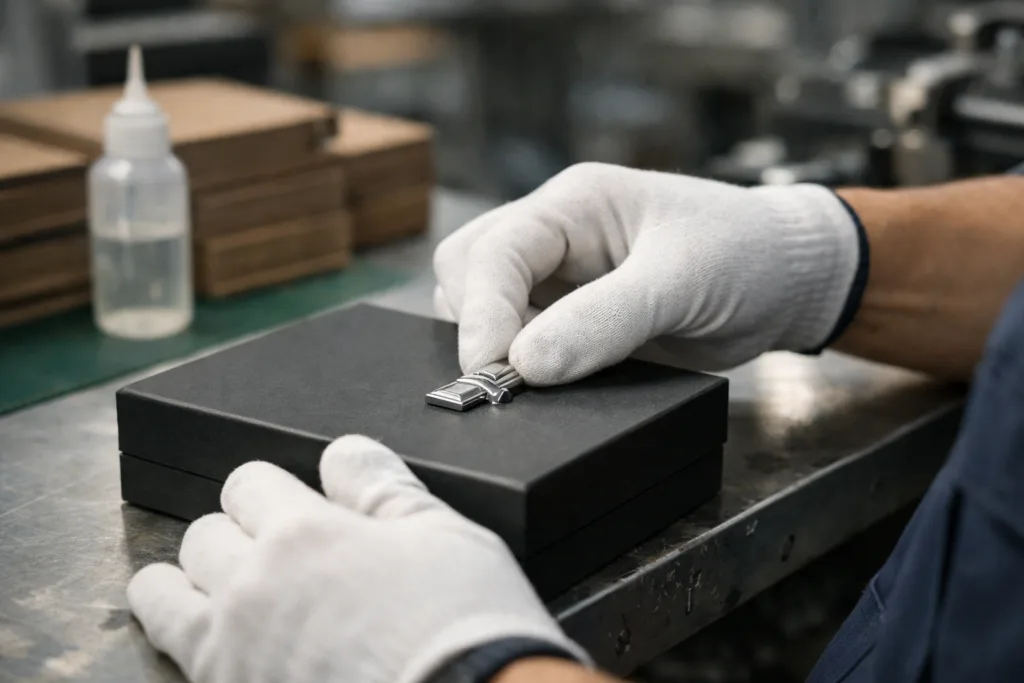
- Logo won’t stick? Clean substrate, use new adhesive, or combine mechanical/chemical methods.
- Part feels loose after install? Reinforce mounting area in the box, consider multi-post emblems, or check alignment jigs.
- Color fading? Upgrade to premium enamel/epoxy or select PVD over basic electroplate.
Timely collaboration between packaging development and emblem supplier resolves most challenges before launch, ensuring world-class results for every shipment.
Conclusion: The Art and Engineering of Zinc Alloy Branding
Metal emblems on paper packaging embody the meeting point of industrial know-how and creative aspiration. Every detail—from 2D/3D relief, line width, color technique, and mounting method to finish—demands expertise and rigorous standards. By partnering with experienced manufacturers and prioritizing quality throughout the design and production journey, your packaging becomes a lasting expression of brand heritage and intent. Forward-looking brands will continue to leverage zinc alloy logo plates not just as decoration, but as vital pieces of their identity and consumer experience.
Frequently Asked Questions
What is the minimum line width for a zinc alloy logo emblem?
It is recommended to maintain a minimum line width of 0.3mm for durable, clear details in both 2D and 3D zinc alloy emblems.
How are metal logo plates attached to paper boxes?
They are primarily attached using high-bond adhesives or mechanical methods like posts and rivets, based on the logo’s size and the box’s structure.
What color-filling options are available for zinc alloy emblems?
Popular choices include soft/hard enamel, epoxy domes for shine, and spray paint for wider color coverage or subtle gradients.
Which plating finishes are most durable for packaging badges?
PVD coatings and multi-stage high-polish or two-tone electroplating deliver the best blend of visual appeal and longevity for packaging applications.
Do heavy 3D emblems require special box reinforcement?
Yes—double-walled or reinforced lid panels are recommended for large or heavy logos to prevent box warping or breakage.
Can zinc alloy emblems be made from recycled materials?
Yes, eco-friendly options are available, but it’s important to ensure the recycled alloy meets relevant purity and safety standards.
Related Reading
- 27 Buyer Questions You Need To Ask Before Choosing Zinc Alloy Packaging
- Which Color Method Is Right For Your Metal Logo?
- How High-Polish Metal Finishes Add Real Luxury
- Metal Details That Transform Spirits Packaging Design
- Speed Up Sourcing: The Fast RFQ Template for Metal Parts
- Explore Green Alternatives For Branded Packaging Hardware