Introduction: The True Impact of Material Choice in Packaging Hardware
Choosing the right material for packaging hardware isn’t just a technical decision—it’s a statement of brand quality, longevity, and attention to detail. Today, the debate of Zinc Alloy vs Brass vs Stainless Steel for Packaging Hardware dominates both design studios and procurement tables. Whether you aim for outstanding aesthetics in luxury gift boxes, durability in spirit packaging, or tactile elegance for perfume closures, material selection forms the foundation. This guide is your complete, easy-to-understand comparison, mapping out costs, detail sharpness, weight, corrosion resistance, available finishes, and lead times to make your choice effortless and informed.
Material Snapshots: Zinc Alloy, Brass, and Stainless Steel Explained
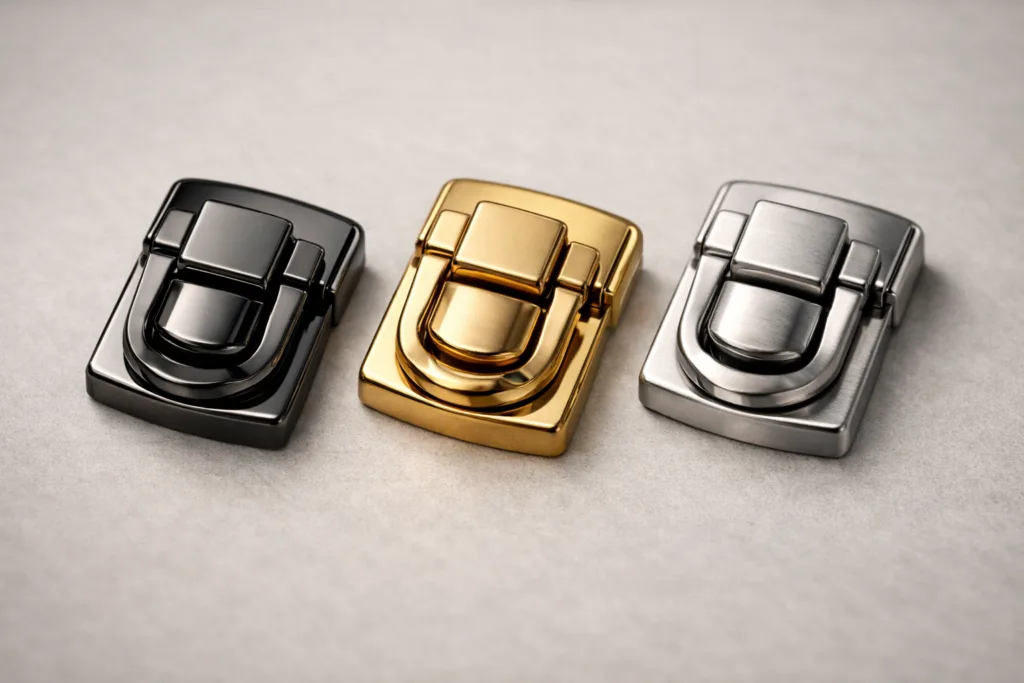
Understanding the core qualities of each material sets the stage for comparison. Zinc alloy (often Zamac) is prized for intricate casting, cost-efficiency, and finish versatility. Brass—a copper-zinc alloy—excels at crisp stamping, antique looks, and luxurious weight. Stainless steel is synonymous with industrial toughness and modern styling. Each brings unique advantages for packaging hardware.
Essential Properties at a Glance: Comparison Table
| Property | Zinc Alloy | Brass | Stainless Steel |
|---|---|---|---|
| Cost | Low-Moderate | High | Moderate-High |
| Detail Reproducibility | High—intricate, 3D | Excellent—crisp, sharp | Good—clean, modern |
| Weight | Mid (5–7.2 g/cm³) | Heavier (8.4 g/cm³) | Mid (7.8 g/cm³) |
| Corrosion Resistance | Moderate (needs plating) | Better (patinas possible) | Excellent (intrinsic) |
| Finishing Options | Endless—plating, color, effects | Brass, antique, gold, lacquer | Polished, brushed, colored coating |
| Lead Time | Shortest for die casting | Longest (handwork/stamping) | Varied (machining is slow) |
Zinc Alloy in Packaging Hardware: Strengths and Trade-Offs
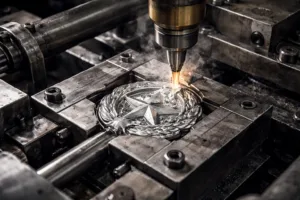
Zinc Alloy steel the spotlight for luxury closures, decorative bottle caps, and detailed emblems. Its die-casting capacity enables highly intricate shapes, precise logos, and custom 3D structures. Costs run lower because of efficient mass production. However, zinc alloy’s moderate corrosion resistance demands solid plating and regular quality checks to avoid pitting or color mismatch—detailed in this expert guide on plating defects.
Where Zinc Alloy Shines
- Complex forms and sculpted designs
- Affordable luxury (cost-effective for bespoke branding)
- Rich surface options—mirror, matte, enamel, antique, or brushed finishes
- Medium weight—feels substantial but not overly heavy
Quality Considerations
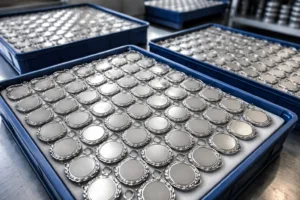
When producing for top-tier brands, only virgin Zamac 3/5 should be used for purity and consistency, as recycled content can introduce surface defects and porosity. Gairun’s engineering team always insists on strict batch segregation and full-spectrum plating check—referencing insights from their QC strategies on safeguarding zinc alloy color.
Brass in Packaging Hardware: When Detail is Paramount
For brands that prioritize tactile quality and artisanal finishes, brass hardware stands out. Its high copper content gives a natural, warm tone and enables extremely sharp stamped details—ideal for logos, crests, or fine linework on buttons and buckles.
Core Advantages of Brass
- Superior detail—crisp edges in stamping and engraving
- Heft and luxury feel
- Natural resistance to tarnish (with lacquer or anti-oxidation treatment)
- Enables “living finish” patinas—unique aging over time
Trade-Offs to Consider
Brass is substantially heavier (which consumers often equate with luxury) but brings higher materials cost and slower lead times, as much finishing is manual. Large runs benefit from automated polishing and high-quality molds; Gairun often uses CNC-engraved brass molds for exacting demands.
Stainless Steel in Packaging Hardware: The Modern Classic
Stainless steel hardware is known for its robust strength and unmatched corrosion resistance. Designers gravitate toward it for sleek, minimal closures or when the finished product needs to withstand harsh conditions (frequent handling, exposure to alcohol, or perfume oils).
Stainless Steel: Key Selling Points
- Maximum corrosion and tarnish resistance—no extra coating needed
- Modern look (polished, brushed, or colored PVD finishes)
- Good weight (not as heavy as brass)
- Hypoallergenic for direct skin contact items
Where It Has Limits
The biggest constraint is shape complexity. While stainless steel can be stamped or machined into simple forms, highly detailed or intricate 3D designs are better accomplished with die-cast zinc alloy. Lead times can also be longer due to harder-to-process raw material.
Detail Expression: How Material Affects Intricacy
Want delicate filigree or raised script? Zinc alloy, due to low melting point, faithfully casts the finest details. Brass strikes with razor-sharpness for stamped edges—for instance, the stamped brass sewing button line. Stainless delivers clean modern lines but can’t match zinc for organic, sculpted forms.
The Cost Factor: When Pricing Matters Most
Material pricing can drastically impact project feasibility for large-scale launches. Zinc alloy offers the best cost per piece, especially for complex forms. Brass costs more—sometimes 1.5X to 3X more—because of base metal value and hands-on finishing. Stainless sits in the middle but rises sharply for custom machining or non-standard alloys.
Weight in Hand: How Tactility Informs Perceived Value
Heft communicates value. Brass delivers a truly dense, prestigious feel. Zinc alloy feels rich but not tiringly heavy, making it perfect for bottle caps or bag hardware that needs substance without fatigue. Stainless is comfortable—less weight than brass, sturdier than lightweight alternatives like aluminum.
Corrosion Resistance: Surviving the Test of Time
For applications subjected to moisture or aggressive chemicals (perfume, spirits), stainless steel is king—no additional processing needed for long-term shine. Zinc requires robust plating and, for perfume, a lacquer topcoat. Brass can resist attack with the right lacquer, but copper migration may lead to greening over years in harsh use.
Available Finishing Options: Unlocking Aesthetic Potential
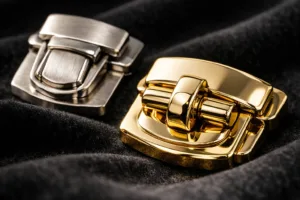
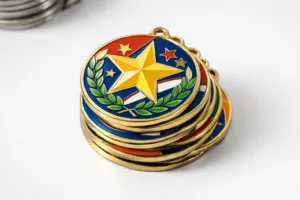
Zinc offers an almost unlimited range of finishes—chrome, gold, aged, colored lacquer, or even hand-filled enamel as detailed in this process walkthrough. Brass is more specialized: its natural beauty supports gold plating, antique, or verdigris effects. Stainless thrives with modern looks—matte, mirror, brushed, or PVD coatings (black, gold, or rainbow)—but traditional gold plating is less common.
Lead Times: Getting from Design to Delivery
If rapid turnaround is crucial, zinc die casting is unmatched—mold development and mass production can be completed in weeks. Brass, with its hand craftsmanship, stretches timelines, while stainless steel’s machining can extend timelines (unless only stampings are needed).
Surface Defect and Quality Issues: What to Watch For
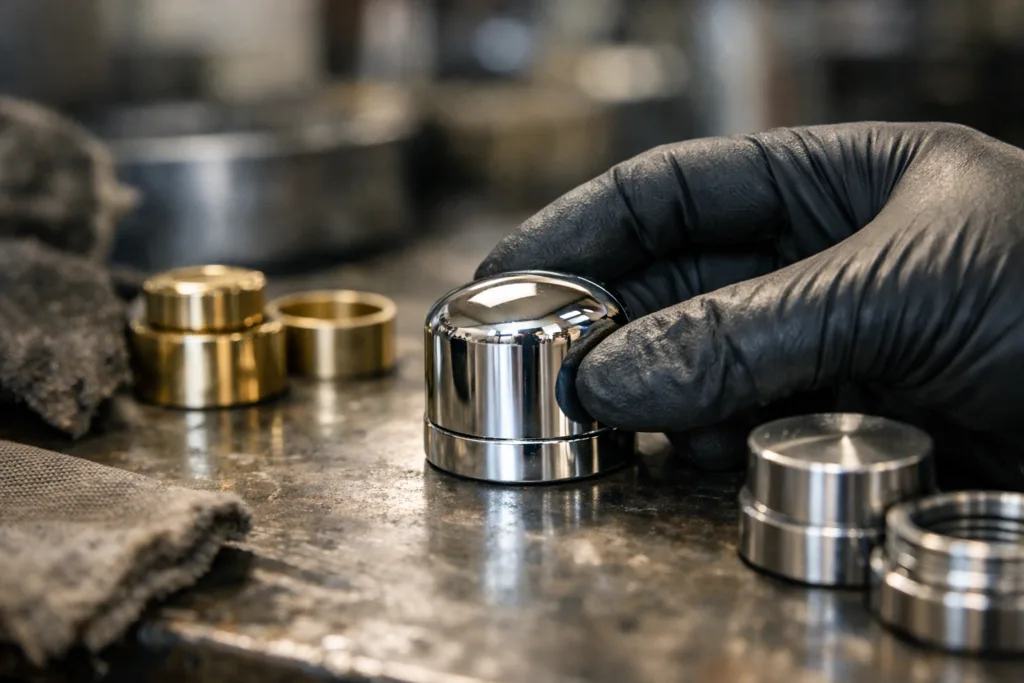
Zinc parts are prone to issues like porosity, plating peeling, and color mismatches. A vital resource covers QC for sharp edges and burrs in zinc alloy. Brass risks are in cold-shuts (seeing weld lines) and inconsistent patina. Stainless quality is usually about finish uniformity—scratches during final polish are hard to buff out.
Manufacturing Techniques and Their Effects on Design
Die casting (for zinc), stamping (brass, steel), and CNC machining each offer different expression. Complex, seamless forms signal zinc, while coin-like clarity belongs to brass, and laser-sharp modernity to steel.
Sustainability Considerations: Material Impacts
Brass and stainless steel are both highly recyclable; brass often includes recycled copper content. Zinc die casting can use recycled feedstock, but luxury brands (like those Gairun partners with) prefer virgin material for finish reliability—an important consideration for eco-conscious projects.
Regulatory Compliance: Lead/Nickel Restrictions and Global Standards
Consumers and regulators demand lead-free and nickel-safe components. Most luxury hardware, especially for perfume or direct skin contact (like a necklace clasp), uses certified materials only. Gairun strictly validates and certifies all alloy batches for RoHS, REACH, and CPSC conformity where applicable.
Best Fit by Application Scenario: Gift Boxes, Spirits, and Perfume Packaging
For Gift Boxes
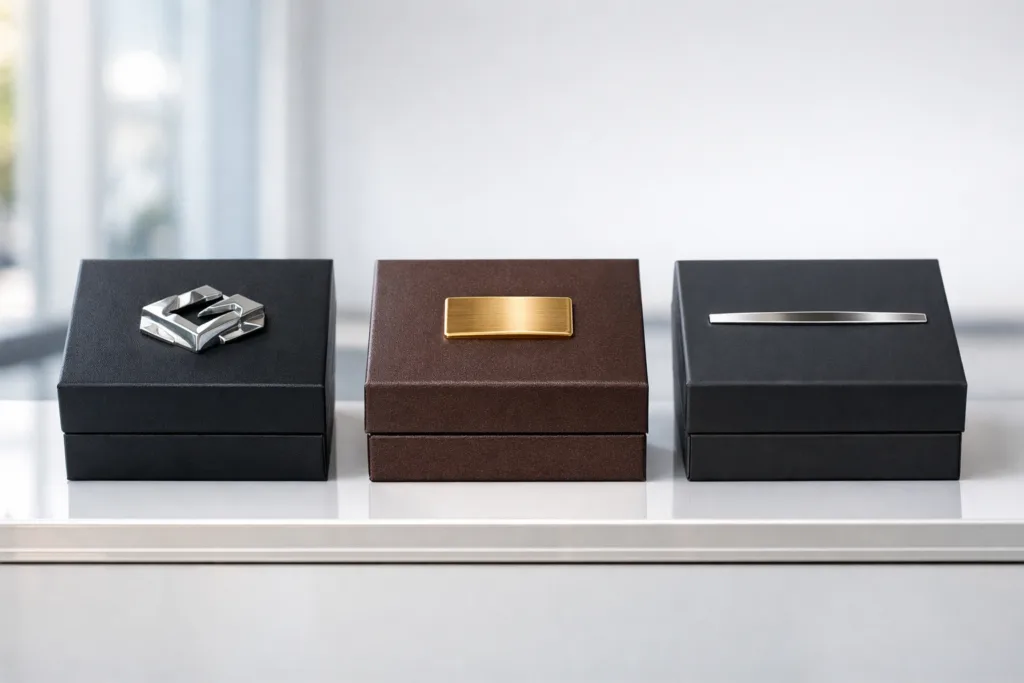
- Zinc alloy wins for custom logos, crests, and decorative corners due to cost and unlimited effects. See the box corner guide for design inspiration.
- Brass elevates premium flagship runs with authenticity and weight—think heirloom, keepsake editions.
- Steel is rare, but suitable for modern, minimalistic branding.
For Spirits Packaging
- Zinc alloy is mainstream—enabling shapes and finishes that catch the shelf edge and support magnetic closures. For problems specific to spirits, refer to zinc alloy bottle caps.
- Brass is the go-to for luxurious, vintage, or gold-toned cap accents.
- Stainless steel is favored for tamper-evident or functional locks.
For Perfume and Cosmetic Packaging
- Zinc alloy delivers intricate, customizable closures with jewelry-like detail (ideal for limited editions).
- Brass is used for small, hand-finished details, medallions, or accents.
- Stainless steel is chosen when chemical resistance must be absolute—or for minimal, modern branding elements.
Zinc Alloy vs Brass vs Stainless Steel for Packaging Hardware
Instead of a one-size-fits-all answer, here are recommendations based on scenario and priority matrix:
- For highest detail and affordable wow-factor: Zinc Alloy.
- For luxurious heft, timeless elegance: Brass.
- For ultimate durability and modern design: Stainless Steel.
Still uncertain? Start with feasibility samples. Demand full plating tests, salt spray reports, and visual mockups. This is especially true for custom zinc alloy projects, as highlighted in this master guide to zinc alloy sample approval.
Real-World Industry Insights: When Only Perfect is Good Enough
The difference between ordinary and extraordinary often lies in material and finish. Luxury packaging brands rely on high-precision molds, strict alloy selection, and jewelry-grade finishing to elevate their products. Small shortcuts in zinc die casting may save pennies, but surface imperfections revealed after plating can disqualify an entire batch. As practiced by Gairun, all hardware undergoes not just dimensional inspection but salt spray, adhesion, and plating color retention testing. Only components passing all parameters progress to final assembly, ensuring that only hardware matching the designer’s vision reaches stores.
Summary Matrix: Which Material is Best for You?
| Criterion | Zinc Alloy | Brass | Stainless Steel |
|---|---|---|---|
| Cost Effectiveness | ⭐⭐⭐⭐ | ⭐⭐ | ⭐⭐⭐ |
| Detail Reproduction | ⭐⭐⭐⭐⭐ | ⭐⭐⭐⭐ | ⭐⭐⭐ |
| Luxury Perception | ⭐⭐⭐ | ⭐⭐⭐⭐⭐ | ⭐⭐⭐ |
| Corrosion Resistance | ⭐⭐⭐ | ⭐⭐⭐⭐ | ⭐⭐⭐⭐⭐ |
| Customization / Effects | ⭐⭐⭐⭐⭐ | ⭐⭐⭐ | ⭐⭐ |
| Lead Time | Fastest | Slowest | Variable |
Conclusion: Making Your Material Decision with Confidence
Every project, from finely adorned perfume caps to durable spirit closures, deserves a material perfectly matched to its goals. Zinc Alloy vs Brass vs Stainless Steel for Packaging Hardware is more than a chemistry quiz—it’s an exercise in aligning tactile expectations, visual drama, and cost with your brand’s vision. By prioritizing detail, finish, and functional requirements, you’ll deliver packaging hardware that exceeds every customer’s expectations—and stands the test of time, both on the shelf and in the hand.
Frequently Asked Questions
Which material offers the best value for high-detail, decorative hardware?
Zinc alloy is unbeatable for combining intricate design capacity with cost-efficient production, making it ideal for detailed, branded packaging hardware.
Is brass worth the extra cost for packaging parts?
Yes, if your brand needs maximum tactile luxury, durability, and a classic, high-value appearance, brass lifts your hardware above the ordinary.
Which material resists corrosion best in humid or chemical environments?
Stainless steel leads for uncompromised corrosion resistance—no special coatings required—making it ideal for environments exposed to moisture or alcohol.
How do I ensure plating quality on zinc alloy parts?
Partner with suppliers that perform surface preparation, rack plating, regular cross-section checks, and comprehensive salt spray testing for consistent results.
What material is best for very short lead times?
Zinc alloy die casting delivers the fastest path from design to delivery, thanks to rapid mold making and high-volume production potential.
Can I mix materials in a single packaging assembly?
Yes, many luxury brands blend zinc for structure with brass for accents or stainless steel for durability, but ensure consistent finishing to maintain visual unity.