Introduction to Perpetual Plaques
Perpetual plaques hold a special place in organizations and communities who wish to honor ongoing achievements, milestones, or service. Whether celebrating Employee of the Month, outstanding leadership, or years of dedicated service, these plaques serve as a dynamic and enduring record. In this guide, we focus on perpetual plaques: how to update names effectively and elegantly, ensuring your recognition remains meaningful and visually compelling year after year.
What Are Perpetual Plaques?
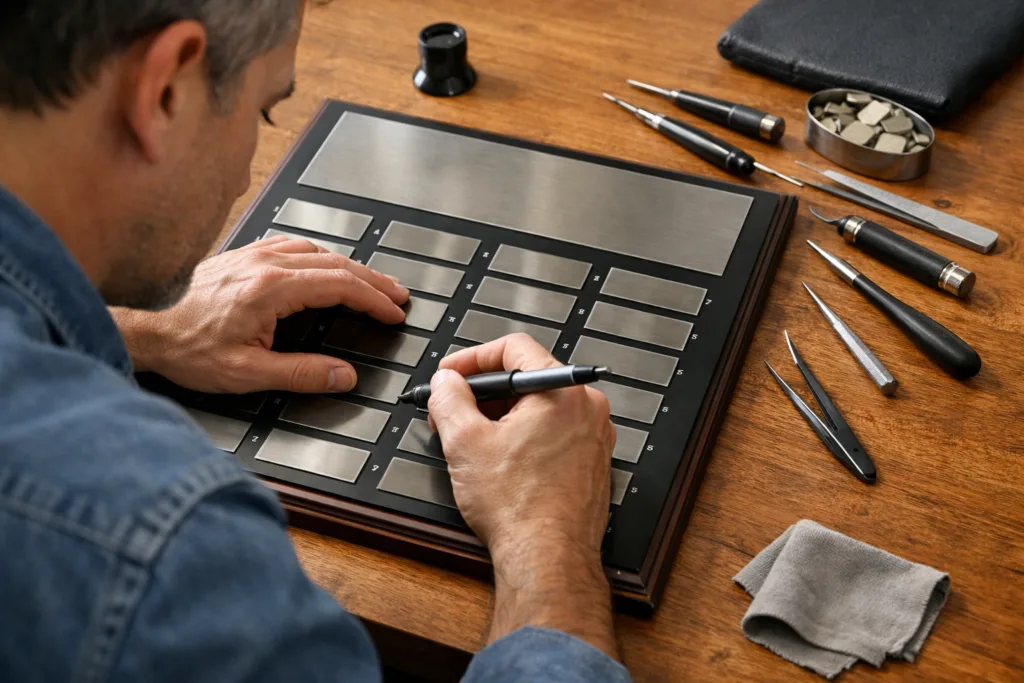
Perpetual plaques are designed to display a growing list of honored individuals or accomplishments. Unlike single-entry awards, these plaques include multiple spaces or plates for periodic updates—making them a popular choice in schools, workplaces, athletic clubs, and professional organizations. Their expandable, updatable format ensures that the story of achievement keeps growing over time.
Common Materials Used for Perpetual Plaques
The durability and appearance of your perpetual plaque largely depend on material choice. Most commonly, you’ll find:
- Metal Plaques: Brass, aluminum, or stainless steel, offering a crisp, premium surface perfect for engraving. For example, etched metal plaques are valued for their clarity and longevity.
- Wood Plaques: Mahogany, walnut, or cherry, providing warmth and a traditional feel. Often, metal nameplates are attached to the wood base.
- Acrylic/Glass Plaques: Elegant and modern, but less common due to challenges with frequent updates.
How Names Are Displayed on Perpetual Plaques
Updating and displaying names is both an art and a technical process. Typically, each new honoree’s name is engraved, laser-etched, or printed onto a small metal plate, which is then affixed onto the main plaque. Consistency in font, size, and alignment is crucial to keep the design neat and legible.
Methods for Updating Names on Perpetual Plaques
There are several tried-and-true methods to add new names to your plaque, including:
- Swappable Name Plates: Small, pre-cut metal or plastic plates that can be engraved and replaced as needed.
- Integrated Laser Engraving: Direct updates on the plaque using on-site or remote laser engraving services.
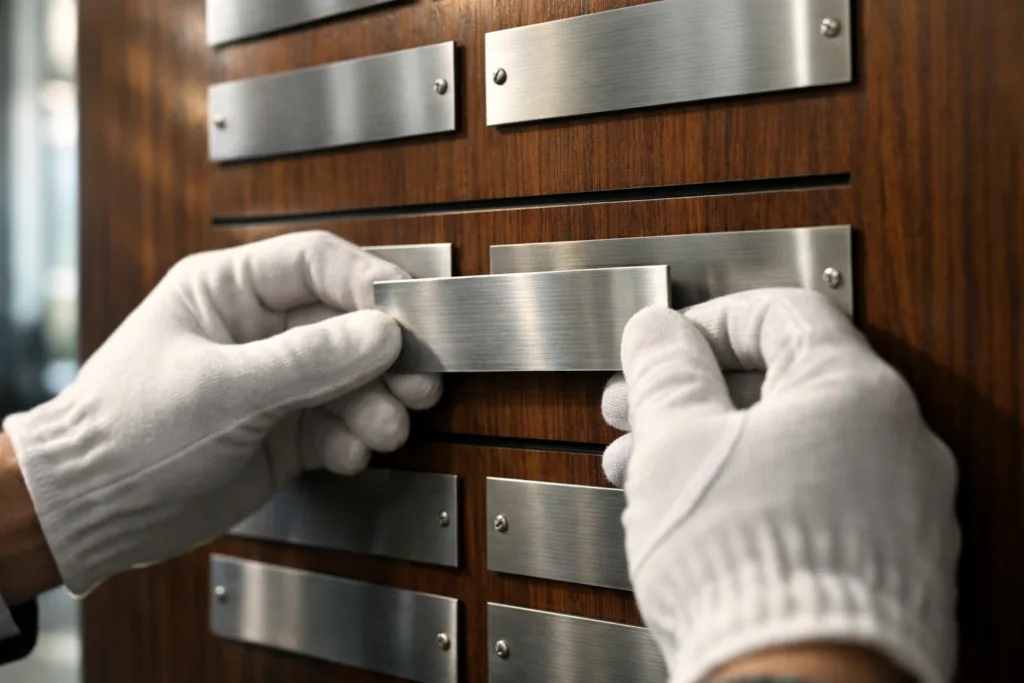
- Screw-On or Slide-In Plates: Plates designed for simple removal and replacement without damaging the base material.
Perpetual Plaques: How to Update Names
Updating names on a perpetual plaque requires both care and practical know-how. Here’s a simple step-by-step process:
- Remove the existing placeholder plate, if any.
- Engrave the new name (through a local engraver or a manufacturer).
- Clean the area to ensure no dust or residue remains.
- Attach the updated nameplate securely, double-checking alignment.
- Review for spelling accuracy and visual harmony.
Technologies Used in Name Updates
Advancements in engraving and manufacturing have made updating plaques easier than ever. Some organizations leverage portable laser engravers for immediate onsite updates. Others opt for traditional hand engraving or modern digital printing for enhanced flexibility. When high detail or complex designs are needed, technologies like CNC engraving or chemical etching (especially on metals like brass or aluminum) provide excellent results.
Metal vs. Wood: Aesthetic and Maintenance Considerations
Both metal and wood have their merits. Metal offers a contemporary, high-precision look that’s resistant to daily wear, while wooden plaques lend a sense of history and warmth. Each material also has different care requirements:
- Metal: Wipe gently with a microfiber cloth to prevent streaks or tarnish. Avoid harsh chemicals.
- Wood: Dust with a soft cloth, and occasionally polish with suitable wood care products to keep the surface rich and vibrant.
Choosing Nameplate Materials: Best Practices
The nameplate should complement the backboard in both color and finish. Brass or nickel plates are favored for their durability and ease of re-engraving. Choose nameplates with sufficient thickness to avoid bending, especially in high-traffic environments. Premium manufacturers like Gairun use jewelry-grade finishing and precise CNC engraving to ensure nameplates are both beautiful and resistant to daily handling.
Ensuring Name Legibility Over Time
Name clarity is non-negotiable for perpetual plaques. Select font styles that are crisp and easy to read, such as serif or sans-serif choices. Stick with dark text on light backgrounds, or vice versa, to enhance contrast. For extra durability and lasting legibility, consider surface treatments like PVD coating or enamel infill, which resist fading from UV exposure and regular cleaning.
Font Choices and Text Layout: Practical Insights
The best perpetual plaques use a consistent typestyle and size for all inductees. If future updates may require smaller text as the plaque fills up, plan ahead by setting minimum font size guidelines. Align names left, right, or center based on the overall design—but keep the approach uniform across all plates for a seamless appearance.
Synchronization of Colors and Finishes
Harmony between plaque materials, color tones, and finishes elevates the display. For instance, pairing a deep mahogany base with brushed gold nameplates creates a sense of timeless prestige. Those seeking a modern look might use black anodized aluminum with silver-engraved plates. Manufacturers often use rack plating for uniform finishes, especially in luxury or high-visibility settings.
How to Replace Damaged or Worn Nameplates
Occasional damage is inevitable. If a nameplate becomes scratched or discolored, removing and replacing it is usually straightforward with modular plaque designs. If the plaque surface is damaged, consult a professional restorer—especially if rare wood or specialized metals are involved.
Maintaining the Integrity of the Plaque
Use only non-abrasive cleaners and soft cloths to prolong the life of both woods and metals. Periodically check for loose screws or adhesives on removable plates. If the plaque is mounted in a sunlit area, rotate it occasionally or use UV-resistant coatings to reduce fading and discoloration.
Planning for Future Updates
Good perpetual plaques anticipate years of growth. Design with extra slots or rows for forthcoming honorees, and keep additional nameplates or hardware in reserve. When custom designing, ask your manufacturer to ensure that replacement nameplates match the original style and finish precisely, safeguarding the plaque’s consistency in the long run.
The Role of Clean Layout in Honoring Achievements
An organized, uncluttered design signals genuine respect for each honoree. Avoid overcrowding names or squeezing in extra plates. Set logical groupings or date ranges, use subtle separator lines for clarity, and keep spacing generous. This not only maintains aesthetics but ensures each accomplishment stands out distinctly.
Comparing Manual Versus Digital Update Methods
| Feature | Manual Name Update | Digital/Remote Update |
|---|---|---|
| Convenience | On-site work, may need expert | Remote input, fast turn-around |
| Customization | Highly flexible finishes | Limited by digital tech |
| Cost | Potentially higher for unique engravings | Lower ongoing costs |
| Accuracy | Human error possible | Computer-precise updates |
| Durability | Varies by material/engraver | Usually strong, but depends on base plaque |
Honoring Achievements While Modernizing Displays
Recognition must stay relevant. Update not only names, but titles or award categories periodically to reflect organizational change. For more modern contexts, consider pairing physical perpetual plaques with digital displays or online recognition boards to make achievements accessible to broader audiences.
The Importance of Precision and Quality Standards
Quality matters most when the plaque is intended to last decades. Gairun, for example, emphasizes strict material selection—like using virgin Zamac or lead-free brass—and precision CNC mold technology to achieve flawless detail and long-lasting finishes. Such standards ensure plaques maintain their original brilliance even after many updates.
Customization Options for Enhanced Presentation
Personalized touches help your perpetual plaque match brand or venue decor. Options include custom plate shapes, corporate logos, unique text layouts, or even dual plating for extra contrast. Multi-stage hand polishing and enamel fills can further elevate the finished look, transforming a standard plaque into a genuine centerpiece.
Assessing Plaque Placement and Visibility
Install perpetual plaques in well-lit, high-traffic spaces to maximize their meaning and impact. Secure wall mounting reduces accidental bumps and keeps the display straight. Aim for eye-level installation, and ensure plenty of space around the plaque for comfortable viewing and future expansions.
Care Fundamentals for Long-Lasting Perpetual Plaques
Routine care is straightforward but essential. Dust regularly, avoid contact with keys or sharp objects, and gently tighten any loose screws or fixtures. For metal plaques, consider annual polishing with non-acidic agents; for wood, opt for occasional waxing to protect against air humidity and small scratches.
Tips for Error Prevention During Updates
Mistakes in engraving are difficult and expensive to correct. Always double-check name spelling, dates, and any included titles before production. When ordering multiple nameplates, preview a digital proof if possible to catch layout issues early. Adequate planning saves time, resources, and maintains your organization’s reputation for quality recognition.
Celebrating Legacy and Inspiring Future Excellence

Perpetual plaques do more than track history—they inspire the next generation of achievers. Each added name is a living testament to dedication and impact, reinforcing the value of contribution within your organization. By updating names thoughtfully and maintaining a high-quality display, you honor both the past and the promise of future achievements.
Conclusion: Make Each Update a Moment of Recognition
Properly maintaining and updating a perpetual plaque requires both attention to detail and a commitment to honoring excellence. With the right materials, careful planning, and best practices, your perpetual plaque can remain a beacon of pride for decades, motivating continued achievement and commemorating milestones in a way that’s as dignified as it is enduring.
Frequently Asked Questions
How often should names be updated on perpetual plaques?
The update frequency depends on your award program, but most organizations update names monthly, quarterly, or annually to keep recognition timely and relevant.
What is the best method for engraving new names?
Laser engraving or deep-chemical etching provides the best clarity, durability, and consistency, especially for small metal nameplates.
Can a perpetual plaque be customized for different awards?
Yes, many perpetual plaques can be tailored with distinct plate shapes, sizes, or finishes to match various categories, departments, or themes.
What should I do if a name is misspelled on the plaque?
If a mistake is found, order a corrected nameplate from your supplier and replace it. Most plates are modular for quick fixes without damaging the main plaque.
How do I decide between wood and metal perpetual plaques?
Choose wood for warmth and classic appeal, or metal for a modern, durable look. Consider your setting and the volume of changes anticipated.
Are there eco-friendly options for perpetual plaques?
Yes, some manufacturers offer plaques made from FSC-certified wood or recycled metals. These sustainable choices maintain style while reducing environmental impact.
Related Reading
- 9 Ways Etched Metal Plaques Inspire Excellence in Your Workplace
- The Surprising Benefits of Designing Bespoke Trophies for Corporate Events
- Why Custom Metal Trophies Outlast Generic Awards—7 Proven Reasons
- Elevate Employee Loyalty: 8 Powerful Ways Corporate Challenge Coins Make a Difference
- 11 Reasons Eco-Friendly Medals Are Essential for Sustainable Events