Introduction: Why Zinc Alloy Hinges for Premium Boxes Matter
When it comes to luxury packaging, every detail counts. Zinc alloy hinges for premium boxes: durability & fit tolerances have become the cornerstone for brands demanding flawless performance and a refined unboxing experience. With growing expectations for longevity and perfect fit, selecting the right hinge isn’t merely about style—it’s about engineering peace of mind for your customers.
Understanding Zinc Alloy Hinges
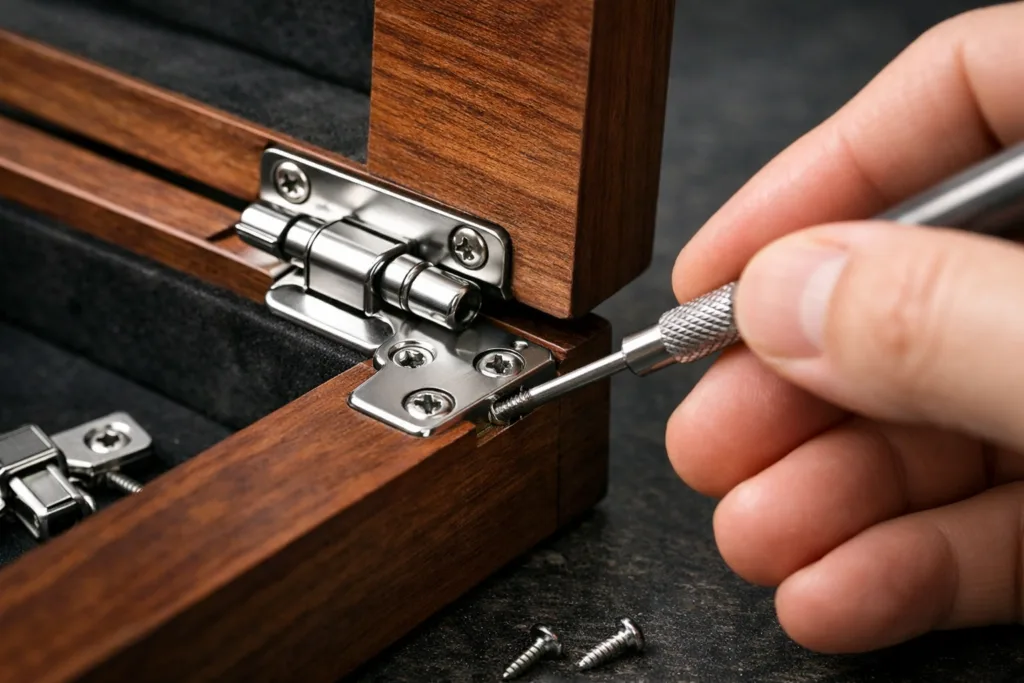
Zinc alloy hinges combine versatility and strength, offering a blend of corrosion resistance, design flexibility, and consistent performance. Their ability to endure frequent opening and closing sets them apart for premium packaging, where durability can’t be compromised.
Material Properties of Zinc Alloy Hinges
Zinc alloys such as Zamak deliver impressive strength and toughness, yet can be finely die-cast for aesthetic perfection. They’re valued for their balance of density, machinability, and surface finish quality, crucial traits for premium packaging hardware.
Durability: How Many Open-Close Cycles Is Enough?
In premium boxes, hinges should withstand thousands of cycles without loosening or failing. Most zinc alloy hinges are rated for at least 10,000 cycles when manufactured and installed correctly. Cycle count depends on alloy purity, hinge design, and lubrication.
The Truth About Loosening Risks Over Time
Repeated use may eventually loosen low-quality hinges. However, precision forging, correct fastener torque, and added locating pins can maintain fit for years. Routine stress testing is vital for assuring tight tolerances and reliable movement.
Fit Tolerances: Why Microns Matter
Fit tolerance defines how closely hinge parts align, determining both smooth operation and tight closure. Leading manufacturers engineer tolerances as fine as ±0.10 mm for critical pivot points, preventing wobble and misalignment over the box’s lifespan.
Locating Holes, Alignment, and Precision Assembly
Accurately drilled locating holes simplify hinge installation and positioning. Perfect registration means better fit, less stress on the box, and a more satisfying tactile feel. Careful jig setup during assembly minimizes cumulative error.
Surface Finish: Where Friction, Wear, and Looks Intersect
Premium packaging demands a hinge that feels as good as it looks. Surface wear often begins at friction points; look for hinges with hard-plated finishes (nickel, gold, PVD) and perfectly buffed leaves. A flawless finish resists scratches and enhances tactile luxury.
Common Surface Wear Points in Hinges
Pivots, knuckles, and mounting tab edges typically show wear first. For luxury boxes, micro-wear at these spots can undermine the unboxing experience—regular checks and proper material selection limit visible degradation.
Manufacturing Precision: Mold Quality and Alloys Define Longevity
The integrity of your box hinges starts in the tool shop. High-tolerance CNC mold engraving enables crisp details and repeatable dimensions. Using virgin Zamac 3 ensures smooth die fill, zero porosity, and superior plating adhesion for a jewelry-grade surface finish.
The Role of Multi-Stage QC Testing
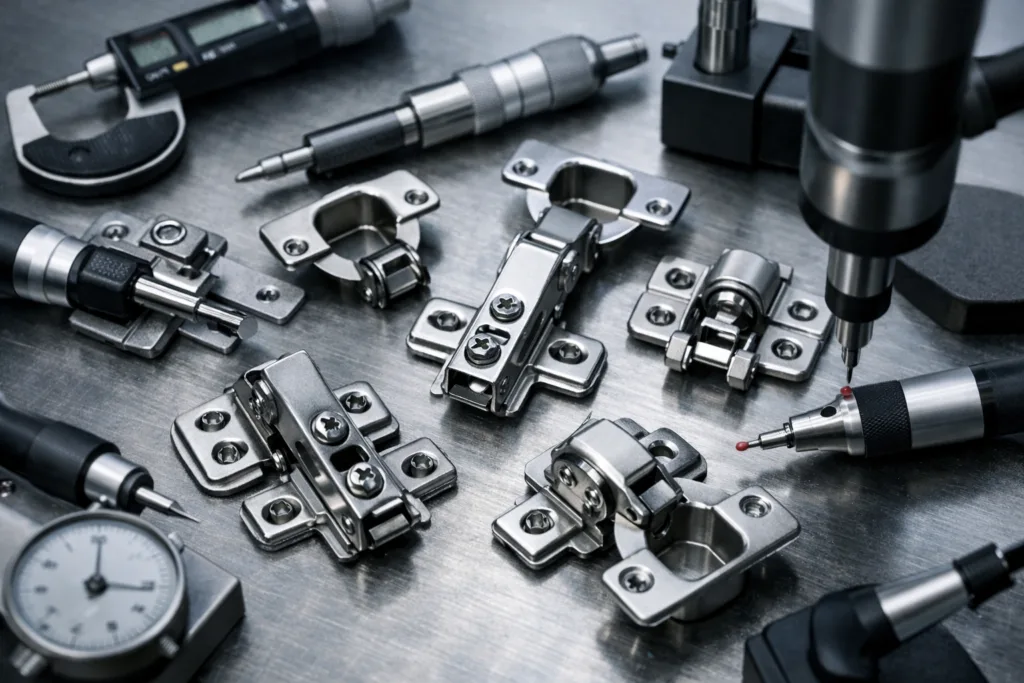
Rigorous quality control, including cycle life tests and pull-force measurement, identifies weaknesses before hinges reach your production line. Salt-spray and abrasion tests further validate corrosion resistance and durability, echoing strict industry benchmarks.
Assembly Test Checklist for Zinc Alloy Hinges
- Confirm locating pin and hole alignment
- Verify fastener torque (not over/under tightened)
- Test for lateral play/wobble
- Check tension and smoothness throughout full range of motion
- Cycle hinge 30+ times for settling
- Assess fit after stress tests (loosening, deformation, alignment)
- Surface inspection for any plating flake or abrasion in wear zones
Engineering for High-Cycle Box Life
In high-end packaging, the opening and closing experience must remain perfect for years. This requires a blend of engineering strategies—using proper alloys, precise mold geometry, thoughtful hinge design, and high-performance surface coatings. Partnering with suppliers who perform statistical sampling and destructive life testing gives confidence in every shipment.
Locating Pins and Holes: What Makes Them Essential?
Locating pins paired with tight-fit holes guarantee repeatable hinge positioning, making mass assembly not just efficient but highly accurate. This engineering detail also prevents cumulative shift during use—a critical factor for boxes expected to look pristine for years.
Play and Wobble: How Tolerances Impact User Experience
Excess play or wobble in a hinge isn’t just a nuisance—it signals a loss of engineering control. Premium brands demand operations that stay snug, never feeling loose, from first use to the thousandth opening. Tolerance stacking in hinge pins, barrels, and mountings must be tightly managed during both manufacturing and assembly.
Comparing Zinc Alloy vs. Brass & Steel Hinges
| Property | Zinc Alloy | Brass | Steel |
|---|---|---|---|
| Corrosion Resistance | Excellent | Good | Varies |
| Machinability | High | High | Moderate |
| Surface Finish | Smooth | Good | Industrial |
| Cost Efficiency | Best | Moderate | Best for bulk |
| Design Flexibility | High (thin walls, details) | Good | Limited |
Tightening Methods: Screws, Rivets, Epoxy—Which and When?
Each assembly method has its fit and reliability trade-offs. Screws offer adjustability, rivets provide permanent placement with zero-backlash, and epoxies can create a hidden joint—but require perfect fixturing. For high-tolerance premium boxes, screws with locating pins are a proven balance of serviceability and consistency.
Advanced Surface Treatments for Premium Hinges
Look for multi-stage finishing: hand-buffing, rack plating (for uniform metal coverage), and optional PVD for extreme wear resistance—each step reducing micro-scratches and extending visual appeal.
The Case for Jewelry-Grade Finishing in Premium Packaging
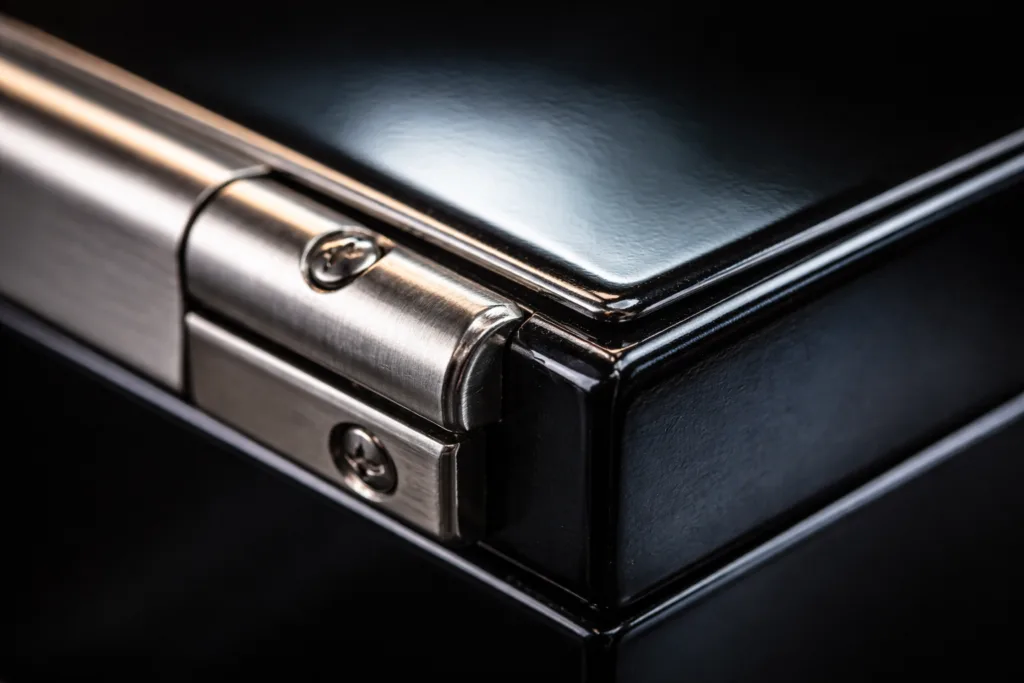
In high-luxury segments, any micro-imperfection stands out. Jewelry-grade finishing means mirror-smooth hinges that catch light softly, resist fingerprinting, and complement velvet or gloss packaging interiors. Only rigorous hand-polishing and careful plating make this possible.
Protecting Surface Finish During and After Installation
Protective wraps and touchless mounting jigs are recommended for installation. After assembly, every contact point should be checked for burrs or sharp edges to prevent snags or premature wear.
Minimizing Box Hinge Loosening: Strategies and Reality
Choose engineering tolerances that account for both temperature and humidity shifts. Test hinges on actual box substrates during pilot production, as fit and hold performance can vary slightly across batches of wood, MDF, or composite materials used in premium packaging.
When to Conduct Real-World Fit and Cycle Testing?
Always test production hinges within actual box assemblies—not just as standalone parts. Real-world cycle testing (up to 500 cycles) and drop tests reveal practical weaknesses otherwise missed in lab-only QC.
Precision Mold Engineering: Ensuring Consistent Results
The sharpest hinge details come from precision CNC molds. This isn’t optional in luxury packaging; even half-millimeter mold drift can result in unsightly gaps or ill-fitting leaves. High-end manufacturers like Gairun rely on advanced mold tool calibration and detailed plaque benchmarking for repeatable results.
Surface Plating and Anti-Corrosion Performance
Humidity and handling will test any metal finish. Only multi-layer plating (such as nickel-chrome or PVD) truly protects zinc alloy hinges from corrosion, dulling, or unsightly spots—ensuring a pristine look throughout the product lifecycle.
Optimizing Design with CAD: Preempting Fit Issues
Detailed 3D design—including tolerance stack-up simulations—can reveal jam points or misalignments before costly tooling begins. Collaborate early with your hardware supplier’s design team to avoid later stage regrets.
QC and Durability Testing: How Top Factories Ensure Quality
Premium suppliers follow robust quality protocols: torque, tension, and salt-spray testing, plus assembly-level fit verification. Gairun, for example, rejects small batches showing even minor play, prioritizing customer reputation over salvageable yield.
Debunking Myths: Are All Zinc Alloy Hinges Created Equal?
Not all zinc alloys are identical. Top-tier manufacturers use only certified, lead-free compositions and invest in advanced polishing and precise die-casting. Beware of recycled alloys and poor plating that can cause premature failure and surface wear over time.
Zinc Alloy Hinges for Premium Boxes: Durability & Fit Tolerances
When sourcing zinc alloy hinges for premium boxes, focus on three main factors: alloy purity, surface finish quality, and tested assembly fit. Top-tier hinges offer durability proven by high-cycle testing and tight mechanical tolerances, making them ideal for packaging that communicates exclusivity and attention to detail. For additional hardware options, this guide to zinc alloy hardware explores complementary solutions for luxury gift boxes.
Sample Assembly Test Checklist: Quick Reference
- Align hinge with all locating pins and pilot holes
- Secure with proper fastener torque; re-tighten after initial cycles
- Cycle hinge 30+ times, watching for smooth motion and steady friction
- Check for any play or audible noise
- Assess finish quality under good light post-install
- Record and communicate any issues for root cause analysis
Conclusion: Achieving Reliability in the Details
Reliable zinc alloy hinges for premium boxes: durability & fit tolerances aren’t achieved by chance—they require a blend of engineering precision, rigorous quality assurance, and carefully chosen finishing techniques. When even the smallest hinge feels substantial and flawless after thousands of openings, you know your box hardware matches the brand prestige inside.
Frequently Asked Questions
How many open-close cycles should a premium box hinge survive?
A well-made zinc alloy hinge should withstand at least 10,000 cycles without noticeable loosening if manufactured and assembled to specification.
What causes zinc alloy hinges to loosen prematurely?
Poor assembly, oversized fastener holes, or low alloy purity can cause early loosening. Precision fit and periodic QC checks are essential to minimize this risk.
How can surface wear on hinges be minimized?
Choose hinges with hard, multi-layer plating and smooth buffed surfaces. Proper installation and avoiding abrasive cleaning materials will also help maintain finish.
Why are locating holes important for hinge fit?
They ensure repeatable, precise alignment during assembly—preventing cumulative misalignment and unnecessary stress, which can affect box closing and durability.
What’s the benefit of jewelry-grade finishing for hinges?
Jewelry-grade finishing provides a mirror-like, tactile surface that elevates both appearance and touch, reducing visible wear and reinforcing luxury impressions.
What makes zinc alloy better than brass or steel for premium box hinges?
Zinc alloy offers superior design flexibility, a smoother finish, and outstanding corrosion resistance—when engineered precisely, it’s ideal for high-end packing needs.
Related Reading
- Expert Guide: Choosing and Installing Zinc Alloy Box Corners for Flawless Packaging
- The Ultimate Reference for Selecting Zinc Alloy Hardware Parts for Gift Boxes
- Premium Buyer Insights for Zinc Alloy Packaging Accessories
- Complete Brand Guide: Zinc Alloy Parts for Perfume and Cosmetic Packaging
- Streamlining Quotes: The Smart RFQ Template for Zinc Alloy Parts