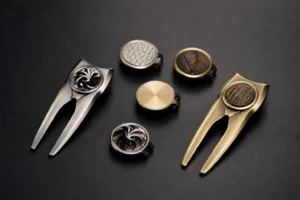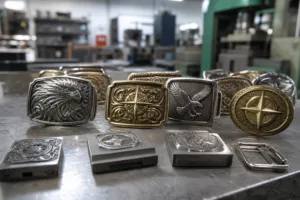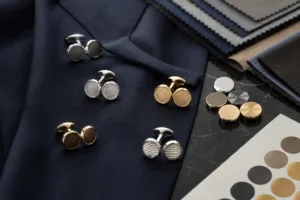
For tournament organizers, club managers, and golf merchandise buyers, golf divot tools and ball markers are small accessories that carry more value than their size suggests. They affect course care, player convenience, event branding, and the perceived quality of a swag bag. When these items are made well, they feel substantial in the hand, hold up through repeated play, and represent the event in a more polished way. From our metal manufacturing perspective, the best results come when buyers evaluate these products not only as giveaways, but as functional custom metal accessories that need the right material, structure, finish, and packaging plan.
If your event needs practical branded accessories rather than generic promotional pieces, custom metal craft manufacturing support can help you compare product structures, logo methods, plating choices, and presentation details before production starts. For tournament programs, that usually means matching the divot tool style to player use, choosing ball marker construction that keeps logo details clear, confirming sample approval before bulk production, and planning packaging that fits player registration kits, sponsor packs, or VIP gift sets.
What golf divot tools and ball markers are and why tournaments use them
A divot tool, more precisely a ball mark repair tool in many tournament contexts, is used to repair impact marks on the green. A ball marker is used to mark the position of a golf ball on the putting surface when the ball needs to be lifted. Both are standard, useful accessories in organized play, and both are highly suitable for custom branding.
Tournaments use them for three practical reasons. First, they support play. Players need a marker, and many appreciate having a repair tool readily available. Second, they support course presentation. Encouraging participants to repair marks helps preserve smoother putting conditions throughout the event. Third, they create a useful branded item that players are more likely to keep than disposable paper or low-value plastic merchandise.
In many buyer discussions, we find these products sit between souvenir and equipment. That is exactly why design decisions matter: they must look good enough for brand visibility and work well enough to be carried onto the course.
Why high-quality accessories matter for course care and player experience
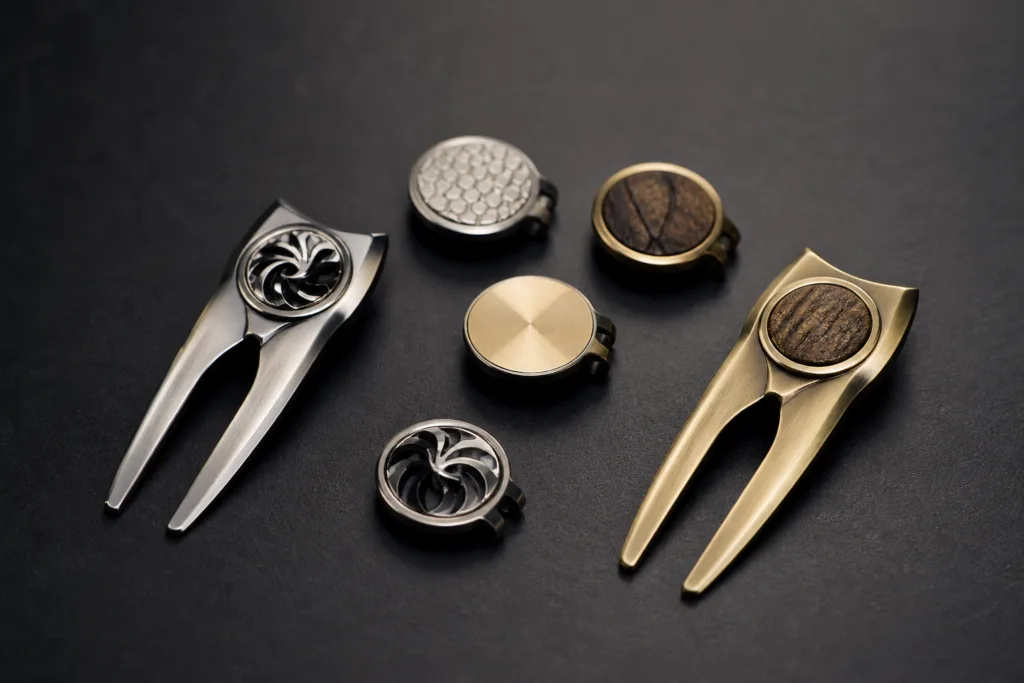
Low-quality golf accessories often fail in predictable ways. Thin tools bend. Sharp unfinished edges feel uncomfortable. Weak magnetic fittings loosen. Plating wears too quickly. Logos lose definition. In a tournament setting, these issues reduce the perceived professionalism of the event.
Higher-quality metal accessories improve the user experience in small but noticeable ways. Better weight makes the item feel intentional. Cleaner edges make the tool more comfortable to hold. A stable hinge on a foldable tool improves reliability. A crisp enamel or die-struck logo gives sponsors and organizers better presentation value. Better packaging also helps the item feel like part of the event identity rather than an afterthought.
There is also a practical course-care angle. Organizers often include repair tools because proper use supports better putting surfaces. The USGA provides clear guidance on ball mark repair technique, which reinforces why functional tools belong in tournament player packs rather than being treated as decorative extras.
Common types of golf divot tools
Simple fixed pitch tools
These are straightforward two-prong tools with a compact body. They are often economical, slim, and easy to package. For large charity events or wide participant distribution, this style is often attractive because the structure is simple and production is efficient. Buyers should still check thickness, edge finishing, and plating quality, because very thin fixed tools can feel cheap or bend more easily.
Foldable tools
Foldable styles are popular for tournaments that want a more premium accessory. The working prongs fold into the body, improving pocket safety and giving the item a more engineered feel. These tools often suit sponsor gifts, member tournaments, and executive events. The key manufacturing concern is hinge consistency. The tool should open smoothly, lock into position securely if designed that way, and close without looseness.
Magnetic tools with removable markers
This style combines two functions in one product. The body includes a magnet or magnetic fitting that holds a detachable ball marker. For tournament gifting, this is one of the most commercially effective formats because it increases utility without making the product complicated for the player. The important points are magnet strength, marker fit, and whether the body and marker surfaces both allow clear branding.
Custom branded styles
Some events want more than a standard silhouette. Custom shapes, shield-style handles, integrated bottle opener features, or commemorative forms can work well if the product still remains practical to carry and use. In our production work, custom shapes usually require closer review of mold layout, edge quality, and how the logo and functional tool area interact. A creative shape should not compromise grip or prong strength.
Ball marker options for tournaments
Coin-style markers
Coin-style markers are a natural fit for golf because they are familiar, compact, and easy to brand. They can be die-cast, die-struck, or stamped depending on thickness, relief, and detail goals. Many buyers choose this style for its collectible feel.
Magnetic markers
These are usually designed to pair with a divot tool, hat clip, or holder. The advantage is convenience. The buyer should confirm the marker diameter, thickness, and magnetic retention strength so it stays secure during movement.
Enamel markers
Soft enamel or imitation hard enamel can add event colors, sponsor branding, or club identity. Enamel is useful when the design includes colored areas that need clear visual separation. The trade-off is that enamel-filled products may require more design discipline if the artwork contains very fine lines.
Stamped metal markers
Stamped or die-struck markers are ideal when the buyer wants a classic metal look, clean raised-and-recessed detail, and elegant finishing without relying on multiple colors. These often suit invitational events, heritage clubs, or premium sponsor programs.
Custom logo marker designs
A custom marker can feature event dates, course silhouettes, mascots, sponsor icons, or annual series themes. For projects that connect multiple merchandise pieces, buyers often align the marker finish and artwork style with medals, pins, or other commemorative pieces. For broader planning around B2B custom metal product sourcing and production, it helps to keep logo standards, finish consistency, and packaging presentation unified across the full event set.
Why metal is a preferred material for tournament divot tools and ball markers
Metal remains the preferred choice because it balances function, appearance, and durability better than most alternative materials. It gives the accessory enough strength for repeated handling, supports detailed branding, and offers a premium feel that players immediately recognize.
For tournaments, metal also creates more finish options. Buyers can choose polished, matte, antique, brushed, sandblasted, or enamel-filled surfaces depending on the image they want to present. Metal products also pair well with custom backing cards, gift boxes, pouches, or sponsor presentation sets.
Another advantage is structural flexibility. Different metalworking methods allow thin markers, thicker commemorative pieces, foldable structures, raised logos, recessed text, and custom edge profiles. That design freedom is important when buyers want to combine usability with branding value.
Material comparison for golf accessories
| Material | Typical Strengths | Best Use Cases | Buyer Notes |
|---|---|---|---|
| Zinc alloy | Good for die-cast shapes, moderate weight, design flexibility | Custom-shaped divot tools, magnetic tool bodies, thicker markers | Strong option for complex forms and integrated features |
| Brass | Refined look, good detail, premium feel | Higher-end markers, classic commemorative styles | Often chosen when finish quality and prestige matter more than lowest cost |
| Stainless steel | Durable, clean appearance, corrosion resistance | Modern tools, slim markers, engraved designs | Good for minimalist styles and long-term use |
| Aluminum | Lightweight, easy to handle, can support color treatments | Light event items, larger markers where low weight is desired | Less premium in hand than heavier metals, but useful for some budgets |
| Iron or stamped steel | Efficient for stamped structures, crisp formed parts | Simple fixed tools, stamped markers | Needs proper finishing and plating control to avoid a low-grade feel |
Zinc alloy is often practical for custom divot tools because it supports die casting well, especially when the product includes curves, finger contours, logo recesses, or integrated magnet areas. Brass is frequently chosen for more premium markers because it carries fine detail well and gives a classic metal impression. Stainless steel works well when the design is clean, modern, and less dependent on deep sculpted relief.
Buyers who are also considering sustainability positioning often ask about durability and material longevity rather than just recycled messaging. In those discussions, eco-friendly metal material selection is usually tied to product lifespan, reusability, and avoiding throwaway-quality accessories.
Design factors that affect durability, comfort, and appearance
Good design is not only visual. It directly affects how the tool performs.
Thickness and weight
If a marker is too thin, it may feel insignificant. If a divot tool is too light, it may not feel stable in use. But too much thickness can also create unnecessary cost and bulk. We usually advise buyers to balance hand feel with actual use scenario. A VIP tournament gift set can justify a heavier construction; a 500-piece participant run may need a more efficient structure.
Edge quality
Edges matter more than many first-time buyers expect. Softened, well-finished edges improve comfort and reduce the cheap feel common in low-grade products. Tool prongs should be shaped for function but not left with rough finishing that creates handling issues.
Grip and ergonomics
A wider body, slight curvature, thumb recess, or textured area can make a divot tool easier to use. This is especially important for foldable or multi-function styles.
Logo detail
Fine logos, small sponsor names, and event dates need to be engineered into the process correctly. A design that looks clear on screen may not translate well if lines are too thin, text is too small, or enamel walls are too narrow. Manufacturer review before mold making is important here.
Surface finish
Plating and finishing change both style and practicality. Polished surfaces look bright and formal. Matte or brushed finishes feel more understated. Antique finishes highlight relief and suit commemorative events. If the project needs a heritage or invitational look, these antique finish options for premium metal accessories can be relevant beyond medals and coins, especially for coin-style ball markers.
Customization options for tournament branding
Tournament organizers often want more than a logo dropped onto a standard item. The strongest custom results usually connect function, branding, and event story.
- Logos: club emblems, sponsor marks, tournament series branding
- Text: event name, year, host venue, slogans, fund-raising message
- Color: enamel fills for brand colors or hole-specific themes
- Finish: polished nickel, matte gold tone, black metal effect, antique brass look
- Shape: round, shield, crest, golf-themed silhouettes, custom edge forms
- Attachment and pairing: removable marker with magnetic tool, clip-based presentation, backing card, pouch, or box
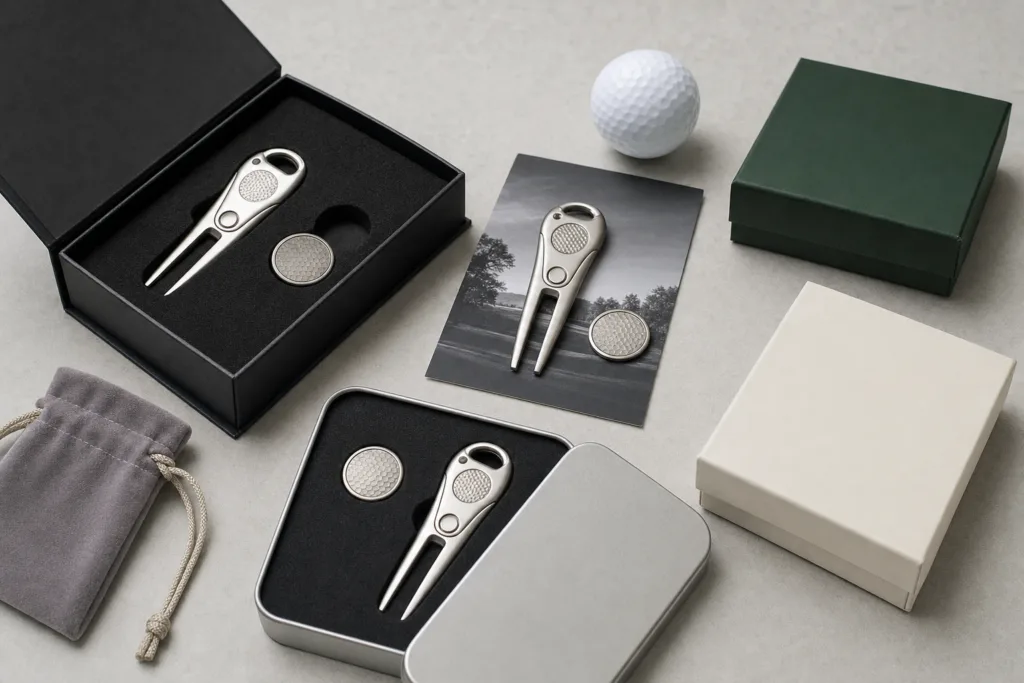
- Packaging: polybag for volume efficiency, printed card for event presentation, rigid box for sponsors or VIP guests
At Gairun, we generally encourage buyers to think about the full presentation system early. A marker may be visually strong on its own, but adding a clean card insert with tournament details or sponsor recognition can raise the perceived value significantly without redesigning the metal part.
How divot tools are used correctly without damaging turf
Including a repair tool in a tournament pack has more value when players understand proper use. The goal is to gently lift and restore the depressed turf around the mark rather than tearing upward through the center. According to the USGA explanation of why divot repair matters, proper repair supports smoother surfaces and better turf recovery, which is one reason these tools remain so relevant in organized play.
From a practical standpoint, organizers can include a short etiquette note in registration materials or on a backing card. That adds useful context and turns the item into a genuinely functional tournament accessory rather than just branded merchandise.
- Insert the prongs around the edge of the mark, not straight into the center.
- Gently move turf inward toward the damaged area.
- Avoid lifting aggressively, which can damage roots.
- Tap the surface flat with a putter afterward.
This matters because player packs often influence on-course behavior. A well-made tool plus simple guidance supports course standards during busy event rounds.
Best practices for using ball markers during play and tournament etiquette
Ball markers should be easy to place, easy to see, and easy to retrieve. Coin-style markers work well because they are flat and familiar. Magnetic markers improve convenience when attached to a tool or clip. For tournament play, buyers should avoid oversized decorative forms that become awkward on the green or distract from practical use.
Visibility also matters. A highly reflective polished marker may look impressive in packaging, but if the event identity depends on subtle relief only, the logo may not read clearly once in use. This is why some buyers choose a combination of texture and contrast finish rather than a mirror-only surface.
Etiquette-wise, the accessory should support quick, unobtrusive use. Detachable magnetic markers often perform well because players can remove and replace them with one hand, which helps pace of play.
What tournament planners should consider for swag bags
Not every tournament swag bag has the same purpose. A charity scramble, member-guest event, junior tournament, sponsor invitational, and national amateur event all have different expectations.
Participant profile
Ask whether the audience is primarily casual golfers, regular club players, sponsors, or VIP guests. Casual participants may value simplicity and branding visibility. Frequent players may care more about comfort and durability.
Event position
If the divot tool and marker are the main signature item, quality should be visibly stronger. If they are one item among many, practical efficiency may matter more than premium construction.
Packaging format
For registration bags, slim packaging is often ideal. For sponsor tables or premium gifting, a presentation box or custom card can work better. Packaging should also protect the finish from scratching during transport.
Brand architecture
If several sponsors are involved, consider whether one side should feature the event identity and the other side a sponsor mark. Overloading a small product with too many logos usually weakens the result.
How to balance cost, quality, and perceived value in bulk orders
The lowest unit price is not always the best event decision. Small improvements in material choice, marker thickness, edge finishing, and packaging can create a noticeably better item without changing the product category.
| Decision Area | Lower-Cost Approach | Higher-Value Approach |
|---|---|---|
| Tool structure | Basic fixed tool | Foldable or magnetic combination tool |
| Marker style | Thin plain marker | Coin-style marker with relief and finish contrast |
| Decoration | Single finish only | Selective enamel or antique contrast |
| Packaging | Individual polybag | Printed backing card or gift box |
| Branding | One-side logo | Event side plus sponsor or date on reverse |
In many projects, the smartest strategy is not maximizing every specification. It is choosing the one or two upgrades players will actually notice. Better hand feel and cleaner logo execution usually create more perceived value than adding too many decorative features.
Manufacturing and sourcing considerations buyers should review early
Before bulk ordering, buyers should confirm the basics: artwork format, product size, thickness, finish, packaging, quantity tiers, and event delivery date. Early clarity prevents most production delays.
For projects with custom shapes, detachable markers, or more premium finishing, we recommend a structured review through a custom metal manufacturing process guide mindset: approve artwork first, confirm process suitability, review mold design logic, check the sample carefully, and only then move into mass production.
Samples and artwork approval
Artwork should show logos, text size, color areas, and front/back content clearly. If the design includes small type, ask for manufacturability feedback before mold release. A pre-production sample is especially important when combining plating, enamel, and magnet assembly.
MOQ
Minimum order quantity depends on structure and process. Standard shapes may allow more flexibility than fully custom mold-based projects. Buyers should ask not only for MOQ, but also for the most cost-efficient quantity breaks.
Lead time
Event dates are fixed, so timing discipline matters. Complex custom projects need time for artwork adjustment, mold making, sampling, approval, bulk production, finishing, assembly, packing, and shipping. Last-minute changes to colors or packaging can affect schedule more than buyers expect.
Quality control checkpoints
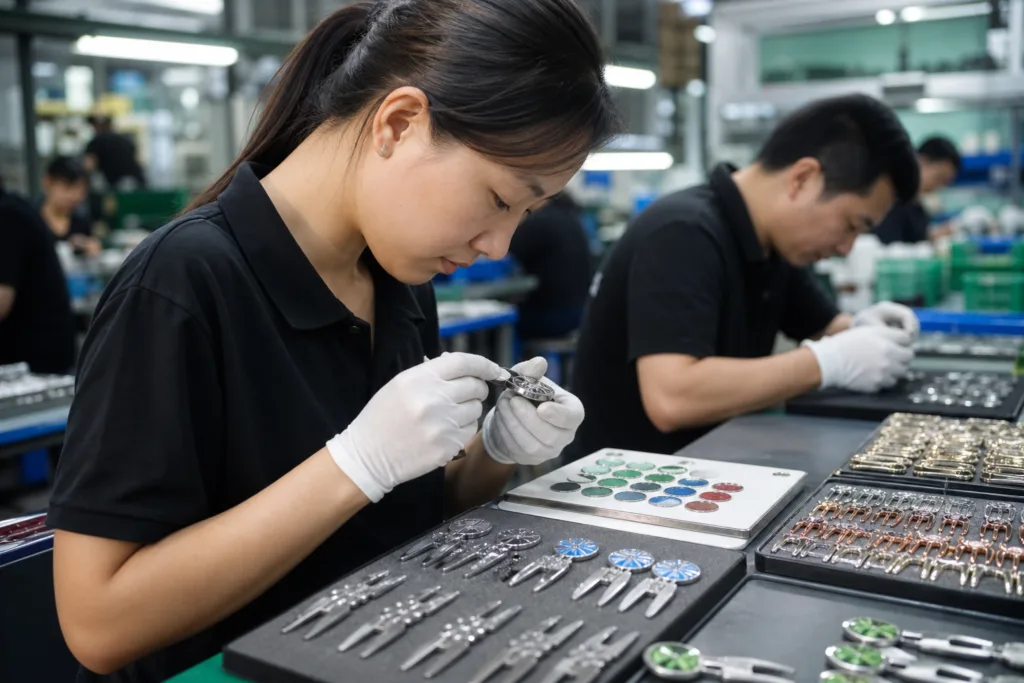
Useful QC points include plating consistency, color accuracy, magnet fit, hinge function, edge smoothness, size tolerance, logo clarity, and packaging count accuracy. At Gairun, these checkpoints are especially important for repeat event programs that need year-to-year consistency.
Common mistakes buyers make when ordering golf accessories
- Choosing only by unit price: This often results in thin, low-impact items that do not represent the event well.
- Using artwork that is too detailed: Tiny text and hairline elements may not reproduce cleanly in metal.
- Ignoring edge and hand feel: A product can look fine in a rendering but feel poor in use.
- Overdesigning a small surface: Too many logos or messages reduce legibility.
- Skipping packaging planning: Good packaging improves presentation and helps avoid transit scratching.
- Approving samples too quickly: Buyers should inspect finish, color, functionality, and attachment performance carefully.
- Leaving too little time: Tool-and-marker sets for tournaments should not be treated as last-week add-ons.
How to choose the right supplier for custom metal golf accessories
Supplier choice affects far more than pricing. Buyers should look for process fit, communication quality, sampling discipline, and production consistency. A supplier that understands medals and pins may not automatically understand the functional requirements of divot tools with moving parts or magnetic marker retention.
It is also reasonable to evaluate production readiness. Industry guidance on supplier quality and factory audits highlights why buyers should review capability, quality systems, and volume readiness before placing large branded merchandise orders. For tournament programs, this is especially relevant when the order includes multiple components, custom packaging, or a non-flexible delivery date.
From our manufacturing perspective, good supplier communication includes clear answers on process choice, realistic comments on artwork limitations, transparent lead-time planning, and a willingness to point out design risks before production starts. That is usually a stronger signal than an aggressive quote alone.
Conclusion
Golf divot tools and ball markers can be simple products, but they are not trivial buying decisions when tournaments depend on them for functionality, presentation, and brand value. The right metal choice, comfortable structure, appropriate finish, and practical packaging all affect how the item performs on the course and how it is remembered after the event. For organizers and golf merchandise buyers, the most successful projects are usually the ones that treat these accessories as useful custom metal products first and branded swag second. When that balance is right, the items help protect the course, support play, and give the event a more considered identity.
FAQs
What material is usually best for custom golf divot tools?
Zinc alloy is often a strong choice for custom golf divot tools because it supports complex shapes, comfortable contours, and integrated features like magnetic marker holders. Stainless steel can be a good option for slim, modern designs, while brass is more often selected when buyers want a premium commemorative feel in matching marker pieces. The best material depends on structure, finish goals, and budget rather than one universal rule.
Are metal ball markers better than plastic for tournaments?
For most tournament programs, metal ball markers offer better perceived value, better logo presentation, and better durability than plastic versions. They also support more finishing options such as raised relief, engraving, enamel fill, and antique effects. Plastic may reduce cost, but metal usually fits better when the organizer wants a keepsake-quality accessory that players will continue using after the event.
How much customization can be added to golf divot tools and ball markers?
Customization can include logos, event names, dates, sponsor marks, front-and-back artwork, enamel colors, plated finishes, antique effects, custom shapes, removable magnetic markers, and several packaging formats. The practical limit is usually the size of the product surface and the level of detail the chosen manufacturing method can reproduce cleanly. Keeping the artwork focused usually produces a better result than adding too many small elements.
Should tournament organizers request a sample before bulk production?
Yes, especially for custom shapes, moving parts, magnetic assemblies, or multi-color designs. A sample lets the buyer check finish quality, color accuracy, logo clarity, edge smoothness, and functionality before the full run begins. It is one of the most effective ways to reduce production risk and avoid disappointment when delivery timing is tied to a fixed event date.
What packaging works well for tournament swag bags?
For standard player registration bags, individual polybags or printed backing cards are common because they protect the product while keeping packing efficient. For sponsor gifts, member tournaments, or VIP sets, pouches or rigid boxes can create a stronger presentation. The best packaging choice depends on whether the priority is shipping efficiency, visual impact, sponsor recognition, or a more premium unboxing experience.
What should buyers check when comparing suppliers for these accessories?
Buyers should compare more than price. Important points include whether the supplier actually manufactures custom metal products, whether they can recommend the right process for the design, how clearly they communicate artwork limitations, how they handle sample approval, what QC checkpoints they use, and whether they can meet the required timeline consistently. For tournament orders, reliability and production fit are often more important than saving a small amount on the initial quote.