Introduction: Why Sample Approval Matters for Zinc Alloy Packaging Hardware
Zinc alloy sample approval and plating sample confirmation are critical steps in luxury packaging, fashion hardware, and bespoke metal crafts. Each approval stage ensures every hardware piece—from zamac caps to decorative buckles—matches your design intent and satisfies brand-level quality before bulk production begins. With market demands rising for perfect fit, high-gloss surfaces, and flawless installation, knowing exactly how to judge each sample saves costly errors down the line.
Understanding the Zinc Alloy Sample Approval Process: From CAD to Golden Sample

The journey from drawing board to final packaging component is defined by four major sample stages: 3D drawing confirmation, first casting sample, surface finish/plating sample, and pre-production sample (PPS or “golden sample”). Achieving precise fit, exact color, and jewelry-level finishing depends on diligent checks at every phase—protecting both brand reputation and project timeline.
Phase One: 3D Design Confirmation (CAD)
Every zinc alloy packaging component starts here. The supplier prepares a 3D CAD file based on your requirements. At this digital stage, attention to detail makes future steps smoother and cheaper.
- What to Check: Dimensions, tolerances, structural feasibility, logo size/placement, parting lines, draft angles
- Ask yourself: Does the model fit your box, bottle, or fashion piece perfectly? Is the logo readable and positioned as intended?
Phase Two: First Sample (“Hand Sample” or Raw Casting)
Next, a raw metal sample is produced using zinc alloy die casting or gravity casting. It’s typically unplated, sandblasted, or roughly polished.
- What to Check: Actual measurements (with calipers), assembly fit, weight, undercut and hole accuracy, general feel in hand
- Are there burrs, pinholes, or casting marks?
Key Inspection Criteria for Raw Samples
- Dimensional checks (width, height, thickness, post position)
- Installation and snap-in action
- Internal thread or insert fit (if required)
- Edges—should be smooth, not sharp
Phase Three: Surface Finish & Plating Sample
This sample showcases the final color, polish, and plated finish. Here are the top factors to scrutinize:
- Color Consistency: Compare to Pantone, physical, or brand reference
- Gloss/Matte Level: Is the mirror finish clear or is the matte surface even?
- Plating Quality: Test for pitting, pinholes, bubbles, or unevenness
- Tactile Feel: Run your finger—does it feel clean and premium?
- Edge Smoothness: Look for micro-burrs or scratches
- Scratch & Adhesion Resistance: Lightly test with a fingernail—any peeling or easy marking?
Manufacturers like Gairun recommend specifying high-end plating methods such as PVD for long-lasting color and always favoring rack plating for luxury pieces.
Golden Sample Color Difference (ΔE) Rules
It’s common industry practice to accept a Delta-E color difference of less than 1.5 under D65 lighting. Any visible color shifts under natural or LED light, especially across the same project, are grounds for rejection.
Phase Four: Pre-Production Sample (“Golden Sample”)
The golden sample is the last and most important reference. It must be signed off by the buyer and kept by both sides for batch consistency checks. This sample is fully finished, assembled, and represents bulk mass production quality in every aspect.
What Demands Extra Scrutiny in the Golden Sample?
- 100% dimensions, fit, assembly
- All logo, plating, and color exactly like artwork
- Click/closure/installation action (as on real bottle or box)
- Surface feel and edge rounding
- Scratch/abrasion resistance
Some luxury brands require destructive pull, salt spray, or drop testing before sign-off. Document all approvals with photos and measurement reports for traceability.
Golden Sample Rules: Industry’s Non-Negotiables
- Only the golden sample is binding—drawings and earlier samples are for process guidance, not final QC.
- Both buyer and supplier must keep one physical golden sample each. Any dispute defaults to this standard.
- The golden sample must be labeled, signed/dated, and stored securely.
- No unauthorized changes in plating supplier, raw materials, or process are allowed post-sign-off—new samples required.
Common Failure Points in Zinc Alloy Sample Approval
- Dimensional Drift: Die wear or poor casting can shift key dimensions. Always request digital caliper measurements on the golden sample.
- Plating Batch Variation: Large projects may span several batches. Specify target chroma and gloss with strict acceptance range.
- Edge Scratching: “Good enough” polishing won’t satisfy luxury requirements. Handmade edge buffing costs more, but prevents rework headaches later.
- Loose Fitting: Test with actual packaging to avoid tolerance stack-up issues—especially on caps, hinges, or clasps. For pro tips on selection, see the ultimate guide to zinc alloy clasps for packaging.
Checklist: What to Approve at Every Step
| Stage | What to Check |
|---|---|
| 3D Design (CAD) | Dimensions, assembly directions, logo placement and size, draft angles, undercuts, special surface requests |
| First Sample | Critical measurements, initial fitting, logo/shape accuracy, porosity, weight, edge rounding |
| Surface Finish | Color match, gloss/matte level, plating quality, smoothness, tactile test, scratch test |
| Pre-Production (Golden Sample) | Final fit, perfect visual/feel, edge rounding, no marks/scratches, full mechanical test |
Edge Quality: Why It’s Non-Negotiable
For top-tier zinc alloy hardware, even small burrs or sharp corners are unacceptable. A well-polished edge not only feels premium but prevents packaging damage and enhances user safety. Industry leaders like Gairun regularly combine brushed, matte, and sandblasted finishes for both visual interest and edge blending that’s jewelry-grade.
Functional Tests and Installation Checks
Don’t rely on looks alone. Always perform:
- Fit Test: Install the sample on your actual accessory or packaging
- Closure Test: Open and close any clasp or hinge 10+ times—does it stay tight?
- Scratch/Tab Test: Use a business card or fabric to simulate real use (especially on boxes/bags)
Color Consistency—Managing Batch Variance
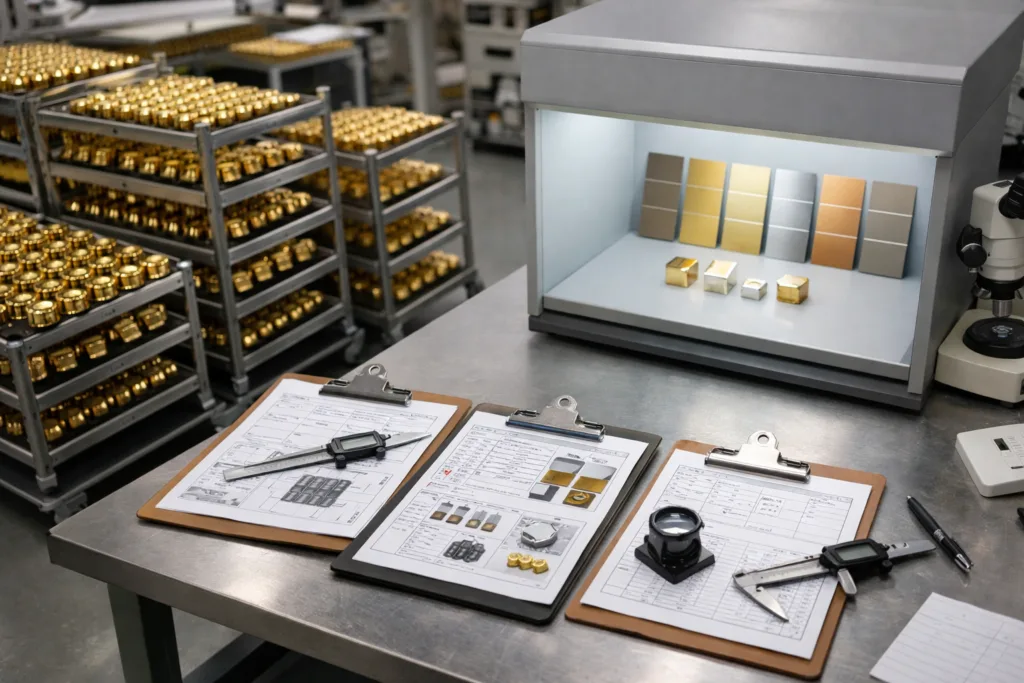
Color drift is notorious in multi-plating runs. Always compare each new batch to the golden sample—use a light booth and D65 bulbs for professional review. Some brands go further with spectrophotometer readings for Delta-E color control.
The Role of Molds: Why First Samples May Differ
The first casting sample is produced with new, unseasoned molds. As the mold wears, minor dimensional changes may occur. Mature suppliers factor in “die compensation” so final production matches golden sample standards. This is an important reason why mass samples can still differ from initial hand samples—regular checks and mold maintenance are essential.
Plating Methods: PVD vs. Electroplating Impact
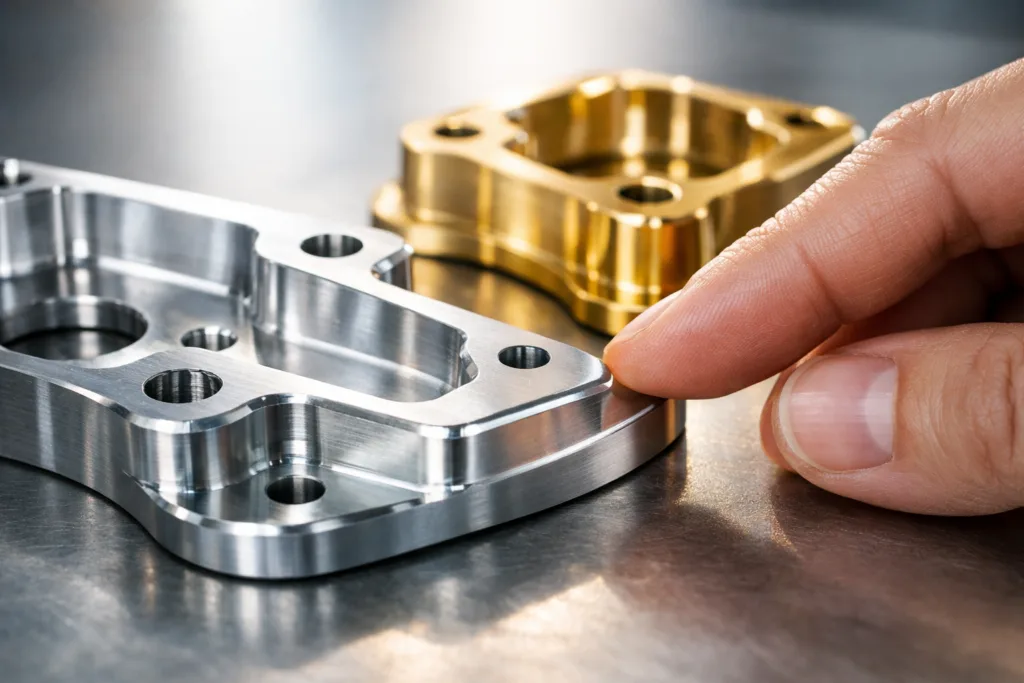
PVD (Physical Vapor Deposition) coating provides superior durability and color stability compared to standard electroplating. For perfume caps or decorative hardware, requesting PVD boosts both longevity and perceived value. See the deep-dive guide to plating choices for zinc alloy packaging for more technical insights.
How to Document and Communicate Approvals
Clear documentation is vital. For each step, issue a signed approval record with date, photos, and measurements. Even for non-English projects, using a template with tick boxes for each criteria reduces disputes and speeds up production handover.
What to Do When a Sample Fails
If a sample is rejected, share precise, photographic feedback. If possible, mark up the physical sample itself. Professional manufacturers will revise CAD or adjust process settings, then resubmit with improved results. Never allow production to start without written sign-off matching golden sample quality.
Special Case: Multiple Surface Finishes on One Product
Some packaging pieces demand two-tone or multi-effect finishes (e.g., gold and matte black together). Ensure plating boundaries are neat and uniform, with no color bleed. Surface transitions should be compared directly to the approved multi-finish sample.
Batch Inspection—Why “Golden Sample” isn’t Enough
Before mass shipment, conduct random inspections using the golden sample as the physical reference. Measure, check color, and verify function on at least 10% of units. For large contracts, request an AQL (Acceptable Quality Level) report signed by both parties. Learn more about risk control in zinc alloy part purchasing in the buyer’s essential guide to choosing a zinc alloy hardware manufacturer.
Industry-Standard Tools for Sample Checks
- Caliper or micrometer
- Color light booth (D65 required for color-related packaging)
- Pull and torque gauge (for functional hardware)
- Magnifier or microscope (for edge/plating check)
- Gloss meter, if high-polish finishes are critical to your brand
Lead Time/Cycle: How Sample Approvals Affect Production
Each additional sample approval cycle can add 7–20 days to lead time. Shorten this by providing instant, specific feedback and consolidating sign-offs for multi-component assemblies. For urgent orders, consult the guide to mastering rush hardware orders without compromising quality.
Sample Approval Guide for Zinc Alloy Packaging Hardware
To sum up, the sample approval process for zinc alloy packaging hardware is not just about ticking boxes—it’s the only path to repeatable, high-value luxury results. Every stage, from 3D drawing to golden sample receipt, is your defense against unexpected color, fit, or finish surprises. Use solid documentation, industry-standard tests, and inspect what counts most: size, assembly, color, feel, and edge quality. Your golden sample is your reference for every production run—guard it well.
Frequently Asked Questions
What are the four main sample approval stages for zinc alloy packaging hardware?
The key stages are 3D CAD confirmation, first (raw casting) sample, surface/plating finish sample, and the fully finished pre-production or “golden sample.” Each checks different aspects from structure to color to functional fit.
How do you check for color consistency in plating samples?
Compare samples under D65 lighting or a color light booth, testing against the golden sample or Pantone reference. Delta-E color difference should be below accepted standards for your brand.
What is a “golden sample” and why is it important?
The golden sample is the final approved pre-production unit, physically stored and referenced for every future batch. All mass production must match its quality, dimensions, and color—if not, it can be grounds for rejection.
What should you do if a zinc alloy sample fails inspection?
Provide annotated photos and precise feedback. Request process adjustments or mold changes as needed, and do not approve further production until a passing sample meets every requirement.
Why do edges and surface finishing matter in luxury zinc alloy hardware?
Premium brands demand smooth, burr-free edges for a tactile, safe user experience. Imperfect finishing degrades both appearance and perceived value, so jewelry-level polishing is non-negotiable.
Who is responsible for keeping the golden sample?
Both buyer and supplier should retain a signed and dated golden sample as a production standard reference. Any dispute about batch quality is resolved by comparison to this unit.
Related Reading
- When Zinc Alloy Clasps Beat Magnet Closures: The Ultimate Guide for Packaging Designers
- The MOQ Reality Check for Custom Zinc Alloy Parts
- Electroplating vs. PVD for Zinc Alloy Packaging: How to Select Smartly
- Unlocking Shine: High-Polish Finishes and Their Impact on Luxury Awards
- How Brushed, Matte, and Sandblasted Textures Create a Premium Feel