Introduction: Why Pin Ordering Mistakes Matter
When sourcing pin ordering for metal products, minor mistakes can have major consequences — from fit issues in final assembly to entire production delays. While pins might seem like simple hardware, quality manufacturers know that even small errors in pin selection or ordering can compromise durability, aesthetics, or even safety. This guide reveals the most frequent pitfalls and gives you proven strategies to order pins with confidence, consistency, and peace of mind.
Understanding Pin Ordering for Metal Products
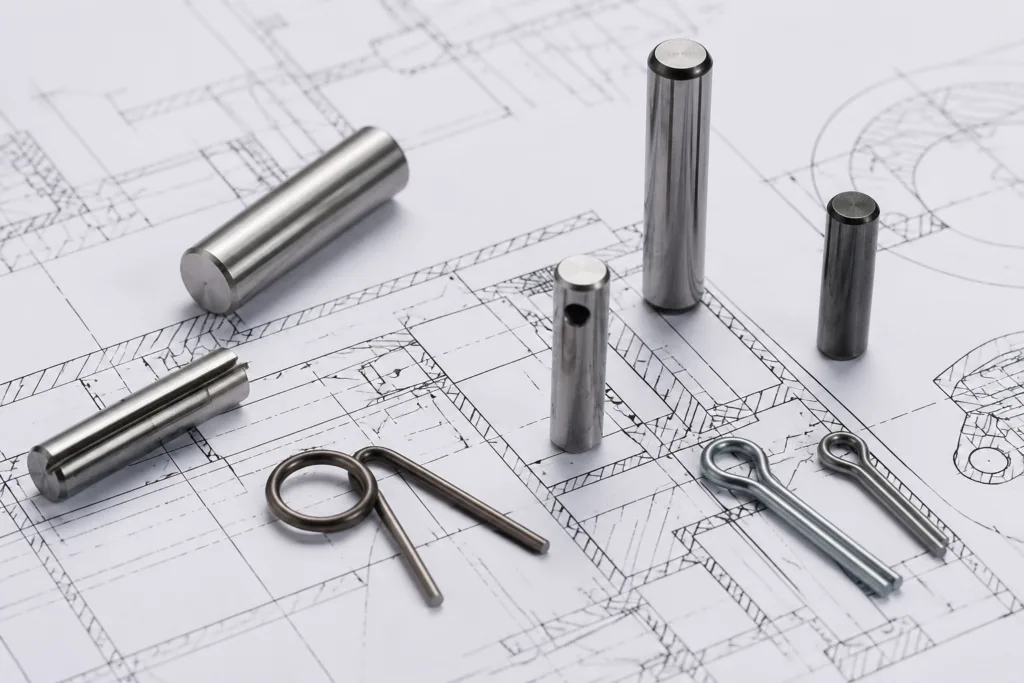
Ordering pins for metal products involves more than just choosing a size or a finish. Each decision you make affects not only your project’s look but also its mechanical function and cost. The right process helps prevent rework and ensures seamless component compatibility within your finished goods.
Top 7 Pin Ordering Mistakes (and Their Costly Consequences)
Let’s break down the most common mistakes when ordering pins for metal assemblies:
- Incorrect Measurements: Small misreadings can lead to poor fit or function.
- Material Mismatch: Choosing the wrong alloy or finish compromises strength and corrosion resistance.
- Ignoring Tolerance Requirements: Overlooking allowable size variation can cause jamming or looseness.
- Lack of Application Context: Not matching pin design to its specific application leads to premature wear.
- Missing Compatibility Checks: Failing to assess fit with existing holes or parts can cause assembly line stoppage.
- Poor Communication with Suppliers: Vague specs yield unpredictable results.
- Skipping Quality Controls: Defects often slip through without defined acceptance standards.
Pitfall #1: Incorrect Pin Measurements
Even millimeter-scale errors can ruin a production run. Always verify both diameter and length, and recognize the measurement system (metric vs. imperial) you and your supplier use. Digital calipers or precise gauges are essential for consistent results, and it’s smart to request technical drawings or specification sheets from your supplier as reference.
Pitfall #2: Overlooking Material Specifications
The metal used for pins—whether stainless steel, brass, or zinc alloy—should be carefully matched to your product’s requirements. For example, stainless steel resists corrosion and is ideal for outdoor or moisture-exposed products. Lower-quality alloys may cost less upfront but often lead to premature failure or tarnishing. When working with high-touch applications like luxury packaging, jewelry-grade finishes set brands apart by remaining bright and flawless after years of use. For more about material selection and how it impacts longevity, see Zinc Alloy vs Brass vs Stainless Steel: The Ultimate Material Showdown.
Pitfall #3: Failing to Assess Pin Compatibility
Every pin must fit perfectly with its mating hole, clasp, or hardware. Rely on tolerance specifications and account for any additional coatings or platings, which can add slight thickness. If you miss these nuances, the result is often either a loose fit (risking failure) or a pin that’s impossible to insert. For luxury projects, factors like smoothness and tactile ‘snap’ upon assembly distinguish premium brands like Gairun, who engineer tight tolerances so that pin fit feels precise with every use.
Best Practices for Selecting Pin Types
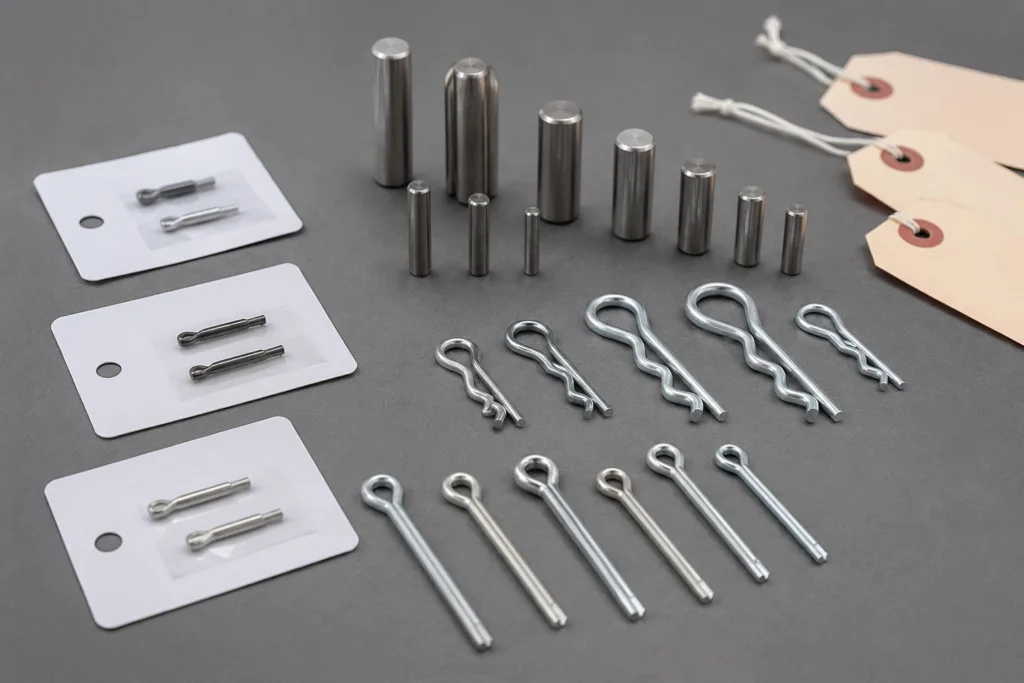
Pin type selection (dowel, split, spring, cotter, etc.) should be dictated by your end-use needs:
- Dowel pins — Best for locating and precision alignment
- Spring pins — Provide static friction, best for vibration-prone applications
- Cotter pins — Simple, effective for retaining parts on a shaft
Consult with an experienced manufacturer or your supplier for optimal pin selection aligned to your project’s stresses, materials, and assembly process.
The Role of Dimensional Tolerances in Pin Ordering
Pin and hole tolerances are the ‘wiggle room’ allowed in dimensions. Too tight, and installation is nearly impossible without damage; too loose, and pins wobble or fall out. For every pin, ask for the tolerance grade and require suppliers to provide drawings showing all critical dimensions. For deeper insight into why tolerances are so important for flawless quality, see The Engineer’s Guide: Understanding Tolerance in Metal Manufacturing.
Checking Pin and Metal Hardness Ratings
A pin that is harder than the receiving material will eventually cause wear on the softer part, and vice versa. Select pins with appropriate hardness ratings to ensure a balanced, long-lasting assembly. For decorative products, sometimes a balance between strength and ease of insertion is required. Ask your supplier for Rockwell or Brinell hardness numbers where relevant.
Specifying the Right Plating and Finish
Plating (such as gold, nickel, or black oxide) isn’t just about appearance—each finish affects corrosion resistance, tactile feel, and potential allergen release. For instance, gold plating offers a luxurious look for a pin on packaging but requires a perfectly smooth base metal to prevent visible pitting. If you demand a mirror-like surface, communicate your standards in writing, and choose rack plating over barrel for larger or visible pins.
Communicating Clearly with Your Pin Supplier
Ambiguous instructions are a major source of costly mistakes. Always share complete drawings, material specs, and, if possible, physical or photographic samples for finish reference. Confirm details by email, not just phone, and keep every document for reference in the event of disputes or confusion. For best results, work with experienced partners who provide full technical support.
Sample Approval: The Bridge Between Concept and Production
Avoid going straight into mass production. Request production samples (proofs) and compare them against your specifications for dimensions, fit, color, and finish. This simple step helps catch and correct errors before they become expensive problems. Explore How Proofs Protect Quality in Metal Products for a practical guide on navigating sample review and approval.
Quality Control Standards for Pins
Rely on industry-standard quality control checklists. Inspect random samples for visual defects, check for surface smoothness, verify plating evenness, and test pin fit with real mating holes. Leading manufacturers, like Gairun, routinely reject parts with even minor cosmetic flaws, setting a higher standard than basic fit-and-function acceptance typically found in the trade.
How to Double-Check Dimensions and Blueprints
After designing your pin and associated parts, always cross-verify every measurement. Print dimensional drawings to scale and lay physical samples on top as a reality check. For complex shapes, use 3D-printed dummies to simulate fit and assembly before metal production. This tiny investment pays for itself by preventing expensive last-second revisions.
Critical Questions to Ask Your Supplier
Before finalizing a pin order, get clear answers to these questions:

- What raw materials and plating types are you using?
- What tolerances and QC checks are applied?
- How are samples handled prior to mass production?
- Are test reports for lead, cadmium, or nickel content available (see this guide on metal test reports)?
- Can you provide custom packaging or batch labeling for traceability?
Understanding Minimum Order Quantities (MOQs)
Don’t be surprised by high MOQs. Custom pins often require dedicated tooling and setup, so suppliers set minimums to cover their fixed costs. If your required quantity is lower, ask if stock pins or shared production runs are available. For negotiation tips and the rationale behind MOQ policies, see Unlocking the Truth: 17 Powerful Insights About Minimum Order Quantities (MOQ) for Metal Crafts.
Pitfall #4: Neglecting the Application’s End Use
Is your pin destined for fashion hardware, a perfume bottle closure, or industrial gear? Different applications demand varying performance standards—surface sheen, pull-out strength, or interaction with other components. Always communicate the application context to your supplier, so they can guide you toward the strongest possible match.
Pin Ordering and Lead Times: What to Expect
Custom pins—which may require special molds, hand polishing, or specialty plating—demand longer production cycles than catalogue parts. Typical lead times range from 2–6 weeks. If you require rush production, clarify what quality trade-offs, if any, might result. Carefully review Rush Services: How to Speed Up Production for Lightning-Fast, Reliable Results for strategies when time is tight.
Verifying Payment and Shipping Terms
International pin sourcing brings payment risks and logistics complexity. Use reliable payment methods with transaction records. Confirm shipping methods (like DDP vs. FOB), Incoterms, and the responsibilities of each party. For a deep dive into secure cross-border payment practices, check out Payment Methods for International B2B Orders: 7 Secure Ways to Pay Global Metal Suppliers.
Pitfall #5: Skipping the Artwork Approval Process
If your pins include logos or custom graphics, always submit vector files. Poorly prepared artwork can lead to blurred or disproportionate branding after stamping or casting. For step-by-step tips, consult How to Prepare Vector Artwork for Production.
How Defining Quality Acceptance Criteria Prevents Disagreements
Establish what’s considered ‘acceptable’ long before production begins. Will the pin be examined under bright light? What’s an allowable plating flaw? Clear agreements minimize blame and costly rejects later on. For example, Gairun documents every critical standard right down to surface gloss readings and micro-scratch detection thresholds for high-end perfume cap projects.
Pitfall #6: Not Considering Assembly Methods
How the pin is fastened (press-fit, threaded, soldered, etc.) affects both design and material selection. If you plan to automate assembly or use specialized equipment, share those requirements so manufacturers can recommend best practice pin designs and tolerances.
Pin Performance Testing: What to Request
Depending on your application, ask for basic pull/push force tests and plating adhesion checks before approving a batch. Certifying these results up front prevents expensive field recalls and ensures that your pins hold up under real-world use.
Pitfall #7: Forgetting Post-Finishing Requirements
Does your pin need to be tumbled to smooth sharp edges, laser-marked for traceability, or individually packed to avoid scratching? Be explicit about all finishing steps. Overlooking these details can mean rework or returns, especially on premium projects where presentation is essential.
Avoiding Common Mistakes in Pin Ordering
The best way to minimize errors is a checklist-driven approach covering pin type, dimension, tolerance, material, hardness, finish, quantity, and application notes. Collaborate closely with suppliers; request physical samples, proof approvals, detailed inspection checklists, and thorough documentation. Ask for QC photographs and retain all communication for traceability. Premium producers will view these steps as partnership, not nitpicking.
Summary: Your Pin Ordering Success Plan
Perfect pin ordering for metal products blends detail orientation with clear supplier communication. Proactive checks—like tolerances, compatibility, sample approval, and quality documentation—save time, money, and headaches during production. By training your team and auditing your pin ordering process, you ensure robust, beautiful results for every project, every time.
Frequently Asked Questions
What are the most common mistakes when ordering pins for metal products?
The most frequent mistakes include incorrect measurements, selecting unsuitable materials, overlooking tolerances, failing to check component compatibility, skipping sample approvals, and vague communication with suppliers.
How can I ensure pin compatibility with my existing metal assembly?
Double-check all dimensions and tolerances, use real samples or assembly mockups, and confirm the material hardness and finish align with both your parts and application needs.
Do I need to check pin tolerances even for simple projects?
Absolutely. Even straightforward designs can fail if tolerances aren’t matched. This simple step prevents both loose fits and installation problems.
What is the safest payment method for international pin orders?
Secure wire transfer, PayPal for sample orders, or trade assurance platforms with documentable progress are the safest. Always confirm payment and shipping terms before placing a full order.
How does the wrong material affect pin performance?
Mismatched materials may corrode, deform, or tarnish, and can compromise the strength or appearance of the final assembly.
Why are sample approvals before production so important?
Receiving and inspecting samples helps you catch errors in dimensions, fit, finish, or logo before mass production, saving time and costly rework.
Related Reading
- How to Guarantee Lead & Cadmium Safe Pins: The 11-Step QC Guide
- Mastering Tolerances: How Consistency Secures Perfect Metal Products
- Proofs vs. Mass Production: The Best Way to Prevent Surprises
- 17 Secrets to Navigating Pin MOQs for Smart Buyers
- The Safest B2B Payment Methods for Your Next Metal Order
- 15 Pro Steps for Pin Artwork Ready for Manufacturing