Why Custom Backing Cards Matter for Pin Branding
In today’s competitive crafting market, custom backing cards stand out as one of the most effective ways to elevate your pin brand. More than just packaging, these cards set the stage for your enamel pins, conveying professionalism, enhancing curb appeal, and reinforcing your brand’s identity from the very first glance. A well-designed custom backing card creates a lasting impression—one that can turn casual buyers into loyal collectors.
The Essential Role of Branding in Pin Presentation
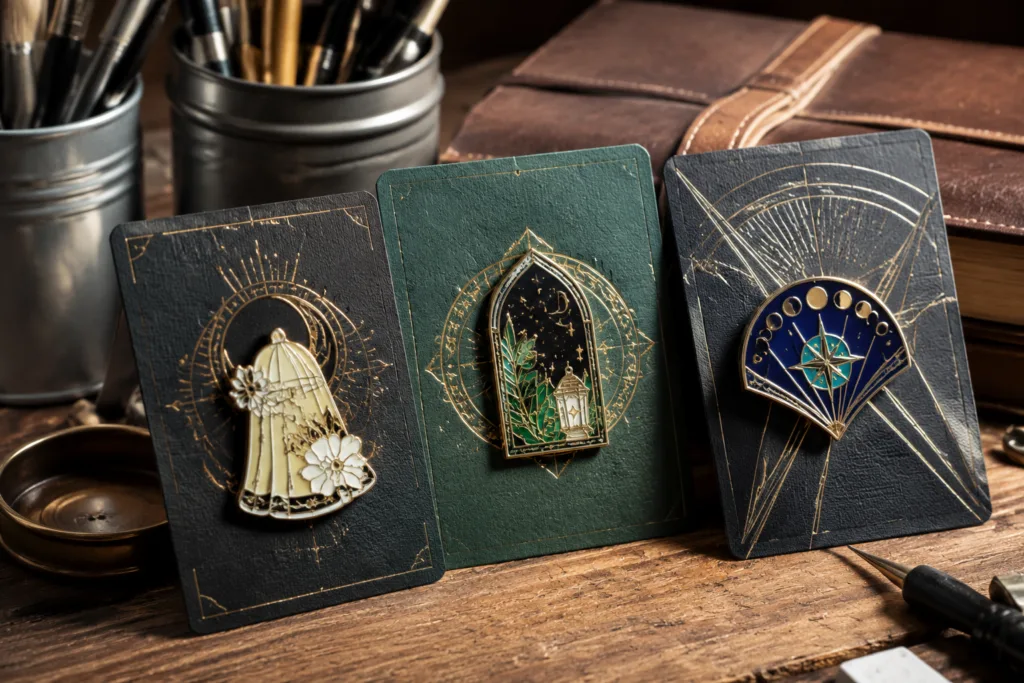
Your branding journey should extend to every component, including packaging. Presenting pins on unique, custom-branded backing cards broadens the storytelling potential of your brand and presents a tactile experience to consumers, letting your pins do more than just shine—they communicate who you are. This consistency matters whether your pins are destined for retail shelves or online unboxing moments, and research shows presentation influences customer perception and value judgments.
Key Design Elements That Make Backing Cards Pop
Designing your backing cards with attention to detail can dramatically increase their impact. Start by ensuring your logo is clear and visible but not overpowering. The right color palette should complement your pins, not compete with them. Don’t overlook white space—it draws attention to your product while keeping the design clean. And if including text, use concise, purposeful messages, such as your brand tagline, website, or social handles for easy connection.
Choosing the Right Shape and Size
Backing cards come in all shapes—rectangle, square, die-cut, or custom silhouettes that match your brand theme. Consider how much space your pin needs, as an overly large card can make small pins seem dwarfed, while a tight fit looks cluttered. A standard size for most pins ranges from 2×2 to 3×4 inches, but custom shapes can help you stand out.
Font Choices and Readability
Typography should always prioritize readability. Select fonts that match your brand personality but avoid difficult scripts or over-decorative typefaces. Ensure all text is legible from a typical viewing distance; print samples are invaluable here to catch discrepancies before full production.
Imagery, Icons, and Brand Storytelling
Consider subtle background graphics, brand icons, or patterns—these can reinforce your brand’s aesthetic. Avoid excessive clutter that might overshadow the pin itself. Well-chosen graphics, when paired with a tagline or short origin story, invite curiosity and emotional engagement, which increase perceived value.
Material Selection: Why Quality Counts
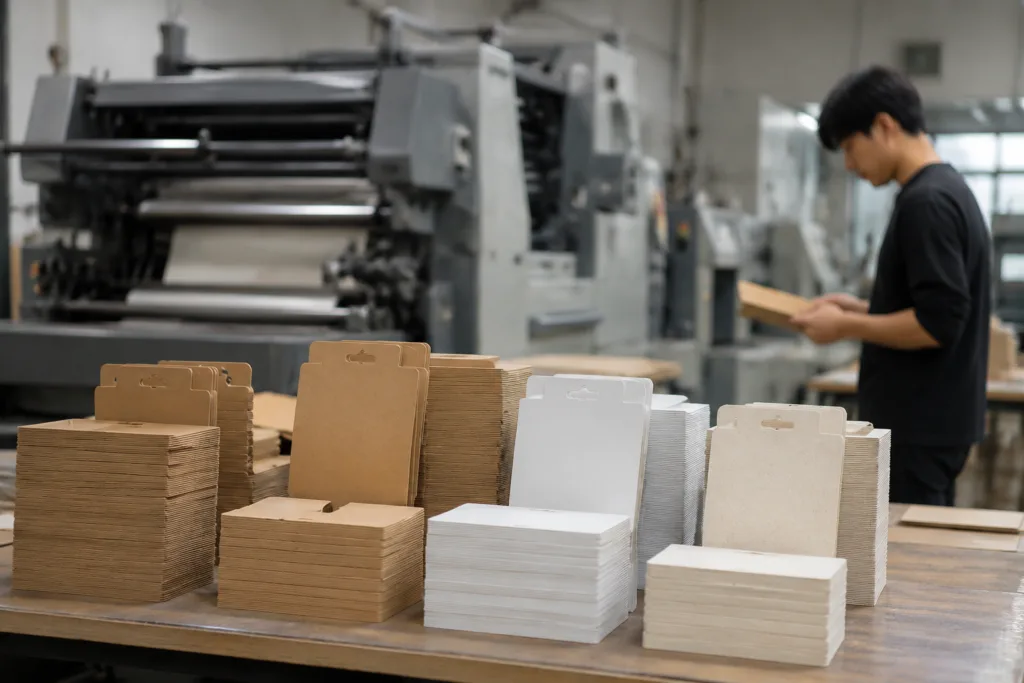
Material is not just functional—it conveys tactile and visual quality. A thick, smooth card stock (ideally around 350gsm and up) signals durability and premium feel. For luxury or eco-oriented brands, textured papers or recycled options can further distinguish your offering. Premium metallic foiling, spot UV, or embossing techniques are popular modern touches that elevate the card’s prestige.
Eco-Friendly Materials and Printing for Conscious Branding
Today’s consumers often favor brands that demonstrate environmental awareness. Choosing eco-friendly paper options (recycled, FSC-certified, uncoated, or kraft) signals commitment to sustainability. Likewise, consider soy-based inks, waterless printing, or digital presses that reduce chemical runoff. Sharing your material choice on the back of the card can enhance transparency and trust—an easy addition that aligns with conscious consumer values.
Printing Techniques That Elevate Perception
Printing technology has evolved, offering finishes and effects that reinforce your branding. Popular choices include:
- Matte or Gloss Lamination: Provides tactile variation and visual interest
- Spot UV Coating: Highlights key elements for a subtle shine contrast
- Foil Stamping: Adds metallic sheen—great for logos or accents
- Embossing/Debossing: Creates texture and heightens tactile appeal
- Die-Cutting: Offers custom shapes for on-brand silhouettes
Careful selection of these effects avoids overwhelming the design while still providing a point of difference.
Brand Consistency: The Backbone of Trust
Maintaining brand consistency across all platforms—your logo placement, color palette, and key messaging—reinforces reliability and recognition. When your custom backing cards match the tone of your website, social media, and other packaging, you ensure a seamless branding experience for customers. This attention to detail builds trust, increases perceived professionalism, and encourages repeat purchases.
Cohesive Visual Identity: Unifying Product Lines
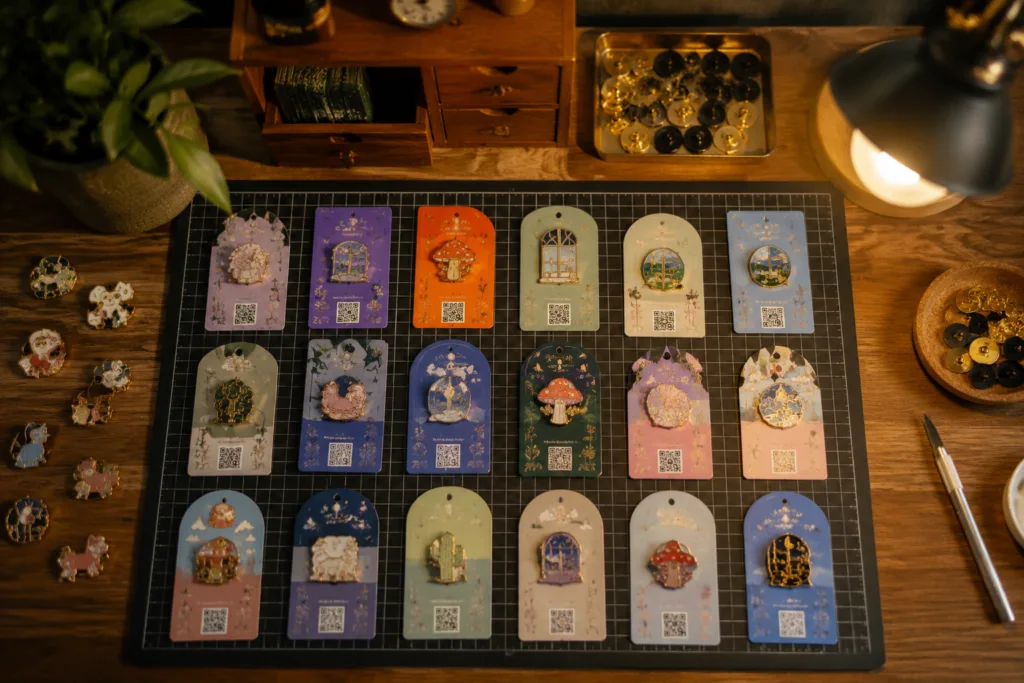
If you sell multiple pin designs, custom backing cards with a unified design language allow customers to instantly identify your products. Try creating series themes or modular motifs that can adapt for seasonal collections, collaborations, or limited editions, adding collectable value without brand confusion.
Informative Elements to Enhance Customer Engagement
Your backing card can do more than hold a pin—it’s your mini billboard. Include your social media handles, website URL, QR codes, or a brief callout about the pin’s story or meaning. These elements invite buyers to keep engaging beyond their purchase, building community and driving social sharing.
| Element | Impact |
|---|---|
| Website | Drives post-purchase browsing |
| Social Tags | Boosts user content & sharing |
| Short Story | Fosters collector attachment |
| Care Instructions | Signals quality & longevity |
| Eco-Statements | Appeals to conscious buyers |
Telling Your Brand Story with Every Backing Card
A compelling brand story—whether playful, inspirational, or avant-garde—sets you apart. Use your backing cards to briefly share your founding spark, the meaning behind the collection, or a snippet about your creative process. When buyers understand the why, your pins become meaningful keepsakes, not just accessories. The best stories stick in memory, leading to word-of-mouth promotion and repeat interest.
Spotlight: Gairun’s High-Precision Backing Card Standards
Innovative manufacturers like Gairun apply the same principles of material purity and finishing precision to packaging accessories as they do to custom pins or luxury metal branding hardware. Using consistent stock thickness, sharp die-cutting, and quality-controlled finishes ensures backing cards complement the jewelry-grade feel of display pins—rejecting functional but imperfect batches to maintain overall brand standards.
Pairing Pins with Matching Backing Cards: The Designer’s Perspective
For artists and brand managers, the artwork and physical feel should be considered in tandem. Preview your pin design on a digital mockup of the backing card to confirm sizing, placement, and visual flow before producing physical samples. This step prevents last-minute surprises and saves on costly remakes or mismatches.
What Makes a Backing Card Premium?
Premium means more than cost—it’s about feel, durability, and polish. Features often found in the best backing cards include double-sided printing, velvet or satin lamination for texture, sharp edges, and vivid color fidelity. Rack-plating and hand-finishing, standard in luxury manufacturing, also inform the tactile expectations of your packaging elements, ensuring quality at every touchpoint.
Benefits of Custom Backing Cards for Retail, E-commerce, and Events
Backing cards act as brand ambassadors across sales channels. On retail displays, they add shelf presence with coordinated color schemes and retail-friendly barcodes or SKU labels. For e-commerce, durable cards prevent damage during shipping and look great in social media unboxing content. Event-specific cards featuring exclusive art or dates help pins become collectible memorabilia after launches or pop-ups.
Common Mistakes in Backing Card Design
Even experienced sellers can misstep. Avoid:
- Fonts that are too small or mismatched
- Low-contrast color combinations
- Ignoring material thickness (flimsy cards = perceived low value)
- Poor attachment alignment—pins off-center detract from visual appeal
- Skipping print proof approval, leading to color or trim errors
For further ways to dodge costly production mistakes, see the article on proven solutions to metal pin ordering errors.
Expert Tips for Effective Card-Pin Attachment
Choose a secure but easy-to-remove fixing method, such as standard butterfly clutches or rubber backs. Double-check that pin posts align cleanly with pre-punched card holes. Cards for heavier pins may need reinforced stock to prevent sagging or tearing upon removal.
Exploring Die-Cut and Shaped Cards
While rectangular and square cards are classics, die-cutting allows you to match card shapes to pin silhouettes or season-specific motifs. Die-cut backing cards are particularly memorable at conventions or with limited drops, and they encourage buyers to keep the packaging as part of the collectible experience.
Integrating QR Codes, Social Media, and Calls-to-Action
Including a QR code on your backing card makes it simple for your audience to visit your shop or join your email list without friction. Pair this with visual instructions (such as “Scan for care tips!”) to encourage engagement. Likewise, concise social media handles point customers toward your latest collections and brand community.
Variable Data, Numbering, and Limited Editions
Variable data printing is invaluable for limited series or numbered runs—adding a handwritten or stamped edition number enhances exclusivity and drives FOMO among collectors. Unique codes can also assist with authenticity verification or unlock special perks for engaged fans.
Packaging and Shipping Best Practices
Package pins and cards in protective sleeves or mini boxes to prevent scratches or bends during shipping. Consider moisture barriers or recycled cushioned mailers for a complete eco-friendly experience. For global shipments, study the nuances of shipping terms and best routes for metal products to optimize transit times and minimize risks.
Cost Considerations and Order Quantities
Bulk orders bring economies of scale, but managing inventory for limited or seasonal pin drops can be tricky. Understand potential minimum order quantities when consulting with manufacturers. Request print proofs (digital or physical) to ensure alignment with your digital designs before proceeding with full runs.
Working with Reliable Manufacturers for Consistency
Choose partners with experience in both pin and packaging production—ask about their approach to color accuracy, die-cut tolerances, and finishing techniques. Consistent quality control reduces headaches and elevates both short-term sales and long-term brand recognition. If you’re navigating B2B sourcing, distinguish between real manufacturers and middlemen by referencing guides on how to spot a real factory relationship.
Custom Backing Cards: Elevating Your Pin Brand
Ultimately, custom backing cards do more than support your pins—they become integral ambassadors for your brand’s message, quality standards, and customer experience. A thoughtful combination of visual design, quality materials, innovation in finishing, and informative touches will ensure your pins stand out—delighting customers and differentiating your brand in the market.
Frequently Asked Questions
What size should I choose for my custom backing cards?
Most pin brands opt for cards between 2×2 and 3×4 inches, but the best size depends on your pin dimensions and desired visual balance. Request samples to test fit and appearance before mass production.
Can I use eco-friendly materials without sacrificing quality?
Yes. Modern recycled and FSC-certified stocks are sturdy and allow for vivid printing and special effects. Eco-materials often enhance your brand story and appeal to conscious consumers.
What printing finishes work best for premium brands?
Embossing, foil stamping, and spot UV coating create elegant highlights without overwhelming your design. Double-sided printing and thick stock convey luxury and professionalism.
How can I ensure consistent quality between pin batches?
Work with manufacturers who follow strict quality control, offer digital or physical proofs, and maintain material standards. Regular communication and vetting help avoid inconsistencies.
Are die-cut cards worth the extra cost?
Die-cut cards offer strong visual differentiation, especially for limited drops or high-impact launches. If budget permits, they create lasting impressions that boost perceived value and collectibility.
Should I include care instructions or QR codes on my backing cards?
Including care tips or QR codes adds value and extends engagement beyond the initial unboxing, encouraging buyers to connect with your brand online or follow maintenance advice for product longevity.
Related Reading
- Avoid Costly Pin Sourcing Errors: How to Order Like a Pro
- Unlock Bulk Savings: Minimum Order Quantities Explained for Metal Craft Brands
- Global Shipping Decoded: Proven Methods for Pin and Packaging Projects
- Insider Strategies to Find Real Factories and Bypass Costly Middlemen
- Exact Color Consistency: Why Pantone Matching Matters For Your Brand Success