Introduction: Understanding the Power of Proofs
In metal manufacturing, the journey from concept to product is marked by two pivotal stages: sampling and mass production. How well these stages interconnect can determine whether your project hits its quality targets or stumbles with costly errors. This article explores Sample vs. Mass Production: Why Proofs Matter, emphasizing that proofs are not just formalities—they’re the foundation for superior results and error-free scaling. Whether you’re sourcing custom medals, high-end perfume caps, or intricate accessory hardware, mastering the proofing process ensures you avoid surprises and deliver exactly what your clients expect.
Sample vs. Mass Production: Why Proofs Matter
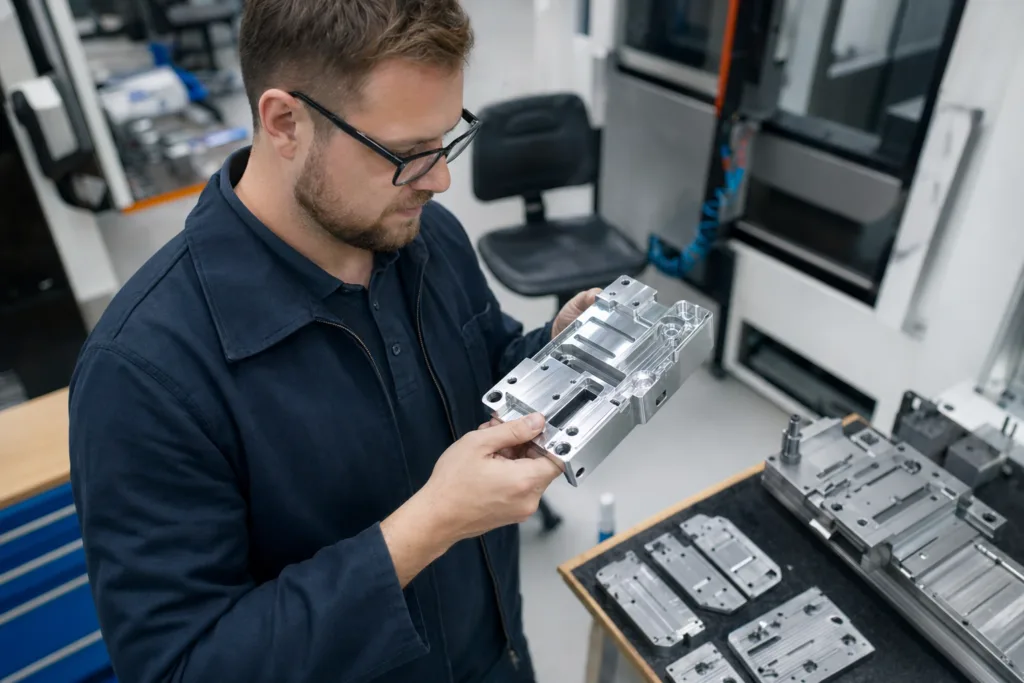
Proofs—or pre-production samples—are the physical or visual prototypes produced before ramping up to mass manufacture. They offer a tangible preview, allowing engineers, designers, and buyers to scrutinize every element, from material selection to logo clarity. In the industry, ignoring this critical step can lead to defects, color mismatches, or worse: a production run that falls short of brand standards.
The Proofing Process: Step-by-Step Breakdown
Design Submission & Technical Review
The journey begins when you submit vector artwork or product drawings. A technical review checks feasibility, spotting areas where details might blur in casting or stamping. (See How to Prepare Vector Artwork for Production).
Material Choice & Prototype Engineering
Proofs are designed using chosen metals—zinc alloy, brass, stainless steel, etc.—to test both aesthetics and mechanical integrity. Selecting the purest metals, as practiced by premium manufacturers like Gairun, leads to smoother surfaces and sharper details.
Mold Creation & Sample Production
Initial molds are crafted, often via CNC for high precision. A sample is then produced, sometimes with hand-finished details, reflecting the intended mass production method. (For details, see How Molds Are Made: CNC vs. Hand Carving).
Quality Inspection, Feedback & Iteration
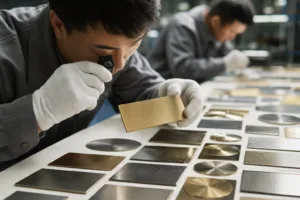
Samples undergo rigorous checks for color accuracy, tolerance alignment, surface finishes, and structural stability. Adjustments are made as needed, with some brands running salt spray tests or pull-force measurements to ensure longevity and function.
Final Approval & Mass Production Readiness
Once the proof is approved, the mass production run begins with full confidence, knowing defects have been eliminated and standards met.
Why Proofs Prevent Costly Mistakes in Metal Products
Skipping proofs can result in design flaws that only become obvious after hundreds—or thousands—of units are manufactured. Proofs ensure:
- Designs are manufacturable (avoiding porosity or burrs).
- Surface finishes meet expectations (mirror, matt, antique).
- Functionality is proven (fit, closure, mechanical action).
- Logos and branding are crisp and legible.
- Colors match Pantone standards. (Pantone Matching System in Metal Craft).
Real-World Testing: How Samples Reveal Design Flaws
Imagine a custom medal designed with intricate 3D details. Only a physical sample exposes whether the relief depth is achievable or if areas appear muddy. In perfume bottle caps, tight tolerances matter—the “click” of a cap is best tested with a working sample, not sketches.
Optimizing Material Choice Through Sampling
Proofs allow side-by-side comparison between zinc alloy, brass, and stainless steel, helping designers see how each metal affects weight, polish, and durability. Gairun, prioritizing material purity, uses virgin Zamac to ensure smoother plating and fewer defects in luxury packaging projects.
Setting Quality Standards: Proofs as Benchmarks
Once a sample is approved, its characteristics—weight, color, logo detail—become the benchmarks for mass production. QC teams use the sample as their “gold standard,” checking each batch for consistency.
Comparison Table: Samples vs. Mass Production Outcomes
| Aspect | Sample (Proof) | Mass Production |
|---|---|---|
| Purpose | Testing & validation | Final product delivery |
| Volume | Single or handful | Hundreds to thousands |
| Flexibility | Iterative, easily adjusted | Fixed, hard to modify |
| Risk | Low—errors are fixable | High—errors are costly |
| Quality Control | Set benchmark standards | Batch comparison to sample |
Industries Where Proofs Are Essential
- Luxury Packaging: Zamac cap fit, logo placement, tactile balance—proofs validate these delicate aspects before mass production.
- Fashion Hardware: Buttons, zipper pulls, tags—samples test finishes and functional playability.
- Bespoke Medals & Awards: Custom plating, 3D relief, ribbon attachment—sampling ensures each detail is visually and structurally sound.
- Industrial Components: Tolerances and engineering fit—proofing prevents functional failures and costly recalls. For more, read The Engineer’s Guide: Understanding Tolerance in Metal Manufacturing.
Critical Insights: Sample Costs vs. Setup Fees
Samples usually incur mold charges and setup fees; these are investments, not sunk costs. They lead to lower risk and prevent mass rejection rates. Product managers and buyers must learn how to decode these fees, as detailed in How to Decode Mold Costs and Setup Fees.
How Proofs Shape MOQ Decisions
Minimum Order Quantity (MOQ) isn’t arbitrary—it often reflects what’s proven feasible in the sample stage. Adjustments made during proofing can change what MOQ makes sense for your project. To dive deeper, see Unlocking the Truth: Minimum Order Quantities for Metal Crafts.
Proofs and Customization: The Path to Unique Outcomes
When custom colors, branding, or finishes are crucial, proofs allow you to test multiple combinations, ensuring your bespoke requirements can be scaled without issue.
How Premium Manufacturers Use Proofs for Rigorous QC
Industry leaders—like Gairun—treat proofs as the foundation for quality control. Every mass production batch is compared against the original sample, with batches failing QC rejected even if they pass mechanical standards. This ensures the product isn’t just functional; it meets the visual and tactile expectations promised to global brands.
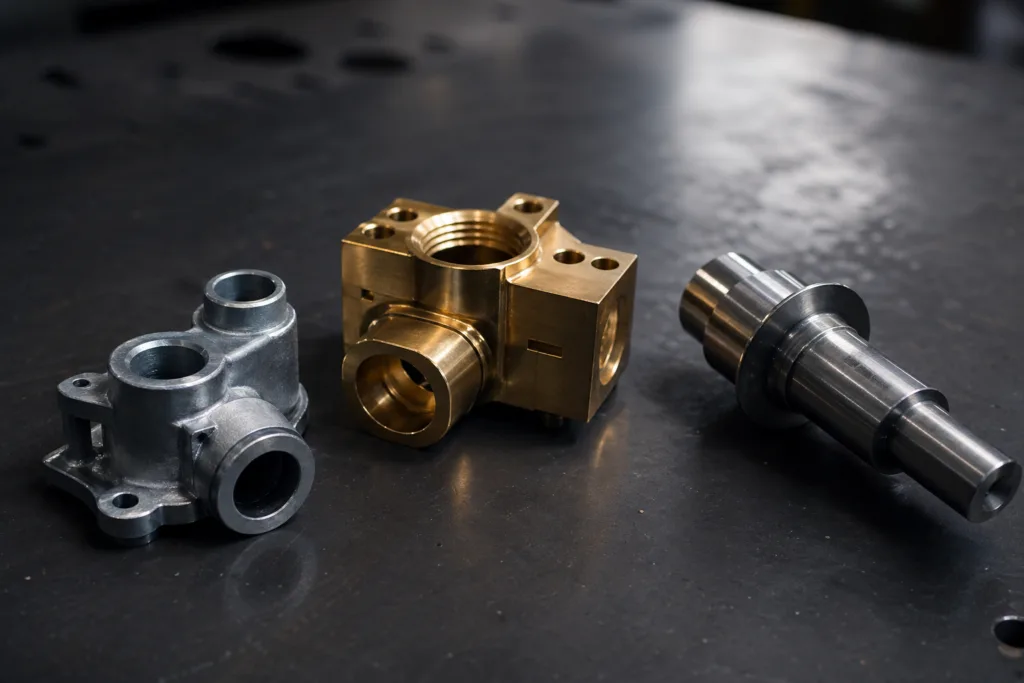
Proofs Enable Efficient Mass Production
Diligent proofing streamlines mass production. When all tolerances and finishes are validated up front, fewer stoppages or batch mismatches occur, saving time and cost in the long run.
Practical Example: Medal Production Proofs
Consider the production of a championship medal. A proof tests the attachment strength of the neck ribbon, verifies the plating’s endurance, and ensures the engravings remain crisp after batch production. Adjustments at this stage prevent thousands of medals from failing after distribution.
Proofs for Sustainable and Lead-Free Manufacturing
Manufacturers committed to global compliance, like Gairun, use proofs to confirm adherence to lead-free and nickel-free standards. Sampling enables buyers to verify certifications and test results before mass order placement.
Proofs in Multi-Part Assemblies: Why Fit Matters
For products like perfume caps or complex accessories, sampling each part ensures the whole assembly works seamlessly. The tactile “click” or precise logo alignment can only be assured with pre-production proofs.
Color Proofing: Achieving Pantone Precision
Color mismatches are a major risk in mass production. Proofs allow brands to check Pantone accuracy on physical samples, avoiding disasters where a batch doesn’t match brand guidelines. (See Pantone Matching System in Metal Craft).
QC Guidelines: From Sample to Batch Checking
Once a proof sets the quality baseline, batch production checks use this sample to catch defects early. Learn how quality standards are established in Pin Perfection: Quality Control Standards for Enamel Pins.
The Balance Between Speed and Quality
Proofing adds a step to production timelines, but it prevents longer delays caused by mass defects. Quality-focused brands sacrifice speed for accuracy, which ultimately leads to fewer headaches and higher customer satisfaction.
Common Misconceptions About Sampling
- “Samples are just for show.” In reality, they are functional verifications, not display items.
- “Proofs aren’t needed if artwork looks good.” Engineering realities often force adjustments; visual renderings don’t catch everything.
- “Sampling is a waste of money.” It’s a strategic investment for avoiding mass problems.
Keys to a Successful Sampling Stage
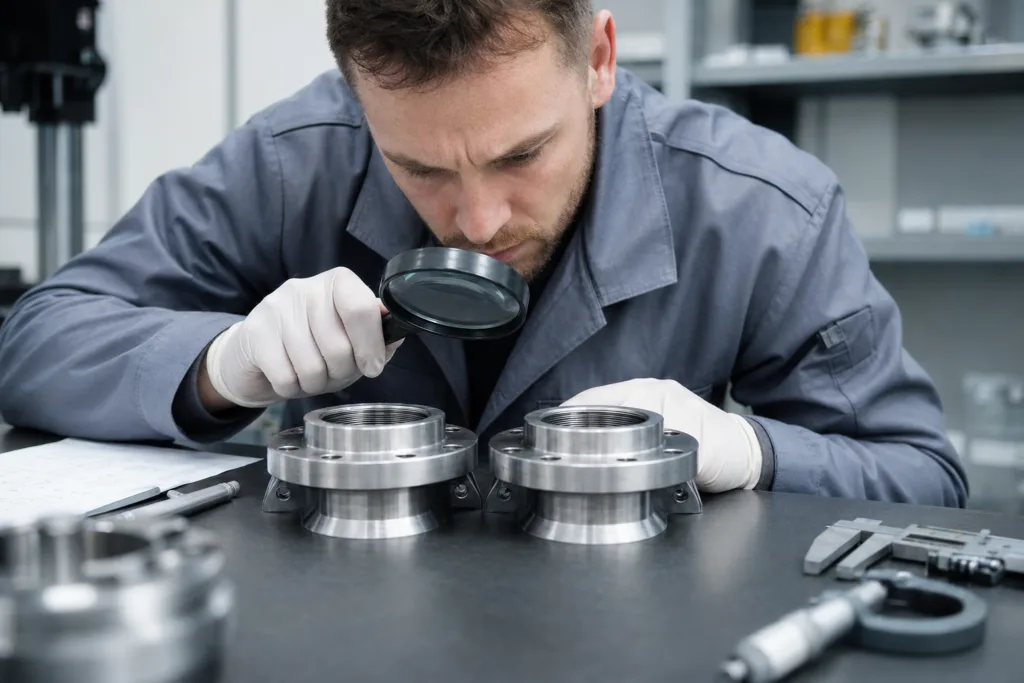
To maximize the benefit of proofs:
- Insist on full-function samples, not just cosmetic mockups.
- Request documentation of material purity and compliance.
- Ask for QC reports on the sample (tolerance, plating, fit).
- Use the sample as the reference for all mass-produced items.
Conclusion: Making Proofs the Cornerstone of Quality
The proofing stage isn’t optional—it’s critical for delivering consistently high-quality metal products. Samples act as your safety net, spotlighting design flaws, material weaknesses, or process inconsistencies before mass production locks in those errors. Brands that invest in sample verification enjoy smoother mass manufacturing, superior outcomes, and lasting market credibility. As metal product demand grows for luxury, fashion, and award sectors, proofs become your strongest asset for standing out and avoiding costly mistakes.
Frequently Asked Questions
How does sample proofing reduce defects in mass production?
Sample proofing identifies flaws—such as surface defects or tolerance mismatches—early, ensuring these issues are resolved before mass manufacturing begins and minimizing costly defects in large batches.
Can proofs help optimize material choice for metal products?
Yes, sampling allows designers to physically compare metals like zinc alloy, brass, and stainless steel, making it easier to choose materials that offer the best clarity, weight, and durability for the project.
What quality standards are set during the proofing stage?
During proofing, benchmarks—such as weight, color, logo clarity, and tolerance precision—are established. These standards guide QC checks and ensure mass-produced items are consistent with approved samples.
Are proofs required for every custom item?
Proofs are strongly recommended for any custom metal product, especially where precise fit, color accuracy, or branding are critical. Skipping them increases risk of failure in mass production.
How do proofs affect production timelines and cost?
Proofing adds upfront time and cost, but it prevents expensive delays and batch rejections by catching errors before they escalate in mass production, ultimately saving money and reducing lead times.
Can proofs verify compliance with lead-free and safety standards?
Absolutely. Pre-production samples can be tested for compliance—such as lead-free and nickel-free standards—giving buyers confidence before their mass orders proceed.
Related Reading
- 15 Steps to Perfect Vector Artwork for Metal Production
- CNC vs. Hand-Carving: Which Mold Creation Method is Best for Custom Products?
- Pantone Matching Demystified: How Color Proofs Safeguard Brand Identity
- Minimum Order Quantities: 17 Insights for Smarter Sourcing and Lower Risk
- Understanding Mold Costs & Setup Fees: 7 Vital Truths for Product Managers
- Enamel Pin Manufacturing: 12 QC Standards for Flawless Results