Understanding Mold Fees and Setup Costs
When planning for a new metal product, two essential concepts often trip up project managers and designers alike: mold fees and setup costs. These expenses can impact your total production budget much more than you might think. In this comprehensive guide, we’ll break down exactly what mold fees are, how setup costs come into play, and practical ways you can optimize both for a smoother, more predictable manufacturing experience.
What Are Mold Fees?
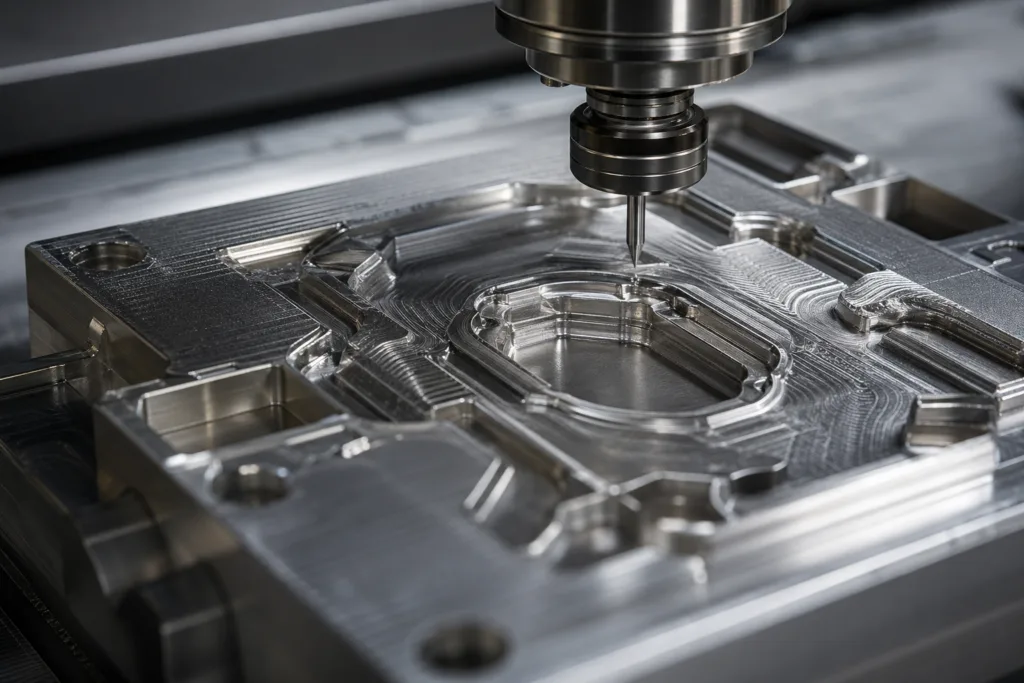
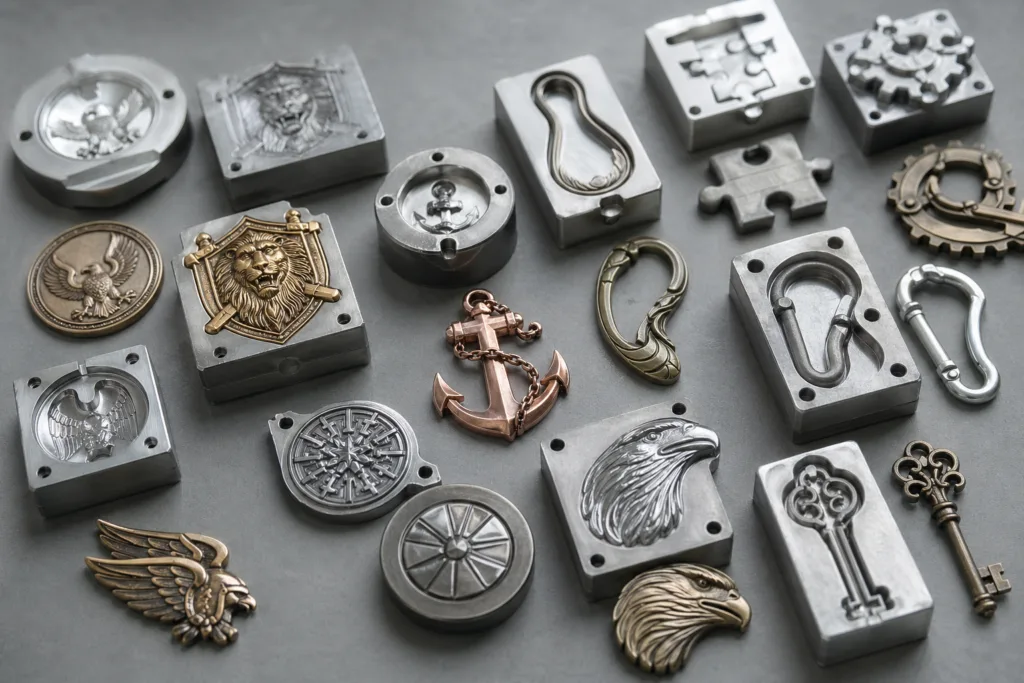
Mold fees are the upfront charges manufacturers apply for creating a custom mold used to shape your design. In metal products manufacturing—whether you’re developing custom medals, intricate packaging accessories, or high-precision hardware—molds are critical tools. The mold fee reflects the work and materials that go into building this precision device, enabling your unique shapes to be cast, stamped, or injected repeatedly with perfect consistency.
The Role of Setup Costs in Production
Setup costs cover all the prepping, configuring, and testing work manufacturers perform before mass production begins. These fees include machine calibration, quality checks, and any trial runs to ensure that everything functions as intended. While mold fees are a one-time investment tied to a specific design, setup costs may recur with each new production batch or significant design change.
Why Getting Familiar with Mold Costs and Setup Fees Matters
Understanding these expenses is vital for budget planning. Surprises happen when buyers overlook setup charges or underestimate mold complexity. For projects requiring limited units or multiple prototypes, mold and setup costs can represent a significant portion of the overall spend. Accurate forecasting supports more confident pricing, realistic ROI calculations, and better communication with stakeholders.
How Mold Costs Are Calculated
Manufacturers consider several factors:
- Material type: Tool steel, aluminum, and brass each have unique costs and lifespans.
- Design complexity: More intricate designs require sophisticated milling, deeper cavities, and tighter tolerances—all raising the mold fee.
- Size of mold: Larger parts demand bigger, heavier molds, increasing material and machining hours.
- Production volume: High-volume runs may justify more robust, expensive molds that withstand repeated use.
Common Types of Molds in Metal Manufacturing
You’ll encounter different mold types depending on your product:
- Die Casting Molds: Great for high-volume, complex shapes (think perfume bottle caps).
- Stamping Dies: Used for badges, labels, and thinner metal parts.
- CNC-Carved Molds: Essential for the finest details and logos, often used for jewelry-grade surfaces.
If you want to explore further, check out how molds are made using CNC versus hand carving methods.
Setup Cost Breakdown: What’s Included?
Typical setup fees may include:
- Machine cleaning and changeover
- Fixturing and calibration
- Trial production run costs
- Initial quality control tests
Even if you reuse an existing mold, setup costs can arise when changing materials, colors, or product sizes.
Real-World Example: Mold Fees in Custom Medals Production
Suppose you’re organizing an award ceremony and need a new medal design. Your supplier quotes a $400 mold fee for the die-casting process, influenced by the design’s 3D relief and logo detail. Setup costs of $120 cover prepping the machines and performing QA for your first batch. If you order 1,000 medals, the mold fee becomes a small per-unit fraction; but for just 100 medals, your per-item price rises sharply.
Case Study: Setup Costs for Luxury Packaging Hardware
A global luxury brand orders custom zinc alloy perfume caps. The project involves a $1,200 initial mold fee due to the complexity and tight tolerances required for a perfect bottle fit. Setup costs each production run range from $200 to $350, depending on production volume and finish. Achieving a “mirror finish” means additional polishing and rack plating, increasing both setup and labor inputs.
Factors Impacting Mold Fee and Setup Cost Variations
Some contributors to cost variation include:
- Number of cavities (multi-part vs. single mold)
- Advanced logo or pattern requirements
- Strict tolerance standards (learn more in this engineer’s guide)
- Tooling lifespan and planned number of production runs
Material Selection and Its Cost Consequences
Choosing between standard zinc alloy versus high-purity (virgin) Zamac can affect not only the final part appearance but the type and wear of the mold. For luxury brands, opting for premium materials increases initial mold cost but offers better surface finish—reducing the odds of plating defects or roughness that could tarnish your product reputation. This is where manufacturers like Gairun stand out, prioritizing purity for consistent quality.
Design Complexity: How Details Drive Mold Fees Up
Curved surfaces, deep engravings, or intricate patterns all require specialized CNC or handwork. Even small design tweaks (like adding undercuts) can complicate demolding, raising the mold cost. Early collaboration with your manufacturer can uncover cost-effective design changes that still preserve visual impact. For greater detail on artwork preparation, see this guide to flawless vector artwork.
Production Volume and Unit Price Calculation
With higher production volumes, mold and setup costs diminish per piece. For example:
| Order Qty | Mold Fee | Setup Cost | Total Cost | Mold+Setup per Unit |
|---|---|---|---|---|
| 100 | $400 | $120 | $520 | $5.20 |
| 1,000 | $400 | $120 | $520 | $0.52 |
| 5,000 | $400 | $120 | $520 | $0.104 |
The more pieces you order, the more you spread fixed fees over each item. This principle is fundamental to smart metal manufacturing sourcing.
Minimum Order Quantity (MOQ) and Its Influence
Most manufacturers set a MOQ to ensure mold and setup fees are reasonable per unit. Learn about strategies for managing MOQs and how it connects to mold costs.
Comparing Hand-Carved vs. CNC Molds
Hand-carved molds can be more affordable for simple projects, but CNC-milled molds excel at tight tolerances, repeatability, and intricate detail. CNC technology often carries a higher upfront fee but is essential for brand logos or products requiring jewelry-level surface finish. For deeper insight, read about how your mold is created.
Quick Reference Table: Mold Fees by Product Type
| Product | Typical Mold Fee | Setup Cost Range |
|---|---|---|
| Custom Medal | $200 – $600 | $100 – $200 |
| Zinc Alloy Cap | $900 – $2,500 | $200 – $400 |
| Metal Badge | $150 – $400 | $70 – $180 |
| Luxury Gifting Accessory | $800 – $3,000 | $250 – $500 |
How to Minimize Mold Fees in Metal Manufacturing
- Streamline the design: Avoid unnecessary undercuts or deep reliefs unless they serve a functional or branding purpose.
- Standardize parts across products if possible, allowing mold reuse.
- Order in higher volumes to reduce the per-unit impact of one-time fees.
- Consult manufacturers early—minor changes can mean major savings!
Expert partners will often suggest cost-effective modifications without compromising on your vision.
Setup Fees: When Are They Negotiable?
Unlike mold fees, which reflect hard manufacturing costs, some setup charges are negotiable—especially with strong buyer relationships, repeat orders, or high annual volumes. Open communication is key: suppliers may streamline the process for recurring order types, passing on cost reductions where possible.
How Surface Finishing and Plating Impact Fees
High-end finishes like PVD gold or multi-tone plating require extra mold edge preparation and more elaborate setup routines. For example, rack plating ensures even, blemish-free layers for luxury perfume caps—an industry standard that rigorous manufacturers like Gairun don’t compromise on. These finishing requirements should be clear in your design brief to avoid unpleasant surprises later.
The Risk of Skimping on Mold Quality
Attempting to cut mold costs with inferior steel or poor craftsmanship often backfires—resulting in casting defects, repeat setup fees, or delayed launches. High-precision molds pay off quickly by reducing the odds of rework, warranty claims, and lost reputation for your brand.
How to Request Accurate Mold and Setup Quotes
- Provide clear vector artwork or 3D models (not just sketches).
- Specify intended order volume and long-term production forecasts.
- Identify all desired finishes, materials, and color specs (PMS guides can help).
- Ask for a detailed cost breakdown, separating mold and setup charges.
Collaboration Tips: Working with Your Manufacturer
Developing a partnership approach with your manufacturer leads to better results. Share your full project context, including timeline needs and recurring order plans. An experienced producer will recommend the most efficient mold material, setup workflow, and finishing techniques. Honest, timely feedback helps maintain your project’s budget and schedule.
Understanding Mold Fees and Setup Costs
Mold fees and setup costs are foundational concepts in metal product manufacturing. Grasping how they work—and why they matter—enables you to plan budgets, forecast production expenses, and avoid sticker shock. Through strategic sourcing, design simplification, and open supplier communication, you can minimize these costs and achieve the quality your brand deserves.
Frequently Asked Questions
What is the main difference between mold fees and setup costs?
Mold fees are a one-time charge for creating the tool (mold) that shapes your product. Setup costs cover machine configuration, calibration, and quality checks before each production batch gets made.
Can I reuse molds for different products?
Usually, molds are specific to one part or design. You can sometimes reuse them for minor product changes, but significant new features may require a new mold.
How can I lower my mold fees?
Streamlining your design, standardizing components, and ordering larger quantities can help reduce mold fees and make each piece more affordable.
Do mold fees include future product changes?
No, mold fees generally cover only the original design. Modifications or entirely new features may require additional fees for mold adjustments or a new mold altogether.
Are setup costs charged for repeat orders?
Setup fees can recur with each production batch, especially if your order requires machine adjustments, color changes, or different surface finishes—even with an existing mold.
Why do some suppliers have much lower mold fees than others?
Lower fees sometimes mean lower-quality steel, less precise carving, or shorter mold life. High-quality manufacturers invest in better tools and craftsmanship, ensuring consistent results and fewer defects.
Related Reading
- How to Choose Between CNC and Hand-Carved Molds for Metal Products
- Master Tolerances: The Key to Consistent Metal Parts
- MOQ Secrets: Getting the Best Value in Metal Crafts
- Vector Artwork Prep: Save Time and Reduce Production Hassles
- Nail Your Colors: Pantone Matching for Ultimate Brand Precision
- Zinc Alloy Molding Benefits: Why Precise Molds Matter Most