Understanding Mold Manufacturing: CNC Machining and Hand Carving
Modern manufacturing relies on molds to create everything from packaging and machine parts to luxury accessories. There are two major approaches: using CNC (Computer Numerical Control) machining and hand carving. This article explores how molds are made: CNC vs. hand carving, offering insights on which method suits different needs in today’s rapidly evolving industries.
The History and Evolution of Mold Production
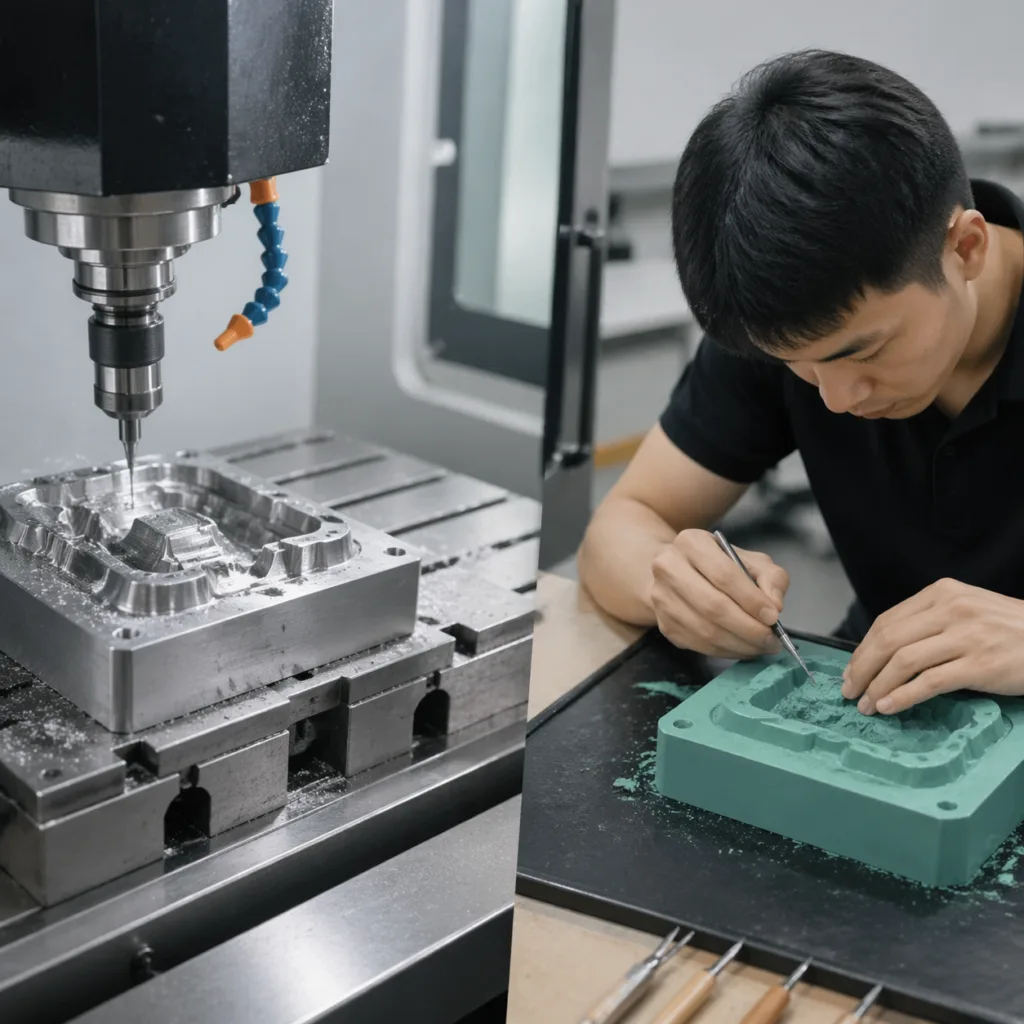
Mold manufacturing has transformed over centuries. Early molds were shaped entirely by hand with simple tools. Today’s factories combine skilled human craftsmanship with powerful CNC machinery to achieve intricate detail and repeatability—even on luxury items, technical parts, and custom awards. Understanding this evolution helps explain why both approaches still have a valuable place in modern manufacturing.
What Is CNC Machining in Mold Manufacturing?
CNC machining uses computer-controlled cutters to carve out molds from metal blocks. The machines follow precise digital instructions, resulting in detailed and consistent molds. This process is favored in industries demanding perfection, such as luxury packaging and automotive components.
What Is Hand Carving in Mold Manufacturing?
Hand carving in mold production relies on experienced artisans using manual tools to sculpt and refine the desired shapes. While more time-consuming, this technique allows for vibrant artistic touches, making it ideal for custom or limited-run pieces with intricate textures, artistic reliefs, or organic designs.
How Molds Are Made: CNC vs. Hand Carving
The core difference lies in automation versus manual skill. CNC molds begin with 3D modeling software, translating digital designs into tool paths for metal-cutting machines. Hand-carved molds start with sketches or references, requiring the craftsman’s eye to adjust and perfect details.
| Process | CNC Machining | Hand Carving |
|---|---|---|
| Speed | High, ideal for mass production | Slower, suitable for limited runs or prototypes |
| Precision | High repeatability | Variable, depends on artisan’s skill |
| Complexity | Excellent for mechanical shapes, geometric patterns | Excels at artistic textures, organic details |
| Cost | High upfront, lower per unit | Lower upfront, higher labor cost per piece |
| Flexibility | Easy revisions with 3D modeling | Flexible for unique, one-off designs |
CNC Machining: The Modern Approach
CNC has become the backbone of mold manufacturing for industries demanding precision and scalable production. Digital files control the machines, completing complex shapes more quickly and with minimal error risk. Consistency across thousands of pieces is almost guaranteed—and complex 3D designs, such as those used for custom die cast medals or perfume caps, are achievable with stunning accuracy.
Hand Carving: Celebrating Craftsmanship and Creativity
Hand-carved molds represent the pinnacle of human artistry in manufacturing. They are irreplaceable for projects where the designer’s touch matters—like commemorative pieces, awards, or prototype medals where subtle surface variations are features, not flaws. Artistic finishes, texturing, and individualized adjustments set them apart, especially for luxury or heritage-focused applications.
Pros and Cons of CNC Mold Making
- Advantages: Superior speed, accuracy, scalability, repeatability. Rapid changes possible for new designs. Excellent for tight tolerance applications, like zinc alloy injection molding for modern metal crafts.
- Drawbacks: High machine and setup costs. Not always feasible for very complex organic textures or very short runs where setup time outweighs benefits.
Pros and Cons of Hand Carving Molds
- Advantages: Ideal for unique details, small batch production, and artistic surfaces. Lower equipment investment.
- Drawbacks: Labor-intensive, slower, subject to variation, and harder to scale. Not suitable where exact repeatability is crucial.
Material Versatility: How Does Each Method Perform?
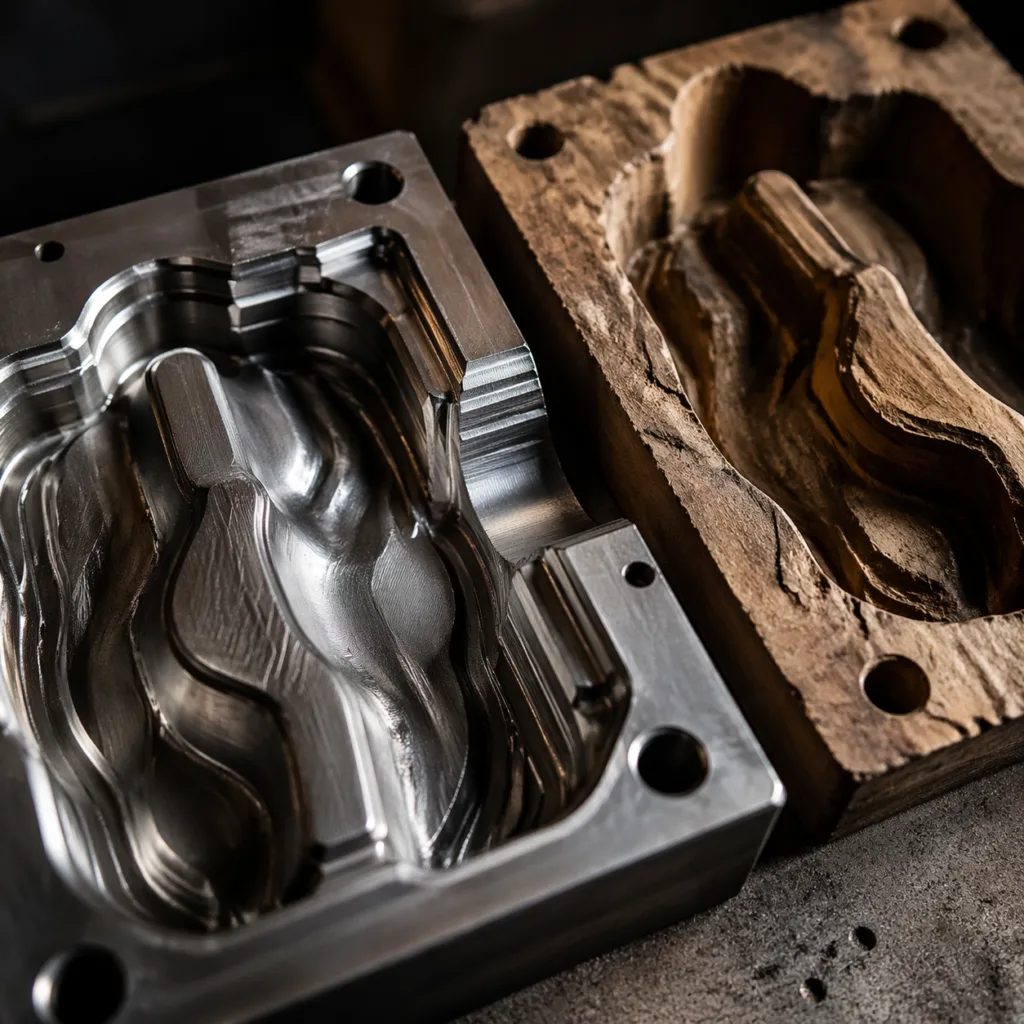
CNC machines can work with hardened steels, aluminum, brass, or even engineering plastics, offering flexibility for both prototyping and high-volume runs. Hand carving is better suited to softer materials, wax, or basic toolable steels, making it a favorite for pre-production samples or when testing a new design concept.
Choosing the Best Method for Your Project
If you need thousands of precisely identical pieces, CNC machining generally wins. If your project involves commemorative medallions, artist-designed custom medals, or sculptural elements, hand carving can offer a creative edge. Large brands often use a combination: hand-carved prototypes that guide CNC tool paths for mass production—a process known for blending the best of both worlds.
Cost Analysis: CNC vs. Hand Carving
| Cost Factor | CNC Machining | Hand Carving |
|---|---|---|
| Initial Investment | High (machinery, software) | Low to moderate (skilled labor) |
| Unit Cost (Large Volume) | Low | High |
| Unit Cost (Low Volume) | Higher relative per unit | Moderate if labor is available |
| Maintenance | Machine service, tooling wear | Tool sharpening, artisan skill upkeep |
Speed and Lead Time: What to Expect
CNC shines when speed matters. Once programmed, machines can work around the clock. For example, factories producing zinc alloy accessories often rely on CNC-engraved molds to ensure tight deadlines are met. Hand carving, however, is inherently slower due to manual effort, but turnaround can be quite fast for one-off prototypes.
Scalability and Repeatability in Mold Manufacturing
Consistency is king in large-scale production. CNC molds guarantee each item meets design specs down to the tiniest detail. This makes them a go-to in sectors requiring hundreds or thousands of identical parts, such as the automotive or perfume bottle cap industries. Hand carving, on the other hand, brings character and uniqueness at the expense of absolute repetition.
Applications of CNC and Hand-Carved Molds Across Industries
- Luxury packaging: CNC for caps, closures; hand carving for limited editions
- Awards and medallions: CNC for high volumes, hand carving for prestigious, small-batch commemoratives
- Fashion: CNC for hardware consistency, hand for prototype or signature pieces
- Automotive: CNC for functional parts, hand carving for concept car trims
Case Example: When to Choose CNC Machining
Consider a brand creating distinctive medal designs for a marathon. CNC machining allows for fast turnaround, sharp edges, and full 3D surface detailing. Need more ideas? Dive into the guide on how to create a medal design for practical inspiration on production scaling and finishing.
Case Example: The Art of Hand-Carved Molds
For a limited-edition award or a collector-piece medallion featuring sculpted relief and textural nuances, hand carving remains invaluable. Artisans can sharpen, deepen, or rework details on the fly, lending every mold a unique signature edge. This technique is still celebrated in galleries, museums, and heritage commemoratives. For more on how surface finishing techniques impact final presentation, see sandblasting and foggy painting techniques.
From Design to Mold: The Role of Digital Modeling
Almost all mold production today—CNC or otherwise—begins with a 3D digital model. This enables swift changes and previewing before fabrication. CNC machining takes the 3D file and instantly converts it to milling instructions. For hand carving, the digital design is used to print references, guides, or even create wax forms as starting points.
Surface Finishing: Achieving a Premium Look
Fine surface finishing, whether by machine or hand, dramatically affects final product appeal. With CNC, even micro-finishes are possible, suited to high-end luxury goods. Hand carving can create organic finishes perfect for bespoke or commemorative projects. Techniques like hand-filling enamel, mirror polishing, or specialty painting further elevate the result—especially critical when aiming for a sophisticated aesthetic.
Combining the Best of Both Worlds
Many high-end manufacturers blend CNC machining and hand carving. They use machines for tight tolerances, then finish or enhance selected surfaces by hand for extra artistry. This hybrid method is common in premium medal production, limited-edition accessories, and signature packaging.
Quality Control in Mold Manufacturing
Both CNC and hand-carved molds undergo strict inspection and trial runs. Premier factories undertake tests such as salt spray resistance for closures, and check for functional fit and finishing consistency. Brands like Gairun often go beyond basic standards, rejecting any mold that—even if functional—shows the slightest surface imperfection, ensuring the end-user sees only flawless results. For curious readers, explore rigorous sampling protocols in the zinc alloy sample approval guide.
Environmental Impact: Comparing Both Methods
CNC machining’s efficiency can reduce material waste, especially when advanced nesting software optimizes cutting paths. However, energy usage, coolant disposal, and spent tooling must be responsibly managed. Hand carving uses less energy but more labor hours, and may generate offcuts difficult to recycle, particularly with complex alloys.
Future Trends: AI, Automation, and the Human Touch
AI-driven tool path optimization, real-time feedback, and advanced robotics are pushing CNC machining further toward full automation. Yet demand for hand-finished unique pieces, especially in luxury and commemorative sectors, ensures hand carving remains relevant—offering artistry and tactile individuality that machines still struggle to emulate.
Expert Insights: What Sets Premium Manufacturers Apart?
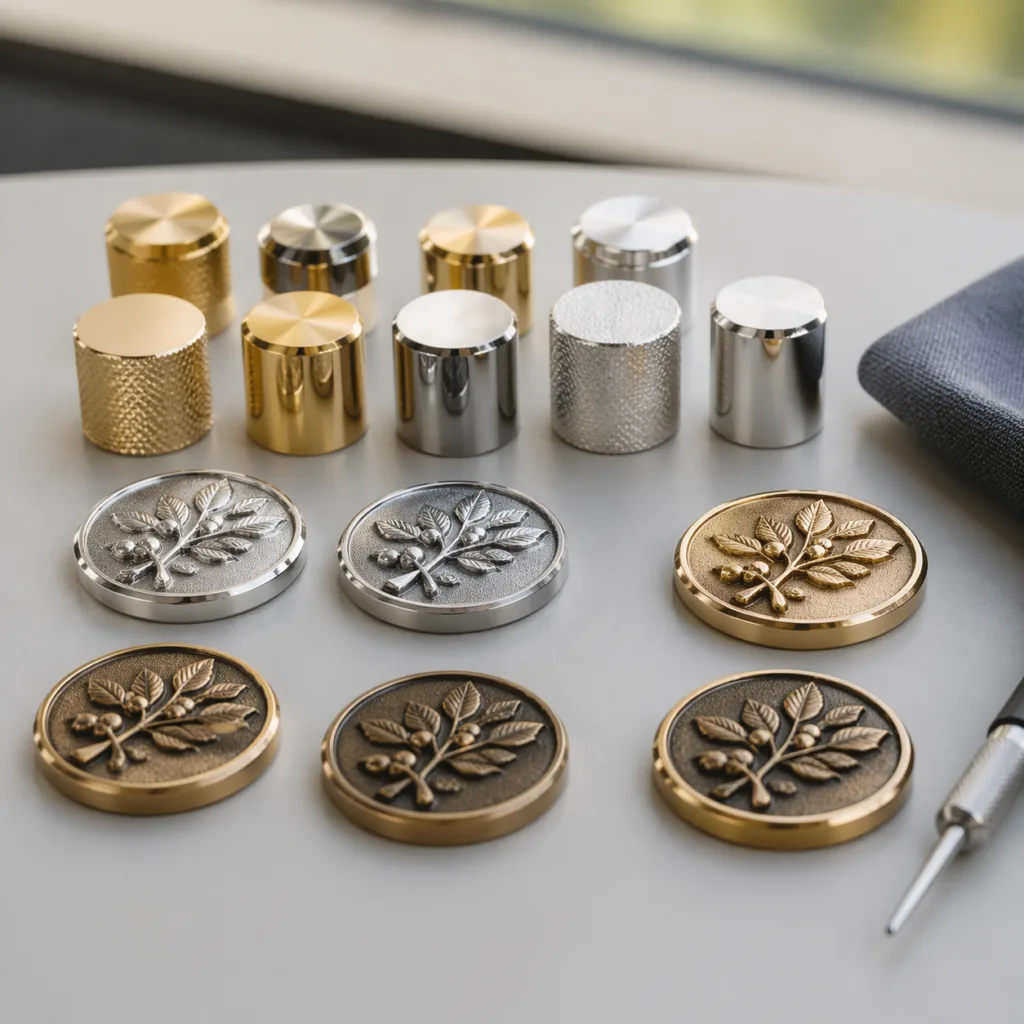
Leading premium manufacturers, such as Gairun, set themselves apart with a relentless focus on raw material integrity and the pursuit of jewelry-grade finishes. They might choose virgin Zamac 3 alloy for mold carving, engineer for precise lid fits on packaging hardware, and implement multi-stage finishing—practices less common in low-cost, mass-market fabrication. For a technical dive into how finishing can affect presentation, see the UV printing on metal guide.
Conclusion: Making the Right Mold Choice for Your Needs
The choice between CNC machining and hand carving depends on project scale, artistic goals, repeatability, and budget. CNC delivers precision, speed, and consistent results; hand carving provides unmatched flexibility and creative flair. The most innovative manufacturers know when to employ each or combine both—ensuring products shine in both form and function. For industries ranging from award-making to luxury packaging, appreciating these differences helps teams select the best path for their next project.
Frequently Asked Questions
Which mold-making method is more precise?
CNC machining delivers exceptional repeatability and micron-level accuracy, making it the top choice for applications where precision is non-negotiable.
Is hand carving still used in modern manufacturing?
Yes, especially for unique or artist-designed items, small batch runs, and prototypes where custom surface detail is valued over speed or scalability.
Which method is better for large-scale production?
CNC machining is preferred for large-scale manufacturing thanks to its automation, speed, and reproducibility, making every piece match the master design.
What materials can CNC and hand carving process?
CNC works with a wide range of metals and hard plastics; hand carving excels with softer materials and wax, used mainly for artistic prototypes or specialty items.
Can both CNC and hand carving be combined for mold making?
Absolutely. Many premium manufacturers use CNC for the main structure and hand carving for fine detail or final finishing, getting the best of both worlds.
How do manufacturers ensure mold quality?
Quality checks include visual inspection, functional testing, and surface measurements. Brands focused on excellence often conduct additional finishing and rejection protocols to maintain the highest standards.
Related Reading
- 12 Ways Zinc Alloy Injection Molding Boosts Modern Metal Crafting
- Which Is Best: Die Casting, CNC, or Stamping? All-In-One Pros & Cons Review
- Discover the Hidden Benefits of UV Printing on Metal Products
- From Sketch to Ceremony: The Complete Process of Medal Design
- Stunning Metal Finishes in Fashion: Sandblasting and Foggy Painting Explained
- Mastering Zinc Alloy Sample Approval for Luxury Packaging Hardware