
Understanding Rush Services and Expedited Production
Rush services and expedited production are more than just buzzwords—they are lifelines for businesses navigating tight market timelines and urgent client demands. In a world where schedules are compressed and expectations are high, mastering the art of faster, yet reliable manufacturing separates top-performing brands from the rest. Let’s break down what truly defines expedited production, when it’s necessary, and why it matters now more than ever.
The Growing Demand for Speed in Modern Manufacturing
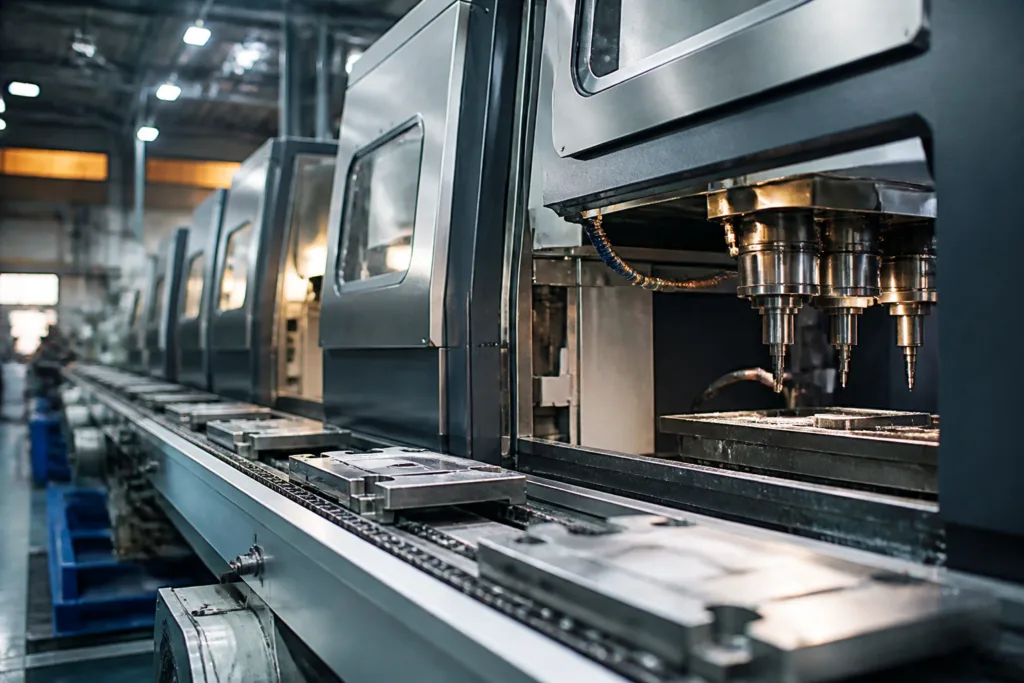
Across every corner of the manufacturing sector, the push for speed has become relentless. Brands in sectors like metal crafts, electronics, automotive, and luxury packaging now expect timelines that were considered impossible just a decade ago. Speed is no longer a luxury; it’s a competitive necessity.
Rush Services: How to Speed Up Production
The phrase rush services: how to speed up production often conjures images of hectic assembly lines, corners cut, and compromised quality. Yet, world-class manufacturers know that true agility comes from repeatable processes, smart planning, and a refusal to sacrifice long-term trust for short-term wins. Here’s how you can accelerate your operation—without losing sleep over mistakes.
Industries Frequently Using Expedited Production
It’s not just one industry that relies on rush services; from custom metal awards to high-tech gadgets, industries such as fashion hardware, event supply, and product sourcing leverage expedited production to stay ahead. Bespoke metal crafts, urgent packaging accessories, and commemorative medals are classic examples where speed and precision must coexist.
Key Benefits of Fast-Tracking Production
- Competitive edge in delivery times
- Increased customer satisfaction and loyalty
- Reduced risk of lost sales opportunities
- Greater flexibility to adapt to market changes
Challenges in Rapid Turnaround Manufacturing
Accelerating production comes with hurdles: supply chain disruptions, risk of missed quality checks, and overloaded staff. Recognizing these challenges upfront is the first step in overcoming them.
The Role of Clear Communication in Expedited Orders
Speed and clarity go hand in hand. To ensure deadlines are met without costly mistakes, it’s essential to foster open lines with both suppliers and clients. Regular updates, clearly documented specs, and prompt feedback loops prevent misunderstandings and rework—saving days or even weeks.
Optimizing Workflow Processes for Speed
One of the first levers to pull: streamline internal workflows. Map your process end-to-end. Where do bottlenecks happen? Are approvals getting stuck? Are there duplicate checks or unnecessary steps?
- Eliminate non-value-adding activities
- Automate repetitive admin or reporting tasks
- Transition to digital approval/sign-off chains
Prioritizing Key Projects for Maximum Impact
Not every project deserves top billing. Identify high-value or urgent jobs through a systematic intake process. Use project management tools to keep everyone accountable when shifting focus quickly.
Leveraging Automation in Expedited Production
Automation is the backbone of truly sustainable rush services. Integrating CNC machining for custom parts, robotics for sorting or assembly, and workflow automation tools for project tracking can shave days (or more) off your timelines.
Applying Lean Manufacturing Principles for Quick Wins
Lean isn’t just for mass production—it works wonders for short runs and urgent jobs too. Adopt lean’s core principles: waste elimination, continuous improvement, and just-in-time inventory. The outcome? Faster turnaround without excess stock or missed defects.
Choosing the Right Materials for Speed
Material selection can make or break an expedited job. Choosing metals that are readily available and easy to machine, avoiding exotic alloys, and using pre-approved colors or finishes reduce supplier lead times and technical surprises.
Supplier Partnerships: Unlocking Rush Capacity
Your suppliers can be your greatest asset—or your biggest bottleneck. Build strategic partnerships with suppliers that offer guaranteed rush capacity, clearly negotiated service-level agreements (SLAs), and strong communication channels.
Expedited Quality Control: What Can’t Be Skipped
Shortcuts in QC invite expensive recalls. Instead, focus on pre-approved inspection plans, smart sampling techniques, and keeping leadership informed of results—fast. Tools like quality control standards in metal manufacturing set expectations without adding delays.
Proofs and Approvals in Rapid Production Cycles
It’s tempting to skip proofs when time is tight, but even rapid cycles benefit from well-managed approvals. Digital mock-ups or 3D samples can catch design flaws before mass production—saving more time than they consume. Consult this sample vs. mass production guide for effective proof strategies.
Project Management Tools for Rush Orders
Cloud-based workflow tools, Gantt charts, and Kanban boards help teams track which tasks are critical and spot roadblocks in real time. Assign task ownership, set up deadline-driven alerts, and review dashboards daily in expedited projects.

The Human Factor: Building a Culture of Agility
Flexibility starts with people. Train teams to understand the difference between truly urgent and simply important requests. Empower them to flag red flags, escalate challenges quickly, and make on-the-spot decisions within defined boundaries.
How Metal Test Reports Speed Up Approvals
Having ready-to-share metal test reports on hand can dramatically cut approval cycles, especially when dealing with international brands or regulatory-driven projects. Pre-certification of safety and purity reassures clients and clears regulatory checkpoints instantly.
Expedited Production for Custom Metal Goods
Custom orders usually fear long lead times, but smart manufacturers use modular molds, standardized attachment methods, and pre-stocked raw materials to produce one-off or low-minimum goods rapidly. For insights into handling minimums, see these powerful minimum order quantity tips.
Case Study: Rush Services in the Luxury Packaging Industry
The luxury packaging sector is notorious for last-minute marketing changes, short product cycles, and extreme quality expectations. By implementing precision CNC molds, rack plating techniques, and hand inspection of each Zamac cap, manufacturers meet impossible deadlines without visual or functional flaws. Here, the difference is in the details—and steady hands, not just fast ones.
Managing Expectations with Clients During Rush Jobs
Honest discussions about what can realistically be achieved, given raw material lead times and plating constraints, foster trust and reduce disappointment. Over-communication is always preferable to silence when the stakes are high.
Transportation & Logistics: Trimming Days Off Delivery Times
Choosing the right Incoterm matters. DDP shipments may streamline customs, but sometimes FOB offers flexibility for air freight swaps. For a deeper dive, review this comparison on DDP vs. FOB options to discover which fits your rush project best.
Technology Adoption: Cloud-Based Approvals & Remote Monitoring
Digitalizing approval chains, enabling remote access to live quality data, and video-inspecting critical prototypes can all accelerate sign-off processes in modern manufacturing, keeping time zones and travel delays from slowing you down.
Strategies for Minimizing Quality Risks in Fast Production
- Shorten, but never skip, pre-production checks
- Double-up visual and dimensional inspections where failure rates are historically high
- Document deviations with photos or annotated drawings for traceability
How to Avoid Costly Errors When Rushing Orders
Maintain a checklist-driven approach, verify artwork and proofs (especially for logo placement and color), and restrict last-minute design changes whenever possible. Spending a few extra minutes early often prevents full-day delays later.
When Speed Compromises Quality: Know Your Limits

Industry leaders such as Gairun advise: never rush technical processes (like plating or mold-making) beyond physical limits. Rejecting even slight visual defects may seem excessive, but upholding strict standards protects reputation and long-term revenue far more than a single fast shipment.
Rush Services: How to Speed Up Production—Best Practices Summary
- Map your entire production workflow
- Leverage digital and automation tools
- Set clear expectations and over-communicate
- Keep quality checks lean but never eliminated
- Choose flexible, responsive partners
- Document every decision and result
Frequently Asked Questions
What are rush services in manufacturing?
Rush services are expedited production processes designed to complete manufacturing orders faster than standard timelines, often used for urgent or high-priority projects.
Can quality be guaranteed when production is expedited?
Yes. While timelines are tight, strict adherence to proven quality control standards ensures no steps are missed. Efficiency and established process controls are key.
What industries benefit most from rush services?
Industries such as custom metal crafts, packaging, event awards, and fashion hardware benefit most, where time-sensitive branding and event dates cannot shift.
How do manufacturers handle artwork or design approvals quickly?
Many use digital proofs, cloud-based approval platforms, and pre-defined approval matrices to cut review times and reduce back-and-forth between stakeholders.
Are there risks to rushing production, and how can they be minimized?
Risks include missed quality checks and miscommunication. Minimize them with clear documentation, extra visual checks, and strong partnerships with reliable suppliers.
Does expedited shipping guarantee on-time delivery for rush orders?
Expedited shipping helps, but it’s important to coordinate logistics closely and choose the right Incoterms. Unexpected customs or carrier delays can still occur.
Related Reading
- 11 Steps to Fast-Track Product Safety with Metal Test Reports
- DDP vs. FOB: Find the Smartest Shipping Tactic for Rush Jobs
- Proofs vs. Mass Production: Avoid Costly Mistakes When Outpacing Deadlines
- How to Slash Lead Times with the Right Minimum Order Strategies
- 12 Quality Control Standards Every Expedited Project Needs