Introduction: Understanding Shipping Metal Goods from China: DDP vs. FOB
Global sourcing is the backbone of today’s metal goods industry. When importing from China, two core shipping terms—DDP (Delivered Duty Paid) and FOB (Free On Board)—shape your costs, risk, and operations. This guide demystifies the essential differences, providing manufacturers, buyers, and supply chain planners with practical insights. We’ll explore cost breakdowns, control points, and scenarios for optimized metal shipping.
What Is Metal Shipping?

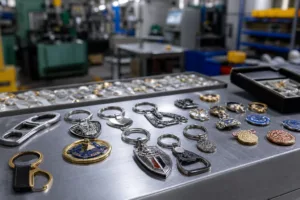
Metal shipping refers to the transportation of bulk or finished metal goods—like hardware, caps, medals, and custom parts—from a supplier to the destination country. Choosing the right shipping method ensures you get predictable delivery timelines, regulated quality, and minimized financial risk.
The Importance of Shipping Terms in Metal Imports
Shipping terms, governed by Incoterms, clarify who pays, who arranges, and who is responsible for every mile of the journey. For heavy or high-value metals, misunderstanding your terms can cause steep, unexpected costs or delivery delays.
Overview: DDP vs. FOB
Both DDP and FOB are common for international shipments—especially for goods like custom badges, medal components, or packaging accessories that may have strict deadlines and cost targets.
- DDP (Delivered Duty Paid): The supplier manages and covers all risks, logistics, customs, duties, and last-mile delivery to the buyer’s address.
- FOB (Free On Board): The supplier delivers goods to a specified port. The buyer is responsible for freight, insurance, import clearance, and inland delivery afterward.
How the DDP Process Works for Metal Goods
Under DDP, the supplier organizes and pays for every aspect—including export clearance, international freight, customs, import duties, VAT, and delivery to your warehouse. You simply wait for the goods to arrive at your door.
How the FOB Process Works for Metal Goods
FOB ends the supplier’s responsibility once goods are loaded on the vessel at the port of shipment (e.g., Shanghai). The buyer must manage overseas sea/air freight, customs clearance, taxes, and delivery from their local port.
Comparing Risks: DDP vs. FOB
| Aspect | DDP | FOB |
|---|---|---|
| Logistics Control | Supplier | Buyer |
| Customs Delays | Supplier’s risk | Buyer’s risk |
| Damage/Loss in Transit | Supplier’s risk until delivery | Buyer’s risk after shipment |
Cost Structure Differences: DDP vs. FOB
DDP quotes are all-in, often at a premium. FOB appears cheaper but exposes buyers to variable freight and customs costs. For large or resourceful buyers with their own logistics, FOB can be more economical in the long run.
Who Controls the Shipping Chain?
DDP gives all control to the supplier/freight forwarder, which simplifies everything but can obscure real costs. FOB hands control to the buyer, providing transparency but requiring logistics expertise.
Customs Clearance Responsibility
With DDP, the supplier ensures all metal goods pass customs. With FOB, the buyer must work with a broker or handle declarations—critical for regulated products like high-value Zamac alloy parts. Understanding compliance is essential for defect prevention and seamless import quality control.
Delivery Timelines: Predictability vs. Flexibility
DDP often guarantees a clear estimated delivery date, beneficial for just-in-time metal components. FOB gives flexibility to the buyer but can face delays if the wrong freight partners are chosen or documentation is incomplete.
When to Choose DDP for Metal Shipping
- You’re a small or first-time importer lacking customs experience
- Clear, predictable landed cost matters more than squeezing every cent
- Products are highly customized or deadline-driven, like bespoke medals for major events
When to Choose FOB for Metal Shipping
- You have trusted freight partners or in-house logistics teams
- Your orders are large, recurring, or pooled with other imports
- You want visibility and control over shipping, taxes, and final-mile handoff
Real-World Scenarios: DDP vs. FOB for Metal Goods
Scenario 1: Event Medals for a Sports Organization
A small event organizer needs 1000 customized medals delivered before a set ceremony date. DDP simplifies project management and ensures on-time delivery, ideal for users who can’t risk customs delays.
Scenario 2: Packaging Hardware for a Multinational
A brand producing luxury Zamac bottle caps in China, with annual imports exceeding 10,000 kg. With a dedicated freight team, they select FOB to negotiate better rates, improve cost tracking, and manage complex compliance needs in multiple countries.

Impact on Supply Chain Efficiency
Choosing DDP reduces attention on logistics but can increase cost per unit. FOB can cut costs and align with sophisticated supply chains—especially where consistent, predictable quality matters, such as when importing precision packaging components.
The Gairun Approach to Metal Shipping Excellence
Premium manufacturers like Gairun maintain compliance with international shipping requirements, regardless of term. By advising clients on metal selection, weight optimization, and surface finish durability, Gairun minimizes shipping failures and maximizes first-pass quality. This attention to detail—such as using virgin Zamac for smoother plating on bottle caps—helps prevent costly customs rejections or product remanufacturing.
Hidden Charges and Risks in DDP vs. FOB
With DDP, opaque fees (like remote area surcharges or local taxes) may sometimes be hidden inside lump-sum quotes. FOB exposes real costs but puts you at risk of underestimating customs clearance, demurrage, or insurance—often an unexpected expense for bulk orders or heavy industrial parts. Both methods require careful contract review.
Quality Assurance: Why It Matters in Shipping
Well-managed shipments start with robust proof sampling and quality control. Issues discovered at the point of delivery or customs are costly to resolve—particularly for high-value or branded hardware. Demanding clear inspection reports and using partners who adhere to global standards is non-negotiable.
Documentation Differences: DDP vs. FOB
FOB buyers manage documents like bills of lading, import permits, and certificates of origin. DDP suppliers provide door-to-door paperwork, including all customs clearance forms. Failure to prepare the right documentation can block delivery—especially for plated or regulated metal items.
Freight Options: Air, Sea, Rail for Metals
Metal shipments can travel by air (fastest, highest cost), sea (most common for bulk or oversized parts), or rail (efficient in some Eurasian routes). Your choice may affect whether DDP or FOB offers the best balance of cost and speed.
Insurance: Safeguarding High-Value Metal Goods
DDP suppliers arrange insurance up to your door; with FOB, buyers must ensure coverage from vessel loading onward. For luxury goods, custom medals, or jewelry-grade components, underinsuring is a costly mistake.
Role of Forwarders and Customs Brokers
Many importers using FOB rely on international freight forwarders or customs brokers to manage schedules and documentation. Reliable partners matter—especially in countries with fluctuating regulations or for niche-coded products like decorative zinc hardware.
Common Pitfalls and How to Avoid Them
- Assuming the cheapest FOB supplier includes all port fees—clarify your responsibility in writing
- Choosing DDP to avoid paperwork, but getting hit by surprise taxes due to vague contract wording
- Overlooking sample proofs—solid pre-shipment proofing prevents rejects that’ll complicate customs and timelines
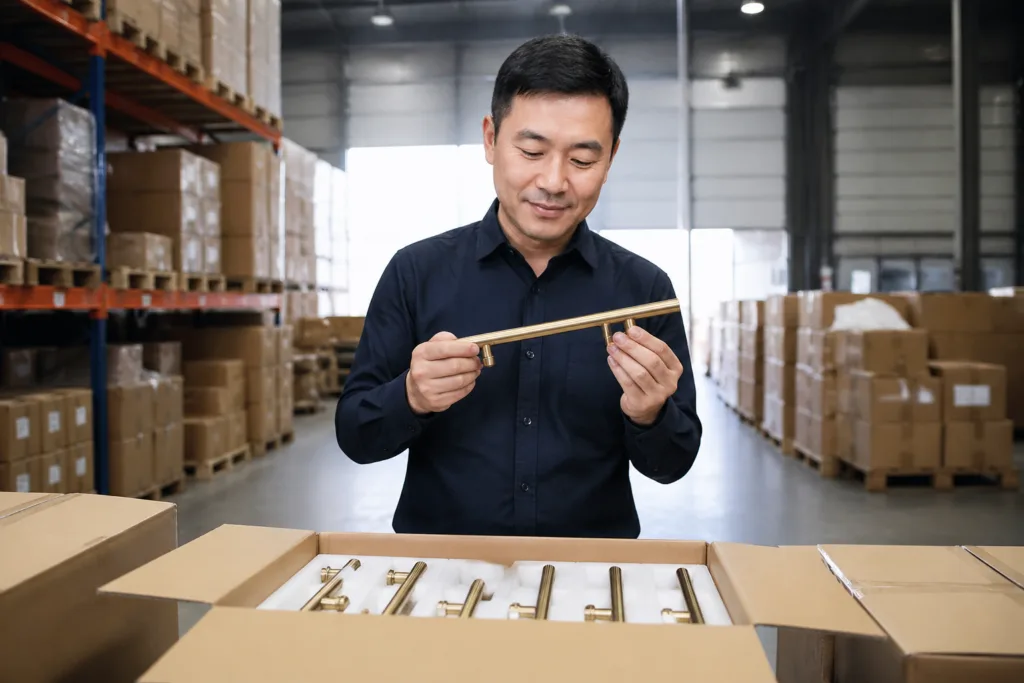
Checklist for Smart Metal Goods Shipping from China
- Confirm your Incoterms and clarify “who pays for what” before purchase
- Request and review all documentation (invoices, certificates, proof of inspection)
- Price both DDP and FOB scenarios based on real-world shipping quotes
- Audit your supplier’s experience shipping similar items globally
- Establish clear acceptance criteria and post-shipment support for defects or delays
Shipping Metal Goods from China: DDP vs. FOB
Navigating metal shipping from China is about more than just price—it’s about minimizing risk and ensuring timely delivery. DDP is a full-service option but may hide costs. FOB empowers you but demands expertise and trusted partners. For high-quality metal goods, aligning your shipping terms with your business scale, QC standards, and risk tolerance is the real key to success. Consider your options wisely, drawing on industry experience and supplier transparency.
Frequently Asked Questions
Which is faster: DDP or FOB for metal shipping from China?
DDP typically offers a faster, more predictable end-to-end timeline because the supplier manages all steps, including last-mile delivery. FOB gives you flexibility, but delays may occur without logistics experience.
How do customs duties differ under DDP and FOB?
Under DDP, the supplier pays all duties and taxes. With FOB, the buyer is responsible for calculating and paying customs duties, so you must stay updated on rates and compliance requirements.
Is DDP or FOB better for small importers?
DDP is usually better for small or first-time importers who lack logistics or customs expertise. It eliminates administrative work, though sometimes at a higher cost.
Are there any hidden costs with DDP shipping?
DDP quotes are all-inclusive, but vague contracts or remote delivery addresses can lead to hidden fees. Always ask for a detailed breakdown to avoid surprises.
Can I switch from DDP to FOB as my business grows?
Yes, many importers start with DDP for ease, then transition to FOB as they develop their own logistics capability to capture better margins and greater control.
What documents do I need for FOB metal imports?
Common documents include a bill of lading, commercial invoice, packing list, and sometimes certificates of origin or compliance—especially for regulated metal products.
Related Reading
- How Proof Sampling Protects Quality—A Critical Comparison
- The Hidden Truths of Mold Fees Every Manager Needs
- 15 Steps to Flawless Vector Artwork for Metals
- Demystifying MOQ: 17 Insights for Metal Buyers
- Tolerance in Metal Manufacturing: The Engineer’s Guide
- Custom Medal Manufacturing for Events & Brands